From the world's most famous penguin parade on Phillip Island to the penguins living in St Kilda, we meet key characters who will attempt to complete their mission: to stake their territory, partner up and raise their chicks.
Ann Jones
as Self - Host
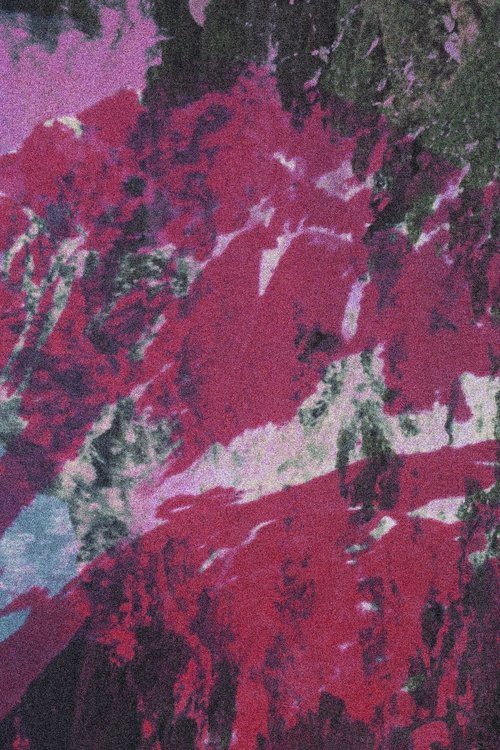
the film „mandà in lunga“ follows a journey from Val Poschiavo, a valley in the Italian-speaking part of the Swiss canton of Grisons, up to the highest point of the Morteratsch Glacier, the largest glacier in the Bernina Range. Shot entirely on 16mm film and edited in-camera, the film captures the changing landscapes and atmospheric shifts along the way. The journey is musically accompanied by the organ drones and violin sounds of Laura and Luzius Schuler.
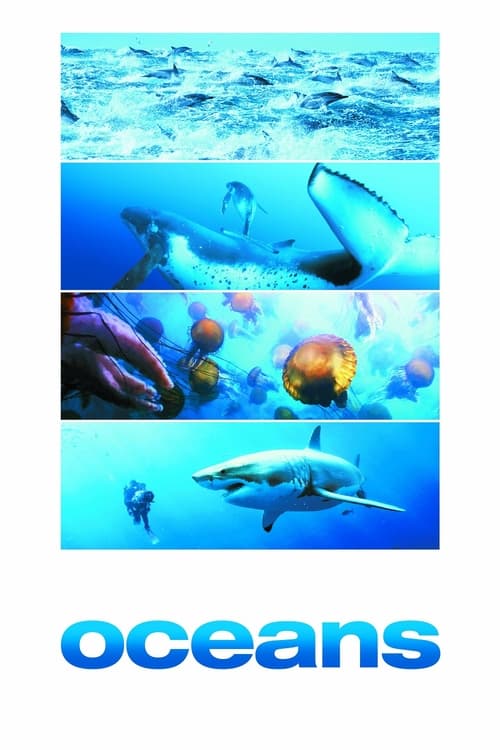
An ecological drama/documentary, filmed throughout the globe. Part thriller, part meditation on the vanishing wonders of the sub-aquatic world.
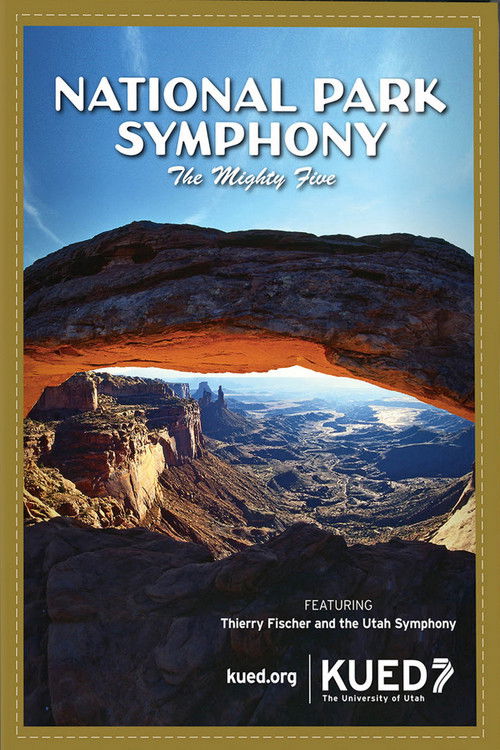
Celebrate the grandeur and majesty of Utah’s five national parks set to glorious music from the Utah Symphony. See stunning iconic images, grand vistas and secret locations in Zion, Bryce Canyon, Canyonlands, Capitol Reef and Arches National Parks.
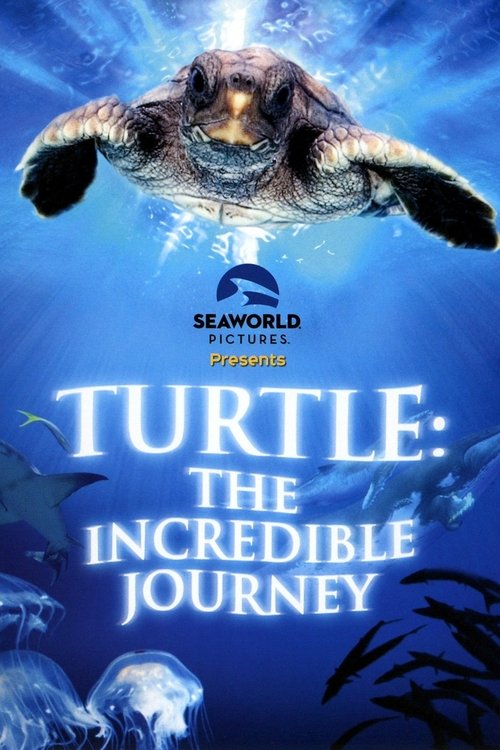
The story of a little loggerhead turtle, as she follows in the path of her ancestors on one of the most extraordinary journeys in the natural world. Born on a beach in Florida, she rides the Gulf Stream up towards the Arctic and ultimately swims around the entire North Atlantic across to Africa and back to the beach where she was born. But the odds are stacked against her; just one in ten thousand turtles survive the journey.
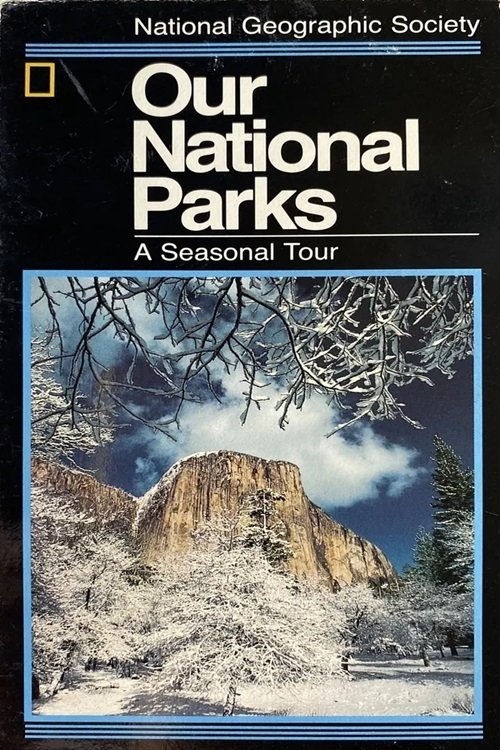
Our National Parks takes you on a journey through the four seasons and the many faces of our scenic national parks. Experience an array of lands and waters from Alaska's glacier-clad Denali to the turquoise coves and coral reefs of the Virgin Islands; from the fire of Hawaii Volcanoes to the coolness of Kentucky's Mammoth Cave; from the moonscapes of South Dakota's Badlands to the granite shores of Maine's Acadia. With award-winning filmmaker Wolfgang Bayer you get an in-depth tour of nine of the most popular national parks plus a seasonal overview of many more.
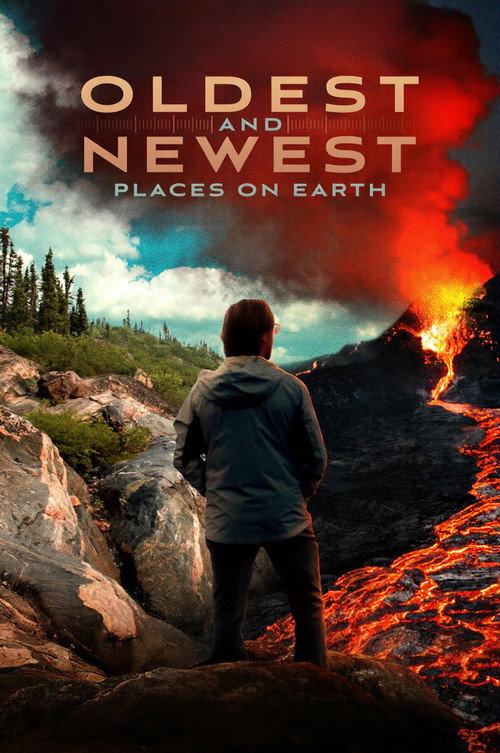
It all started with a simple question: Is it possible to travel to the oldest and newest places on Earth? YouTuber, author and filmmaker Joe Scott looked into it, and it turned into the trip of a lifetime. It's a journey across 4 billion years of geologic history that explores the past and present of our remarkable planet, the absurd immensity of deep time, and our tiny but important place in it.
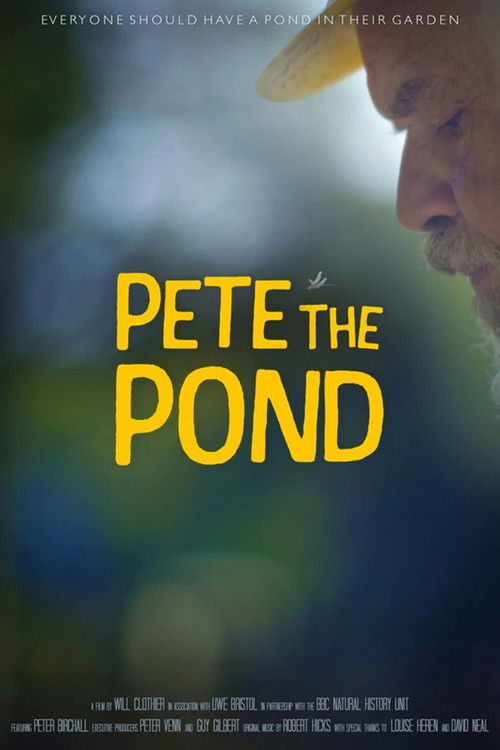
Pete the Pond has spent the last 20 years trying to return Britain's aquatic wildlife to its former glory. Despite his best efforts, the abundance of creatures he remembers from his childhood are quickly disappearing. As he sets out to build yet another wildlife pond in a British garden, a letter from his local council threatens to destroy his life's work.
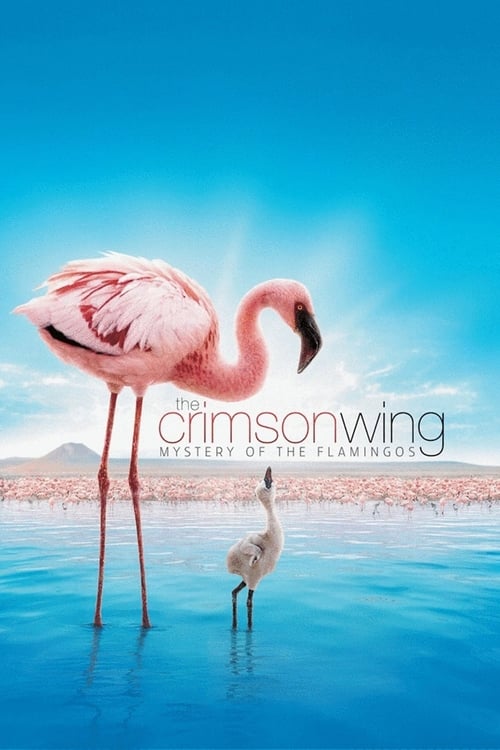
In the remote and forgotten wilderness of Lake Natron, in northern Tanzania, one of nature's last great mysteries unfolds: the birth, life and death of a million crimson-winged flamingos.
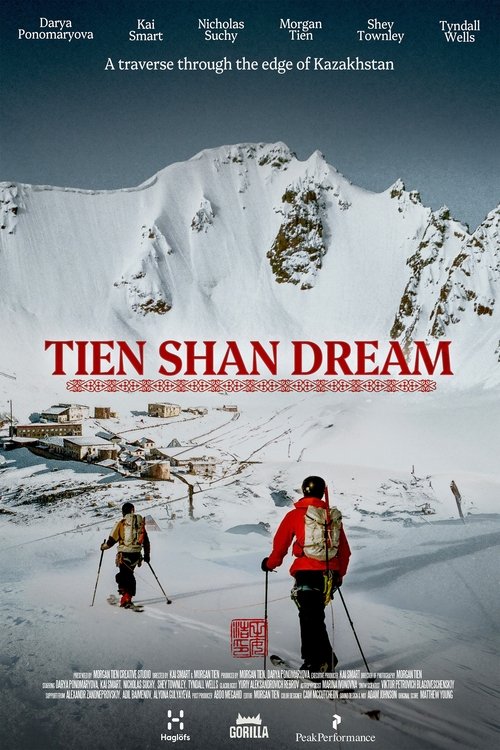
A team of international skiers embark on a two-week glacier traverse connecting two remote research stations in Kazakhstan. The Tien Shan's 4000+ meter peaks host an active scientific community, leveraging the rare environmental conditions for groundbreaking research. Established during the Soviet Union's occupation, the high-altitude research stations here are home to some of the longest-standing glacier and cosmic radiation experiments in the world - and are surrounded by deadly alpine terrain.
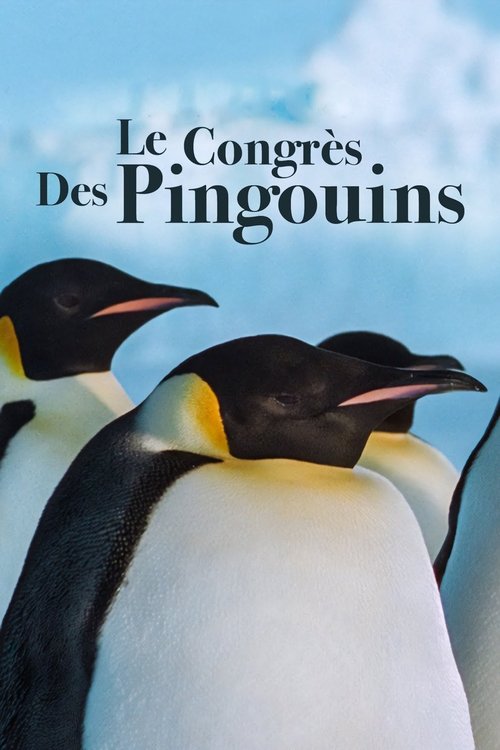
The real place where the penguin congress takes place is also the most fictional place on this planet where you can stand on your own two legs. Here, even the animals can talk. This land of dreams and nightmares is called Antarctica. In this desert of ice surrounded by a stormy sea, a few dozen human beings also live. Using sophisticated instruments, they observe the worrying changes affecting our world: the hole in the ozone layer, climate change, and so on.
What happens when a world that relies on traffic and the logistics that allow it comes to a standstill? What happens when sickness and even death are taken from us?
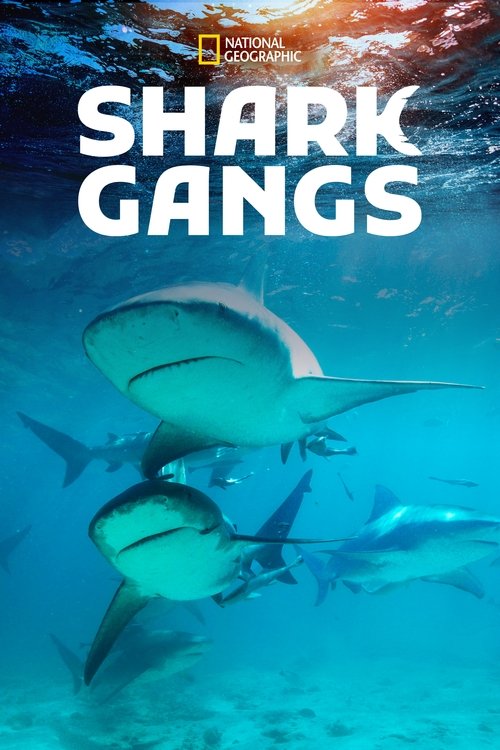
Scientists have discovered and investigate the reason behind the behavior of sharks swimming around in gangs even though they are viewed as solitary predators.
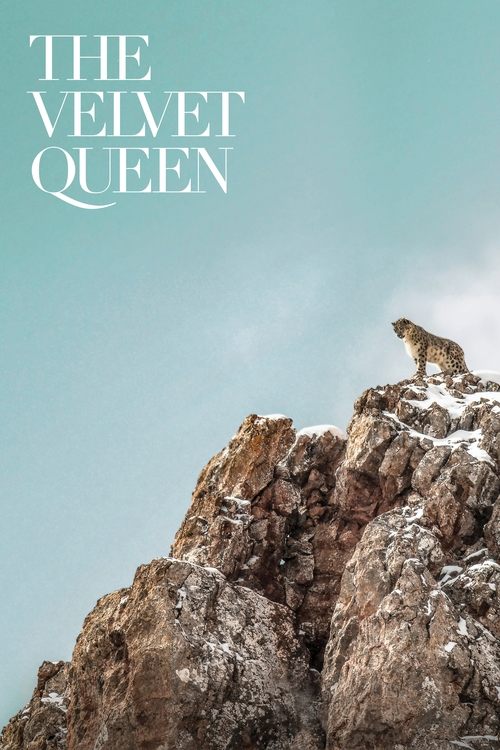
High up on the Tibetan plateau. Amongst unexplored and inaccessible valleys lies one of the last sanctuaries of the wild world, where rare and undiscovered fauna lives. Vincent Munier, one of the world’s most renowned wildlife photographers takes the adventurer and novelist Sylvain Tesson (In the Forest of Siberia) with him on his latest mission. For several weeks, they’ll explore these valleys searching for unique animals and try to spot the snow leopard, one of the rarest and most difficult big cats to approach.
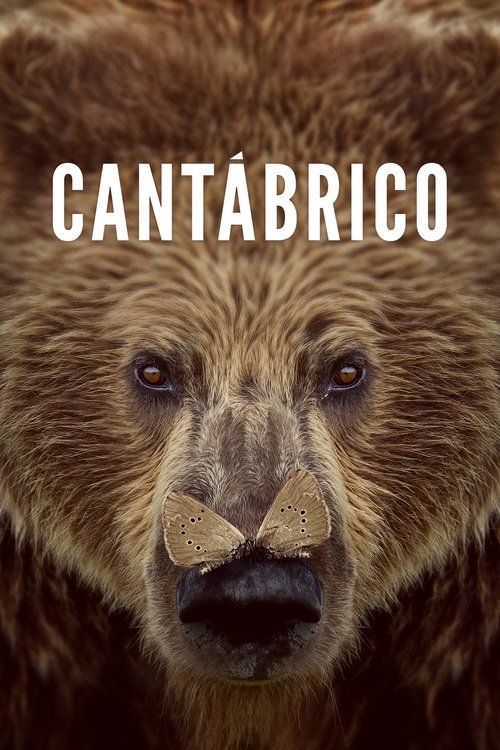
Spreading about 400 km in parallel to the Cantabric Sea, the Cantabrian Mountains, located North to Spain are a natural top wall full of animal and vegetable life that live in an extreme conditions across any year. Making a review along the four seasons, the documentary examines the situation and the relation of the different species, focusing in the brown bear's life in addition with the salmons travel along of thousand kilometers to return home to spawn, showing too the difficult of a landscape where danger is everywhere, including in the smallest size. A fascinating travel for revealing the wonder of nature.
This short live-action film tells the story of a little raccoon who encounters many adventures when he strays from home to explore the world.