In the mountains of western Fujian, mushrooms emerge in large numbers after rain. Hakka people pick mushrooms up the mountain with baskets at three or four o 'clock in the morning. The process of picking mushrooms is also the process of harvest.
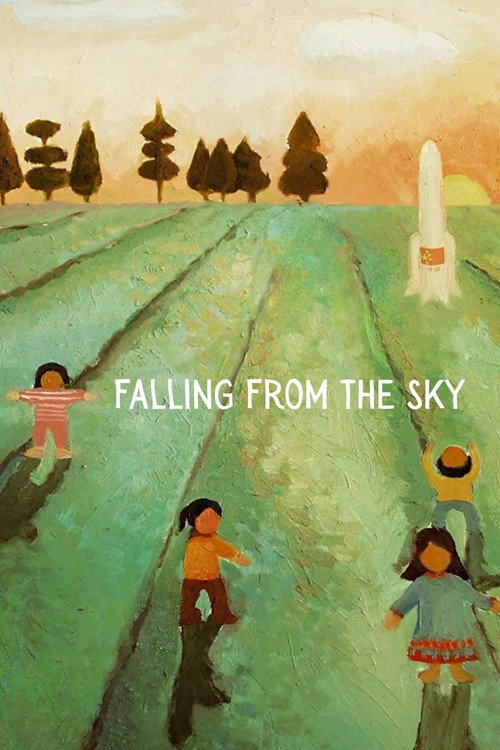
The little-known Hunan Suining County is an ordinary but full of magical places. As the theoretical point of the rocket wreckage launched by the Xichang Satellite Launch Center, it has greeted the rocket wreckage from the sky dozens of times in the past 20 years since 1990. This mysterious and dangerous “out-of-town visitor” broke the poor and peaceful life of the 160,000 locals in the jurisdiction. 2008 is China's "Olympic Year" and "Aerospace Year." The people of Suining, like the people of the whole country, are looking forward to the Olympics to pay attention to the Olympics and are proud of the growing strength of the comprehensive national strength including aerospace strength. They also have to bear the fate of falling from the sky.
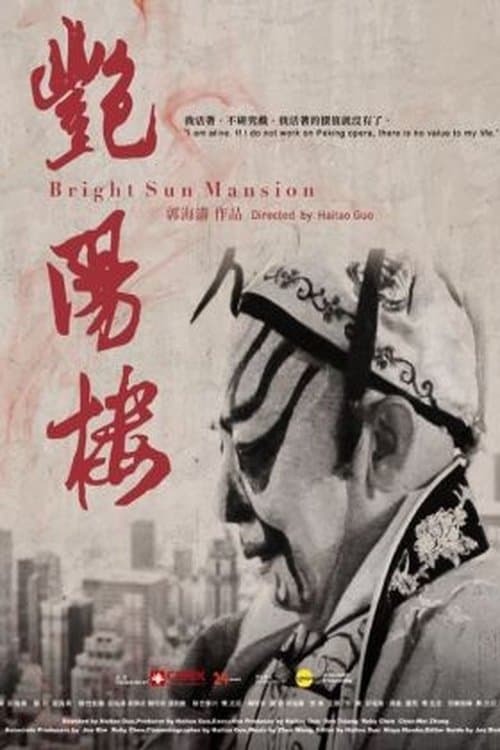
Legendary Peking Opera master, Yuling Fang, emigrates to New York where he works in a nail salon. Realizing there is no one to inherit his legendary skills, he decides to mount an amateur production in order to keep alive the vanishing world he loves.
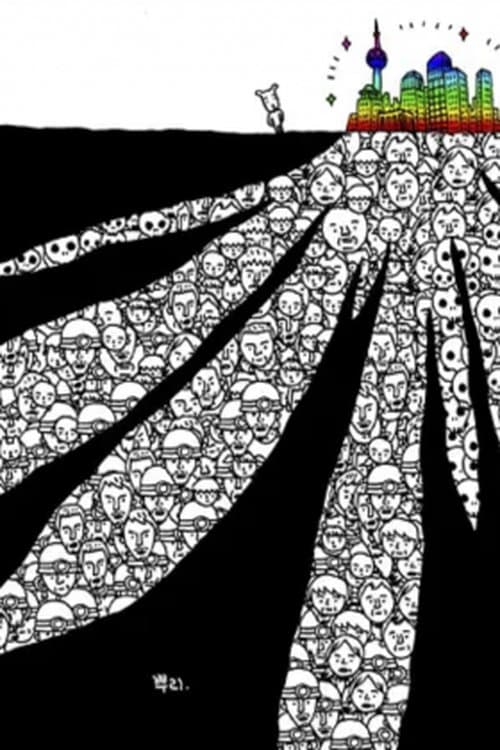
Datong, the mining capital of the Shanxi province. Bai Budan interviews miners, the invisible auxiliaries of Chinese society in the throes of change.
Springtime, Maoshan Town, Taizhou Shi, north Jiangsu Province in China. As the villagers of Maoshan prepare for their annual temple fair to pay their respects to Chairman Mao, tempers are reaching boiling point. Organizing this festival is a not easy matter, as director Jin Shifang will attest. Not only does he have to deal with wayward loudspeakers and corrupt police, but he also has to put up with infighting and subordinates just waiting for him to make a wrong move. This observational film captures the lives of ordinary people in rural China caught in changing times, letting audiences to think it over.
The experience and reflections of a red guard. Every time after a political disaster, most people are turned into victims of the disaster. The individual actions of the victims in the disaster are always overlooked. These actions overlooked ran through the entire process of the disaster. The entire process of the disaster turns most people into victims of the disaster. In every political disaster……
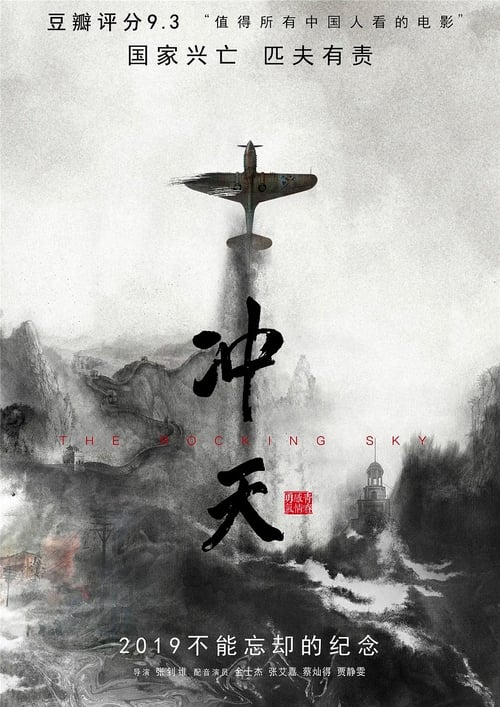
To commemorate the 70th anniversary of the victory of WWII, this documentary film describes the eight years of dauntless air-force fighting of the republic of China during the Anti-Japanese War, with only 300 combat-capable aircraft from China while Japan had over 2000.
What happens when 300 lesbians from around the world attend the largest United Nations conference? How did two busloads of lesbians headed to an underground nightclub help spark the birth of a lala (LBT) movement in China? At the 1995 Fourth World Conference on Women in Beijing, the first ever lesbian tent at an UN NGO Forum was created. Emerging from hidden shadows of shame and invisibility, Chinese lalas began a hard-fought path of deliverance from themselves, from family, and from an apprehensive environment. In doing so, they sought empowerment and change as they explored concepts and issues from self-affirmation to rights consciousness. The film powerfully moves forward to the present day and shows the drastic change in today’s young feminist lalas – their challenging of sexism and homophobia with daring public street actions on subways – a parallel action to their forerunners in 1995, with much vigor and defiance 20 years later.
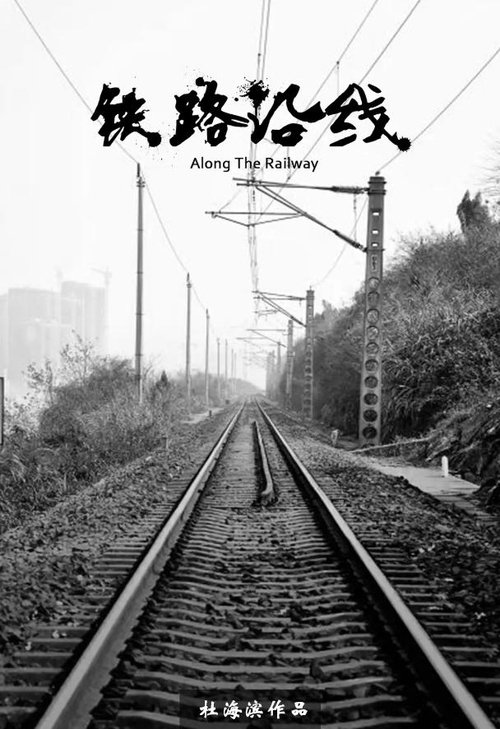
This important, patient documentary follows a year in the life of the sidings dwellers who eke out a living, begging, foraging, stealing and sleeping rough near the Baoji railway station in Shaanxi.
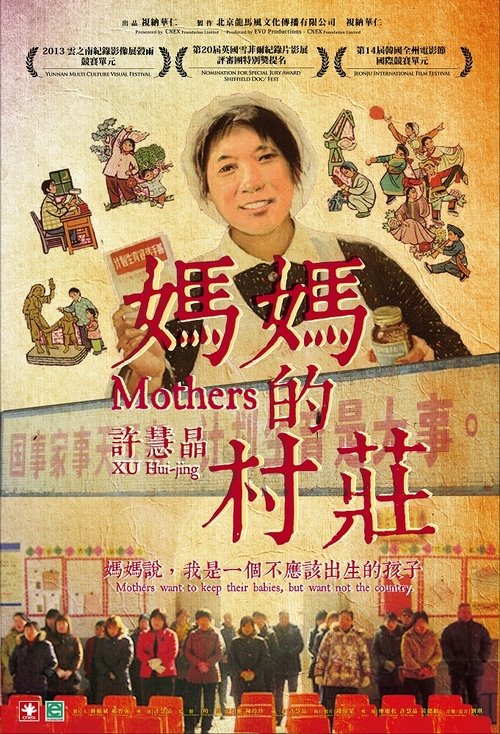
In rural China, the job of enforcing the Communist Party's one-child policy falls on government bureaucrats tasked with imposing fines, birth control, and forced sterilizations. Xu Huijing documents this process in his native village of Ma, following the tenacious efforts of the local birth control chief during an increased sterilization quota period, revealing the absurd and tragic local consequences of high-level government policy. (Chicago International Film Festival)
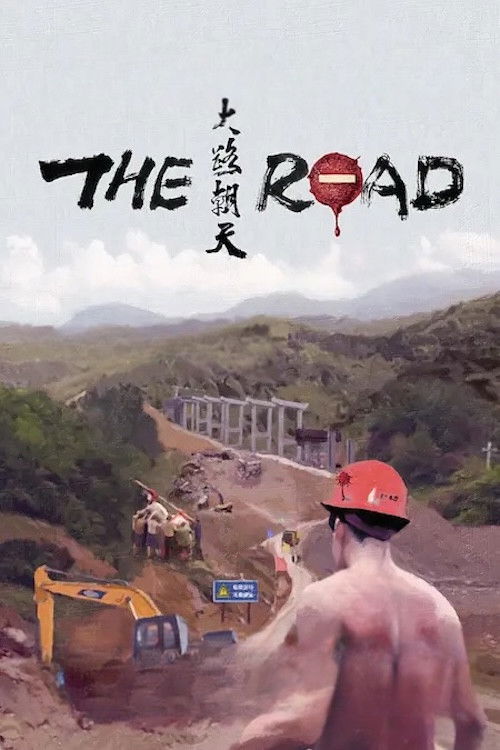
A highway is waiting to go through a quiet village in Hunan, a province in central China where Mao was from. Due to the high cost of construction, construction companies and migrant workers who live on road work rush to here like the tide. In the following four years, they root in this strange place for interests, paying sweat and blood, even their lives. With their arrival, local village and peasants are forced to change their lives. Many hidden interest lines and hidden rules about road construction of the nation are unveiled, together with the shocking truth and emerging secrets.
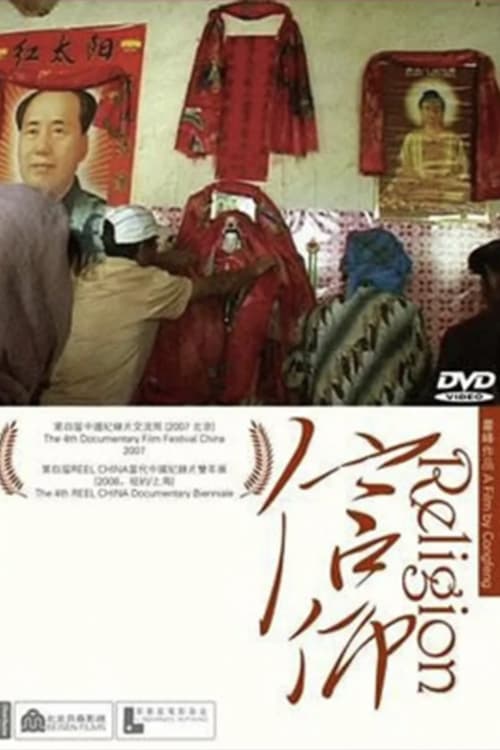
Huangyangchuan township, Gulang County, Gansu province. In a village, two members of a family died in accidents in a short period. People took it seriously, they decided to rebuild the old temple in the village, hoping it could bless them with peace. In the ceremony after the rebuilding was finished, the figure of Buddha, the picture of Chairman Mao, the Taoist and the country shamen, gathered together…This film documented the details of this ceremony, hoping to reveal the common status of Chinese people’s religion.
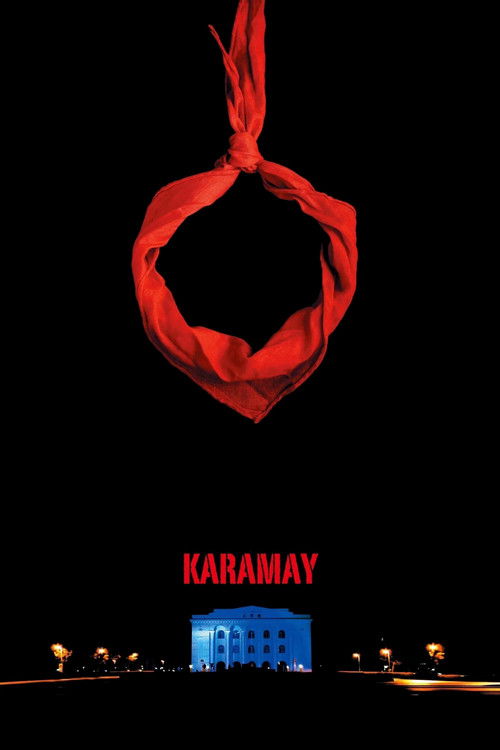
In 1994, the oil-rich city of Karamay in Northwest China was the site of a horrible fire that killed nearly 300 schoolchildren. The students were performing for state officials and were told to stand by while the officials exited first. After the fire, the story was heavily censored in the Chinese state media. To this day, the families of Karamay have not been allowed to publicly mourn their children.
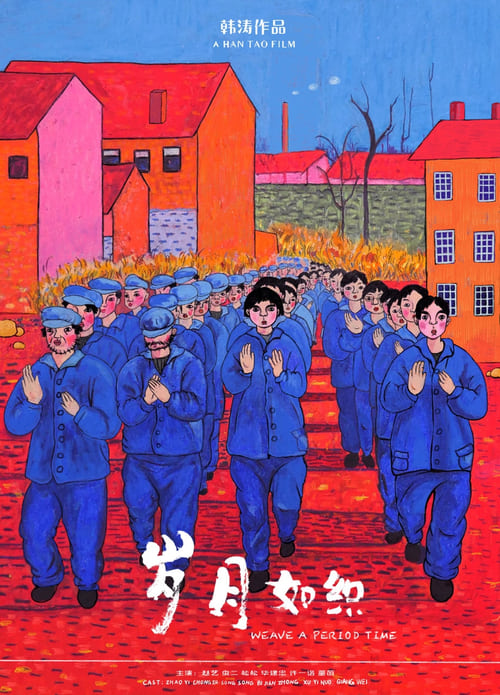
Han Tao’s latest film is set in a textile factory of the 1970s. Chong Er, a worker there, is in love with newcomer Xiao Lan and pursues her. They get married, but the happy time does not last long. Chong Er was executed, allegedly for breaking the law. More than 30 years later, the textile factory is closed down. The truth behind the case is finally revealed, but time has diluted everything and changed everyone’s visage. The film attempts to reconstruct the mental state of that generation, even though the workers and everything in the factory have been forgotten. Once upon a time, there were so many energetic lives that worked and lived there. The confining space was everything they had – where life began and ended, becoming eternally trapped in memories.
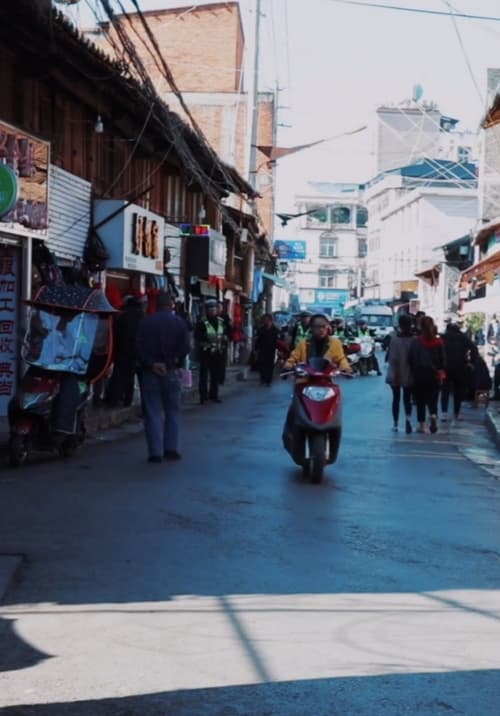
In Luxi, a county in southeastern Yunnan Province, someone’s corpse was burned. The parents of the murdered man don’t know the truth and have been waiting for their son to return home. A nomadic female poet comes to Luxi to shoot a documentary and hears about the story. A few days later, she leaves the man she met on the road without saying goodbye, and the reason is written into a verse: "One person blocks the wind so that other clouds can see the rain in the afterlife. We’ve been stuck in it.” The vicissitude of life can be sensed from the ancient street in Luxi.
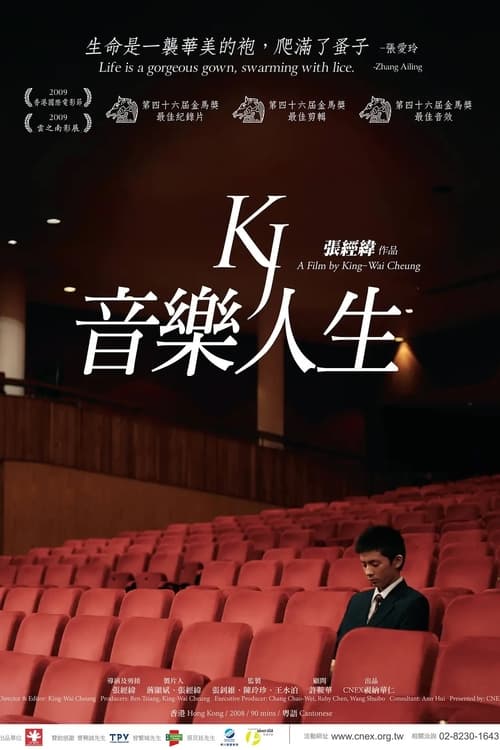
KJ is a biography of a HK musical genius. At the age of 11, KJ won the Best Pianist price and went to Czech to perform with a professional orchestra. Touching on subjects such as the meaning of life, God and the artistic process, the director’s 6-year-conversations with KJ reveal how a young man inspires by his music teacher, Nancy Loo and how he conflicts with his peers and parents. KJ is not about the victory of a genius, but how he learns to be a "human being".
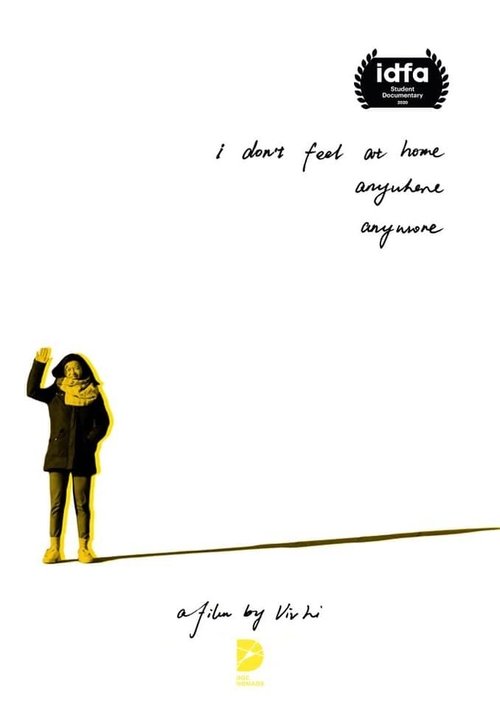
A wistful but witty account of a trip to Beijing by filmmaker Viv Li, a Chinese art student who has been living abroad for ten years. Her stay with her family mercilessly exposes how uprooted she has become by her life abroad.
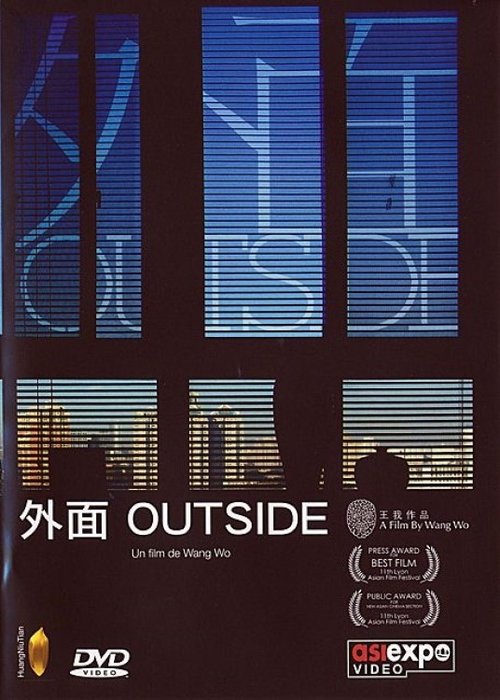
Wang Wo’s experimental documentary takes the direct cinema approach to the realm of avantgardism, immersing the viewer in a non-narrative, highly sensory experience of urban China in its visual and aural splendor.
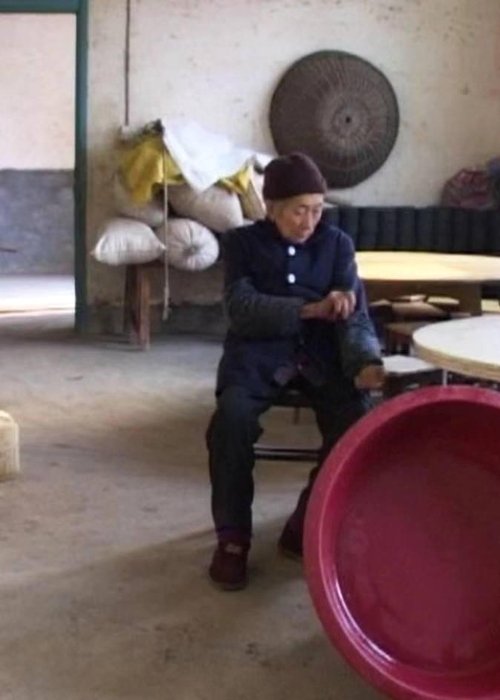
Zhang Ming went back to hometown to visit his aunt.
Some memories from a painter.
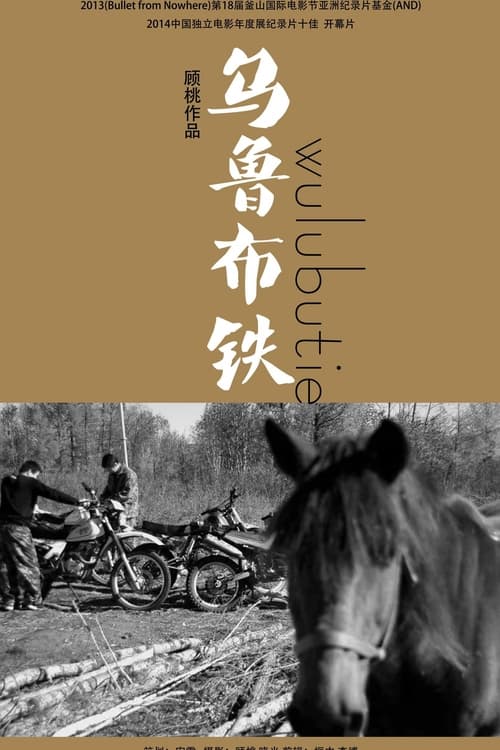
Gei Libao, the former Olunchun hunter raised more than 100 Hunting horses in the traditional way. Although hunting was banned, Libao occasionally went into the mountains, not for hunting, but for the ancestors' hunting culture. Libao's son Liang Liang and his partner are inseparable from the forest, and are more enthusiastic about modern extreme sports. They have formed an off-road motorcycle team, which is consuming the youth of the mountain. One day in summer, Libao's horses was hit by a poacher's bullet, which caused a series of cultural collisions.