Cécile Aenishaenslin
as Self
Alexander Culley
Mélissa Généreux
Claudel Pétrin-Desrosiers
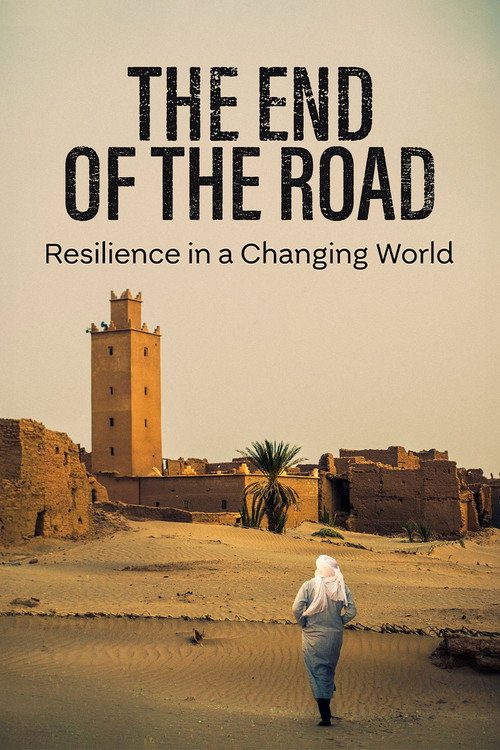
In the shadow of the expanding Sahara, 'The End of the Road' unveils the battle of a Moroccan village against desertification and water scarcity.
From far up, humans look like ants. Or like a virus, driven by consumption and mass production, attacking the earth's resources.
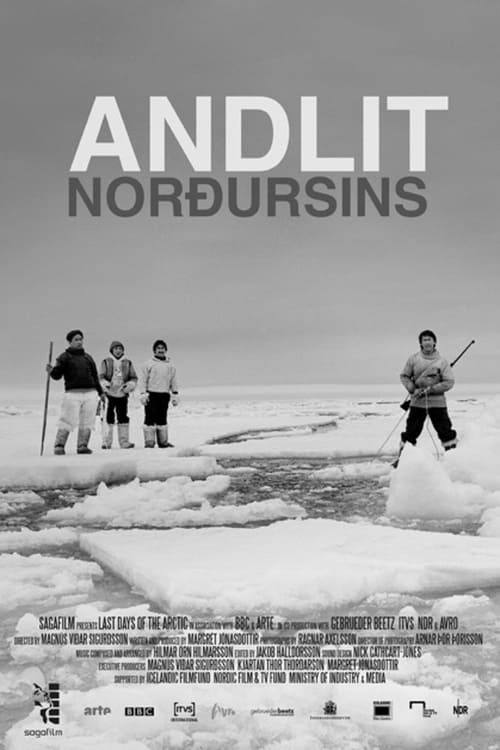
Ragnar Alexsson, a.k.a. RAX, is among the most celebrated photographers in the world. His series Faces of the North are a living document of the dying cultures of the far northern reaches of the planet. His photo essays of farmers and fishermen in Icleand, and of the great hunters of Greenland give an amazing insight into everyday life of people who struggle a daily battle with the Arctic nature. A celebration of the photographer and his subjects, Last Days of the Arctic is an elegy for a disappearing landscape and the people who inhabit it.
The vital role turf has played in Ireland, and the battle that ensued when the EU tried to stop Irish people cutting turf.
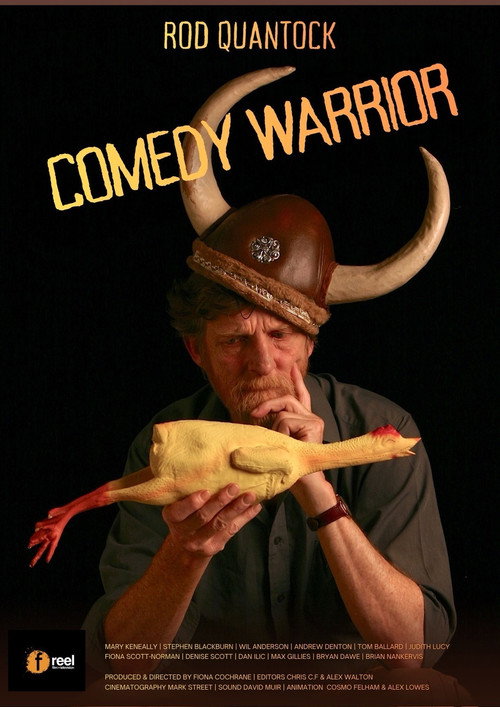
This feature documentary charts Rod Quantock’s five-decade career and his tireless efforts to communicate the perils of neoliberalism and the urgency of climate change through humour. His journey illustrates the building of the thriving comedy landscape we take for granted today, showcasing a man who has remained steadfast in his pursuit of truth in an hilarious fashion.
A cinematic and introspective look at the residents of a Quebec town—once the site of the world's largest asbestos mine—as they grapple with their community's industrial past. Striving to honour their heritage while reconciling with their history and forging a new path forward, the miners delve into the intricacies of progress and healing.
An exploration of built and natural environments along the 800-mile length of the Trans-Alaska Pipeline.
Wilder than Wild reveals how fire suppression and climate change have exposed Western forests to large, high intensity wildfires, while greenhouse gases released from these fires contribute to global warming. This vicious cycle jeopardizes our forests and affects us all with extreme weather and more wildfires, some of which are now entering highly populated wildland-urban areas.
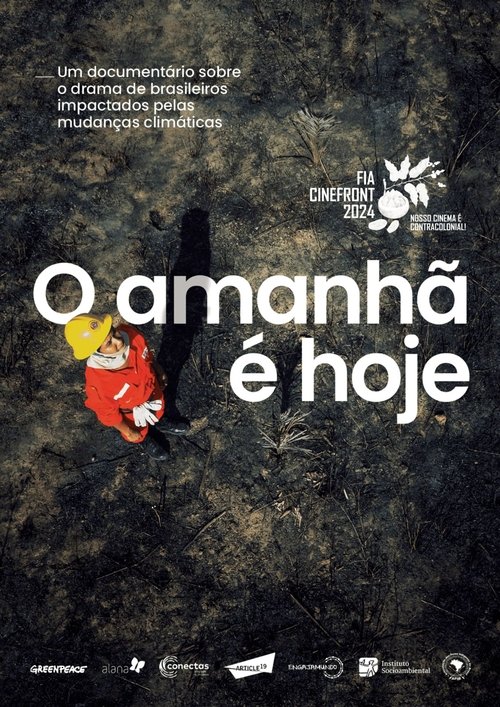
Nothing nor anyone can escape the impacts of climate change. People from all corners of Brazil, our cities and forests, our economy, our health and our dreams for the future. Six Brazilians, from five different states, tell how climate change has affected their lives. A young indigenous woman who became the leader of a volunteer fire brigade after an unprecedented forest fire; a small farmer who faced six years of drought; a centenarian caiçara community forced to move due to the advance of the sea; a retailer who saw his shop destroyed by rains and landslides that claimed hundreds of lives in Rio de Janeiro; an oyster farmer who suffered harsh losses due to rising sea temperatures; a woman from a coastal city who lost two cars to storm tides which are happening more and more often along the Brazilian coast.
More than two decades after the Clean Water Act was supposed to make America’s waters clean enough for swimming and fishing again, two iconic waterways — the great coastal estuaries of Puget Sound and the Chesapeake Bay — are in perilous condition. With polluted runoff still flowing in from industry, agriculture and massive suburban development, scientists fear contamination to the food chain and drinking water for millions of people. A growing list of endangered species is also threatened in both estuaries. As a new president, Congress and the states set new agendas and spending priorities, FRONTLINE correspondent Hedrick Smith examines the rising hazards to human health and the ecosystem, and why its so hard to keep our waters clean.
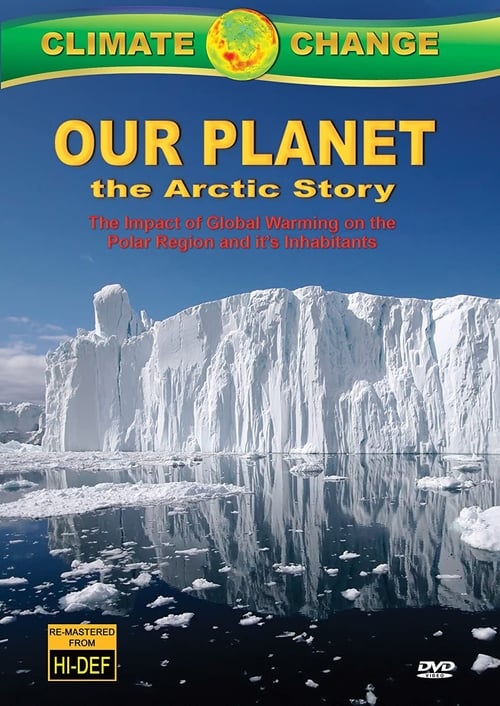
In the far North, in the late fall, at a time of year when it should be covered with ice, the sea remains frozen along the coast of Greenland. Glaciers are melting and shedding chunks of ice that are scattered across the ocean surface. The animals inhabiting the land and water are threatened by warming temperatures and loss of sea ice. Climate change is fundamentally altering the natural environment of Greenland and affecting the lives of its wildlife and indigenous people. Greenlanders, who have survived for generations by hunting, are now losing their prey and their traditional way of life. They are facing the stark reality of a warming climate and are trying to adapt. Until now, the Inuit people who were born in Greenland and know only their traditional life of hunting, have never thought of a different place, a different life, a different future. But now they must face the possibility of losing their ancient traditions and their prey along with the disappearing ice.
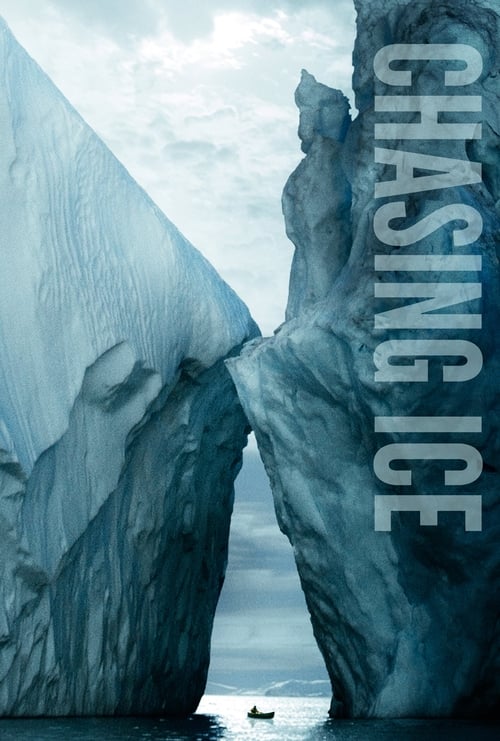
When National Geographic photographer James Balog asked, “How can one take a picture of climate change?” his attention was immediately drawn to ice. Soon he was asked to do a cover story on glaciers that became the most popular and well-read piece in the magazine during the last five years. But for Balog, that story marked the beginning of a much larger and longer-term project that would reach epic proportions.
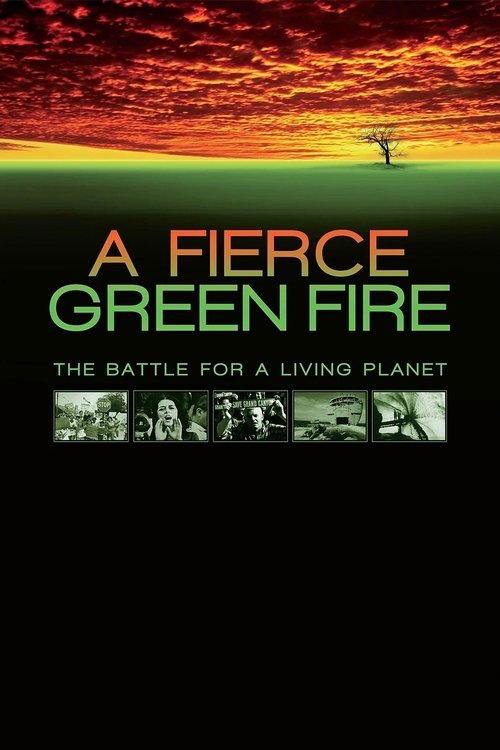
It is the largest movement the world has ever seen, it may also be the most important - in terms of what's at stake. Yet it's not east being green. Environmentalists have been reviled as much as revered, for being killjoys and Cassandras. Every battle begins as a lost cause and even the victories have to be fought for again and again. Still, environmentalism is one of the great social innovations of the twentieth century, and one of the keys to the twenty-first. It has arisen at a key juncture in history, when humans have come to rival nature as a power determining the fate of the earth.
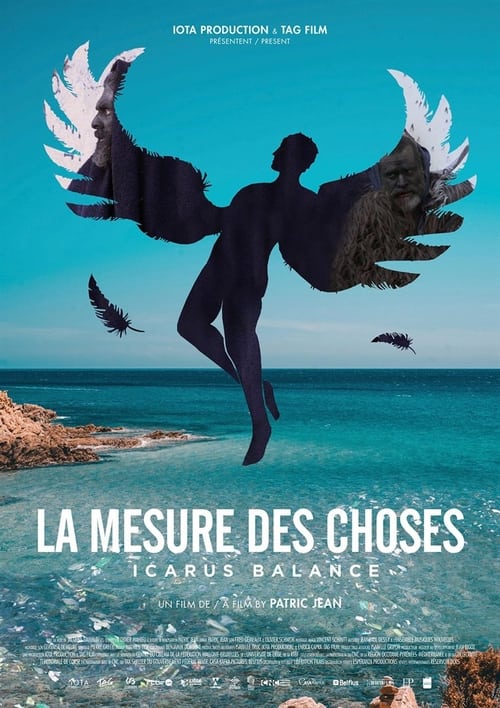
Political film essay in which events happening around the Mediterranean Sea are compared to the myth of Icarus.