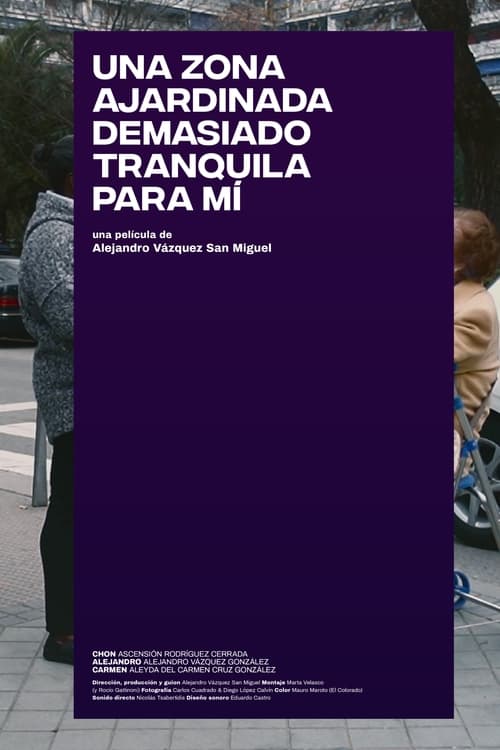
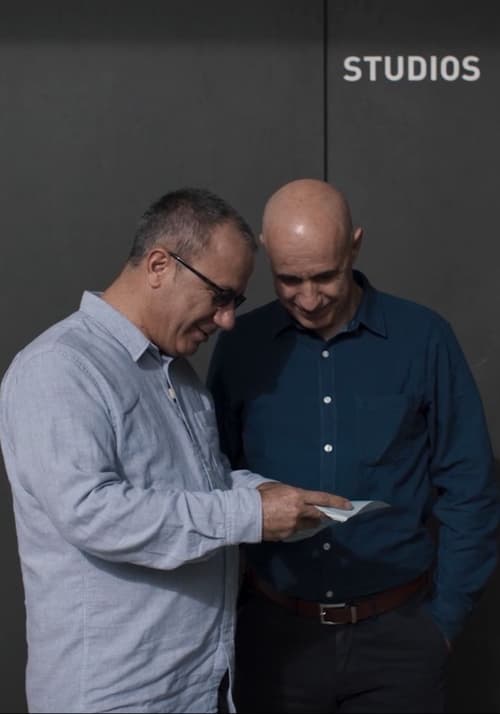
Focused on the experiences of Manuel "Manolo" Díaz Caballero, who was a local police officer in Malaga for more than 30 years, his memories of those years are the subject of this documentary.
Manuel Díaz Caballero
as Self
PJ Martínez
My grandfather Tuiu decides for the second time to leave his house and start a life elsewhere, he lives with the street hardships, and the fact of leaving is linked to the depredation of that place.
A woman returns to the site of her birth, which is now a funeral home. She drinks a white monster energy drink.
For three decades now, Qatar, this small desert kingdom, has not stopped being talked about; because of its financial power and the secrecy that surrounds it, the royal family that runs it fascinates as much as it frightens.
In 1972, officer Frank Serpico exposes the corruption which poisons the roots of the NYPD and becomes famous in 1973 when director Sidney Lumet tells his story in the classic film “Serpico,” starring Al Pacino.
A captivating and personal detective story that uncovers the truth behind the childhood of Michaël Prazan's father, who escaped from Nazi-occupied France in 1942 thanks to the efforts of a female smuggler with mysterious motivations.
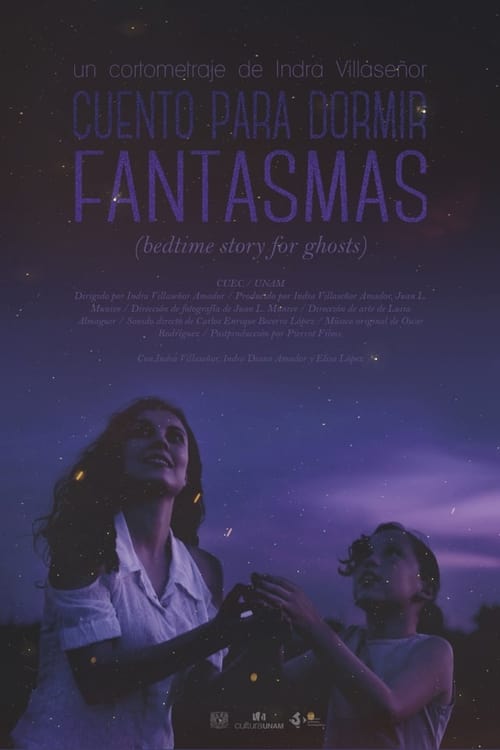
Memory prevents rest and a woman about to die takes advantage of cinema to tell her story (inseparable from that of Franco’s Spain) and to say goodbye. A terrace as a border and a song that crosses time. At home, nothing is always—and everything is still—in the present and defunct now. A home movie of ghosts, a generous gesture of intimacy and solidarity that not witnesses two people at the end of their long lives, but also reveals the weight of history and of the 20th century, which is always present today.
A Danish writer travels to Mexico with the purpose of locating a mysterious Apache tribe that fervently seeks to remain in obscurity.
Commentator-comic Bill Maher plays devil's advocate with religion as he talks to believers about their faith. Traveling around the world, Maher examines the tenets of Christianity, Judaism and Islam and raises questions about homosexuality, proof of Christ's existence, Jewish Sabbath laws, violent Muslim extremists.
Based on the book by Naoki Higashida, filmmaker Jerry Rothwell examines the lives of five non-speaking, autistic youngsters.
A cellar. A forgotten amphora. The ashes of a woman. Her granddaughter, daughter-in-law and son characterise her, entwining their memories and experiences. They reflect about filial love, gender and isolation through her overbearing nature.
A septuagenarian woman from St. Louis, Missouri has been a miniaturist, businesswoman, museum president, Girl Scout leader, teacher, student, mother, daughter, and most of all, an indomitable human spirit. Life is what you make it.
Ka Hoʻina documents members of Hui Mālama I Nā Kūpuna O Hawaiʻi Nei's final repatriation of over 140 sets of iwi kupuna and provides an intimate look into the legacy forged by these committed and passionate few, ensuring that Hawaiians will mālama or care for kupuna for generations to come.
The director explores the birth origins of actress Merle Oberon, traveling to Tasmania and India in search of the truth, but her quest ultimately results in probably more questions than it answers.
Documentary wants to be a call to recognize and enhance the best gastronomic-tourist tradition of our coast, the espeto, personified in its master of ceremonies, Manolín Gallardo.
The ninth opus of his Walker Films series, which was shot at Centre Pompidou.
Holger Diekmann was a singer, bass player, and drummer in multiple local bands throughout his short life. Filmmaker Jonas Helmerichs sets out to learn what kind of person his late uncle was. Intimate family portrait and exploration of grief, depression, and death.
It is normal for 15-year-old Linn to have two mothers. But when she finds out that there are still numerous siblings, she realizes that she is part of an extraordinary extended family. Her father Eike not only had an appointment with Linn's mothers to donate sperm, Petra and Anny also have three children with him. A film crew followed this rainbow family for twelve years.
At the peak of Perestroika, in 1987, in the village of Gorki, where Lenin spent his last years, after a long construction, the last and most grandiose museum of the Leader was opened. Soon after the opening, the ideology changed, and the flow of pilgrims gradually dried up. Despite this, the museum still works and the management is looking for ways to attract visitors. Faithful to the Lenin keepers of the museum as they can resist the onset of commercialization. The film tells about the modern life of this amazing museum-reserve and its employees.