Renée Carl
as Marie-Jeanne la lingère
René Navarre
as Roussot
Edmund Breon
as
Paul Manson
Georges Tréville
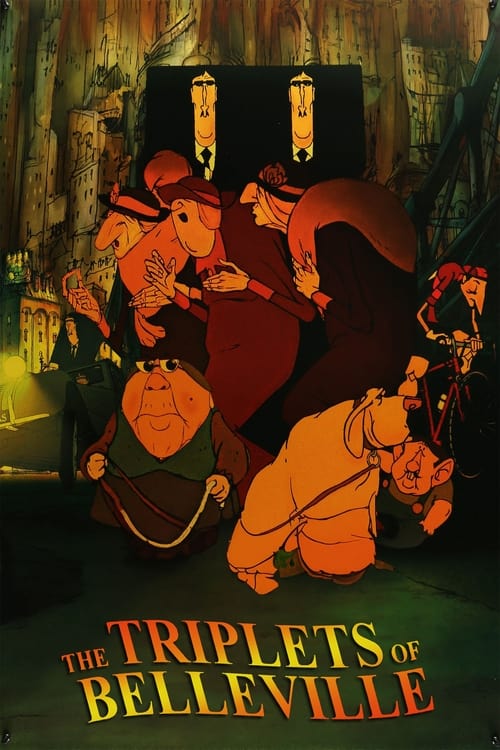
When her grandson is kidnapped during the Tour de France, Madame Souza and her beloved pooch Bruno team up with the Belleville Sisters—an aged song-and-dance team from the days of Fred Astaire—to rescue him.
During a game of hide and seek, a new bride hides in a chest and remains undiscovered until a strange visitation thirty years later.
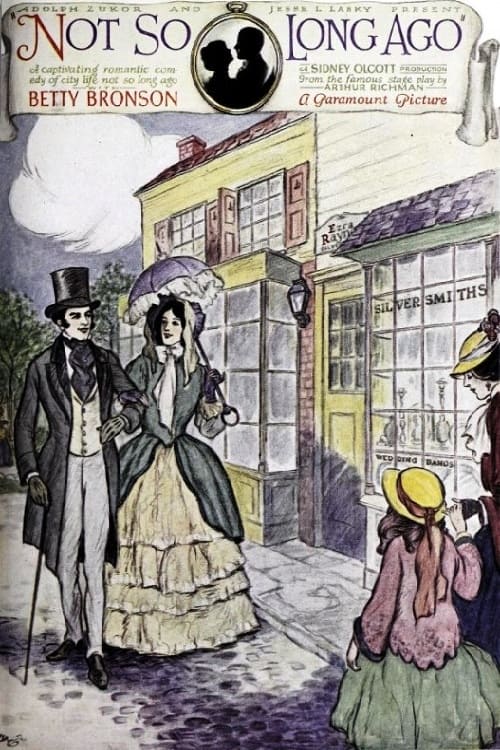
Against the backdrop of New York City of the early 1850s, a young woman -- naively seeking to win the love she reads about in the romance novels she devours -- finds one prospect in an earnest denizen of the Bowery, and another in an elegant young aristocrat. Focusing on the bygone era's fashions, the novelty of the bicycle-built-for-two, and an inventor's quest for the horseless carriage, the film gently stirs the audiences' nostalgia for simpler times.
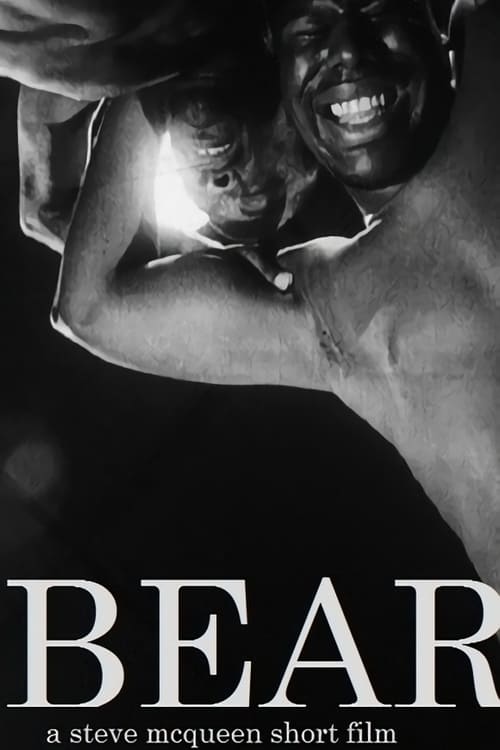
Bear (10 minutes, 35 seconds) was Steve McQueen's first major film. Although not an overtly political work, for many viewers it raises sensitive issues about race, homoeroticism and violence. It depicts two naked men – one of whom is the artist – tussling and teasing one another in an encounter which shifts between tenderness and aggression. The film is silent but a series of stares, glances and winks between the protagonists creates an optical language of flirtation and threat.
Danny O'Rourke is the son of a police officer who was killed in the line of duty. Eager to join the police force, Danny fails his exams. The failure causes him to neglect his sweetheart Maggie, whose father is a police lieutenant. His attentions turn instead towards society girl Miriam Welton. When Danny’s sister, Shannon, is arrested for shoplifting, Danny turns to boxing to save her. He works his way towards the championship but discovers the final bought has been rigged. Danny fights anyhow and he is beaten, but it is discovered that a mistake had been made on his exams and he actually was eligible to join the police force after all. Considered a lost film.
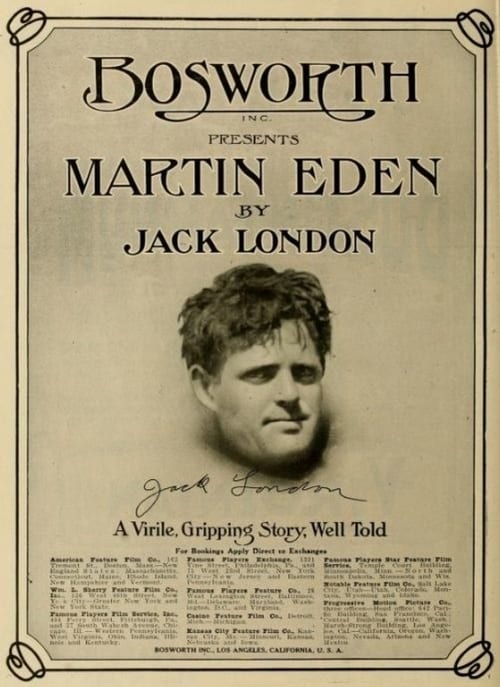
The tale of an individualist proletarian in a time marked by the rise of mass political movements. In early 20th-century Italy, illiterate sailor Martin Eden seeks fame as a writer while torn between the love of a bourgeois girl and allegiance to his social class.
A man with an umbrella emerges from his grave to be momentarily reunited with his lost loved one.
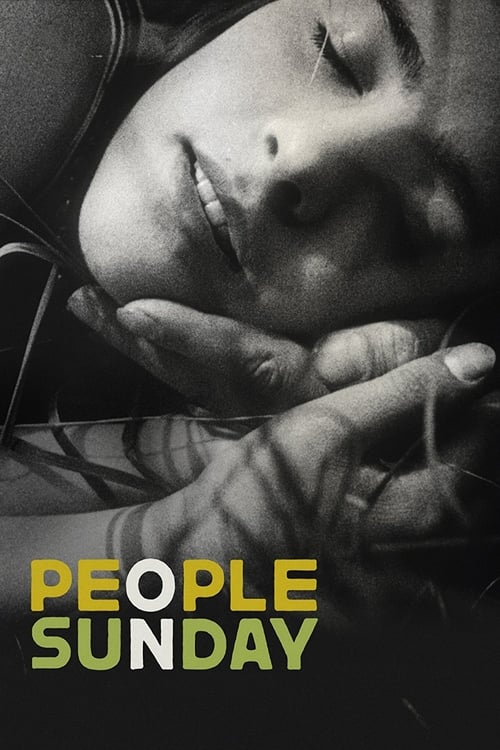
A semi-documentary experimental 1930 German silent film created by amateurs with a small budget. With authentic scenes of the metropolis city of Berlin, it's the first film from the later famous screenwriters/directors Billy Wilder and Fred Zinnemann.
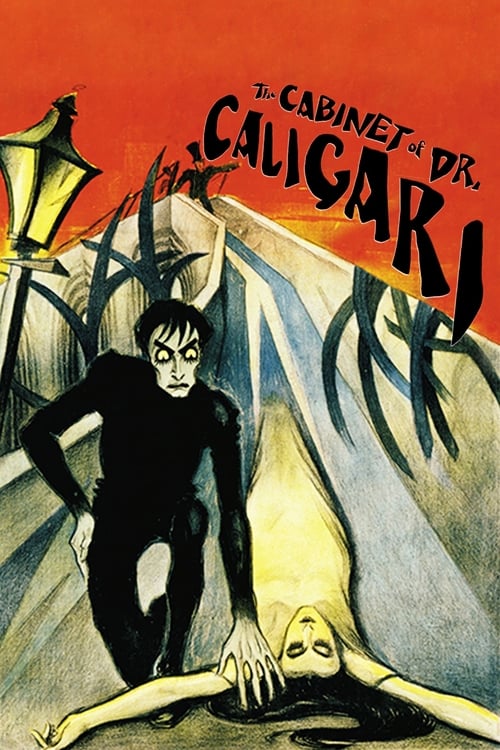
Francis, a young man, recalls in his memory the horrible experiences he and his fiancée Jane recently went through. Francis and his friend Alan visit The Cabinet of Dr. Caligari, an exhibit where the mysterious doctor shows the somnambulist Cesare, and awakens him for some moments from his death-like sleep.
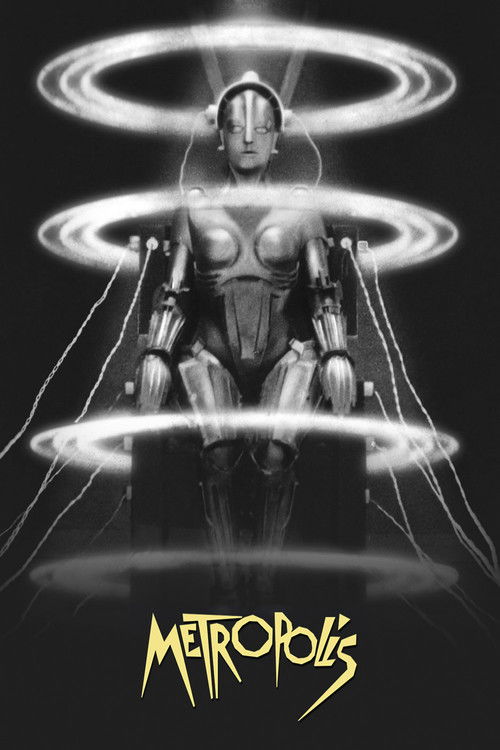
In a futuristic city sharply divided between the rich and the poor, the son of the city's mastermind meets a prophet who predicts the coming of a savior to mediate their differences.
Victor Stowell, son of the deemster of the Isle of Man, is engaged to Fenella Stanley. He becomes involved in an intrigue with local girl Bessie Collister, becomes the deemster on his father's death, and is forced to try Bessie for killing her illegitimate child.
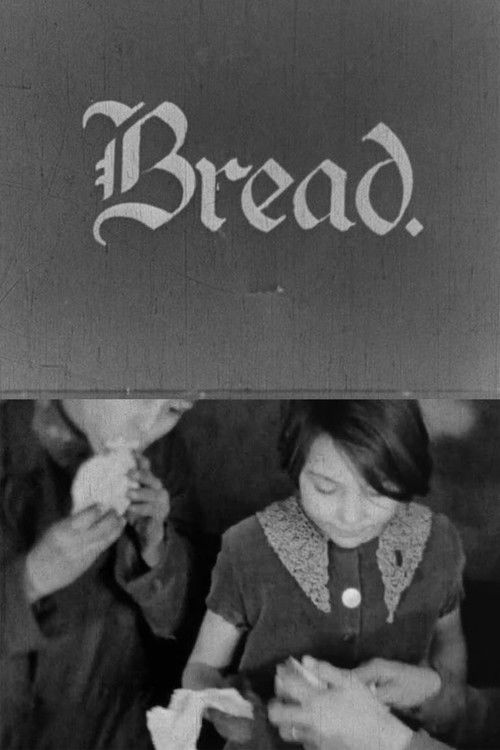
Life on the breadline in the 1930s was hard enough, but times were desperate when you fell beneath it. Hunger marches organised by the National Unemployed Workers' Movement drew attention to the cause, but this left-wing collective picked up a cine-camera. The fictional story at the heart of the film is somewhat melodramatic, but the authentic surroundings give its message realism and weight.
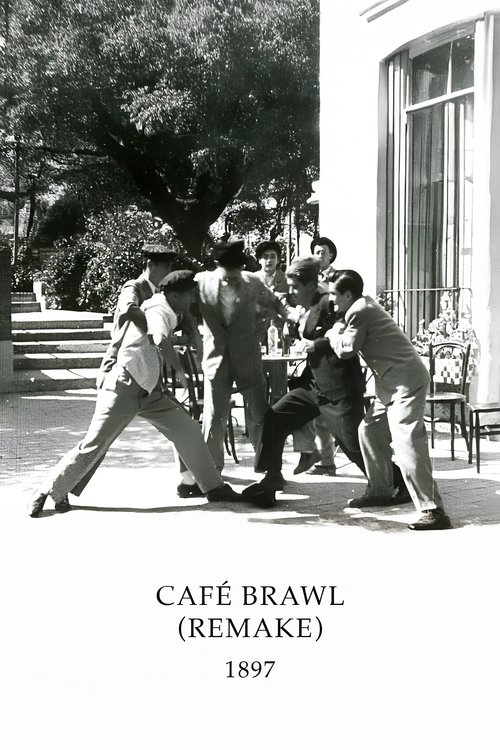
1952 reconstruction of Gelabert’s Café Brawl (1897). This remake is the only surviving version, recreating the original lost film’s café fight scene.
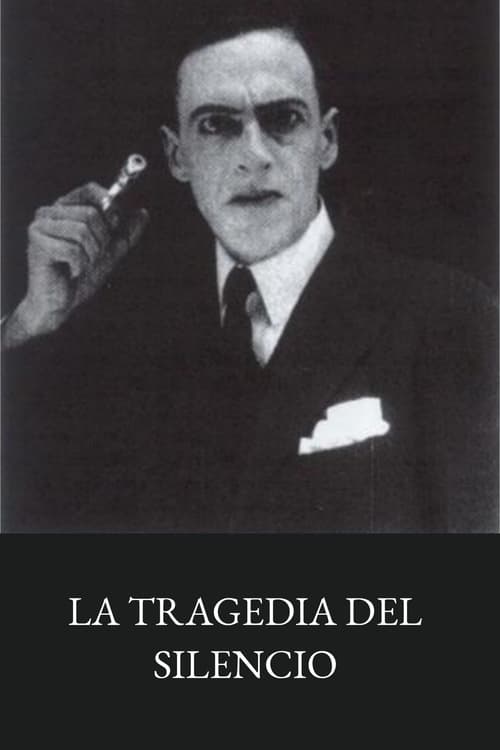
Due to an unfortunate mistake with laboratory samples, a young husband is diagnosed as suffering from the terrible disease of leprosy. In his distress he decides to leave home.
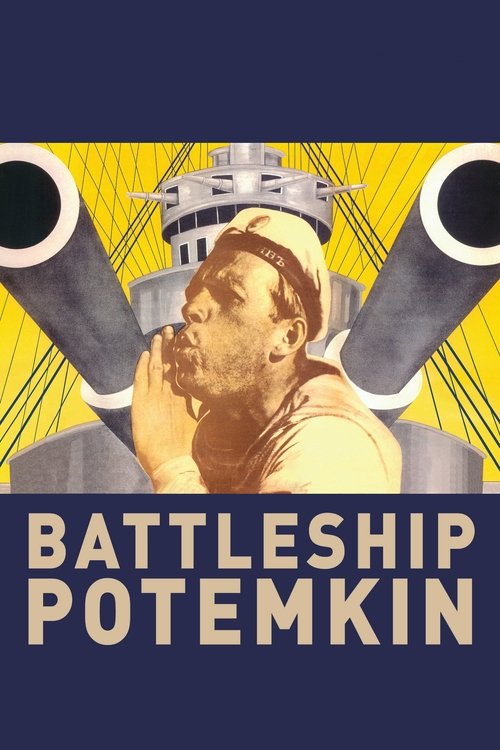
A dramatized account of a great Russian naval mutiny and a resultant public demonstration, showing support, which brought on a police massacre.
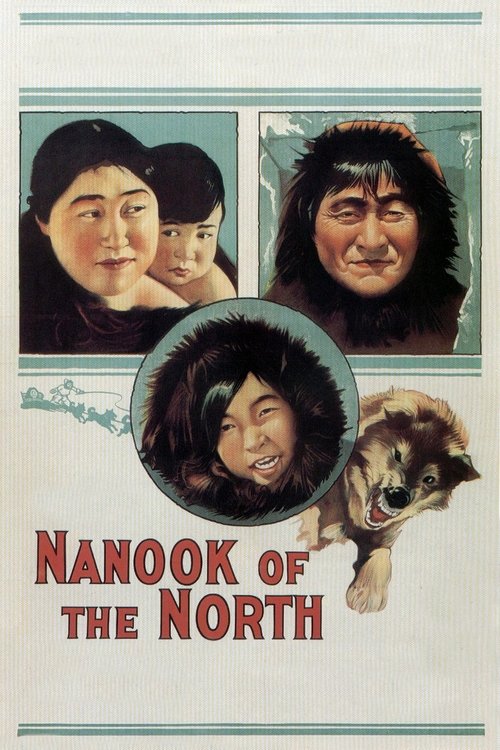
This pioneering documentary film depicts the lives of the indigenous Inuit people of Canada's northern Quebec region. Although the production contains some fictional elements, it vividly shows how its resourceful subjects survive in such a harsh climate, revealing how they construct their igloo homes and find food by hunting and fishing. The film also captures the beautiful, if unforgiving, frozen landscape of the Great White North, far removed from conventional civilization.
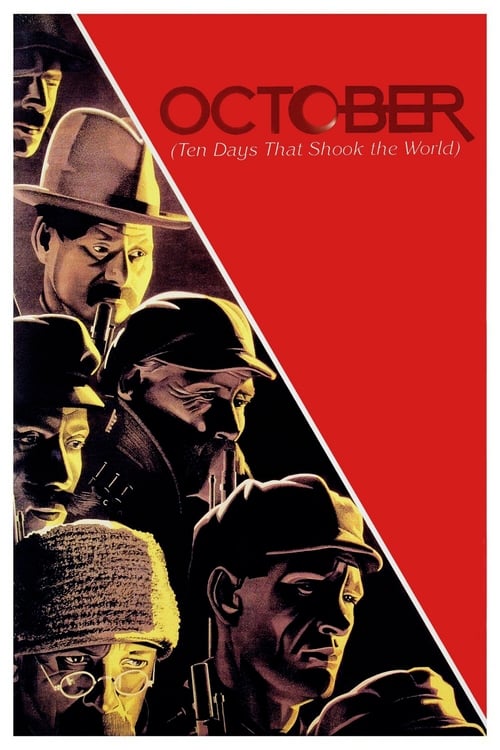
Sergei M. Eisenstein's docu-drama about the 1917 October Revolution in Russia. Made ten years after the events and edited in Eisenstein's 'Soviet Montage' style, it re-enacts in celebratory terms several key scenes from the revolution.