In this new video essay, filmmaker Alexandre O. Philippe delves into the dread-inducing mood and tone of Kiyoshi Kurosawa’s modern horror classic Cure, deploying a dizzying range of cinematic references to unravel the film’s eerie magic.
Alexandre O. Philippe
as Narrator
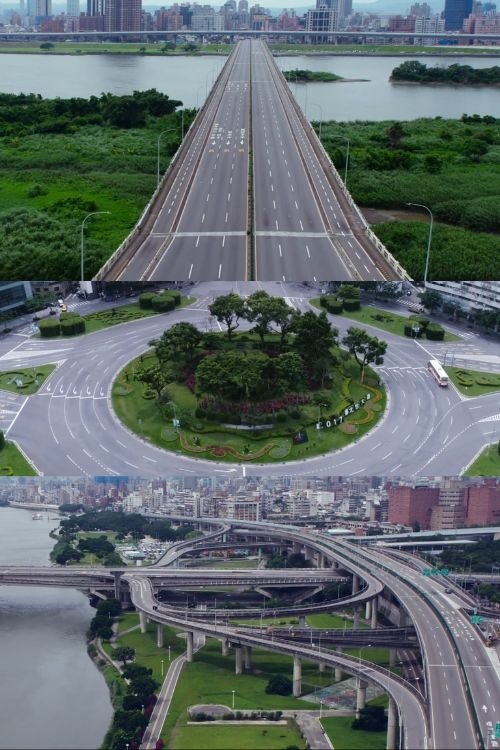
Everyday Maneuver is a video that presents the viewer with an unrealistic scenery. Shot from a drone, it shows a city at daytime, but there isn't a single human being in it. What seems disconnected from everyday life, and as artificial as a landscape created with computer graphics, is in fact a recording that was made during one of the annual "Wanan Air Raid Drills" that have been implemented in Taiwan since 1978.
A personal meditation on Rumble Fish, the legendary film directed by Francis Ford Coppola in 1983; the city of Tulsa, Oklahoma, USA, where it was shot; and its impact on the life of several people from Chile, Argentina and Uruguay related to film industry.
A sitting man listens to his thoughts, but can't catch any of them.
Every encounter with an image, every interaction searches for its own form. She is the other gaze is a collaboration with five female visual artists of an older generation who have been part of the Viennese art scene since the 1970s and engaged in the women's movement. In dialogue with the filmmaker Renate Bertlmann, Linda Christanell, Lore Heuermann, Karin Mack and Margot Pilz share their early works and artistic practices. They remember how their self-determination evolved between artistic ambitions, economic constraints, adaptation and resistance to the prevailing patriarchal social structures. In their role as feminist pioneers, the protagonists are a great influence on the contemporary art scene and the self-understanding of younger artists today. With their voices and narratives, they become collaborators passing on feminist thinking and artistic experiences.
A tribute to a fascinating film shot by Alfred Hitchcock in 1958, starring James Stewart and Kim Novak, and to the city of San Francisco, California, where the magic was created; but also a challenge: how to pay homage to a masterpiece without using its footage; how to do it simply by gathering images from various sources, all of them haunted by the curse of a mysterious green fog that seems to cause irrepressible vertigo…
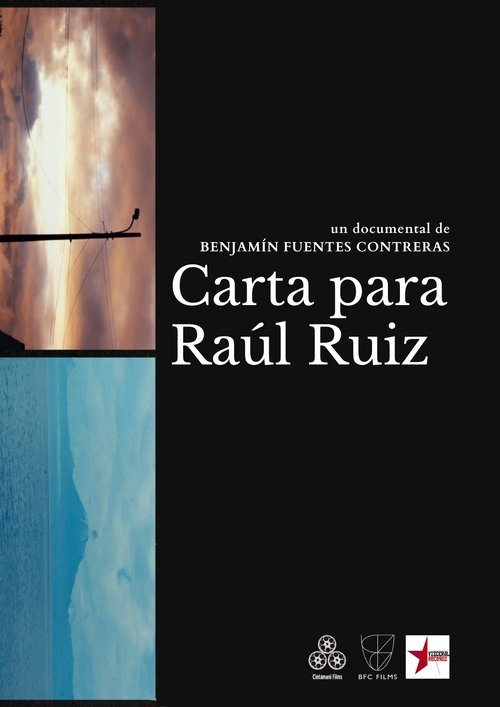
Benjamín trips to the south of Chile with his family and shots a visual letter to deceased filmmaker Raúl Ruiz.
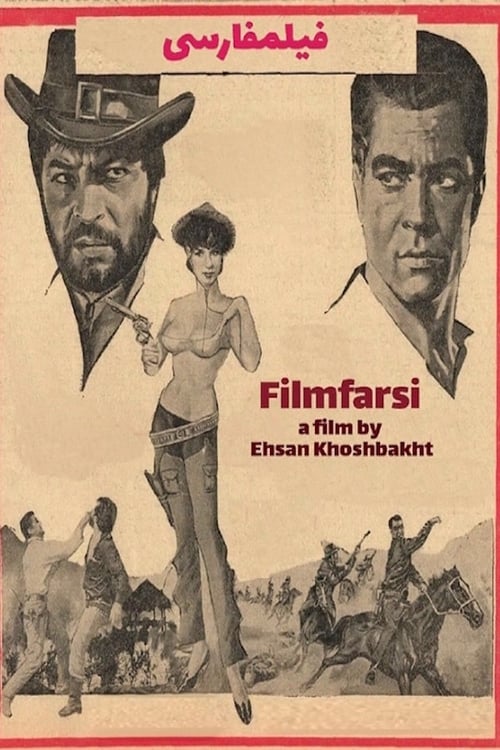
A found-footage essay, Filmfarsi salvages low budget thrillers and melodramas suppressed following the 1979 Islamic revolution.
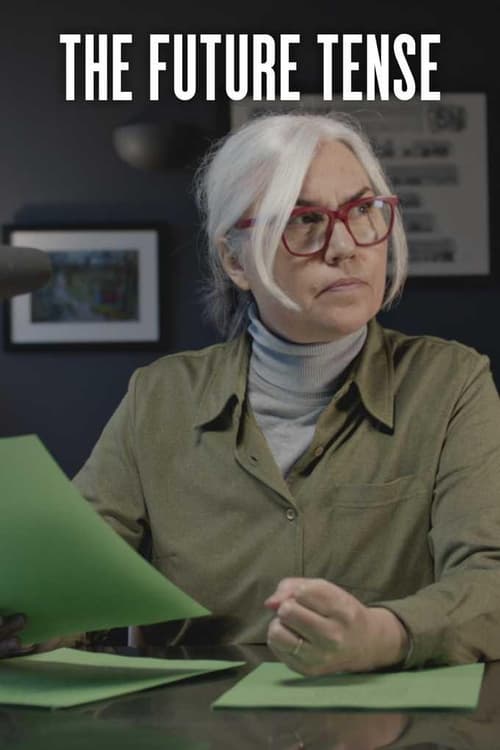
Staged as a series of voiceover sessions, written with gloriously off-balanced precision and dipped in the color green, THE FUTURE TENSE unfolds as a poignant tale of tales, exploring the filmmakers’ own experiences in aging, parenting, mental illness, along with the brutal history that lies submerged beneath Ireland’s heavy, moist earth.
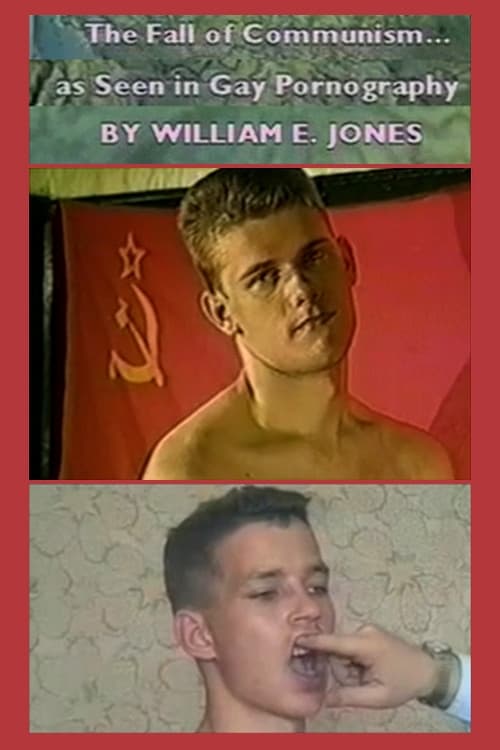
Every image in The Fall of Communism as Seen in Gay Pornography comes from gay erotic videos produced in Eastern Europe since the introduction of capitalism. The video provides a glimpse of young men responding to the pressures of an unfamiliar world, one in which money, power and sex are now connected.
Depicting the biography of a corrupt banker poses a cinematic dilemma. How can the intentions of an individual systematic contexts and historical eventualities be brought into harmony? Thomas Furhapters nearly one hour film Michael Berger Eine Hysterie turns this problem outward by not covering up the moment of speculation. The subject of the film, Austrian investment banker Michael Berger, who became a dollar millionaire through a risky hedge fund, remains a chimera an absent individual who also cannot be captured through his crime.
The world’s museums are closed. What are you missing? Take a real-time walk through the Louvre towards the “greatest painting ever” and contemplate what it would be like to be there yourself.
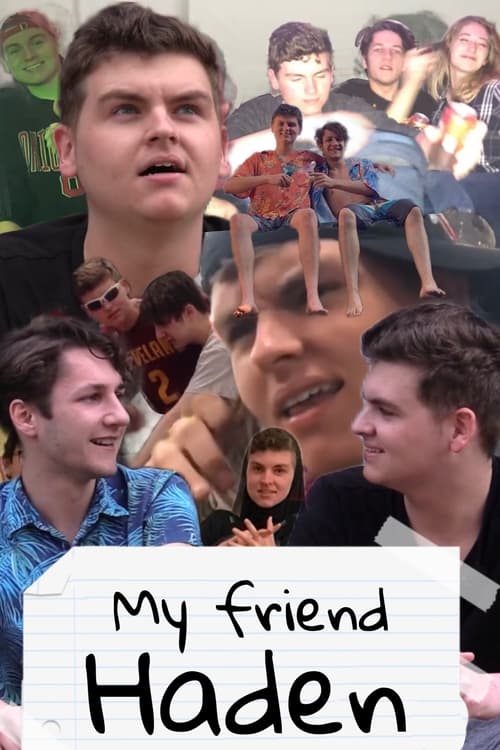
Documentary filmmaker Renton Hinderer takes a look back at his long relationship with one of his closest friends to understand the paths we choose in life, and how friendship is eternal through it all.
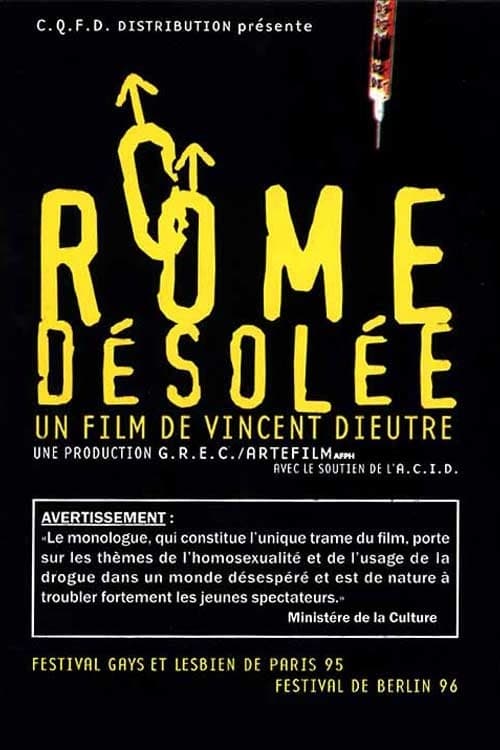
Chronicles of a male homosexual drug addict in 1980's in voice-over with long take scenes from Rome, television snippets of news of Gulf War and commercials.
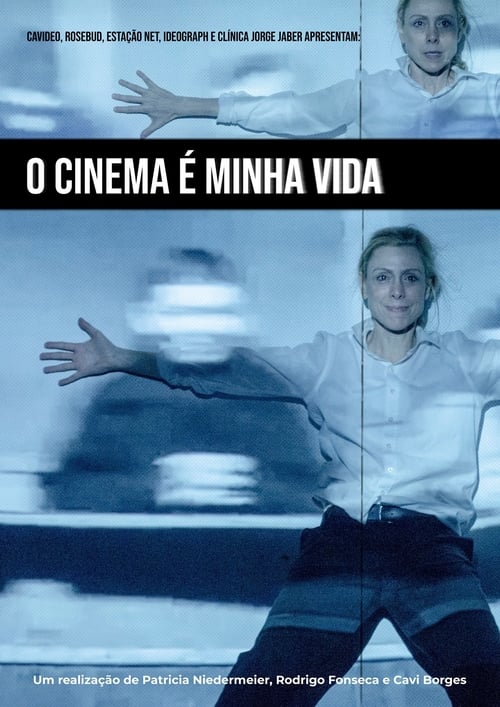
In the dressing room of the French cinema, minutes before attending a lecture, François Truffaut recalls his trajectory
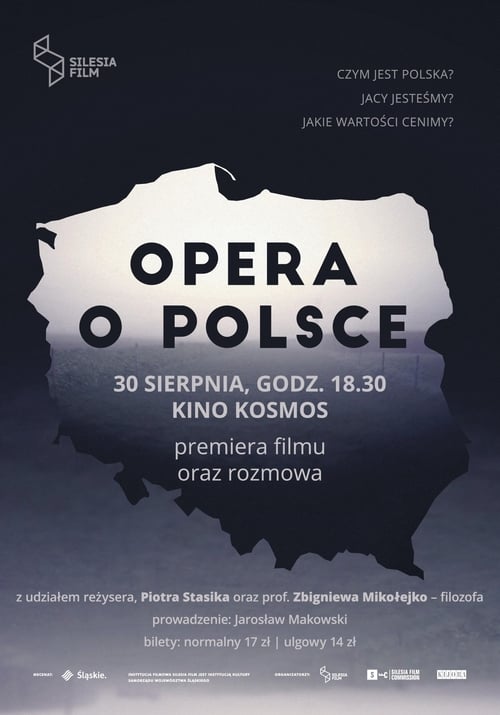
Pole, who are you? This film collage that combines archival and contemporary materials, documentary and staged pictures, press reports, social announcements, sale offers and speech excerpts is an attempt to answer this question. Referring to the Polish tradition of a creative documentary in the style of Wojciech Wiszniewski, the film presents various manifestations of Polishness: patriotic and religious rituals, everyday traditions as well as characteristic landscapes or intimate memories from childhood.
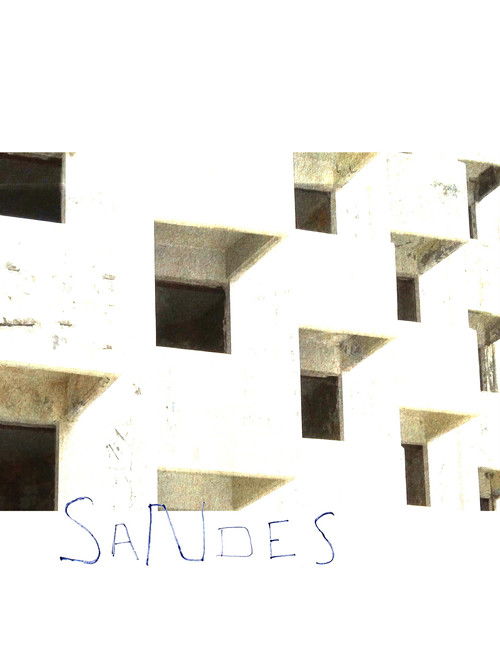
Berkay Özdinç turns the ghost hotel into a protagonist, which conduces to the meeting of his parents and is thus associated with his existence. In the film which goes over the places, while wandering in the current state of the hotel, he reawakens the memory of the place with his parents’ narration.
A street in downtown Warsaw transforms into a kaleidoscopic portrait of Polish society. Behind the viewfinder is an Indian immigrant, who seeks to overcome the boundaries between himself and an anxiety-ridden country.