Exploring the subject of menopause in Ireland, seeking to broaden the conversation around a subject often considered taboo and finding out how real women experience this life event which affects half the population.
Davina was 44 and felt like she was losing it - hot flushes, depression, mental fog. Now she tells her menopause story, busting midlife taboos from sex to hormone treatment.
From a high school art class to a local radio station, the day-to-day lives of several women coalesce into a poetic documentation of women’s presence and physicality across everyday spaces.
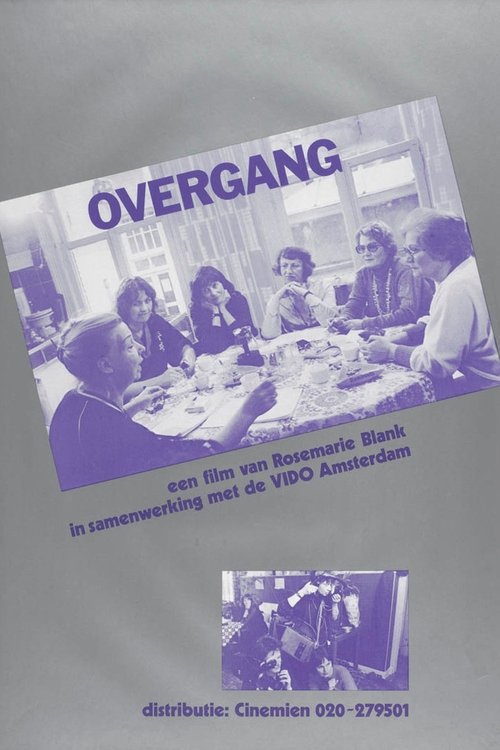
Rosemarie Blank made this film, which focuses on women aged around fifty, in collaboration with the organisation VIDO (Dutch: Vrouwen in de Overgang/Women in the Menopause). An all but invisible group of housewives who have spent their lives putting themselves last to ensure that their husbands and children can reach their full potential.
Virtually every woman who enters menopause has questions about what’s happening to her body and how to effectively deal with the changes. The broad availability of medicines, remedies and even hormones even conveys the concept that menopause as a curable “deficiency disorder”. This documentary takes a look at the scientific and medical contexts of menopause as well as the latest findings in international research. Are artificial hormones medically necessary or a seductive, supposed fountain of youth? Do they truly assist in alleviating the suffering of women, or are they lifestyle drugs reflecting a zeitgeist in which ageing is no longer acceptable and older people are seen as “flawed”? A visual and provoking science documentary about the hot time of menopause that also takes a look at whether and how the hormones in men likewise go crazy.
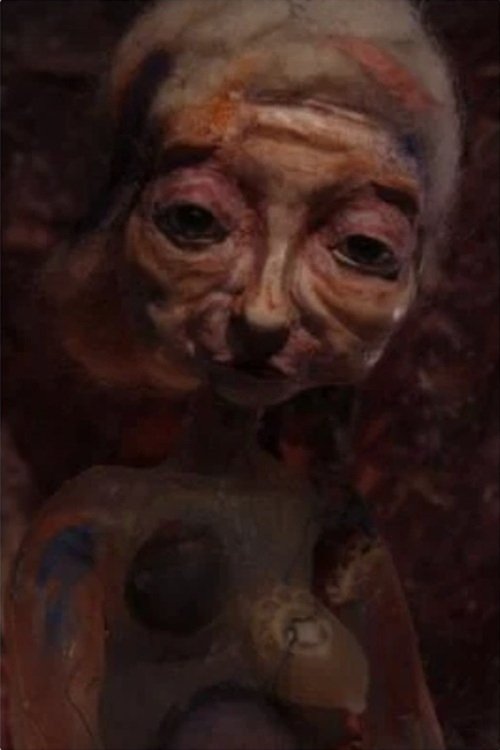
A positive look at menopause. While different women confide how they experienced this natural and important passage in their lives, a female character tames her new environment and welcomes new ways of perceiving and projecting her femininity.
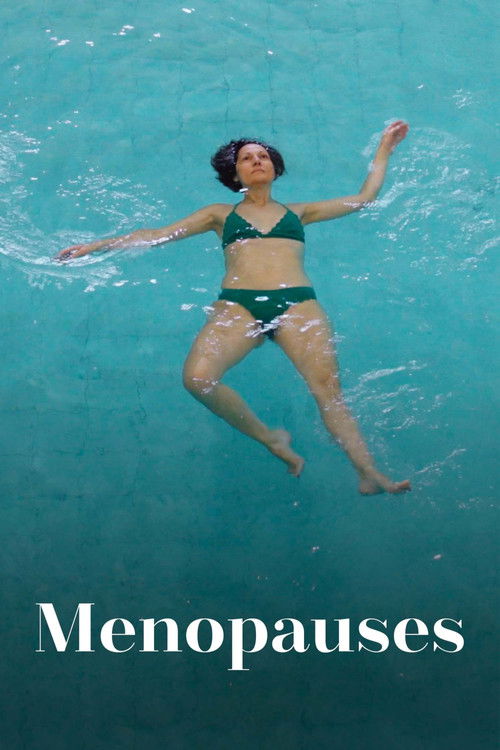
A documentary about hot flashes, organ descent, bladder weakness, cellulite? Sounds like a horror movie, doesn't it? But what if it's quite the opposite, and instead opens the way to a profound questioning of our identity as women, of what we wish to experience and never experience again? Through the eyes of 12 women, Menopauses explores this time of life through stories told with lucidity and humor, which ultimately raise a broader question: until what age does society really consider us to be women?
You-Turn is a short documentary that follows three menopausal women as they embark on a journey of reconnection and self-acceptance. After the damage that menopause has caused to their body image, this film explores the proces of speaking your truth, recognizing it’s worth, and being proud of it.
Menopause is a silent epidemic affecting the health and well-being of millions of women. This film confronts this neglected crisis, challenges societal and medical shortcomings and advocates for a revolutionary approach to women's health.
When her only daughter goes off to university, an empty nest mother gets stuck taking care of her daughter's heart-broken ex-boyfriend, who she can't stand.
Jungok, a housewife who suffers from menopausal symptoms after her period stops, sells her unused sanitary pads on an online trading platform. On the day of the trade, she meets a young girl.
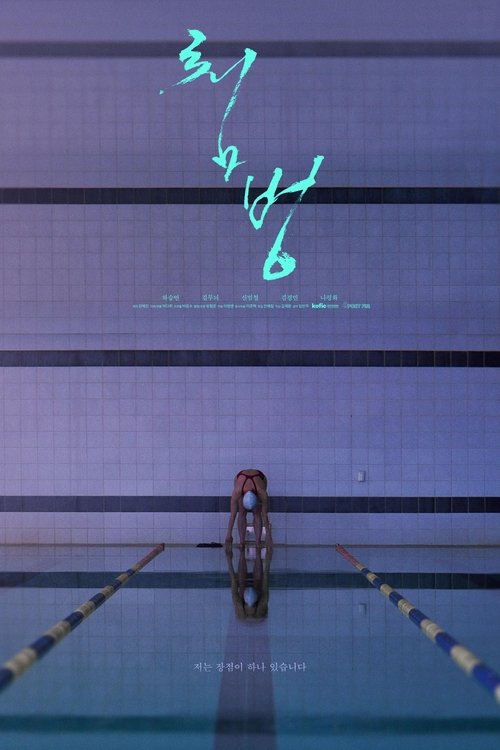
Se-eun is a janitor who is always the first to arrive at the pool where she works. One day, she runs into an old friend who is now a swimming instructor.
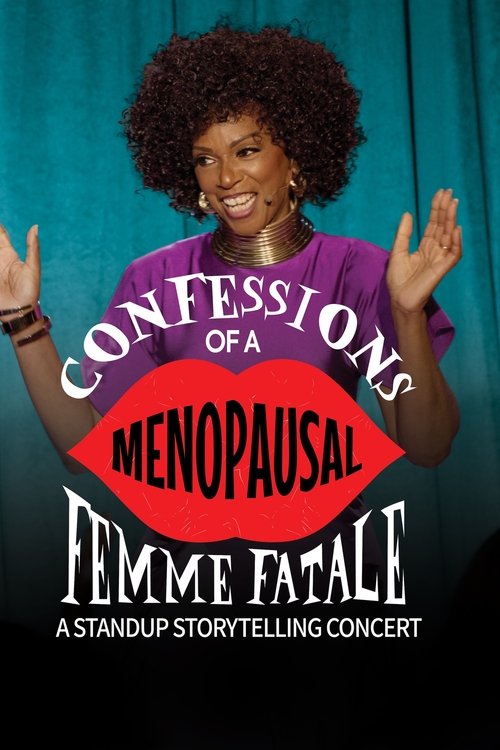
CONFESSIONS OF A MENOPAUSAL FEMME FATALE is a fearless stand-up storytelling concert film in which Shakoor uses raw honesty, wit, music, and personal narrative to share her 12-year journey through menopause—a transformative experience that reshaped her identity as a woman, mother, artist, and human being. Framed around a return trip to Hawaii nearly 40 years after she once called it home, the story unfolds when a panic attack triggers deep introspection, forcing Shakoor to confront unresolved struggles, including addiction, postpartum depression, loss, and self-reinvention. Through wit, song, and unflinching truth, Shakoor breaks the silence surrounding menopause in a powerful performance that challenges stigma, invites laughter, and inspires radical self-acceptance.
Unabashed comedian Lynne Koplitz offers a woman's take on being crazy, the benefits of childlessness and the three things all men really want.
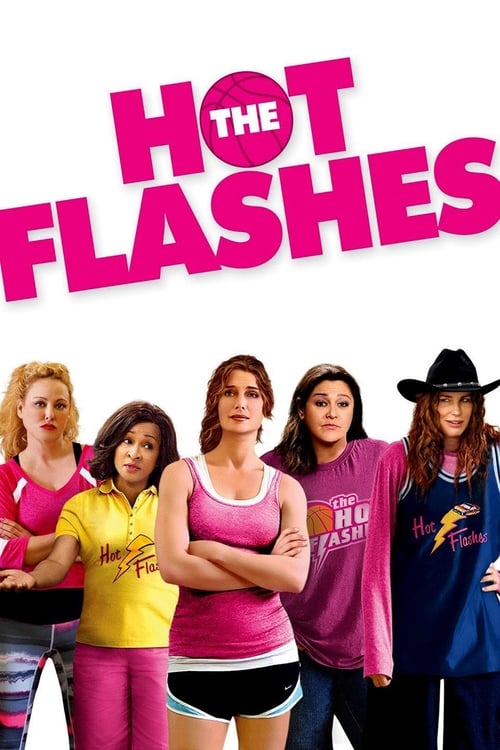
An unlikely basketball team of unappreciated middle-aged Texas women, all former high school champs, challenge the current high school girls’ state champs to raise money for breast cancer prevention. Sparks fly as the women go to comic extremes to prove themselves on and off the court, become a national media sensation, and gain a new lease on life.
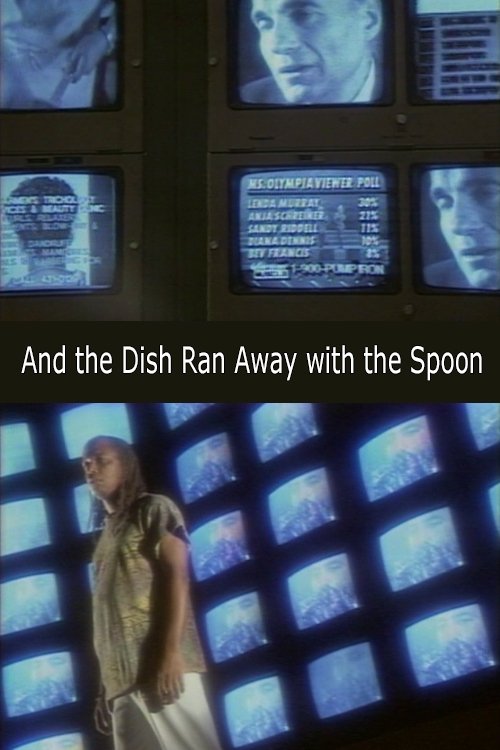
A documentary about the domination of Caribbean television by programs from the North, primarily the US. Proceeding from the observation that television in the Caribbean is overwhelmed by US and French programs, this film ambitiously weaves together interviews, indigenous poetry and music with clips from imported French and US television programs to show how Caribbean viewers receive a distorted view of the world that alienates them from their own cultural heritage. Also included is a glimpse of how Cuba has tackled the problem, featuring an interview with Cuban film director Tomás Gutiérrez Alea, and the US response in the form of Radio and TV Marti. This is part of the Developing Stories Series on Environment and Development. Starweek Magazine called it "An astonishingly searing look at TV."
The day starts in Lisbon and with it people return to the streets. These men live in a place which is not a home. Martins, the barber from Luanda, Simões with his spears, Manuel and his films and Francisco's silence share a place to rest, a shelter. They have some affinities with the outside world but they communicate through the words that they don't say. Perhaps the differences are clearest in everything that is silenced.
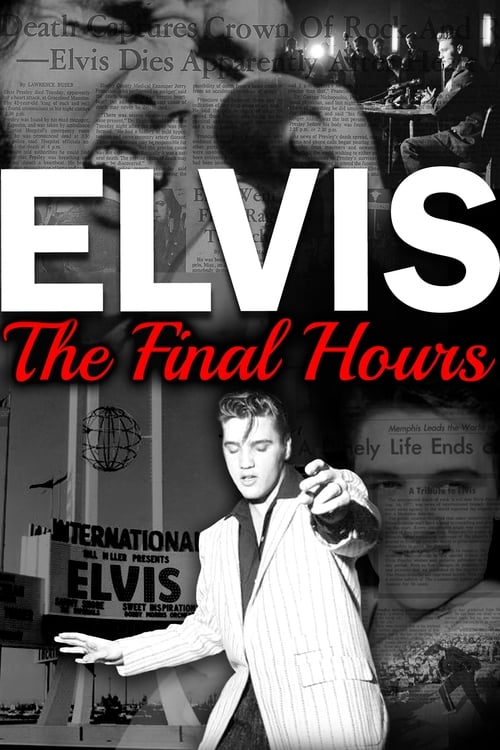
The death of the King of Rock n Roll shocked the world. How did this happen? The true story of Elvis Presley's last hours on Earth is told by the men who knew him best, his Memphis Mafia. Elvis' closest friends and confidants share their memories and experiences with the King and what really happened during his final hours. Including interviews with Sonny West, Billy Smith, Larry Geller, Joe Esposito, Jerry Schilling, Marty Lacker, and Lamar Fike.