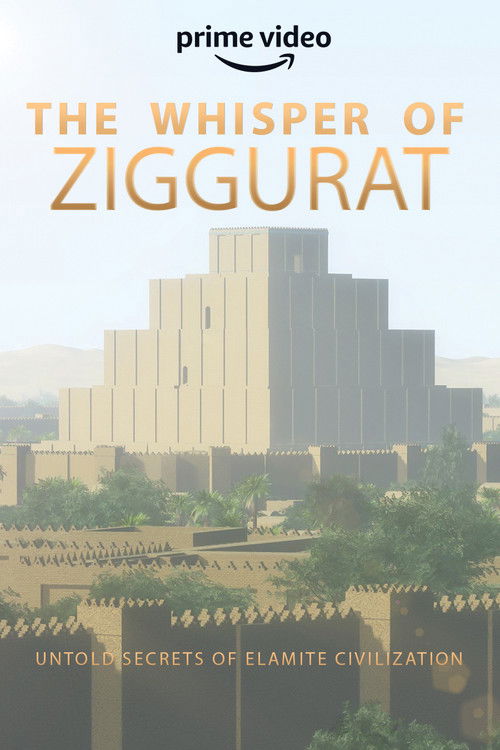
A wise old man teaches a boy the art of building. The boy develops outstanding skills. He builds the most magnificent palaces, but something inside him atrophies. The flip side of humanity, the shadow, grows beyond him.

Locked out of the school art room, a creative non-binary teen named Frog grapples with anxiety as they seek a new place to eat lunch. Imagination blurs with reality in this hybrid work of live action and animation about finding a place to belong.
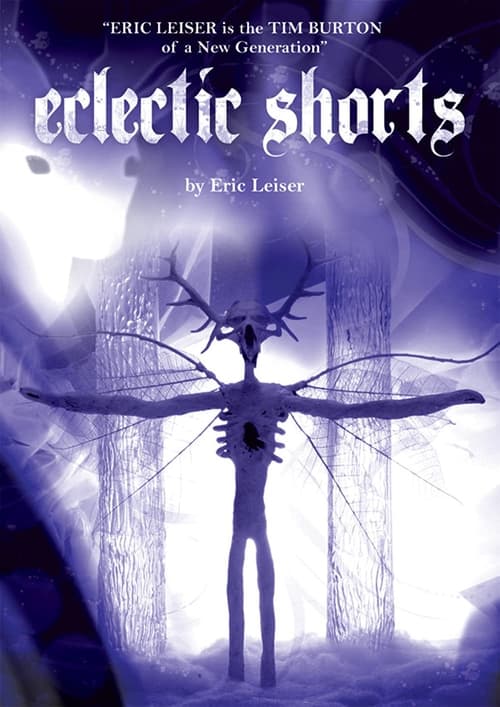
Eric Leiser displays his boundless creativity in this short collection; A stunning compilation of works presented with a mixture of live action, stop motion animation, puppetry and pixilation techniques, produced between 2001 and 2006.
‘Who Named the Lily?’ celebrates and laments the complicated history of the Crystal Palace. Monster Chetwynd plays the ‘Fact Hungry Witch’, who explores the story of the Amazonian waterlily, and reveals its links to engineering. The artwork brings to light the politics of Paxton’s developments in industry and architecture, however, the protagonist of this story is the waterlily – a catalyst for ground-breaking technological advancement.
Through a series of animated art boards depicting a decaying Venice, the film unfolds like a set of postcards, capturing the mythical city's final moments of fragility. Blending archival footage with contemporary observations, and anchored by the story of the 1902 collapse of St Mark's Campanile, Venezia Diorama invites us to reflect on a city slowly eroding, yet suspended in time.
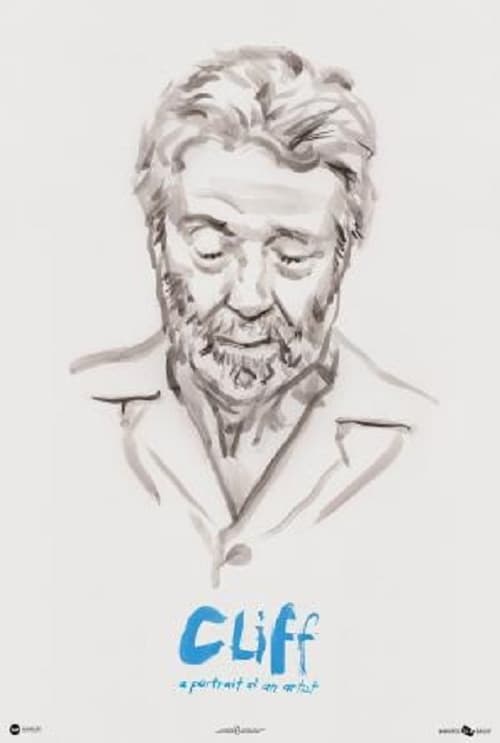
Acclaimed Canadian artist Cliff Eyland looks back on his life after a successful double lung transplant.
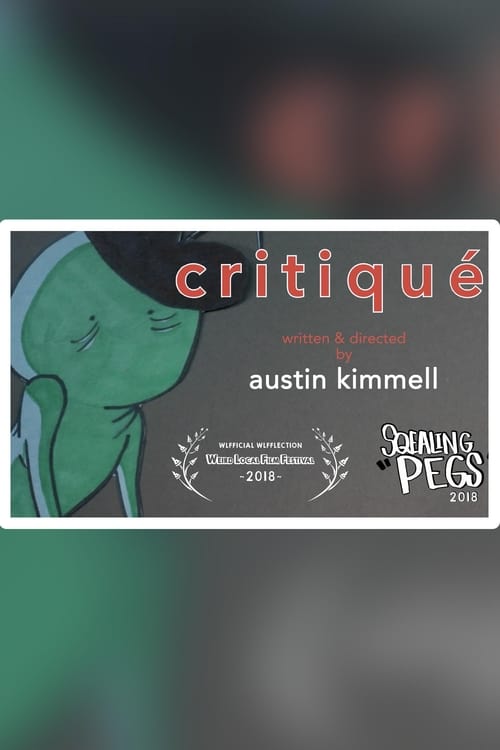
An acclaimed artist gets a bad review and deals with it the only way he can.
Yadira, a creative young Cuban girl, struggles packing on her final day home. Embarking on an immigration journey alone, her suitcase feels too small to carry everything her heart holds.
Images of crowd simulation are faced with testimonies from Liverpool Football Club’s supporters who recall their experience marked by a tragic event: the Hillsborough stadium disaster in 1989, which changed the nature of the game of football.
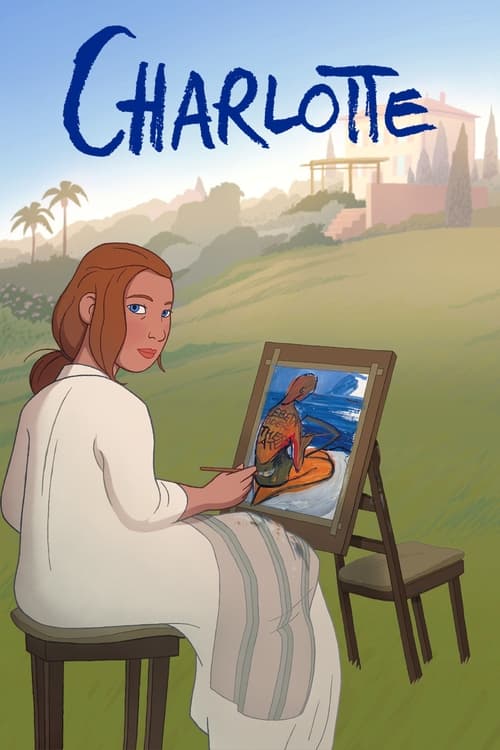
The true story of Charlotte Salomon, a young German-Jewish painter who comes of age in Berlin on the eve of the Second World War. Fiercely imaginative and deeply gifted, she dreams of becoming an artist. Her first love applauds her talent, which emboldens her resolve. When anti-Semitic policies inspire violent mobs, she escapes to the safety of the South of France. There she begins to paint again, and finds new love. But her work is interrupted, this time by a family tragedy that reveals an even darker secret. Believing that only an extraordinary act will save her, she embarks on the monumental adventure of painting her life story.
We hear a whole catalogue of technical, moral, and financial instructions, ranging from practical to absurd, each introduced by “It works . . . ,” as in “It works in the shops and in all of the malls; it works when you cut off your microscopic balls. . . . It works if you heat up the nickel, if you save up the dime, and on a blackballer I wasted my prime. . . However, a single glance at the homeless protagonist and his forlorn setting suffices to clarify that none of this advice has worked all that well for him.
A research and design project that imagines the future of post-human spaces like Google data centers and Amazon warehouses. Using the same artificial intelligence code that organizes logistics infrastructure, a fictional fulfillment center at the scale of a city has been procedurally generated. Things City is designed to accommodate only delivery drones, logistics bots, and packages as its citizens. Through the eyes of the city’s machines, we watch as a girl enters Things City on Valentine’s day searching for a lost package.
Ambitious artist Jabari attempts to balance success and love when he moves into his dream Manhattan apartment and falls for his next-door neighbor.
A daughter is constantly overshadowed by her famous father, but she is determined to make her own mark in the world.
An anthropomorphic rat repeatedly wakes up in its bed, leaves, presumably goes about its life, and returns back home in the evening. All we are offered by way of context is a single, hand-drawn shot of the rat’s proletarian room.
This wonderful story happened in the age of valiant knights, beautiful princesses, and battling sorcerers. Ruslan, a wandering artist dreaming to become a knight, met beautiful Mila and fell in love with her; he didn’t even suspect that she is the King’s daughter. However, the lovers’ happiness wasn’t meant to last too long. Chernomor, the evil sorcerer, appeared in a magic vortex and stole Mila right before Ruslan’s eyes to transform her power of love into his own magic power. Without further ado, Ruslan sets out on a chase after the stolen princess to overcome all obstacles and to prove that real love is stronger than magic.