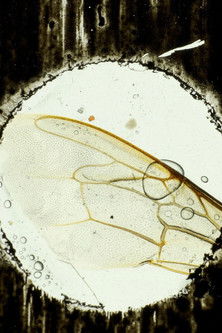
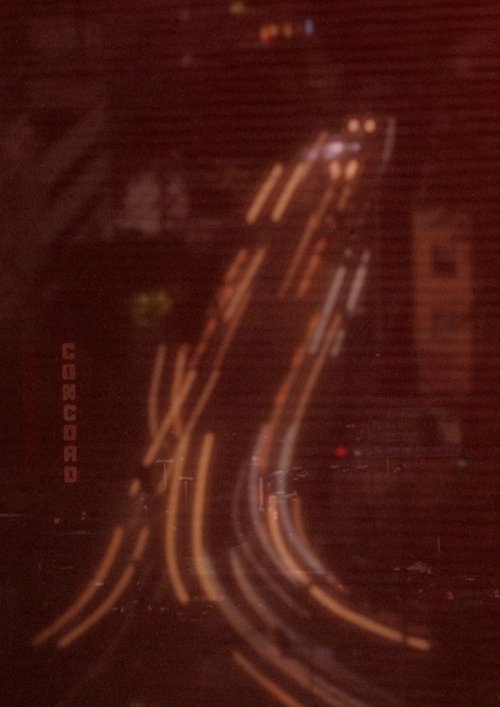
Through the passage of the hours, water evaporates at the same time as signals catch a sight of their previous state. Within this outflowing recording, every light reading is a dedication to a single wandering soul.
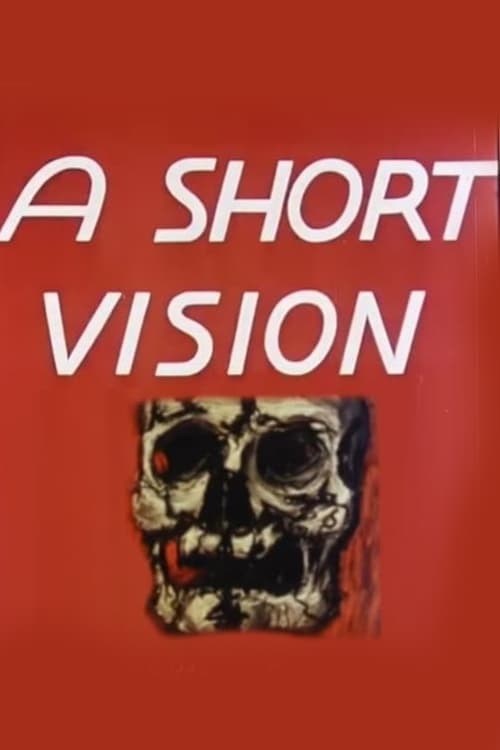
The leaders, the wise men, the leopard, the deer, the owl and the rat all look up in the sky in fear as a strange object flies through the sky.
As a teenager, I used to take a bus, whose ticket had the inscription "To the Flores Cemetery" as the end of its route. At that time, whenever I saw the ticket, I thought of Charles Baudelaire's "The Flowers of Evil" and of imaginary walks the bus would take me on until I reached the Flores Cemetery. Thirty years later, I found one of those tickets in a box, and it makes me think of finitude and the transient. Film made with Floripondio flowers, Hollyhock and Santa Rita petals, blood, cobwebs, insects found after a storm, mushrooms, onions, and hair on 16mm film.
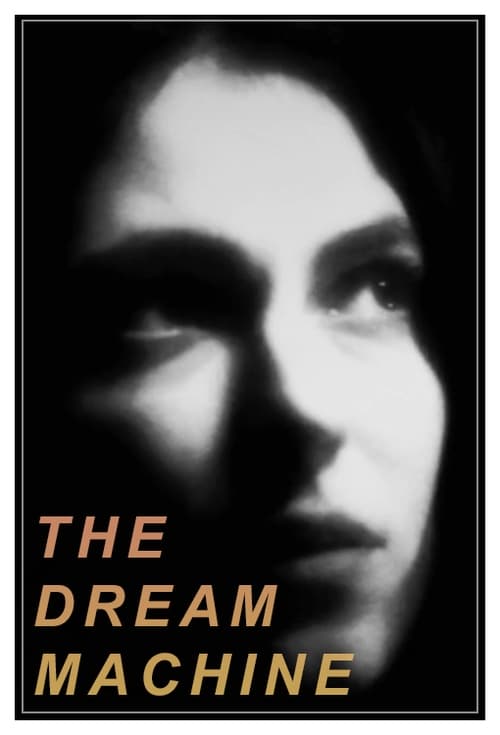
A woman experiments with a Dreamachine, hoping to escape trouble. Within the light and dark of the machine, violent emotions awaken.
A film by Paul Clipson.
Symphonic documentary exploring the Miami identity in six movements. It was performed and projected live by the New World Symphony, led by Michael Tilson Thomas on Feb 22, 2018. The film is made up of five separate and synchronized video channels, projected onto the walls of the New World Center concert hall, above a full symphony orchestra.
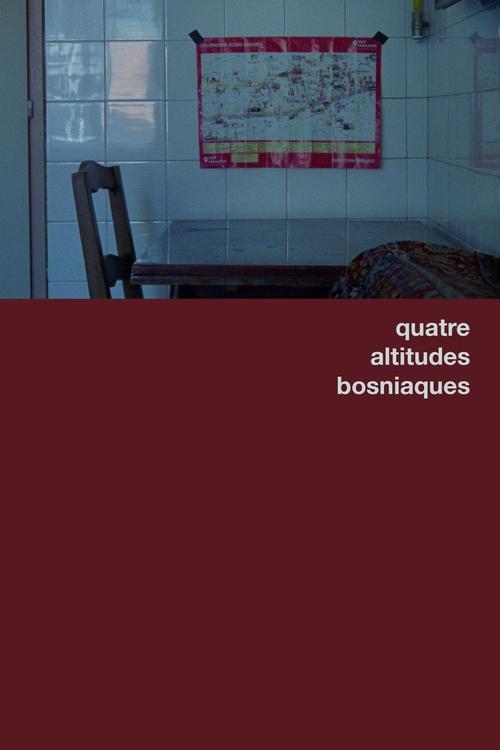
Quatre altitudes bosniaques is an exercise in topographic cinema shot in Bosnia-Herzegovina. The document draws on the geography of the city of Sarajevo, from which the filmmakers construct a visual ethnography fragmented into four levels of elevation.
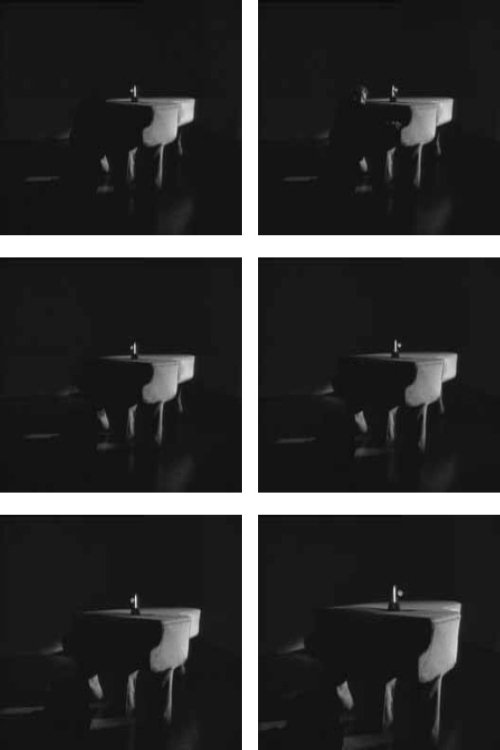
The union of the Indestructible Objet (1923-1959) by Man Ray and L'Infiltration homogenee for grand piano by Joseph Beuys (1966). Here the intersection of two temporalities is at stake: one punctuated by the pulsations of the metronome, the other marked by the continuous silence of Beuys’ piano.
"In the final format for MAGELLAN, Frampton had planned to disassemble these two films into twenty-four 'encounters with death' that were to be shown in five-minute segments twice a month. In their present state, seen together and roughly the length of an average feature film, the two parts of MAGELLAN: AT THE GATES OF DEATH constitute perhaps the most gripping, monumental, and wrenching work ever executed on film...Frampton in 1971 began his filming of cedavers at the Gross Anatomy Lab at the University of Pittsburgh. He returned to the lab four times over the course of the next two years and then spent nine months assembling his 'forbidden imagery' into an extraordinary meditation upon death."–Bruce Jenkins
The first 12 minutes would later be released as "Fountain of Dreams"
Four Poems is a series of video poems in which the horizontal lines of a poem, usually composed of text, have been substituted for horizontal lines of moving image. The piece explores what remains of a poem when its language is removed, and how images might interact with each other in similar or different ways to words. It asks whether rhyme, rhythm, sibilance, or dissonance, might be effectively created by juxtaposing images. It also asks whether arranging images might create a sense of authorship, intentionality, or a tone of voice, in the way that arranging words might. Finally, Four Poems invites the viewer to consider how they might ‘read’ a poem – does a reading have to occur from top-to-bottom, or might new interpretations be possible when the moving parts of the poem can all be seen at once?
After the mysterious disappearance of a mayor in the El Retiro neighborhood, east of Mexico City, Miguel Ángel "el Apá", a retired resident, wanders the streets with a video camera interviewing locals about what happened, with the intention to make a documentary film to uncover the truth.
There's nothing but red stains in the path.
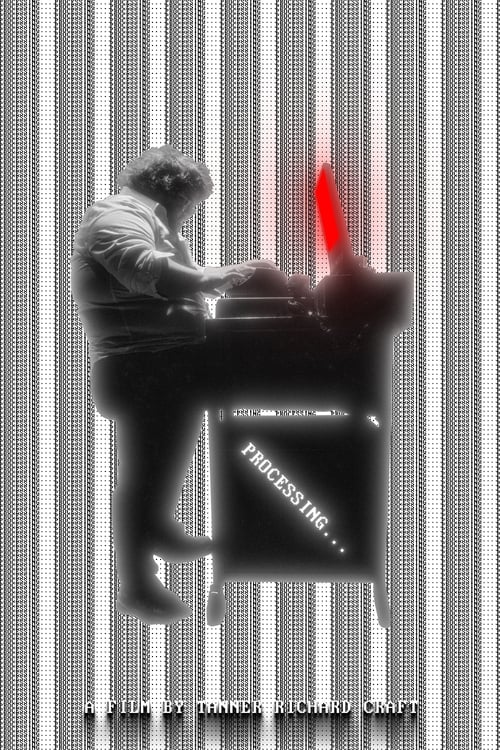
A man attempts to operate a mysterious device, but with each attempt comes a new set of problems.
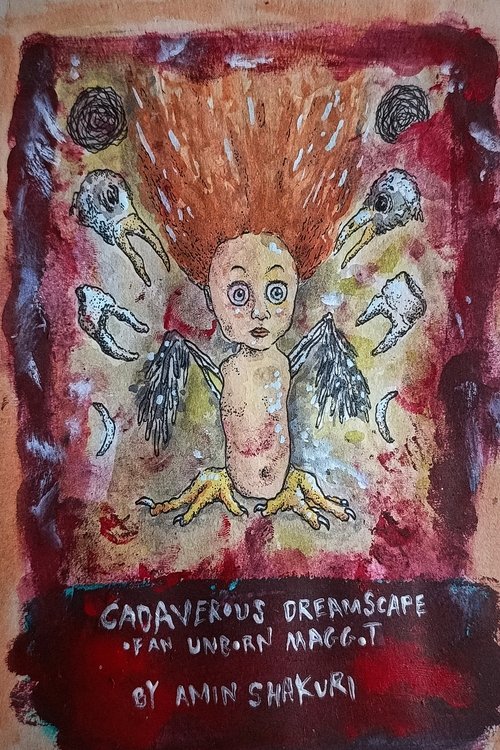
Experimental animation made with nails, hair, teeth and a doll.