The title may evoke images of gleeful, destructive anarchism, but "smashing" here signals a relationship between people and official city statues that is friendly, jovial, even a little melancholic.
Ade Darmawan
as
Indra Kusumaaka Ameng
Gesya
Farid Rakun
Mirwan Andan
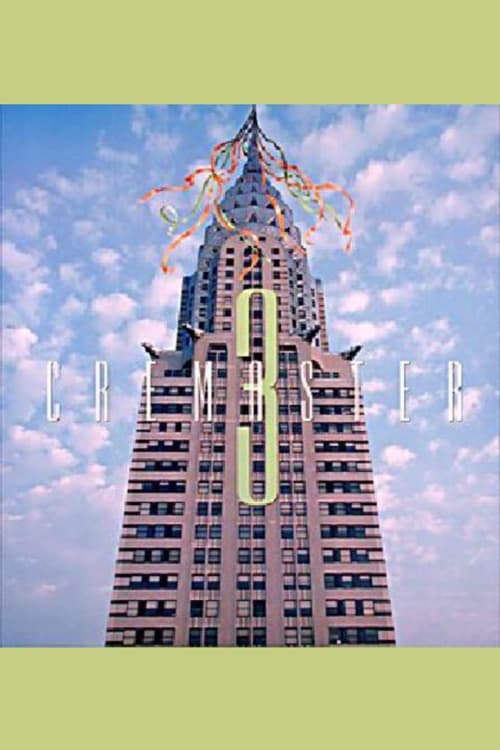
CREMASTER 3 is set in New York City and narrates the construction of the Chrysler Building, which is in itself a character - host to inner, antagonistic forces at play for access to the process of (spiritual) transcendence. These factions find form in the struggle between Hiram Abiff or the Architect...
Skin Shade Night Day explores the daily routine and rituals practised by the artist’s Cambodian-Australian family, which are reperformed and documented through a process of embodied empathy. Acts of service, such as gardening and cooking, play out as echoes from the past across a sound and image installation displayed in a shadehouse. Spectres, shadows and aural textures conjure up impressions of a place that remembers how its inhabitants once lived.
After his wife passes away, the ailing Akbar marries Tina, a widow. Akbar’s illness makes him lose his job so Tina has to work in a garment factory. Akbar’s effort to find a job is fruitless and he passes away shortly after. His three children Mimi, Memet, and Ayu cannot stand their stepmother’s fickleness. They leave quietly to find the family of their biological mother. This is not easy since they don’t have her address. They work at any job to survive - housemaid, shoe shiner, parking boy etc. One day they meet John who buys and sells used newspapers. Mimi and Memet are given a small business of selling ice and pastries. Then Memed accidently takes the wrong train but fortunately, a rich man adopts him. However, Memed returns home as he misses his younger siblings. The reunion is short since Ayu passes away.
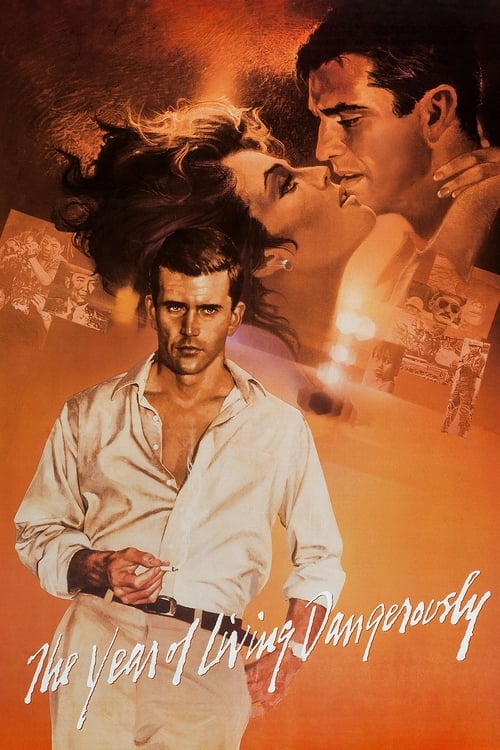
A young Australian reporter tries to navigate the political turmoil of Indonesia during the rule of President Sukarno with the help of a diminutive photographer.
We depicting the never ending cycle of construction and demolition in the human consumption. It was exhibited at re-constructed disaster area in Kobe.
In 1968, engineer Giorgio Rosa established the independent state called "The Isle of Roses" off the coast of Rimini, built on a platform outside the territorial waters, with Esperanto as the official language. The Italian authorities did not take it well because the micronation was seen as an expedient to not pay taxes on the revenues obtained thanks to the arrival of numerous tourists and curious people.
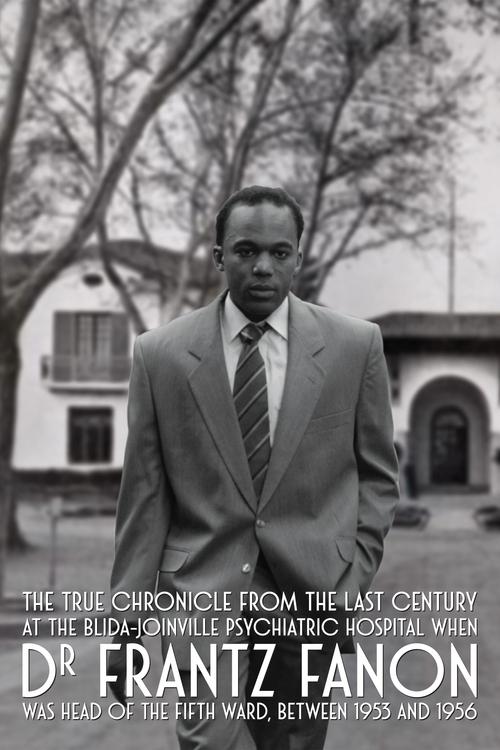
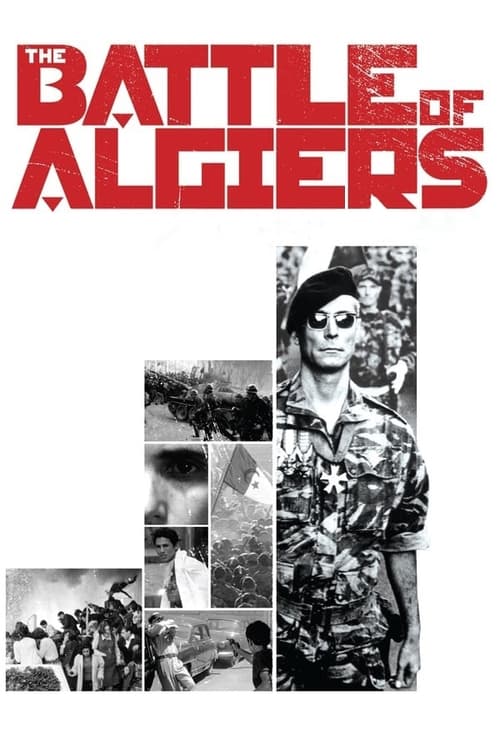
Paratrooper commander Colonel Mathieu, a former French Resistance fighter during World War II, is sent to Algeria to reinforce efforts to squelch the uprisings of the Algerian War. There he faces Ali la Pointe, a former petty criminal who, as the leader of the Algerian Front de Liberation Nationale, directs terror strategies against the colonial French government occupation. As each side resorts to ever-increasing brutality, no violent act is too unthinkable.
"Melting Lives - Victims of the New Weather" is a six-part documentary series in which the viewers meet people in the Arctic region who live close to and depend on nature for survival, and who struggle to maintain their way of life. Their tales are being heard and testimonies about how life is changing as the world gets ever warmer. The host, Samuel Idivuoma, is from northern Sweden. He visits Inuits on Greenland and in Alaska, aboriginal people in Canada and Nenets from the Siberian tundra in Russia
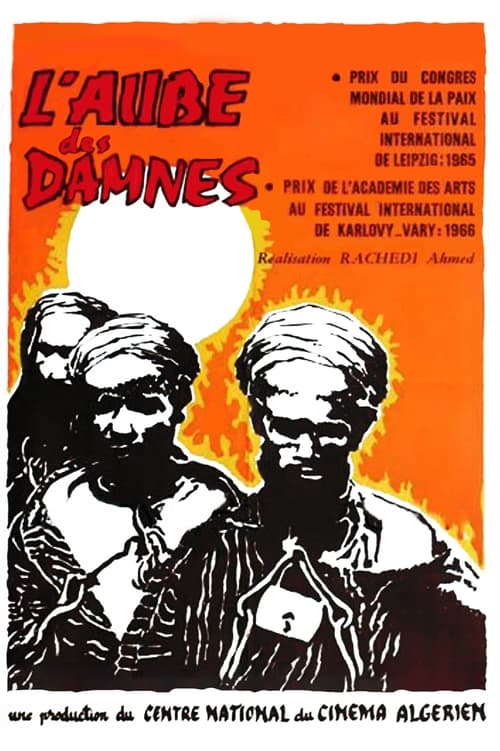
This excellent feature-length documentary - the story of the imperialist colonization of Africa - is a film about death. Its most shocking sequences derive from the captured French film archives in Algeria containing - unbelievably - masses of French-shot documentary footage of their tortures, massacres and executions of Algerians. The real death of children, passers-by, resistance fighters, one after the other, becomes unbearable. Rather than be blatant propaganda, the film convinces entirely by its visual evidence, constituting an object lesson for revolutionary cinema.
Svitlana, a Russian-speaking Ukrainian, examines the colonised part of her consciousness and tries to find answers to the question of how Soviet totalitarianism and Russification influenced the relationships within her family.
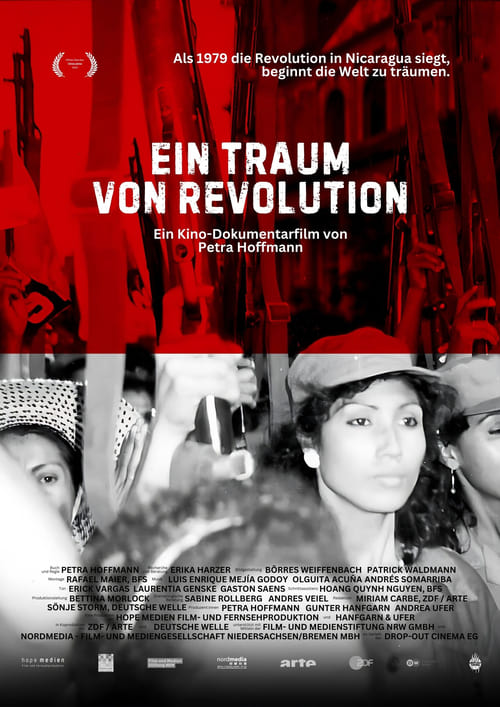
When the revolution in Nicaragua won its victory nearly 40 years ago, the world began to dream. A young generation was taking the reins in a country of grand utopias. From West Germany alone, 15,000 “brigadists” travelled to help rebuild the war-torn country: liberals, greens, unionists, social democrats, leftists and church representatives harvested coffee and cotton, built schools, kindergartens and hospital wards. No movement has mobilised so many people. What became of the hopes and dreams of the revolutionaries and their supporters?
Videoinstallation with methacrylate / no sound / 2018. Underwater Images recorded in Baja California Sur (México)
A journey through Ukraine that reveals the banality of evil behind the Russian invasion with the shocking juxtaposition of two realities: the Ukrainians who have been suffering and resisting the war violence, and the Russian military, and civilians, who have been perpetrating it.
In "Mitzukos Dream" you watch sleeping people, each filmed for one night with a willdlife camera that reacts to movement. So only the active parts of sleep were captured on film - the moments when we dream?
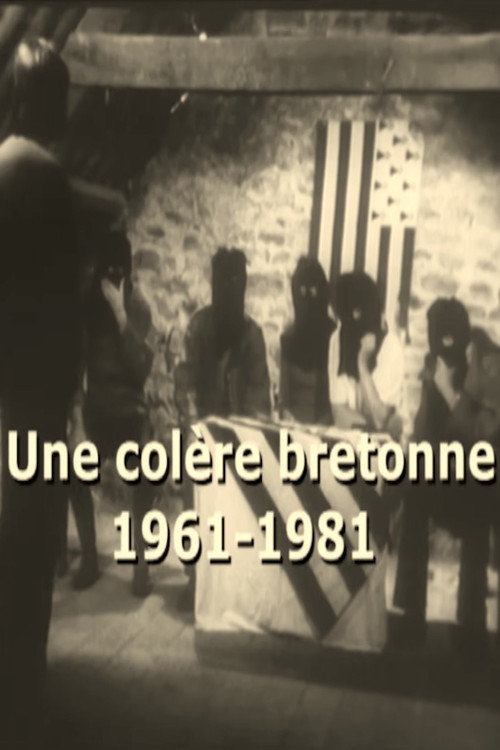
In the mid-1960s, Bretons took direct action against the French state. What were the origins and causes of this fervor, sung by Glenmor, the bard of this angry Brittany, from which young people had to emigrate to find a future?