A meditation on what it means to maintain continuity with the past — told through the kaleidoscopic journey of a young drummer who must learn how to guide a multi-generational band into the future after being named their new bandleader.
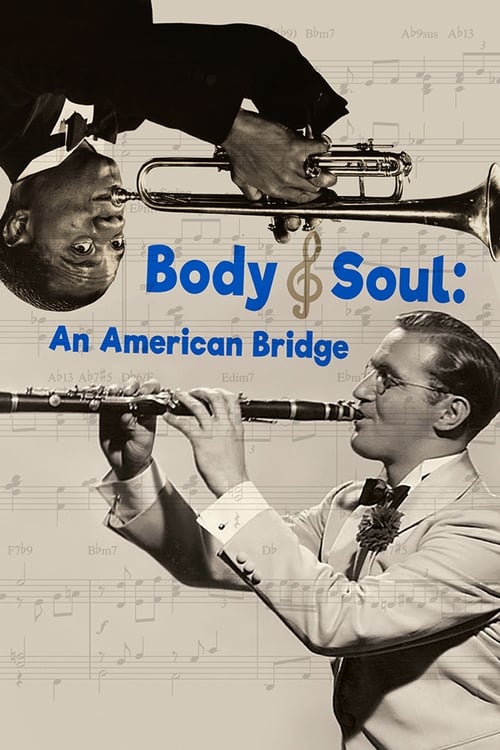
A documentary about the jazz standard and it's roots in Jewish and African-American culture/
In the Swedish city of Lethe, people from different walks of life take part in a series of short, deadpan vignettes that rush past. Some are just seconds long, none longer than a couple of minutes. A young woman remembers a fantasy honeymoon with a rock guitarist. A man awakes from a dream about bomber planes. A businessman boasts about success while being robbed by a pickpocket, and so on. The absurdist collection is accompanied by Dixieland jazz and similar music.
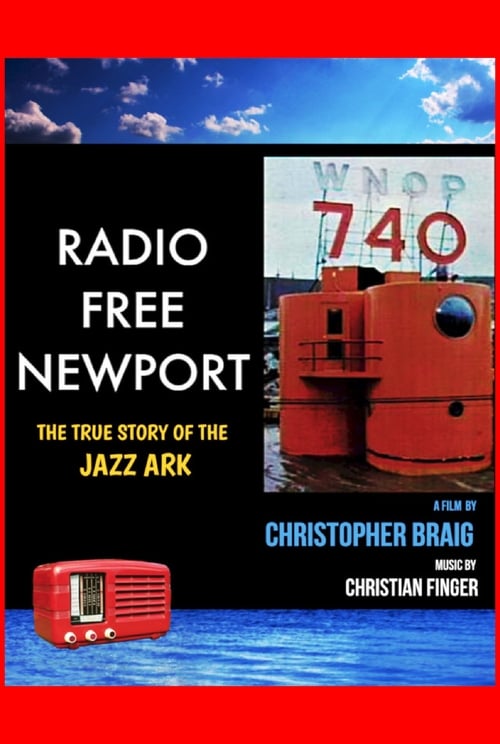
Imagine an AM Radio Station with a dawn to dusk license that played nothing but jazz and comedy records. Did I mention it FLOATED in the Ohio River and changed the culture of a Community? The history of Cincinnati Jazz is long, wide, diverse and in the case of WNOP sometimes beyond belief. Saxophonist turned filmmaker Christopher Braig's second Film will focus on the people, music, and cities that kept "The Jazz Ark" sailing for 42 years from 1968 to 2000.
Tenor saxophonist Jimmy McGary was a major presence in the Cincinnati music scene from the 1950s until his death in the early ’90s. With music rooted in Bebop with a progressive slant, the Jazz legend was a session player for King Records and released his first album as a bandleader — The First Time (with a quartet that included pianist Pat Kelly) — in 1979. McGary’s spirit and legacy have lived on well after his passing and well beyond Cincinnati, as evidenced in this new documentary film.
A control-obsessed saxophonist must embrace uncertainty when he learns that a career-defining audition will be assessed on his ability to improvise.
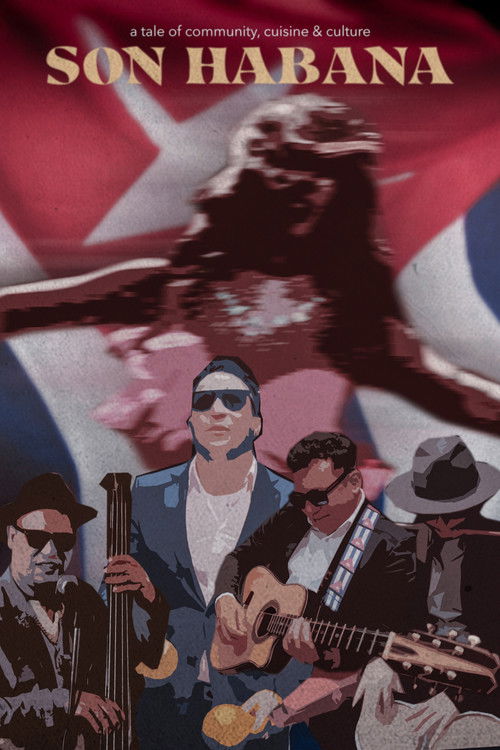
When the world shut down, a Cuban band in Los Angeles turned up on a stage at a Cuban-Latin American restaurant. Their music became a beacon light in the dark. Their music helped reconnect people. "The Music that Saved a Community" Culture. Community. Cuisine. This is Son Habana.
Over the course of a hot summer day in Los Angeles, the lives of 25 young Angelinos intersect. A skating guitarist, a tagger, two wannabe rappers, an exasperated fast-food worker, a limo driver—they all weave in and out of each other's stories. Through poetry they express life, love, heartache, family, home, and fear. One of them just wants to find someplace that still serves good cheeseburgers.
As the first all-female band to play their instruments, write their songs and have a No. 1 album, The Go-Go’s made history. Underpinned by candid testimonies, this film chronicles the meteoric rise to fame of a band born in the LA punk scene who became a pop phenomenon.
Few jazz musicians are as exuberant at their advanced age as Stéphane Grappelli in this concert. In this program, the old master plays in an ensemble reminiscent of the famous Hot Club de France, the ensemble Grappelli led with Django Reinhardt in the 1930s, featuring two guitars and a double bass.
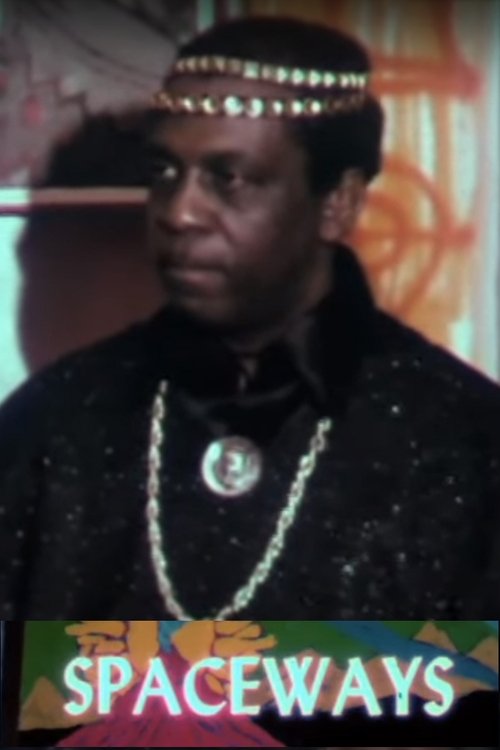
A music documentary made with Sun Ra.
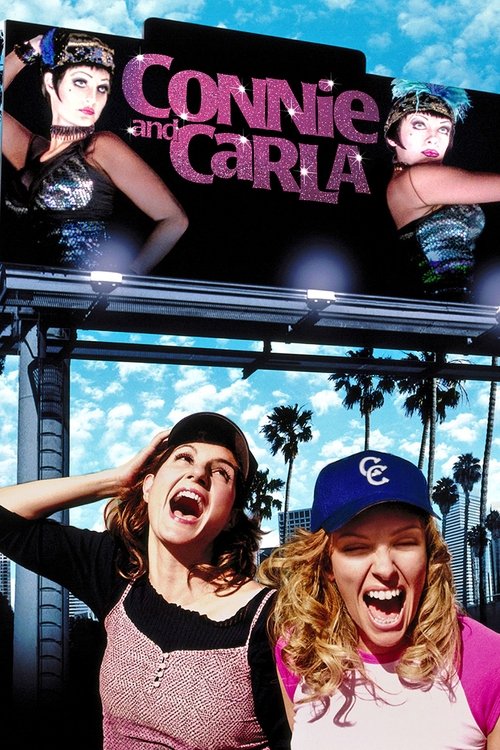
After accidentally witnessing a mafia hit in the Windy City, gal pals Connie and Carla skip town for L.A., where they go way undercover as singers working the city's dinner theater circuit ... disguised as drag queens. Now, it's not enough that they become big hits on the scene; things get extra-weird when Connie meets Jeff -- a guy she'd like to be a woman with.
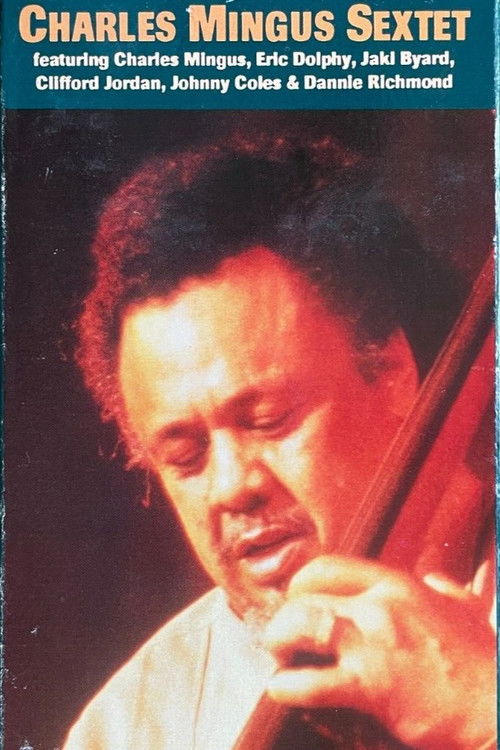
Live in Norway at University Hall, University Of Oslo, April 12, 1964
Drummer Shun Ishiwaka's SP Band reunites. Grammy Award-winning pianist Robert Glasper, Aina the End, Yasuyuki Okamura, KID FRESINO, Ringo Sheena, and Kaho Nakamura will perform together!
Combining footage unseen since WWI with original scores from the era, this film tells the story of Noble Sissle's incredible journey that spans "The Harlem Hellfighters" of World War I, Broadway Theatre, the Civil Rights movement, and decades of Black cultural development.
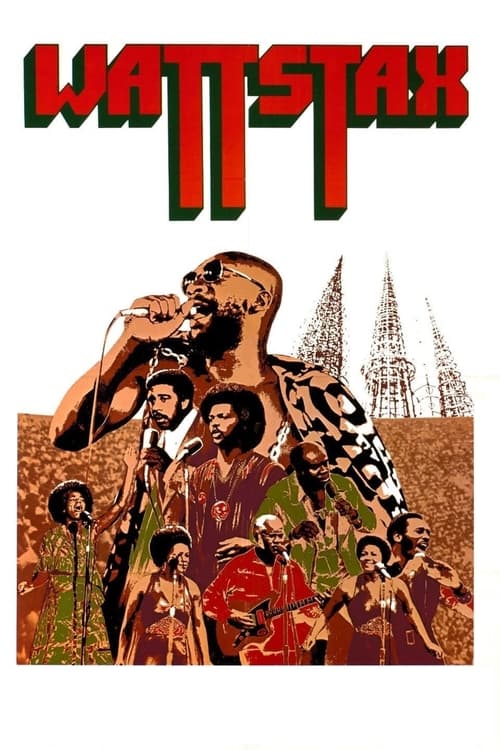
A documentary film about the Afro-American Woodstock concert held in Los Angeles seven years after the Watts riots. Director Mel Stuart mixes footage from the concert with footage of the living conditions in the current-day Watts neighborhood.