Patrick Edlinger
as Self (footage archive)
Catherine Destivelle
as Self
Jacques 'Pschitt' Perrier
Jean-François 'Poil' Lignan
Nadine Rousselot
Robert Exertier
Nils Martin
Fred Beckey is the legendary American "Dirtbag" mountaineer whose name is spoken in hushed tones around campfires. This rebel climber's pioneering ascents and lifestyle form an iconic legacy that continues to inspire generations.
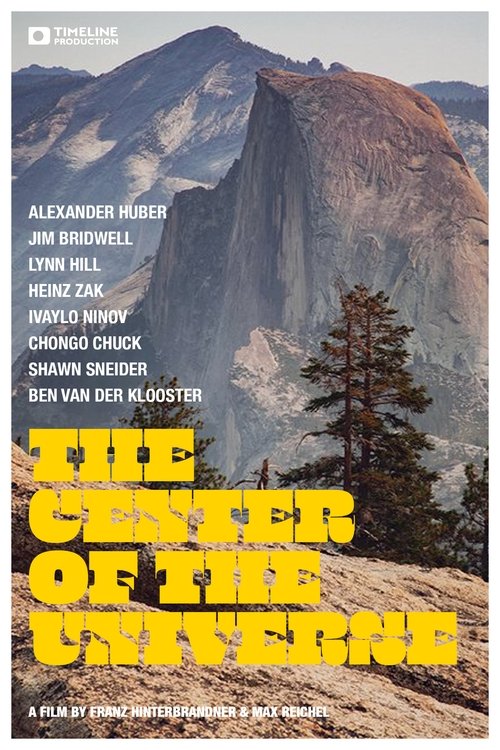
The Center Of The Universe chronicles four days in the life of German climber Alexander Huber in Yosemite Valley, California. Living the typical Yosemite vagabond lifestyle, Alex reflects on his goal of successfully free-climbing "El Corazon" (35 pitches, 8a) on the famous El Capitan face, which is a combination of the historic routes "Salathé," "Albatross," "Son of Heart," and "Heart Route," connected by newly laid out sections. 35 challenging pitches, combining technicality, stamina, and commitment, with difficulty levels up to 8a. The film showcases the unique style of climbing in Yosemite, as well as a piece of history of the famous valley, narrated by Heinz Zak, Jim Bridwell, Lynn Hill, Alexander Huber, and Chongo Chuck themselves.
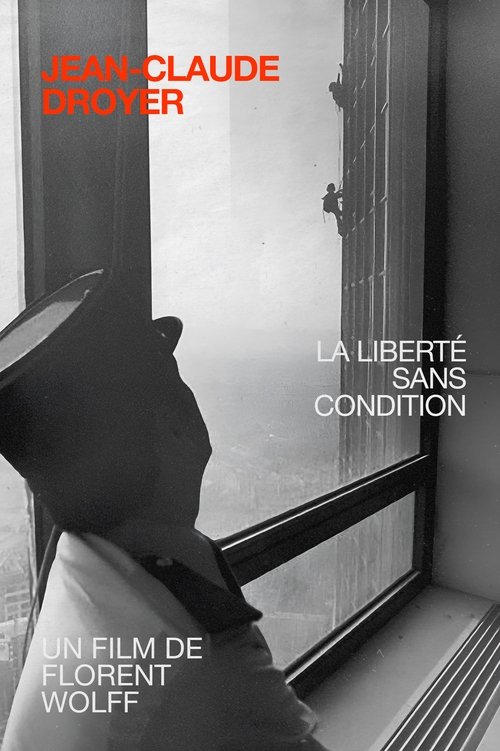
Portrait of Jean-Claude Droyer, a famous French climber and mountain guide. He is known for having participated in the rise of free climbing in France in the late 1970s. Trained at the climbing schools of Fontainebleau and Saussois, he distinguished himself in 1965 by solo climbing the Pentecôte route at Glandasse. He also made first ascents in the Verdon Gorges, winter ascents in the Prealps and the Mont Blanc massif, notably in 1971 the first solo ascent of the Directe Américaine on the west face of the Drus. The film was selected for the "Les Écrans Documentaires" festival in 2004.
Rotpunkt documents the advent, the agony and the art of the redpoint through Alex Megos’s efforts to redefine the boundaries of the form. The film traces the redpoint—which transformed rock climbing from an engineering problem into a brilliant test of mental and physical strength—from its origins with a ragtag bunch of tights-wearing revolutionaries in rural Bavaria, to its golden era with Wolfgang Güllich, to its new ideal in the German phenom Megos as he battles to unlock new levels of human potential.
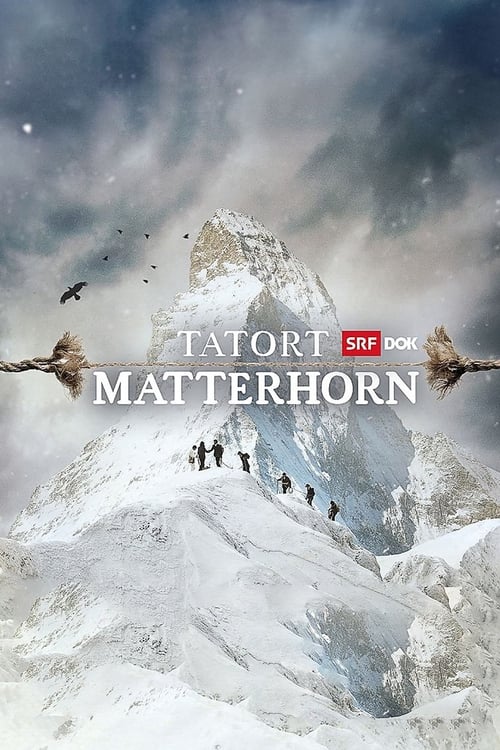
The first ascent of the Matterhorn was made on July 14, 1865 by Edward Whymper, Francis Douglas, Charles Hudson, Douglas Hadow, Michel Croz and two guides from Zermatt, Peter Taugwalder father and son. Douglas, Hudson, Hadow and Croz are killed on the descent after Hadow slips and drags the other three men down the north face. Whymper and the two Taugwalders, who survive, are later accused of having cut the rope that connected them to the rest of the group so as not to be dragged into the fall, but the ensuing investigation finds no evidence of their guilt and they are acquitted. The Matterhorn is the last great peak in the Alps to be conquered and its ascent marks the end of the golden age of mountaineering. One hundred and fifty years later, a team undertakes the same expedition in order to unravel the mystery.
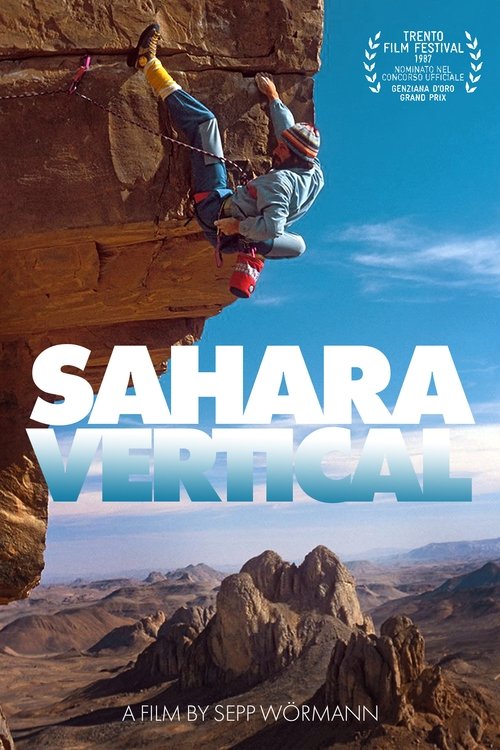
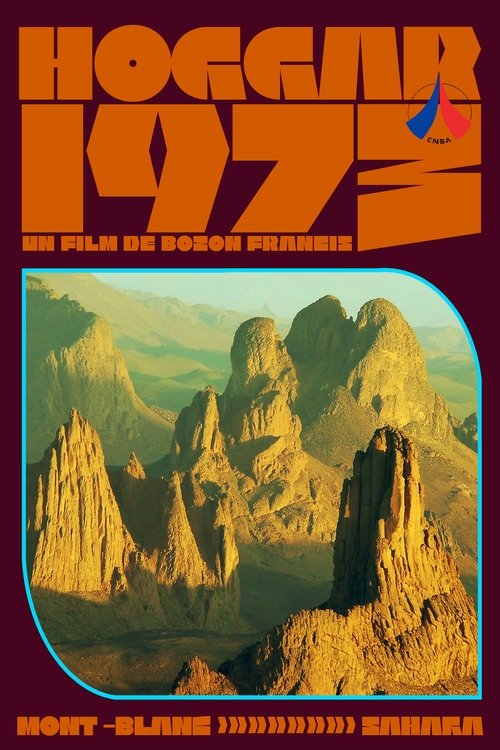
The climbing couple Heinz Mariacher and Luisa Iovane abandon their usual winter training spot to go in search of places more conducive to free climbing in Algeria in the Sahara desert, more precisely in the Hoggar massif, which saw pass the cream of world climbing Lionel Terray, Roger Frison-Roche, Lucien Bérardini, Michel Vaucher, Pierre Mazeaud, Guido Monzino, Patrick Edlinger, Patrick Berhault and many others. Their objective, to climb the east face of Garet El Djenoun, 500 m high, failed because the wall was too smooth and the cracks unstable. The journey continues in the Hoggar massif towards other peaks, where they find the climbing conditions they were hoping for. An overhang in the face of Tizouyag Nord will prove to be a major challenge for Heinz Mariacher.
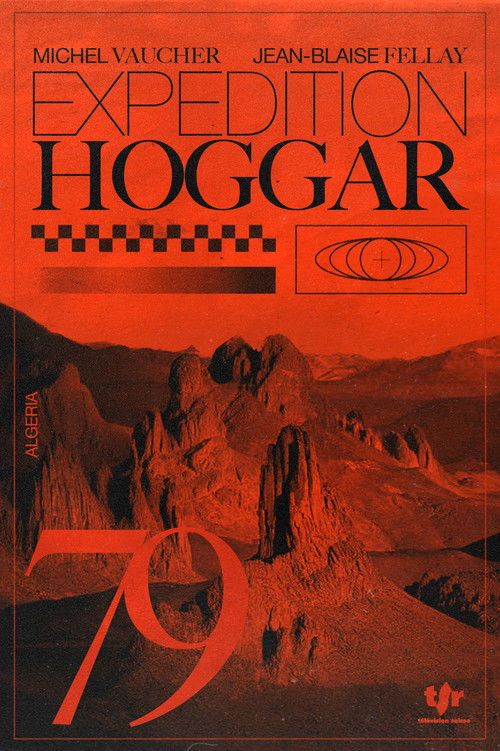
TSR documentary on the 1979 expedition to Algeria in the Atakor massif (Hoggar desert), organized by Geneva mountaineer Michel Vaucher and Jean-Blaise Fellay. The climbers make a dozen ascents including the famous summit of Adaouda (which means "finger" in Tamasheq, the Tuareg dialect), by several routes. Then a new route on the peaks of the southern Tezoulegs. They discover the volcanic geological characteristics of the Atakor massif and meet the nomadic inhabitants of the region, the Tuaregs, who are increasingly settling in the town of Tamanrasset.
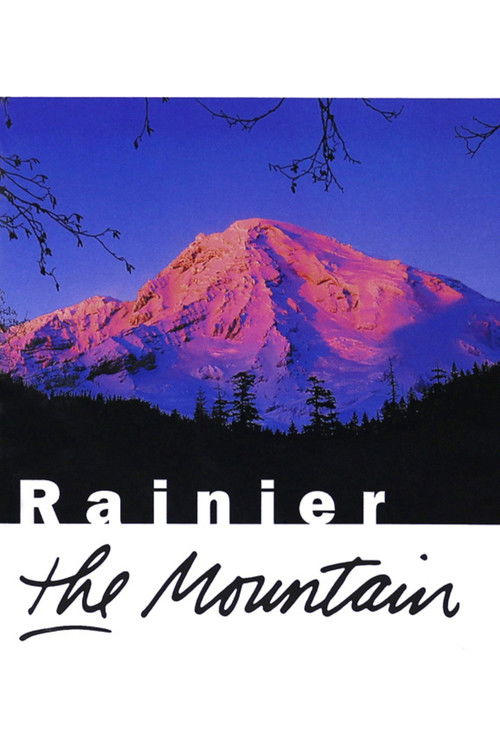
In this retrospective tribute, acclaimed filmmaker Jean Walkinshaw hails the 100th anniversary of Mount Rainier National Park in Washington by talking to those who know it best: the scientists, naturalists, mountain climbers and artists whose lives have been touched by the peak's far-reaching shadow. The result is a harmonious blend of archival material and high-definition footage celebrating an icon of the Pacific Northwest.
In 1973, 6 guides from the National Ski and Mountaineering School (ENSA), including Charles Daubas and Walter Cecchinel, left by truck from Chamonix to Tamanrasset in the desert in Algeria with the aim of climbing some peaks of the Atakor massif including Adaouda and Tizouyag where they do the first of "La Voie de l'ENSA".
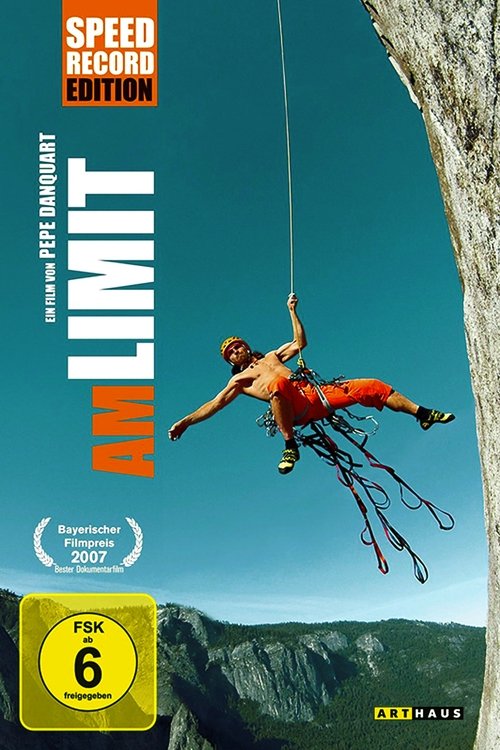
At the Limit is a documentary about extreme climbing. In this sports documentary, Pepe Danquart shows brothers Thomas and Alexander Huber climbing in Patagonia and on the granite rock "El Capitan" in Yosemite Valley (USA). A key part of the film is their attempt at a speed ascent of the 1,000-meter-high route "The Nose," in which the two athletes aim to break the then speed record of 2:48:30 hours, set by Hans Florine and Yuji Hirayama in September 2002.
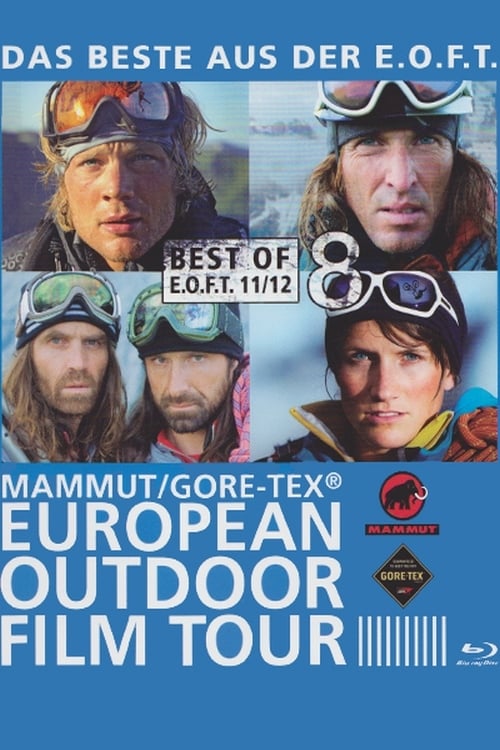
The best films of the European Outdoor Film Tour 11/12.
Documentary about the first ascent of "Incantations" (E6-6b) on the Tophet wall in Wasdale, UK, by British climbers Pete Whillance and Dave Armstrong, in August 1984. The film is part of the Lakeland Rock documentary series (5/6), which today constitute important documents of the history of modern free climbing and its evolution.
In the late 1970s and early 1980s, Jill Lawrence and Gill Price, members of the women's climbing club Pinnacle Club, made the first female ascents of difficult routes, laying the foundations for what would develop in the 1980s. In 1984, in the Lake District, Gill Price and Jill Lawrence were filmed climbing Empire E3 6a at Raven Crag, Thirlmere, for a Channel 4 program, Lakeland Rock, with Chris Bonington, broadcast on Channel 4 on 25 May 1985. This event marked a turning point in British women's climbing, as few, if any, women appeared on television climbing difficult sport routes.
The biggest stories from the climbing world, told with humor, heart, and mind-bending action. Featuring Alex Honnold in Honnold 3.0, Chris Sharma and Adam Ondra in La Dura Dura, Conrad Anker, Jimmy Chin and Renan Ozturk in Shark's Fin, The Wide Boyz, Sasha DiGiulian, Daila Ojeda and more.
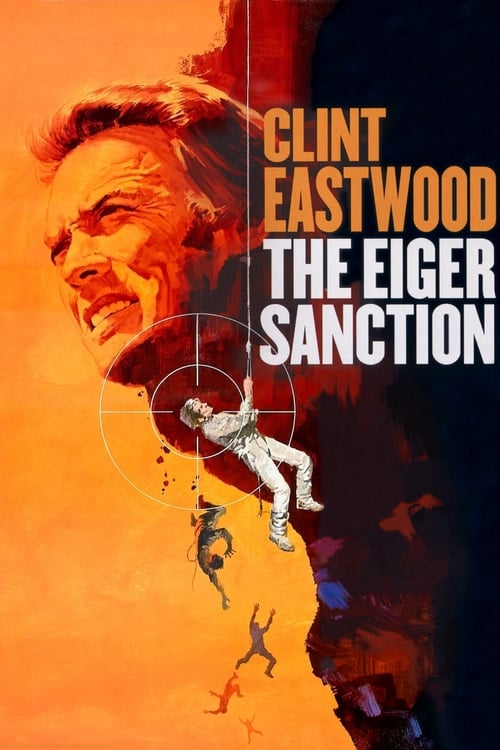
A classical art professor and collector, who doubles as a professional assassin, is coerced out of retirement to avenge the murder of an old friend.
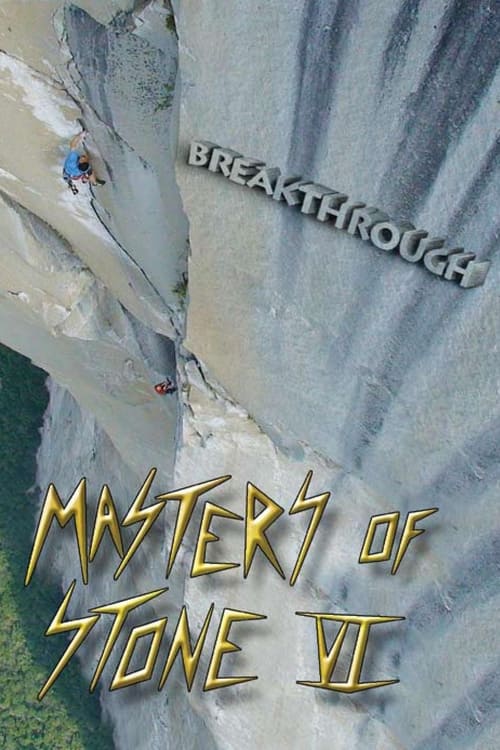
Once again, Masters of Stone breaks through to the cutting edge of the sport. Harder, Faster, Bolder, Newer, and more...six points of breakthrough in all.... where human edges toward the superhuman. This is the Super Bowl, Olympics, and Boston Marathon of rock climbing, all rolled into one. More than any other sport, rock climbing continually redefines its rules and resets its limits. Yesterday's impossible becomes today's warm-up as advances in mental and physical mastery combine to break new ground. Every few years the Masters of Stone series delivers a new episode that captures these breakthroughs in a tasty mix of music, character, commentary, and above all, visual action.
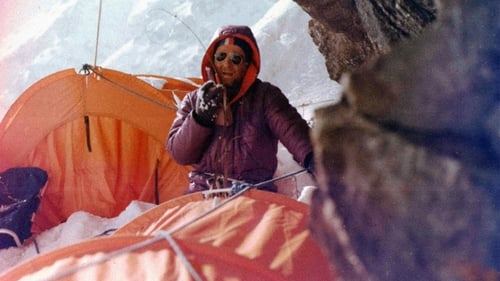
The Himalayan mountain Makalu, located in Nepal, is the fifth highest mountain in the world. In 1973, a Czechoslovak expedition also attempted to climb it via the challenging route, the so-called South Pillar, but it ended tragically. The group of climbers led by the experienced Ivan Kaščák (real-life Ivan Gálfy) is composed of the fittest men. In the base camp and during the preparation of the advanced camps, the expedition struggles with common health problems - a sore tooth, intestinal problems or a cold. For the actual climb to the summit of Makalu, Kaščák chooses a young engineering student Milan, a colleague Karol who is a generation older than him, and a young man Jož. In the advanced camp, without Kaščák's knowledge, he gives up his place to the ambitious Karol. However, due to fatigue and lack of oxygen, Milan falls down a snowy slope and injures his head and spine. He can‘t be transported down.