Footage shot in and around North Bergen, New Jersey presented in a minimalist series of fixed camera angles and long-takes accompanied by the ambient noise of city streets.
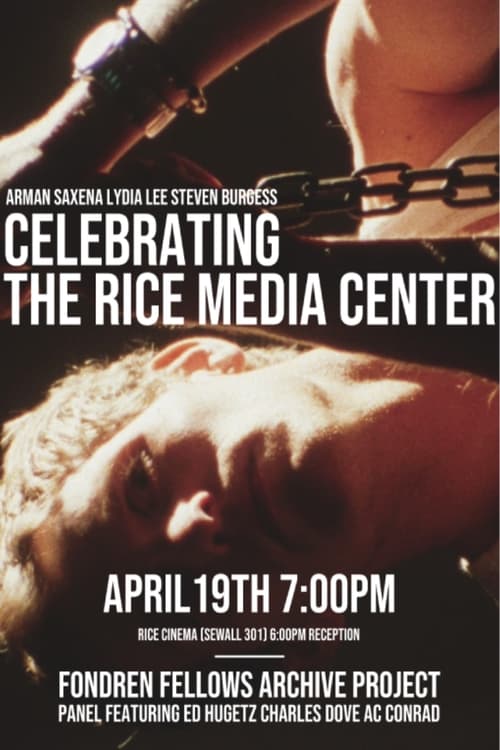
Through the Fondren Fellows program, the Rice Media Center Archive Project has spent the past few months sifting through material stored at the now-defunct Rice Media Center. The team has identified several films as especially notable and will be presenting them in conjunction with documentary footage the team shot of people involved with the films. From lectures featuring Roberto Rossellini and Werner Herzog to films from former Rice students and faculty, the film presentation will tell the narrative of the Rice Media Center through the films and filmmakers that passed through its corridors.
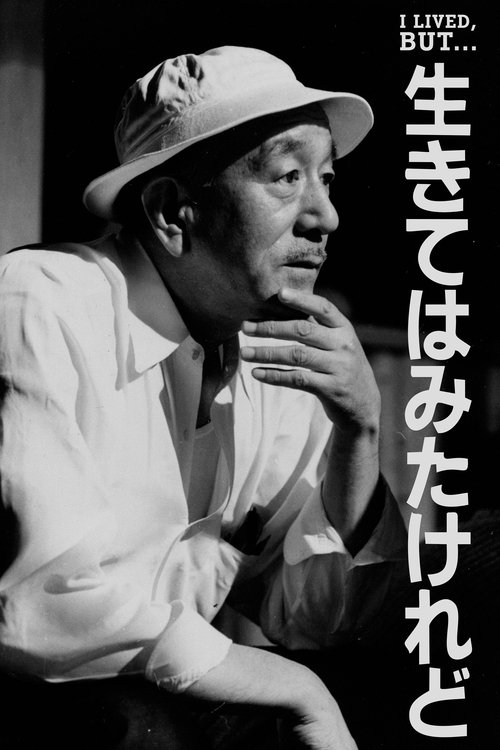
An extremely lovely tribute to Ozu, on the 20th anniversary of his death. It uses a combination of footage from vintage films and new material (both interviews and Ozu-related locations) shot by Ozu's long-time camera-man (who came out of retirement to work on this). Surprisingly (or perhaps not), it focuses less on Ozu's accomplishments as a film-maker than on his impact on the lives of the people he worked with..
With exclusive behind-the-scenes access into Herzog’s everyday life, rare archive material and in-depth interviews with celebrated collaborators – including Christian Bale, Nicole Kidman, and Robert Pattinson, we are given an exciting glimpse into the work and personal life of the iconic artist.
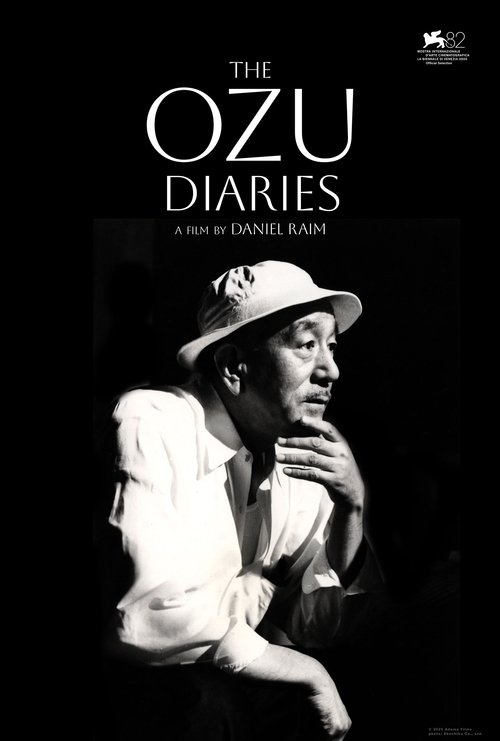
Unveiling Yasujiro Ozu’s legacy through his personal diaries, letters, and interviews, the documentary delves into his life, creative process, and lasting impact on filmmaking.
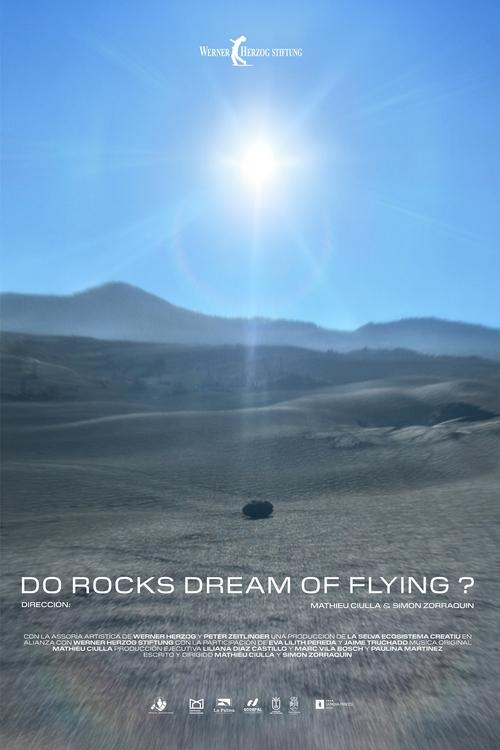
Two young documentarists travel around a forsaken island in the aftermath of a cataclysmic volcanic eruption. Their wanders lead them to the encounter of Professor Pereda, an acoustic geologist, conducting researches on geo-acoustics.
A pre-fame Werner Herzog (Adam Ezagouri) is asked to share a flat with a strange new actor only known as Klaus Kinski. Herzog agrees but soon regrets his generous decision as Kinski proves to be one uncanny flatmate. Despite their disagreements, both decide to try and shoot Herzog's own version of Don Quixote, with disastrous consequences.
It seemed like a typically quiet night... but the most unexpected encounter leads Chris to a difficult choice.
Anne Bean, John McKeon, Stuart Brisley, Rita Donagh, Jamie Reid and Jimmy Boyle are interviewed about their artistic practice and the legacy of Surrealism on their work.
Documentary about painter Petar Dobrovic.
Perhaps this is Robert Vas' most personal film; a portrait of his country - Hungary - as seen through the eyes of an exile. Robert Vas escaped from his homeland after the brutal crushing of the 1956 Hungarian Uprising by the Russians and he was never able to return. He portrays his country through the writings of Hungary's national poets and illustrates the film with images of the Revolution and of the society it would become in the years immediately following 1956. The film was transmitted on the 20th anniversary of the crushing of the uprising.
A documentary about a convent of Russian Orthodox nuns in Estonia who have dedicated their lives to serving God.
A visual artist and a musician create a series of works in which paintings and musical scores form cohesive pieces intended to be experienced together. The works interpret the excitement and monotony of life in the urban desert sprawl from the diverse perspectives of the native and the newcomer.
Featuring unprecedented access inside the White House and State Department, The Final Year offers an uncompromising view of the inner workings of the Obama Administration as they prepare to leave power after eight years.
The film explores what transformations in power and politics do to art, how much opportunism can be found in “pure” art and whether fascist symbols can ever regain their aesthetic innocence. The questions it addresses about the relationship between ethics and aesthetics make a valuable contribution to any discussion about art and power.
Recy Taylor, a 24-year-old black mother and sharecropper, was gang raped by six white boys in 1944 Alabama. Common in Jim Crow South, few women spoke up in fear for their lives. Not Recy Taylor, who bravely identified her rapists. The NAACP sent its chief rape investigator Rosa Parks, who rallied support and triggered an unprecedented outcry for justice. The film exposes a legacy of physical abuse of black women and reveals Rosa Parks’ intimate role in Recy Taylor’s story.
This episode from the Czech Journal series examines how a military spirit is slowly returning to our society. Attempts to renew military training or compulsory military service and in general to prepare the nation for the next big war go hand in hand with society’s fear of the Russians, the Muslims, or whatever other “enemies”. This observational flight over the machine gun nest of Czech militarism becomes a grotesque, unsettling military parade. It can be considered not only to be a message about how easily people allow themselves to be manipulated into a state of paranoia by the media, but also a warning against the possibility that extremism will become a part of the regular school curriculum.