Documentary about the painters Augustus John and James Dickson Innes who, in 1911, left London for the wild Arenig Valley in North Wales. Over three years, they created a body of work to rival the visionary landscapes of Matisse.
Siân Phillips
as Narrator
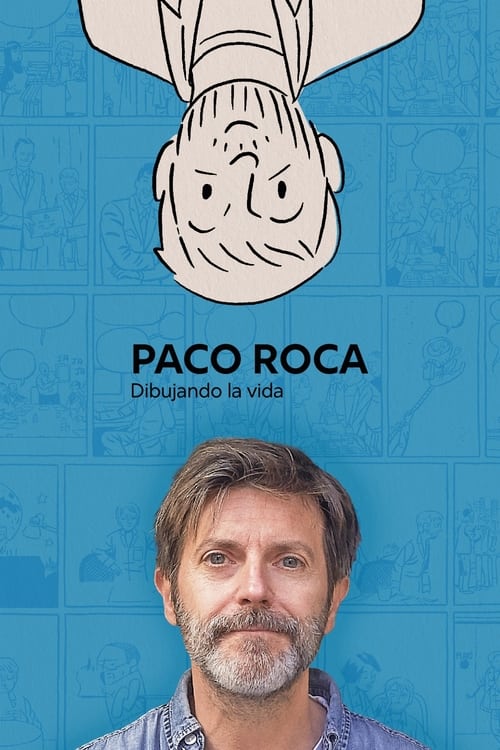
A portrait of Spanish comic book author Paco Plaza.
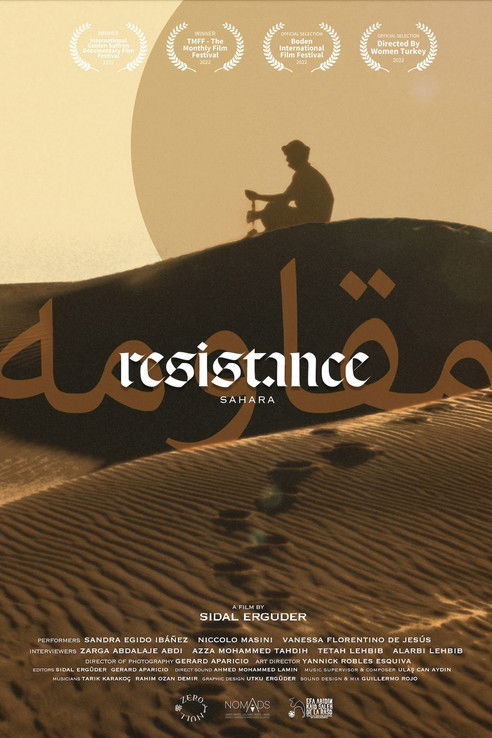
Resistance Sahara, a haunting yet playful exploration of the liminal space between experimental, documentary, and fictive filmmaking, presents an artistic response to the Sahrawi refugee crisis from the frozen war in Western Sahara. Bringing international artists from a mix of disciplines to the Sahara Desert, and with them will create something new, a response to what they encounter. The film mix testimony from the mouths of the people who live in each zone of crisis with music; image; and symbolism. The audience is invited to reconsider their view of the nature of human suffering, and to build a new bridge of empathy with the people in these remote and sometimes forgotten places..
An artist had a vision for art and expressed it in his paintings, fashion designs, and photographs. He created a virtual reality exhibition and virtual reality artworks that people could experience and feel.
Shows how classical Rome, the church, and the life and times of the people have influenced Italian artists. The Gates of Paradise by Ghiberti, the Arena Chapel in Padua. Giotto's frescoes, and other historic Italian monuments and works of art are pictured. For junior and senior high school, college, and adult groups.
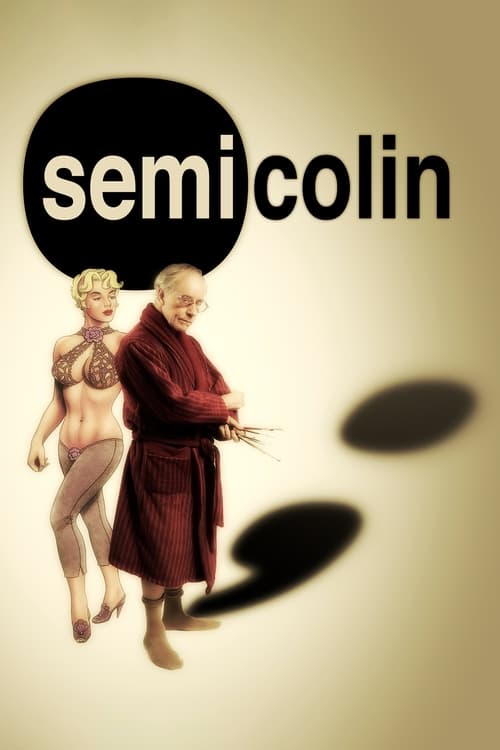
Challenging all notions of genre, Semi Colin is a living, breathing art installation. Part performance, part art, part social comment, Colin philosophizes on his life's obsessive work as an erotic artist.
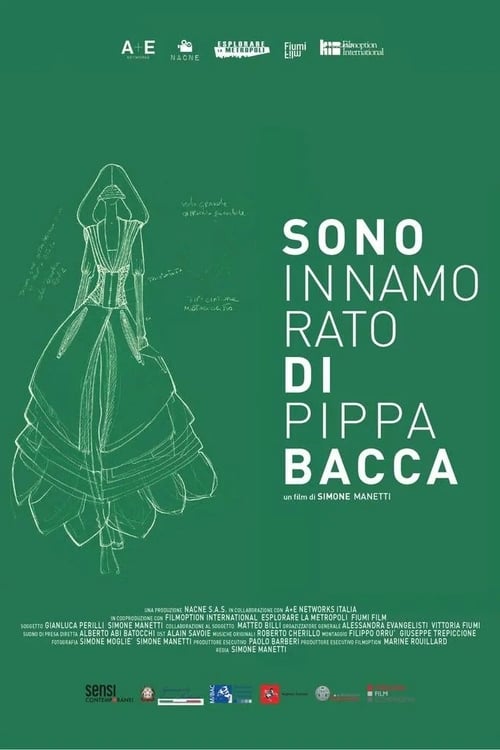
Giuseppina Pasqualino di Marineo, better known as Pippa Bacca, was a 34 years old Italian artist. She crossed 11 countries involved in wars, hitchhiking with another Milanese artist, Silvia Moro, both wearing a wedding dress. This was a performance for peace, trust and hoping to prove that if you rely on others, you’ll receive good things only. After travelling many roads, the two artists decided to split for a while in Istanbul, planning to meet again in Byblos. Pippa left then, alone, and nobody heard from her again.
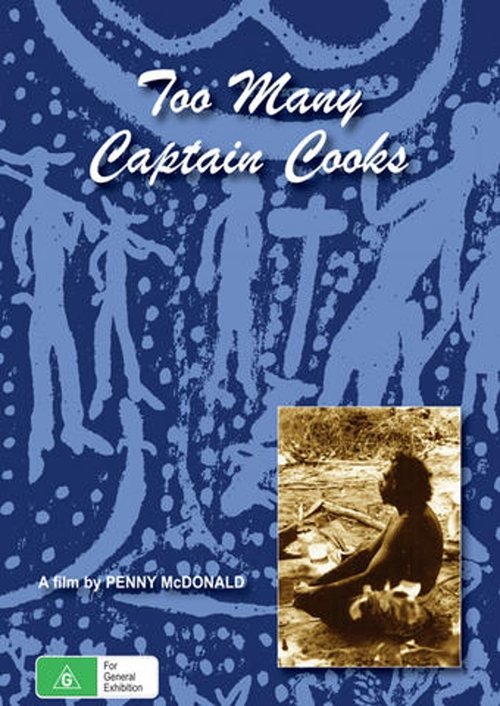
For both Aboriginal and non-Aboriginal Australians, Captain James Cook is a figure of great historical significance.
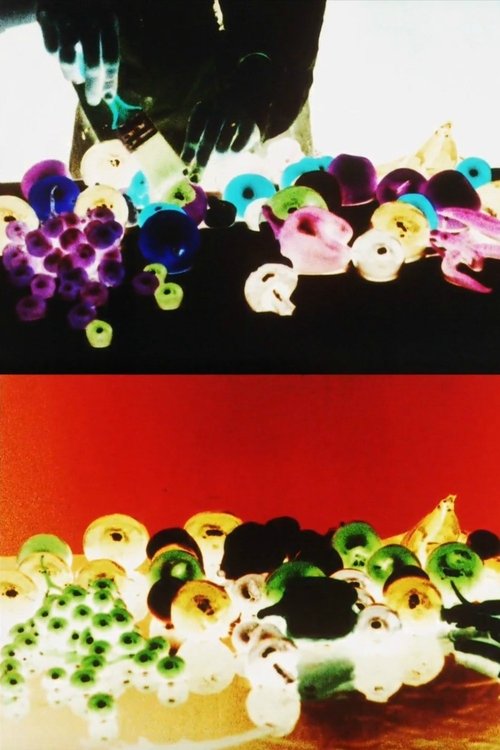
This film explores the transformation of an image from color negative to color positive on one film stock. “The Still Life“ was painted its color negative during the filming and then the exposed film was processed and printed on color negative printstock.
The Victorian era is often cited for its lack of sexuality, but as this documentary reveals, the period's artists created a strong tradition surrounding the classical nude figure, which spread from the fine arts to more common forms of expression. The film explains how 19th-century artists were inspired by ancient Greek and Roman works to highlight the naked form, and how that was reflected in the evolving cultural attitudes toward sex.
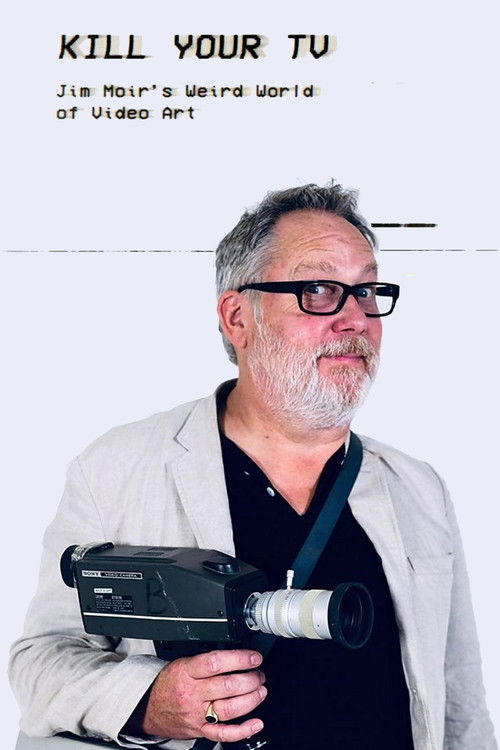
Jim Moir (aka Vic Reeves) explores Video Art, revealing how different generations ‘hacked’ the tools of television to pioneer new ways of creating art that can be beautiful, bewildering and wildly experimental.
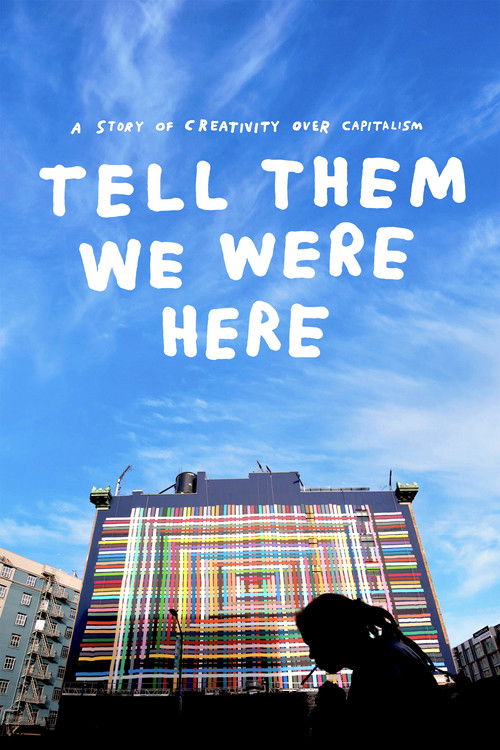
Tell Them We Were Here is an inspirational feature-length documentary about eight artists who show us why art is vital to a healthy society and reminds us that we are stronger together.
Facing one of humanity’s biggest questions, ‘what is left of us after our death?’, this haunting documentary covers the author’s thought process on the idea of what might remains of us after we die, supported by the vision of an artist who decided to come back in Italy after spending forty-seven years in New York and turn his little apartment into a mausoleom where his death-filled artworks will lay along with his ashes. Raising questions like ‘are the things we create in our lifetime the mark of our existance?’ and ‘can the artist escape death trough the art objects?’ the documentary touches a vast variety of themes and ideas as well as paying a visit to one of the oldest mausoleums in ancient mythology, the Acheron River.
To celebrate the 100th anniversary of the birth of the surreal art movement, comedian Jim Moir (a.k.a. Vic Reeves) presents this documentary exploring the history of Dadism and the lasting influence it has had on himself and others.
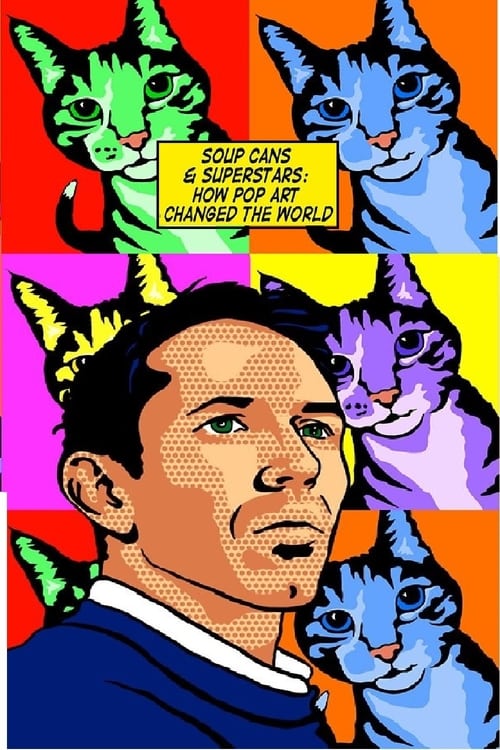
Alastair Sooke champions pop art as one of the most important art forms of the twentieth century, peeling back pop's frothy, ironic surface to reveal an art style full of subversive wit and radical ideas. In charting its story, Alastair brings a fresh eye to the work of pop art superstars Andy Warhol and Roy Lichtenstein and tracks down pop's pioneers, from American artists like James Rosenquist, Claes Oldenburg and Ed Ruscha to British godfathers Peter Blake and Allen Jones. Alastair also explores how pop's fascination with celebrity, advertising and the mass media was part of a global art movement, and he travels to China to discover how a new generation of artists are reinventing pop art's satirical, political edge for the 21st century.
Contemporary artist Koki Tanaka sets up a booth at a Los Angeles flea market to sell palm fronds. "I tried to bring something very extreme into the flea-market context. I picked the palm fronds because they are the most useless things in California – they’re what we have to sweep away after a windy day. It was an experiment in registering people’s reaction to a fundamental question about the value of objects. And I was referencing two historical pieces: David Hammons’s Bliz-aard Ball Sale [1983], where he sold snowballs during winter in New York; and a Japanese manga called Munou no Hito [A Worthless Person, 1985], in which the protagonist sells stones by the riverside – stones being sold alongside stones. So both shared quite similar ideas." - Koki Tanaka
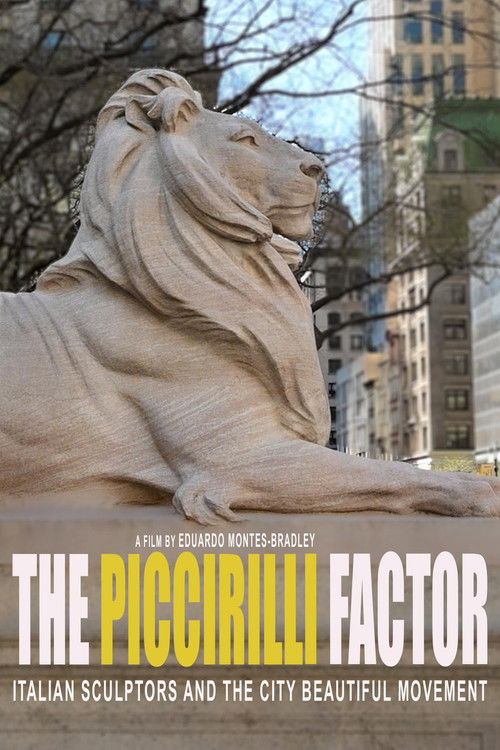
The Piccirilli family settled in New York City and started the largest and most prolific marble carving studio in America. For nearly 50 years, Piccirilli sculptors helped shape the architectural landscapes of Washington and New York through hundreds of monuments, memorials, and artworks, many of which are preserved in museums and private collections.
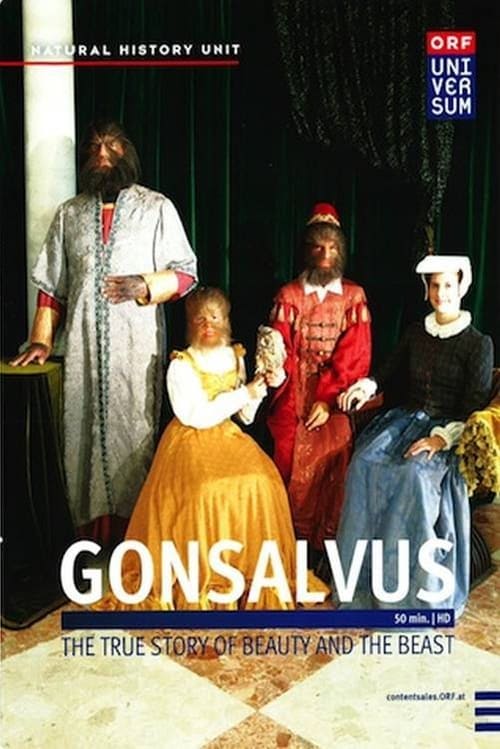
It's a condition known as "hypertrichosis" or "Ambras Syndrome," but in the 1500s it would transform one man into a national sensation and iconic fairy-tale character. His name: Petrus Gonsalvus, more commonly known today as the hairy hero of Beauty and the Beast.
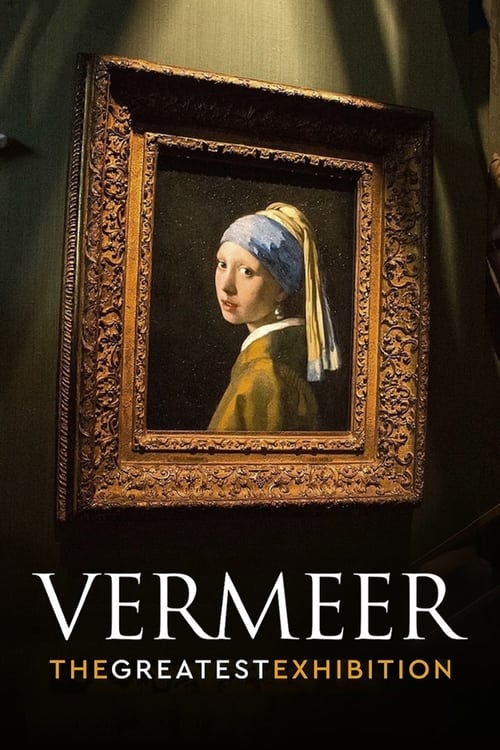
With loans from across the world, this major retrospective will bring together Vermeer’s most famous masterpieces including Girl with a Pearl Earring, The Geographer, The Milkmaid, The Little Street, Lady Writing a Letter with her Maid, and Woman Holding a Balance. This film invites audiences to a private view of the exhibition, accompanied by the director of the Rijksmuseum and the curator of the show.