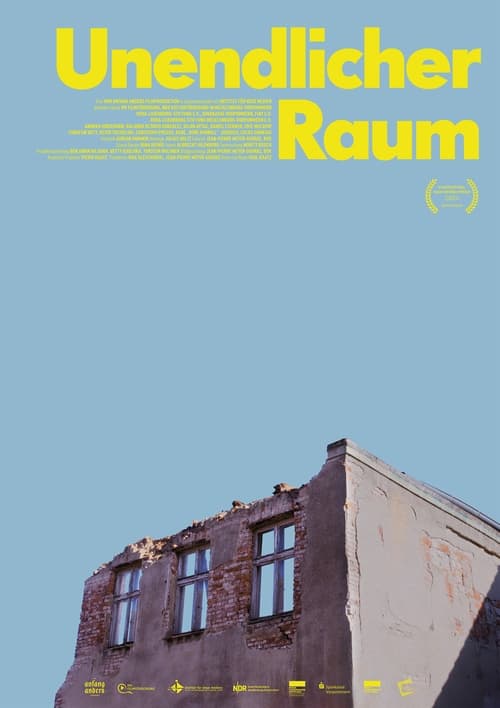
In this documentary Angela Zumpe searches for traces of her brother, who moved from west to east Germany in 1968 to live in the DDR but killed himself eight months after.
Thirty years after the Cold War ends, a former political prisoner of the East German secret police searches for the truth after learning his brother spied on him for the regime, and discovers the lasting effects of living in a surveillance state.
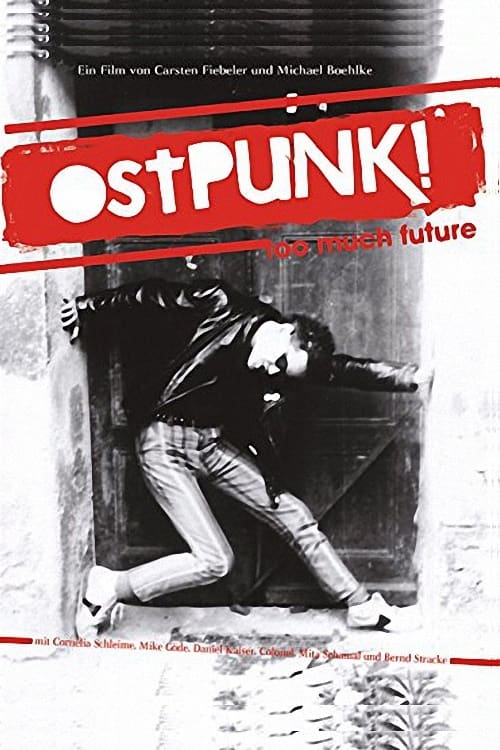
Tells the story of punk in the GDR.
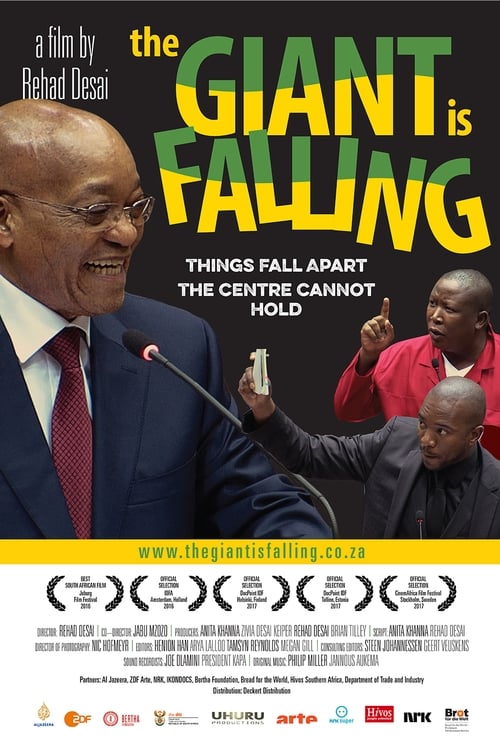
The film documents the key political issues in recent years in South Africa that have marked the demise of the African National Congress (ANC). These include the Marikana massacre in August 2012, whereby 34 striking miners were gunned down by the ANC government's police force. Rehad Desai documented this historic event in his 2013 film MINERS SHOT DOWN. He refers to the incident once again in his latest film and shows how the ANC is undermining its close connections to the trade unions it set up as a freedom movement under Nelson Mandela, and how students have also turned on the party to protest against tuition fees under the motto #FeesMustFall. The film's compelling footage unmasks the cynical despotism of corrupt president Jacob Zuma, who is chiefly responsible for the ANC's demise and its catastrophic losses at the most recent elections. It also introduces opposition movements that are challenging his now-untenable position.
During the 16th Workers' Festival in Dresden in 1976, a student group of Chilean emigrants paints a mural symbolically depicting the activity of the Unidad Popular during Salvador Allende's reign. Festival guests comment on this work. Music by Chilean music group Jaspampa, formed in Leipzig in 1972.
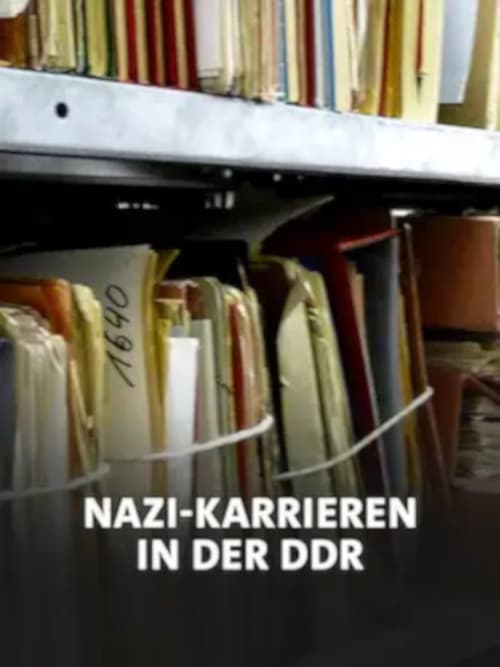
It was a foundational myth of the GDR that it was anti-fascist and free of Nazis. But was that really the case? The film takes a critical look on the actual way the brown heritage was dealt with in the GDR.
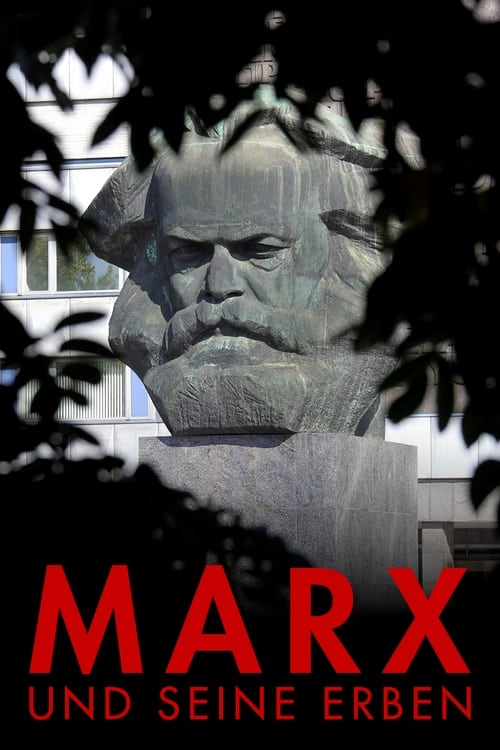
Over the past hundred years, dramatic social upheavals have taken place in the name of Karl Marx's theories. In Western Europe, the student movement of 1968 and the Eurocommunists were inspired. And in recent times, the thinker has experienced a renaissance.
Portraits six lesbian protagonists from rural and metropolitan parts of the formerly socialist Republic and has them tell their captivating and sometimes outrageous life stories.
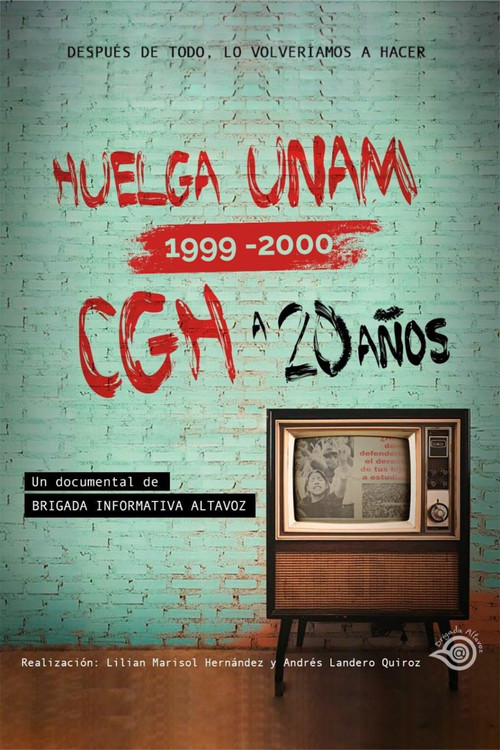
After noticing the shortcomings of its university BUAP by its students, it suffers its biggest unemployment in recent years. The faculty of plastic and audiovisual arts show the life they had and the ties that were formed during thirty-three days
Berlin, summer 1988: While Michael Jackson and Pink Floyd perform in the West, East Berliners can look forward to Bruce Springsteen, Depeche Mode and James Brown. The documentary reveals how the organizers enforced the concerts with the state authorities. On the anniversary of the fall of the Wall.
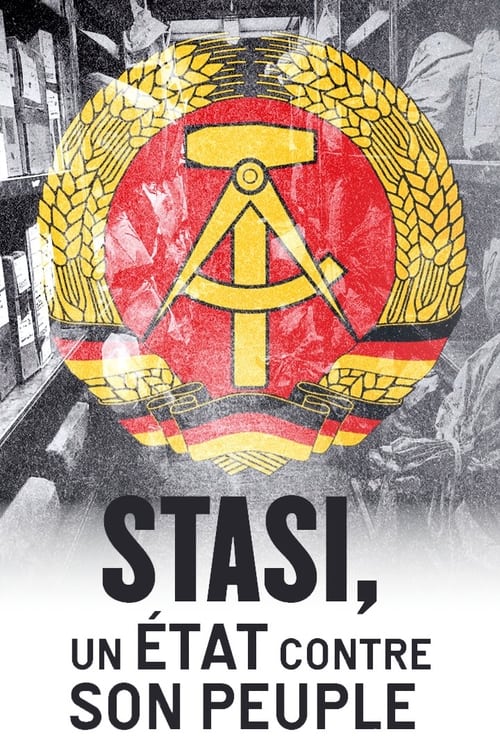
After the fall of the Berlin Wall, thousands of documents were hastily shredded by the dreaded GDR political police. 16,000 bags filled with six million pieces of paper were found. Thanks to the meticulous work of technology, the destinies of men and women who had been spied on and recorded without their knowledge could be reconstructed.
2024 is likely to be a decisive year for Sahra Wagenknecht's political future. In the arena of power, she might assume a role that she is already very familiar with. In the early years following the fall of the Berlin Wall, Sahra Wagenknecht became the "most famous face" of the PDS, the successor party to the SED. Yet, even as the youngest member of the party's executive board, she was considered a "disruptive factor." She is unyielding and swims against the tide. Sahra Wagenknecht does not distance herself from Stalinism, nor from the Berlin Wall, and wishes for a reformed GDR.
Docudrama about life, career and breakdown of Erich Mielke, the former Security chief of East Germany.
Marcel Ophüls interviews various important Eastern European figures for their thoughts on the reunification of Germany and the fall of Communism.
A documentary exploring a crime that shocked Germany in the summer of 1999.
"Busch singt" consists of 6 films "About the first part of our century" and does not present Ernst Busch only as a singer but is a film with and about Busch as a chronicler and fighter for communist ideals of his time. Konrad Wolf died during the production, he directed part 3 "1935 oder Das Faß der Pandora" and part 5 "Ein Toter auf Urlaub".