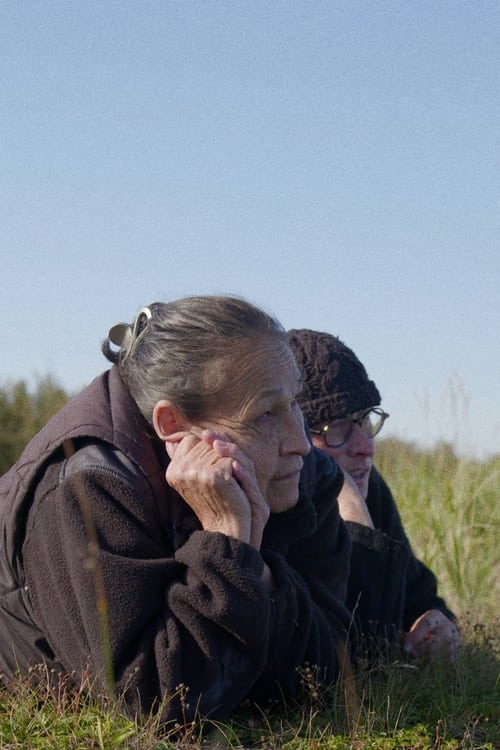
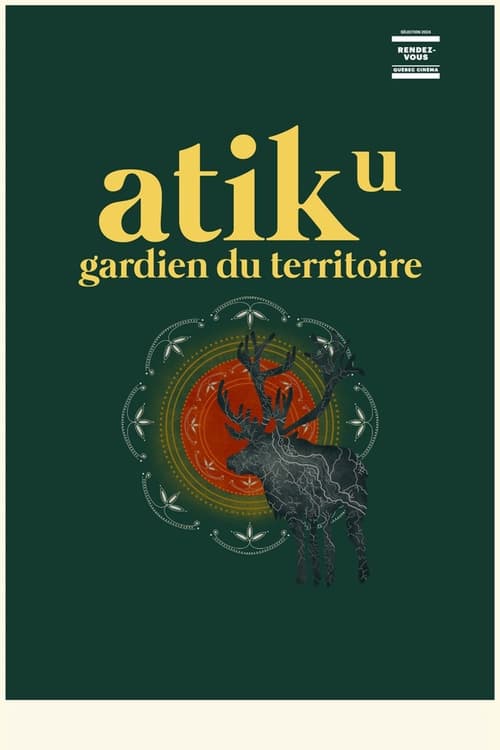
Filmmaker Éli Laliberté explores Nitassinan, an Innu territory north of Sept-Îles. His camera follows Clément and Tekuanan. The first is a modern-day coureur des bois, the other returns to Nutshimit, his ancestral family territory.
Jean-Guy McKenzie
as
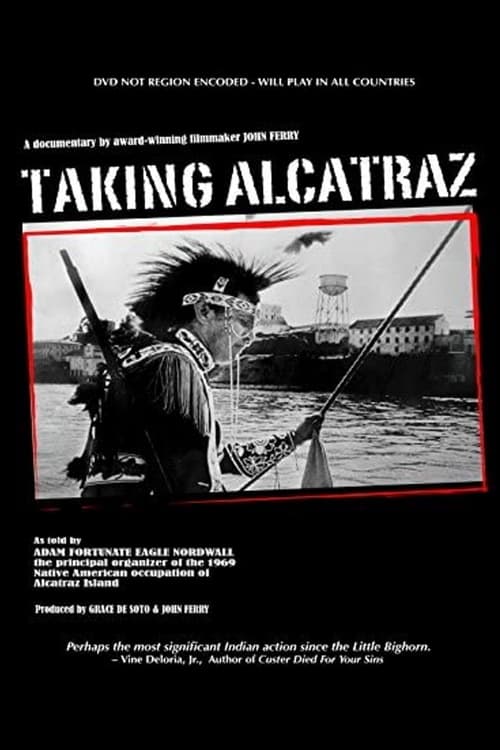
A documentary account by award-winning filmmaker John Ferry of the events that led up to the 1969 Native American occupation of Alcatraz Island as told by principal organizer, Adam Fortunate Eagle. The story unfolds through Fortunate Eagle's remembrances, archival newsreel footage and photographs.
Waters’ LIFT project, ᏗᏂᏠᎯ ᎤᏪᏯ (Meet Me at the Creek), is the fourth of a quartet of films, and focuses on interconnectedness and Cherokee values through the lifelong fight of Rebecca Jim, a Cherokee Nation citizen and waterkeeper warrior, as she leads the effort to restore Tar Creek in Miami, Oklahoma.
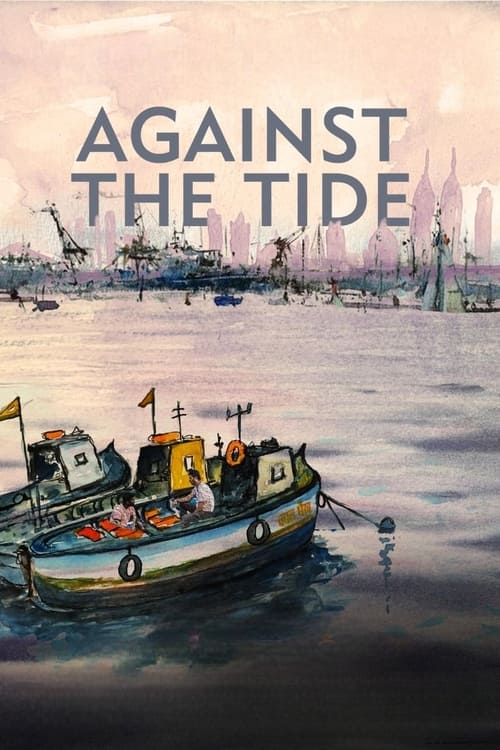
Two friends, both Indigenous fishermen, are driven to desperation by a dying sea. Their friendship begins to fracture as they take very different paths to provide for their struggling families.
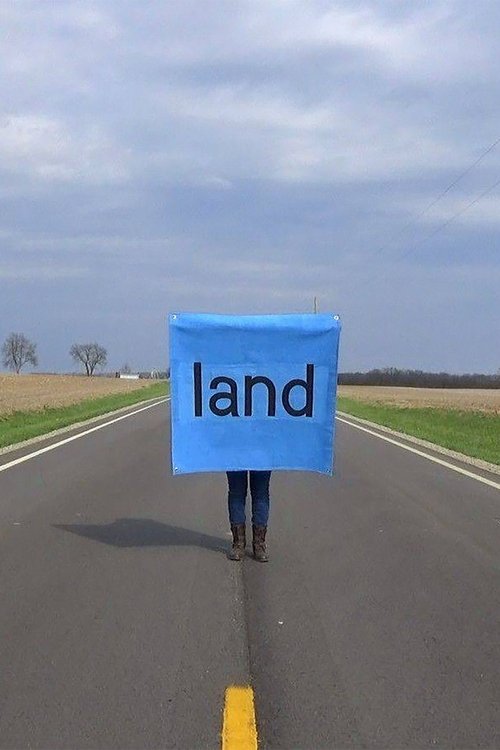
In 2020, just as the pandemic was beginning, Gazala purchased land in western Ohio, on which sits a disused school building. This site allowed her to explore her complex relationship with “the land.” As the daughter of displaced indigenous Palestinians, she attempts to form a proxy bond with the earth, on ground that was stolen from the displaced indigenous Shawnee people. Closeness to the Land is video footage of hand-painted text signs that translate the word الأرض (ard) into six English words, displayed performatively in multiple locations to capture the now-invisible nature of indigenous culture in Ohio. These signs were installed on the old schoolhouse in early 2021.
TOKYO Ainu features the Ainu, an indigenous people of Japan, living in Greater Tokyo (Tokyo and its surrounding areas), who are and actively in promoting their traditional culture in a metropolitan environment away from their traditional homeland, Hokkaido. Shedding a common assumption that all Ainu live in Hokkaido, the film captures the feelings, thoughts and aspirations of Ainu people that who try to follow the Ainu way no matter where they live.
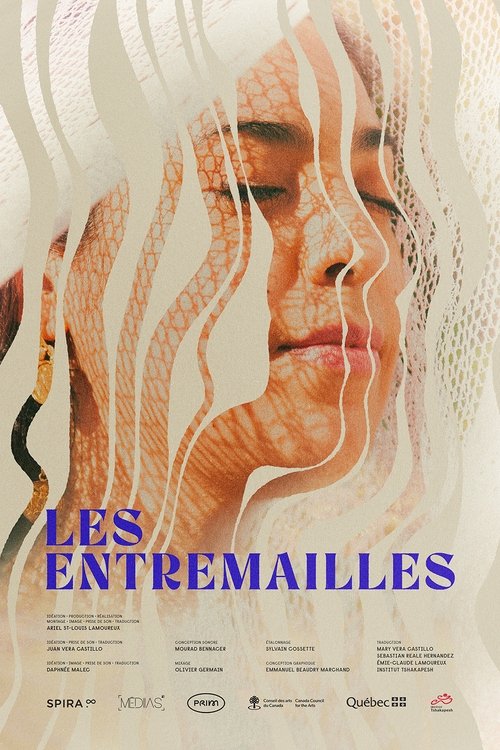
Five female artisans from the Innu, Franco-Quebecois, and Zapotec peoples discuss their work. Their techniques, objects, and textile traditions give rise to stories that overlap. Their clothing reflects on identity and otherness.
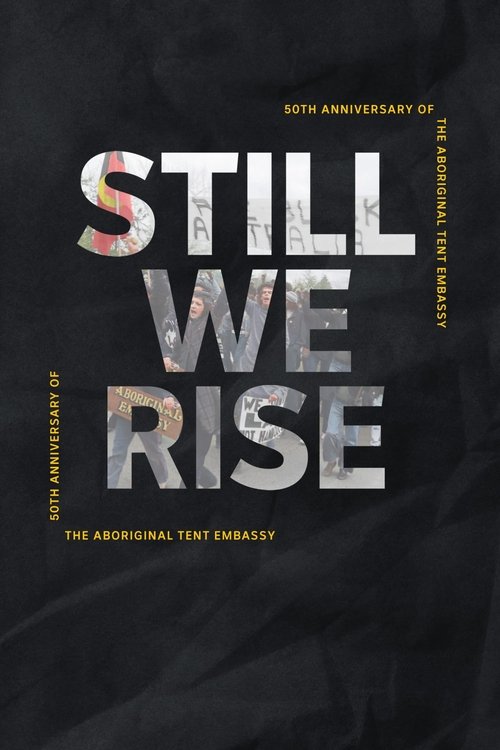
50 years on, the Aboriginal Tent Embassy is the oldest continuing protest occupation site in the world. Taking a fresh lens this is a bold dive into a year of protest and revolutionary change for First Nations people.
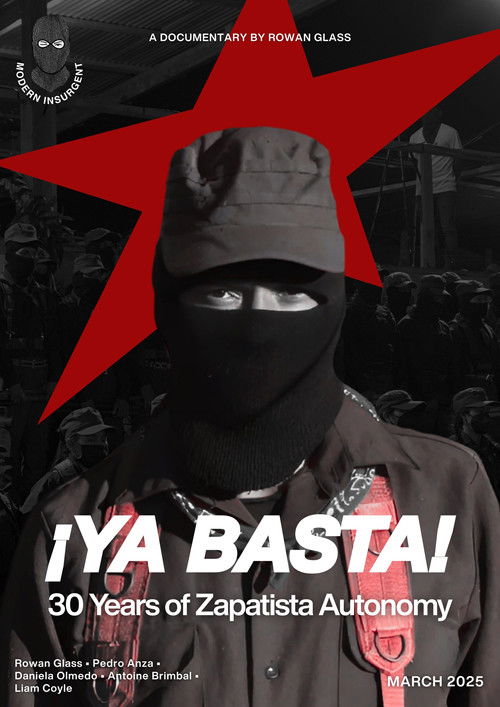
In the mountains of Chiapas, a rebel experiment in autonomy continues to thrive – thirty years after its declaration of war against the Mexican state. ¡Ya Basta! 30 Years of Zapatista Autonomy, a Modern Insurgent documentary, explores the legacy and future of the EZLN, reflecting on how a masked, rural rebellion reshaped Mexico’s political landscape and inspired activists across the globe. What does revolution look like when it refuses to seize state power? And what can the world learn from a community that continues to build its own system from the ground up?
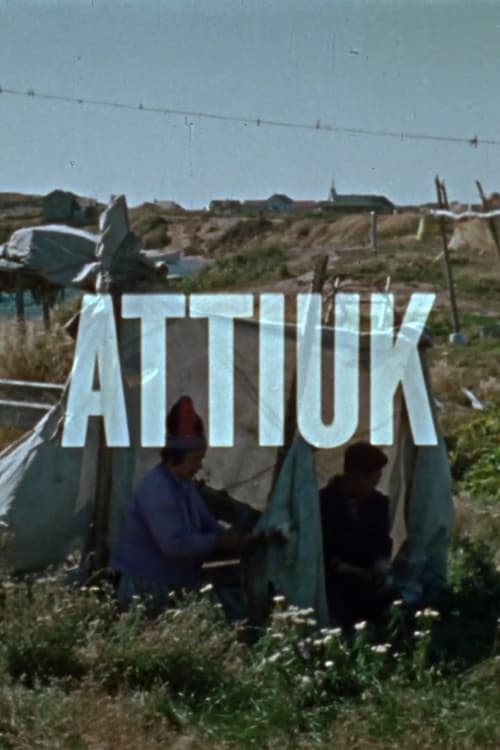
The people of Unamenshipu (La Romaine), an Innu community in the Côte-Nord region of Quebec, are seen but not heard in this richly detailed documentary about the rituals surrounding an Innu caribou hunt. Released in 1960, it’s one of 13 titles in Au Pays de Neufve-France, a series of poetic documentary shorts about life along the St. Lawrence River. Off-camera narration, written by Pierre Perrault, frames the Innu participants through an ethnographic lens. Co-directed by René Bonnière and Perrault, a founding figure of Quebec’s direct cinema movement.
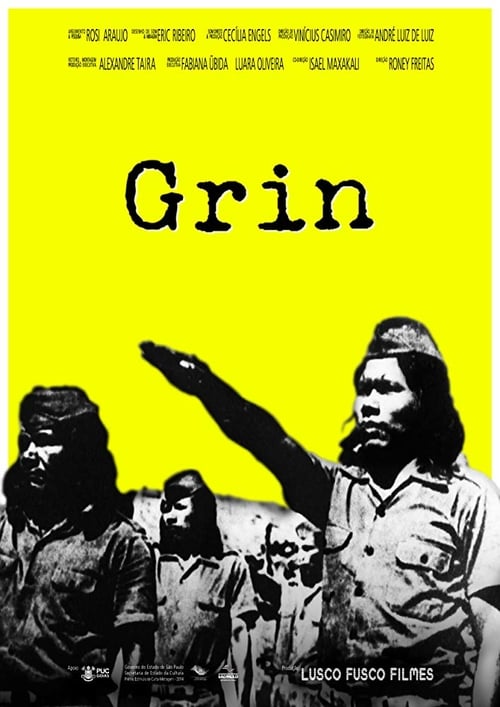
A Maxakali filmmaker brings out memories about the formation of the Indigenous Rural Guard (Grin) during the military dictatorship in Brazil, with reports of violence suffered by their relatives.
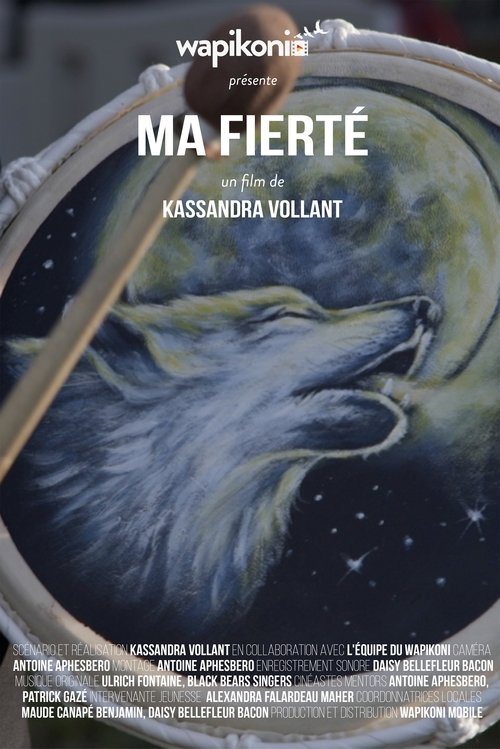
Spontaneous portrait of an endearing and cheerful teenager living in balance between traditionalism and modernity. She presents her regalia to us and we share her pride in being Innu.
For the Suruí, an indigenous people in western Brazil, there was a lot at stake in the 2022 presidential elections. Under incumbent President Bolsonaro, logging and mining companies were given free rein in their territory. His opponent Lula, on the other hand, pledged to protect the Amazon and uphold Indigenous rights. Tribal leader Almir and his daughter, the young activist Txai Suruí, are each followed during their campaign in the final month before the elections. While Txai travels abroad to raise awareness about the destruction of the rainforest, Almir campaigns across the state of Rondônia, seeking support for his congressional bid.
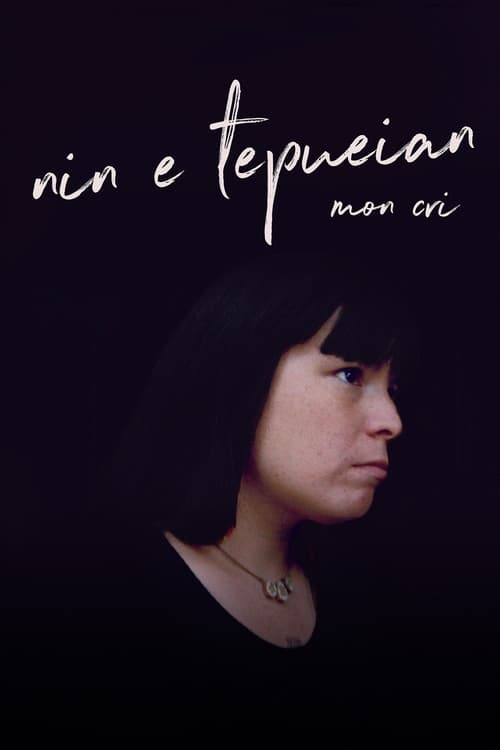
NIN E TEPUEIAN - MY CRY is a documentary tracks the journey of Innu poet, actress and activist, Natasha Kanapé Fontaine, at a pivotal time in her career as a committed artist. Santiago Bertolino's camera follows a young Innu poet over the course of a year. A voice rises, inspiration builds; another star finds its place amongst the constellation of contemporary Indigenous literature. A voice of prominent magnitude illuminates the road towards healing and renewal: Natasha Kanapé Fontaine.
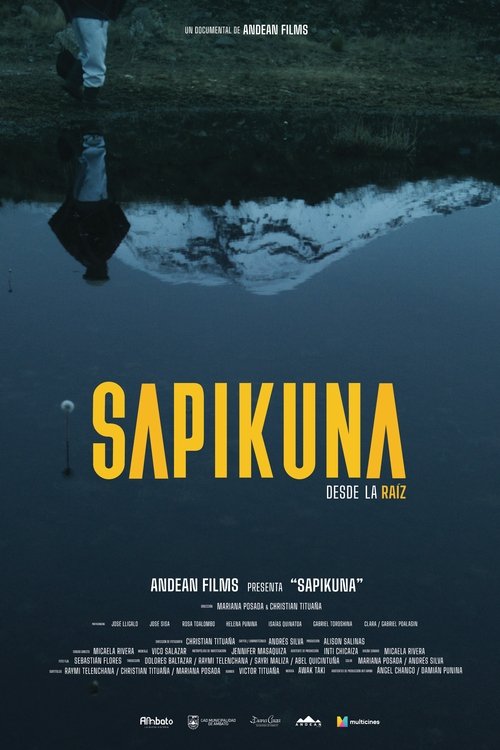
SapiKuna is a documentary exploring the ancestral knowledge of the Kichwa cultures in the Ecuadorian highlands. Through voices, rituals, and landscapes, it highlights the connection between memory, identity, and resistance.