Léonie Simaga
as Annette Lévy-Willard (voix)
A behind-the-scenes documentary about the Clinton for President campaign, focusing on the adventures of spin doctors James Carville and George Stephanopoulos.
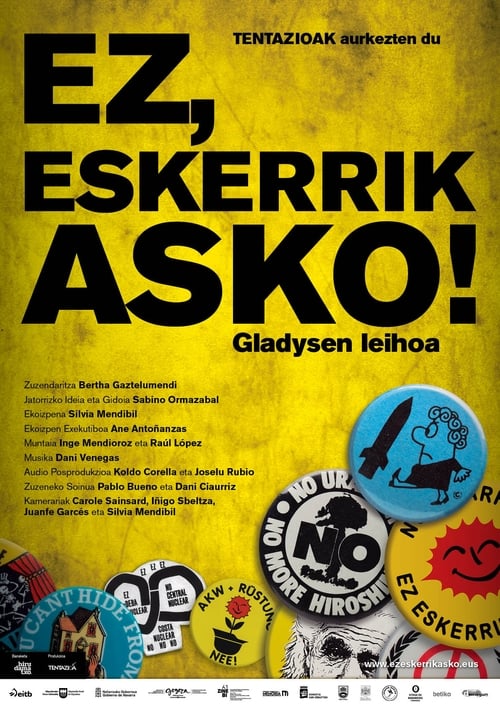
At the beginning of the 80s, the antinuclear movement was in full expansion internationally and also in the Basque Country. In addition to the three plants that were about to be built on the coast (Lemoiz, Ea-Ispaster and Deba), a fourth was planned to be built in Arguedas. To protest against this, mobilizations were organized in Tudela. Gladys del Estal Ferreño traveled to Tudela, but did not return. In that peaceful demonstration, she was killed by the gunshot of a Civil Guard. This documentary, following the Gladys incident, tries to make a portrait of a social movement that attracted the majority of Basque society at that time.
The follow-up film to “Barstow, California” takes us to the mountains of Miyama, a remote forest and tourist area north of Kyoto. Uwe Walter, a shakuhachi player from Germany, lives there with his wife Mitsuyo for 30 years. Together with the villagers he prepares the annual Gion Festival. On the eve of the festival, the village representatives tell him that his self-built studio is to be demolished. This brings back memories for him of earlier times and his first steps as a Nō actor. In the manner of a fresco, the film interweaves rural depictions of everyday life with the story of its German protagonist. In the village community with its togetherness of generations, Uwe shares life with his neighbours, with farmers, hunters, woodsmen, poultry farmers and anglers, tills his kitchen garden, and like other tradition-conscious villagers, he also grows his rice. The film shows them in a harsh mountain landscape between the rainy season and the first snow.
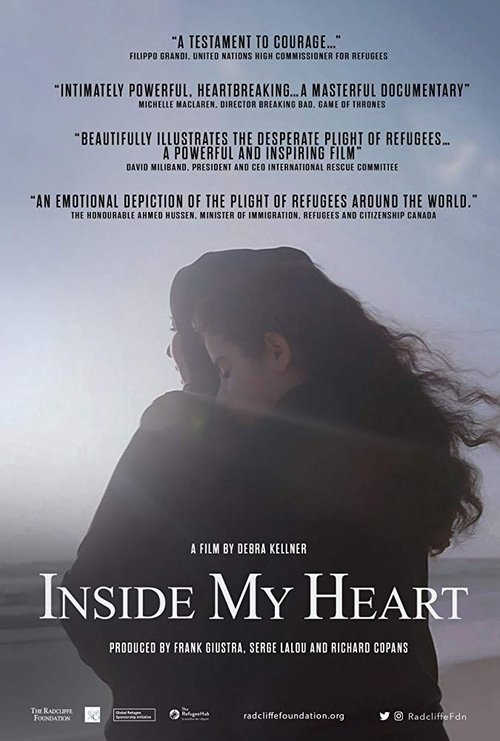
A documentary film by Canadian Director Debra Kellner, produced by Frank Giustra, Serge Lalou, and Richard Copans. Inside My Heart chronicles the plight of three refugee families fleeing their war torn countries over a period of nearly 3 years. Despite having lost everything and their harrowing stories about the atrocities of war, each family continues their fight to stay alive. Unable to return to their countries without the risk of being killed, today they are forced to live with the consequences of their broken dreams.
Hot Spots: Martin Parr in the American South, a thirty minute documentary short, examines the photography of Magnum's most controversial and prolific member as he gathers images for his first commission by a major American art museum, the High Museum of Art in Atlanta. From the first shot at the Cactus Car Wash to the unusual travel tip offered to Martin at the Atlanta Steeple Chase six months later. Psychobillys, tailgate partiers, roller derby teams, art collectors and gamblers...Martin Parr's energy and x-ray vision burn through the South like a modern day William Hogarth's. The film features interviews with Susan Meiselas, Philip Gefter, John Gossage and Julian Cox. Hot Spots shows us Martin Parr at his most outrageous.
It arises from the nostalgia for a place that witnessed the growth of two generations, but is now abandoned, awaiting its prompt demolition.
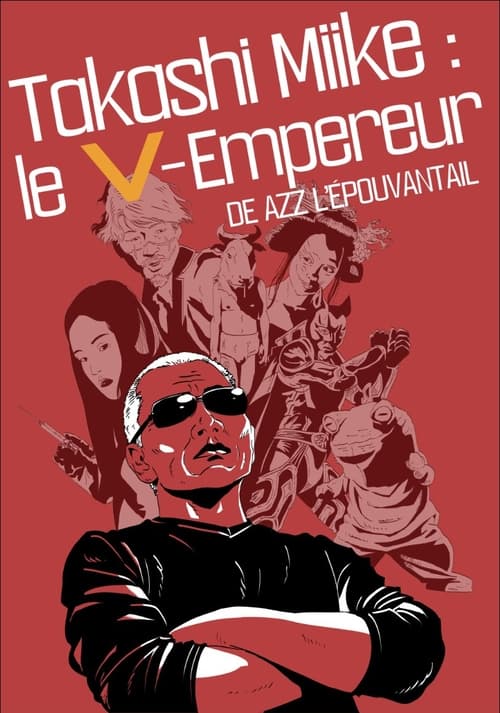
Takashi Miike is a cinema monster. Let's return to his filmography, his main themes, the framework of his monumental universe.
The Simpsons: America's First Family is a 50 minute program which features the production of The Simpsons, celebrating the 10th anniversary of the series.
A feelgood documentary about Nothing, in which Nothing, tired of being misunderstood, tries to defend its cause. Filmed worldwide by 100+ complementary DoPs, scored by cabaret grandmasters Pascal Comelade & The Tiger Lillies, narrated - in simple childish verse - by Iggy Pop.
A film about the close relationship between two brothers. Markus (10) and Lukas (7) live in an old, yellow townhouse in the middle of Oslo. The river runs close to their home. A paradise in the heart of a big city. Here the brothers grow up with their dreams and longings for the future.
In 1970s California, a serial killer dumps young boys' bodies along the freeways. An L.A. street reporter on the case receives information that embroils him in the dilemma of a lifetime. Decades later, lost confession tapes help experts uncover the truth.
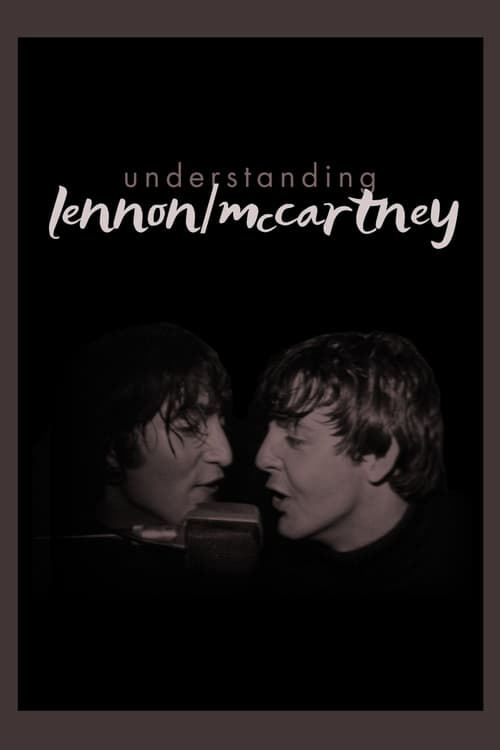
This 5-part series is the most intimate, comprehensive biography ever made on John and Paul. Told almost entirely through their own words and music, with information culled from a variety of direct sources and compiled in a way that has never been done before, it directly challenges many of the dominant narratives in Beatles mythology.
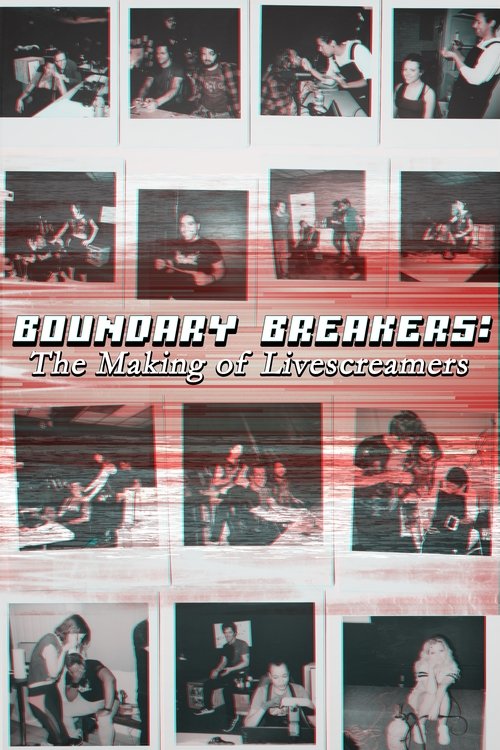
Follow the cast and crew of Livescreamers across their five day shoot, and go deep behind the scenes of how the innovative horror film was brought to life.
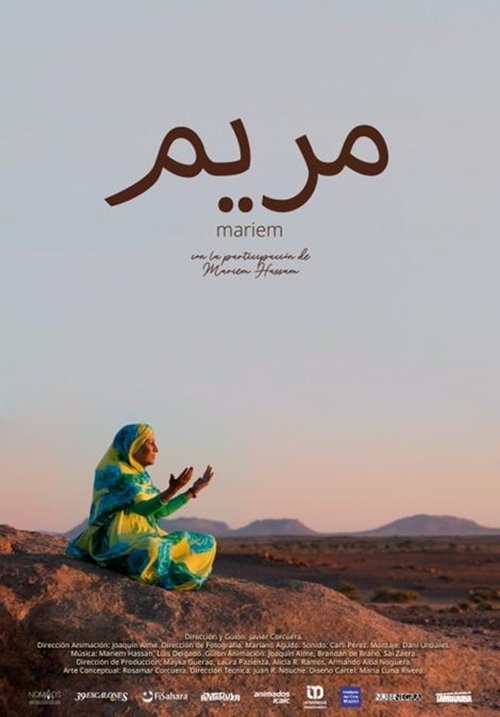
Mariem Hassan, Sahrawi refugee, composer and Western Sahara's most emblematic singer, died of cancer in 2015. Soon before her passing, Mariem returned to the liberated territories of her homeland, where she had spent her childhood. There, she told us her story and sang for the last time. This film pays tribute to her last testimony and her art.