The Truth About Reading looks at the illiteracy problem in America, highlighting people who learned to read as adults, and sharing proposed solutions for working towards a future where every child learns to read proficiently.
John Corcoran
as Self
David Chalk
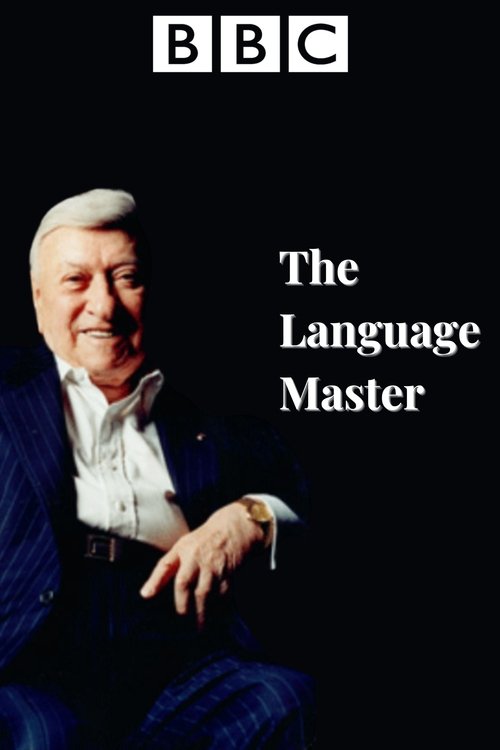
Could dyslexia be a gift? Or can it only ever be a disability? Documentary maker Richard Macer sets off on a road trip with his dyslexic son Arthur to find the answer. En route, they meet Richard Branson and Eddie Izzard, and many other successful dyslexic people. - BBC
In the late 1960s, with the triumph of bilingualism and biculturalism, New Brunswick's Université de Moncton became the setting for the awakening of Acadian nationalism after centuries of defeatism and resignation. Although 40% of the province's population spoke French, they had been unable to make their voices heard. The movement started with students-sit-ins, demonstrations against Parliament, run-ins with the police - and soon spread to a majority of Acadians. The film captures the behind-the-scenes action and the students' determination to bring about change. An invaluable document of the rebirth of a people.
A Calling to Care is the inspiring story of 55 year-old Grace Stanley, a Canadian nurse who left her home and prestigious career behind to answer a calling halfway around the world in Karachi, Pakistan. Teaching nursing to local women in a strict Muslim culture that forbids them to even to touch men is a formidable task. However, Grace challenges her own values and belief systems to find common ground with her students, helping them to excel and feel respect for themselves in a culture that doesn't respect them. Whether it is getting her hands painted with henna, swimming fully-clothed in the ocean, or marching bravely with them on International Women's Day, Grace bonds with her students in a very special way, and ultimately discovers how the West can learn a lot more from the Third World than she ever thought.
In America, the prison system has become a place of retribution, not restoration. Inmates are often treated as sub-human, and often find themselves feeling hopeless. But a small midwest college decides to give inmates an opportunity to earn a bachelor's degree. Experience the journey of the resilient inmates as they fight incredible odds to change their lives – and change the system.
La Lucha follows five students navigating trauma, poverty, and broken systems as they fight to graduate. With expert voices and national stats, the film challenges us to rethink education from the ground up
In a Europe traumatized by the First World War, educationalists point the finger of blame: the school, which produced “brave soldiers”. The task now is to build peace and develop a new education for a generation of children who, it is hoped, will never wage war again. How can we educate them without surveillance and punishment? How can we help them to emancipate themselves? To make children happy is to make them better adults, according to those who embarked on the adventure. Their names are Rudolf Steiner, Maria Montessori, Célestin Freinet, Alexander S. Neill, Ovide Decroly, Paul Geheeb or Janusz Korczak, each of them inventing educational methods. A Swiss pedagogue, Adolphe Ferrière, brought them together in the Ligue internationale de l'éducation nouvelle.
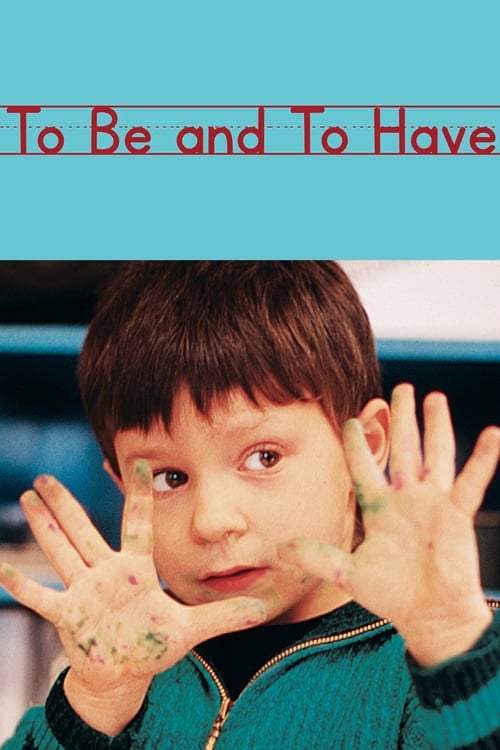
The documentary's title translates as "to be and to have", the two auxiliary verbs in the French language. It is about a primary school in the commune of Saint-Étienne-sur-Usson, Puy-de-Dôme, France, the population of which is just over 200. The school has one small class of mixed ages (from four to twelve years), with a dedicated teacher, Georges Lopez, who shows patience and respect for the children as we follow their story through a single school year.
Ana Deborah Mola and Belkis Lescaille were among the first young teachers who started pilot programs around the island of Cuba in 1960, laying foundation for the massive National Literacy Campaign that would take place the following year.
In this short documentary, a Musqueam elder rediscovers his Native language and traditions in the city of Vancouver, in the vicinity of which the Musqueam people have lived for thousands of years. Writing the Land captures the ever-changing nature of a modern city - the glass and steel towers cut against the sky, grass, trees and a sudden flash of birds in flight and the enduring power of language to shape perception and create memory.
A glimpse into a refreshingly different sex education class in the Netherlands.
Every day, at sunrise, the Sítio Porto Alegre School students arrive by boat for another school day. As Professor Rui seeks to catch the attention of the 3rd grade children, new principal Leidi and school boatman Raimundo try to solve the lack of fuel problem caused by the little money sent by the government. These are rainy days in Curralinho township, on Marajó Island, where a school community resists.
A zebu disappears while children are drawing it. They find it again in the woods. The notes of a harp accompany their multi-coloured joy. This short was made with children from a nursery school in Mantua. Playing with colours, the children seem to conquer the world.
For the first time, four DC youth play in mountain streams, sing under the stars, and confront the entrenched abuse of their past. As they return to the city, each faces an unforgiving series of roadblocks that challenge their efforts to build a better life. From street corners to mountaintops, Fly By Light is an intimate exploration of the emotional journey to rewrite a young person's future.
Yagorihwanirats, a Mohawk child from Kahnawake Mohawk Territory in Quebec, attends a unique and special school: Karihwanoron. It is a Mohawk immersion program that teaches Mohawk language, culture and philosophy. Yagorihwanirats is so excited to go to school that she never wants to miss a day – even if she is sick.
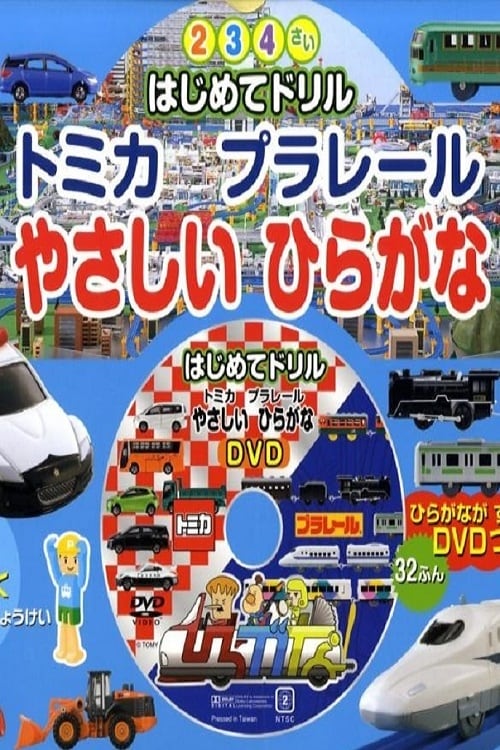
For 2-4 year old children, the Tomika Prarail friendly hiragana first time drill. Learn hiragana characters with the aid of Tomika Prarail trains and cars.
A satirical presentation of the public school debate, exhibiting three different teaching methods. First, the authoritarian education system of old; Second, a more modern form, combining theory and practice; and finally, the teacher's nightmare, where children are taught only the necessities for modern life: sales techniques, status symbols, and how to (quite literally) elbow your way to the top.