Made by the Department of Immigration to entice immigrants from Great Britain, this film shows an idyllic picture of life in the Western Australian regional town of Geraldton in the mid 1960s.
The life and career of the hailed Hollywood movie star and underappreciated genius inventor, Hedy Lamarr.
Documentary film on the plight of Western Australia's forests and their real value in drawing down and storing carbon.
Arizona Sheepdog is a documentary film that was originally released to theaters by Buena Vista Distribution on May 25, 1955 as a double-bill with Davy Crockett, King of the Wild Frontier.
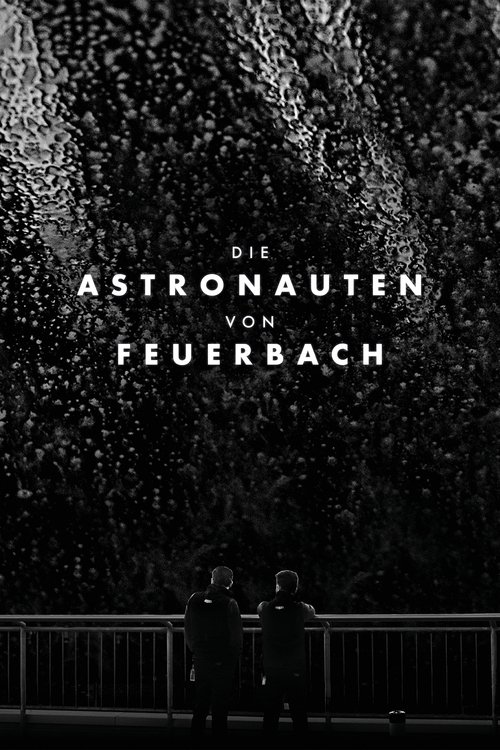
Soon enough humankind will ascend to space. Who can join that mission? Who has to stay behind? In some places it has already started. Men and machine taking flight, leaving for the unknown future. For the endless void. That’s where they meet. The People using machines to clean machines and the people sheltered inside those machines. Destined to collide, never to engage. Welcome to Europes biggest car wash.
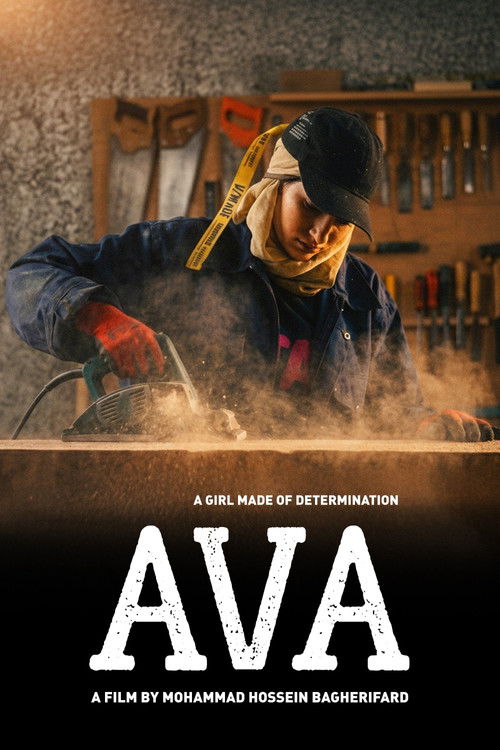
Breaking a centuries-old taboo, Ava stands as the first woman in Iran to master the male-dominated craft of carpentry. Within the grit and clamor of the workshop, she confronts a society that deems her presence forbidden. This observational documentary captures her daily battle against physical hardships and social judgment.
Documentary gathers together portraits of craftspeople in Stolipinovo - a large, racially segregated urban district in Bulgaria. The film shows a cross-section of a community: young, old, modern, traditional - all with something in common, the desire to live and work in a dignified way, through hand-worked crafts. People in the film are both fragile and powerful in their raw honesty against the backdrop of increasingly precarious conditions of labor. "Inherited Crafts" carries a self-reflective style, being made by Osman Yuseinov, himself a craftsman, a master jeweler, working and living in Stolipinovo.
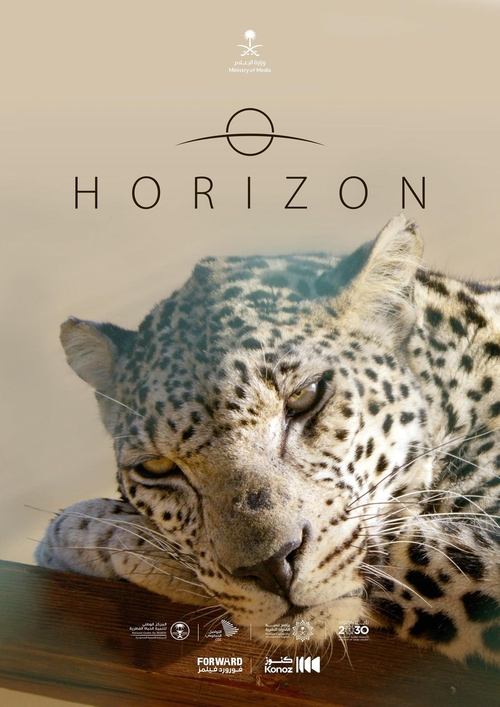
From the turtles of the Farasan Islands to the ibex that dot the Asir Mountains, this documentary captures Saudi Arabia's diverse wildlife and scenery.
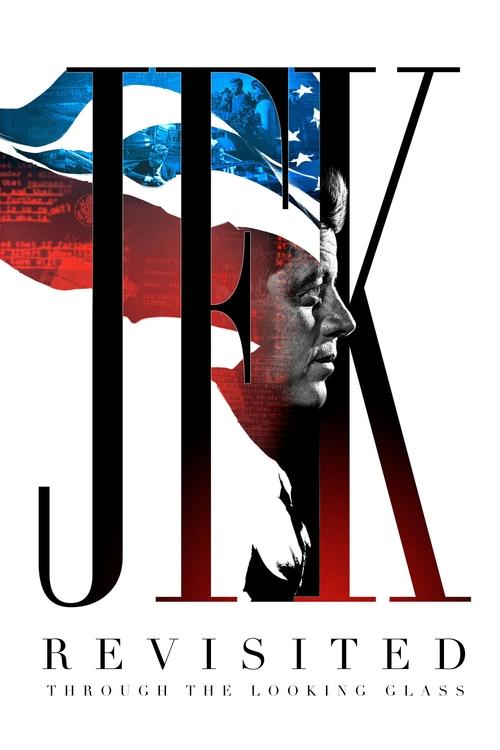
Thirty years after the release of his film JFK (1991), filmmaker Oliver Stone reviews recently declassified evidence related to the assassination of President John F. Kennedy, which took place in Dallas on November 22, 1963.
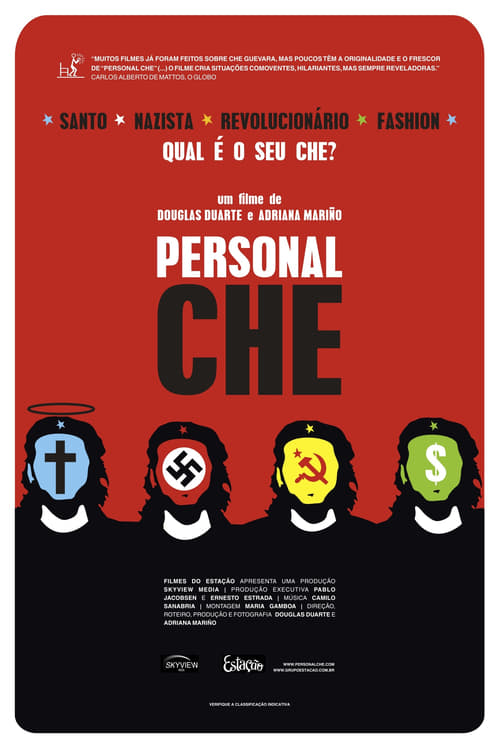
A documentary that explores the myth behind the truth. Different people around the globe reinterpret the legend of Che Guevara at will: from the rebel living in Hong Kong fighting Chinese domination, to the German neonazi preaching revolution and the Castro-hating Cuban. Their testimonies prove that the Argentinian revolutionary's historical impact reverberates still. But like with all legends, each sees what he will, in often contradictory perspectives.
Renata is a survivor from ED (Eating disorder). In this documentary, she tell us the story of how she dealed with that problem, which had putted her relationships and life at risk.
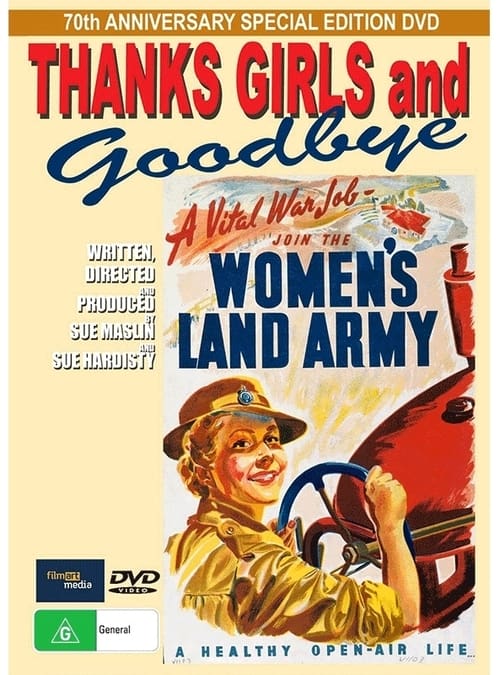
Documentary using archival footage, newsreels and contemporary interviews with women of the WW2 Australian Women's Land Army.
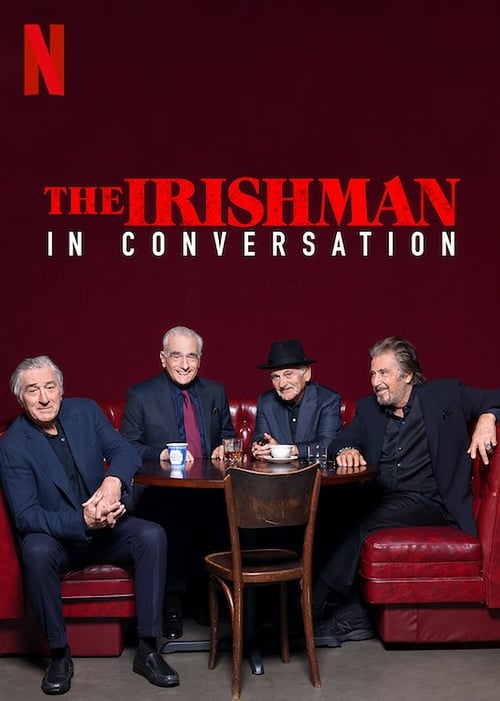
Martin Scorsese, Robert De Niro, Joe Pesci, and Al Pacino in conversation about The Irishman.
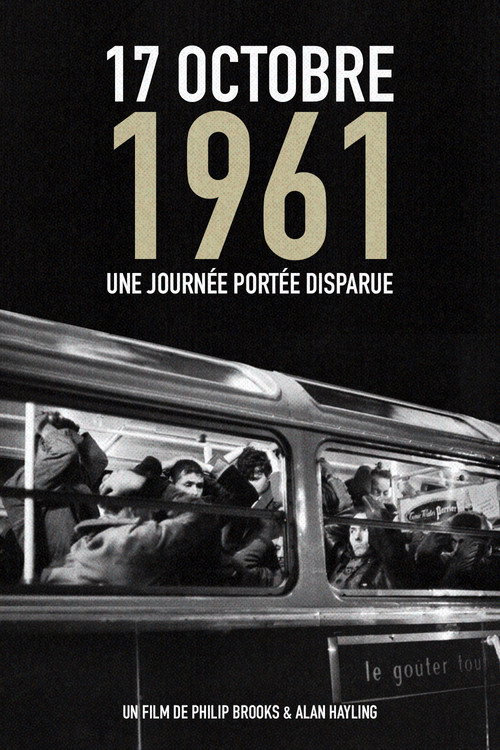
This documentary bears witness to the events that took place more than thirty years before the filming of this movie, on October 17, 1961, in Paris, during the Algerian War. It is a work not only about historical truth but also about memory. Constructed primarily from interviews conducted with those involved in the events, along with archival footage, photographs, and radio broadcasts from the time, our investigation proves that nearly 200 Algerians were killed (drowned, tortured) that night and in the days that followed by the French police. "A Missing Day" seeks to ask two key questions: how could such events have unfolded in the capital of a Western democracy barely thirty years ago? And why have they been silenced ever since?
This is the story of one of Australia's most gruesome murders and the first woman in the nation's history to be sentenced to life in prison with no chance of parole.
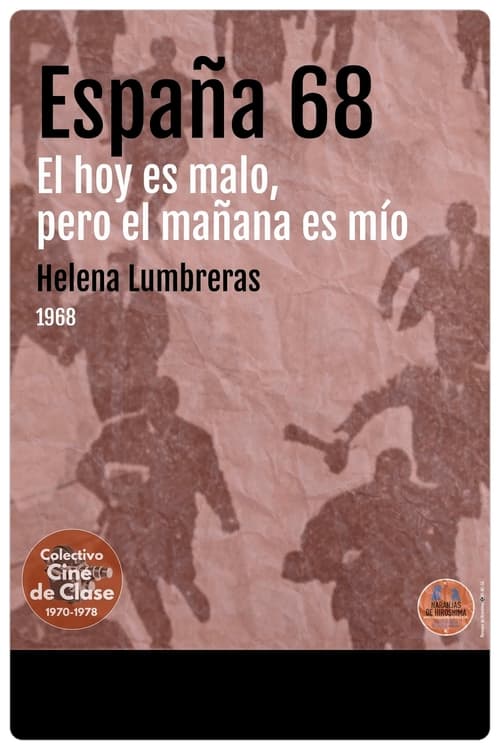
Spain, 1968. An analysis of the political and social situation of the country, suffocated by the boot of General Franco's tyrannical regime. (Filmed clandestinely in Madrid and Barcelona during the spring of 1968.)
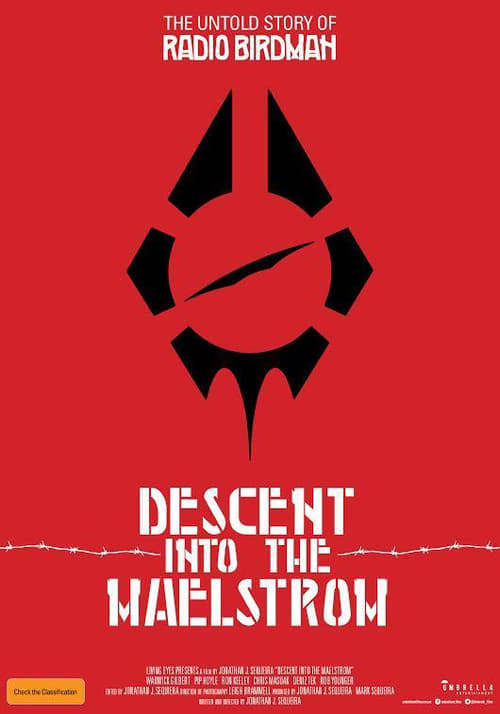
Documentary that chronicles the career of the legendary Australian punk band Radio Birdman.
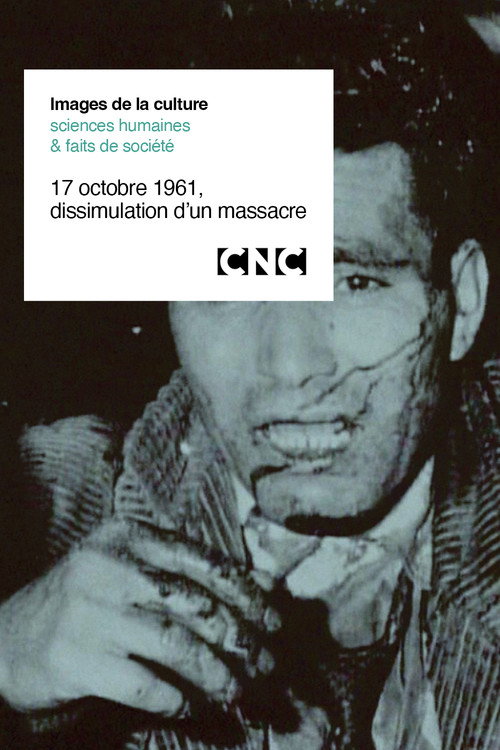
On October 17 and 18, 1961, during a non-violent demonstration against the imposed curfew, dozens of Algerians were murdered in Paris by police officers acting on orders from their superiors. For forty years, this crime has been concealed; yet these events, the deadliest on French soil since the Second World War, resemble, in some respects, the darkest hours of the collaboration. Why has this history been hidden? Under what conditions, and in the name of what reasons, did officials of a democratic state conceal the scale and gravity of such events?
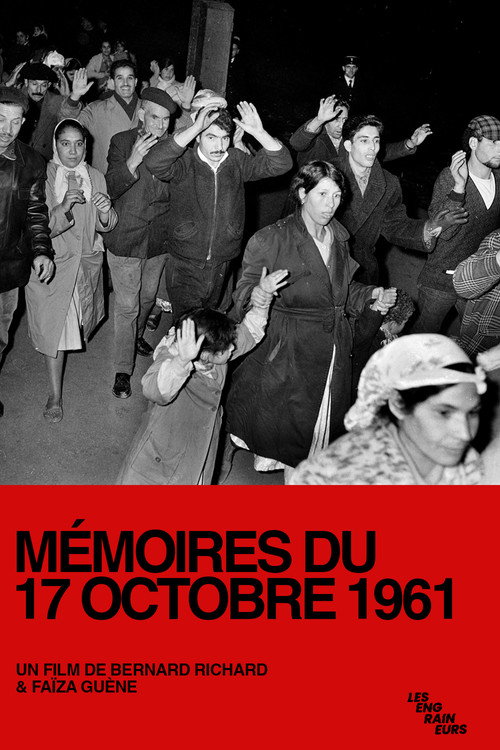
Three demonstrators from October 17, 1961, and a journalist recount the peaceful success of the demonstration and its brutal repression in the streets of Paris. Five months before the end of the Algerian War, the Gaullist government violently suppressed (40 to 300 deaths in a single evening, according to various sources) a peaceful demonstration by the entire Algerian civilian population of the Paris region, protesting the curfew imposed solely on this population (all participants held French citizenship). The government long denied this state crime; the official version: 3 deaths! In 1962, these events were granted amnesty by a simple decree (later enacted into law) issued by the same Gaullist government.