During WWII, there was a need for affordable housing of decent quality. In response, small pre-fabricated homes were built quickly and efficiently to accommodate the influx of workers to urban areas.
For more than a decade, Reichsmarschall Hermann Goering, Adolf Hitler's right-hand man during the infamous Third Reich, assembled a collection of thousands of works of art that were meticulously catalogued.
During World War II, many Japanese immigrants in Santos, Brazil, were forced to move to another place. Matsubayashi draws attention to the fact that 60% of the immigrants were from Okinawa. Based on testimonies from interviewees, this film reveals the hidden historical relationship between Okinawa and Brazil.
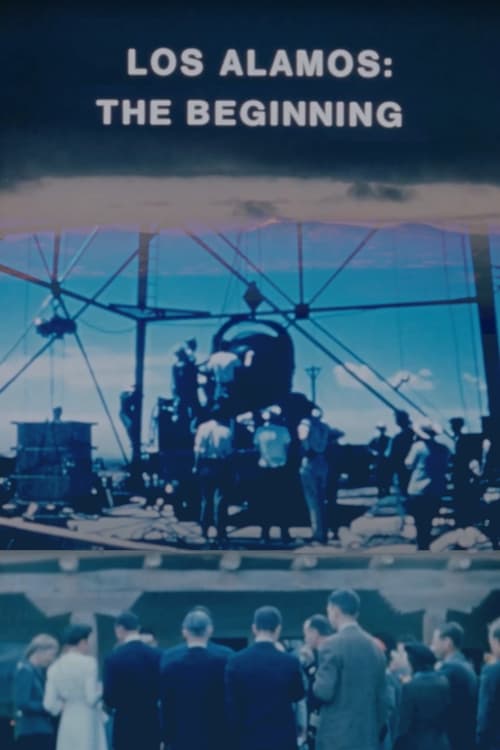
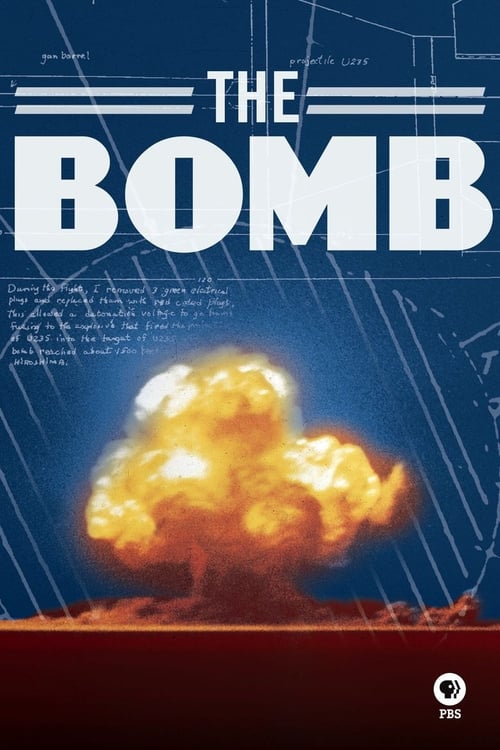
Physicist Ted Hall is recruited to join the Manhattan Project as a teenager and goes to Los Alamos with no idea what he'll be working on. When he learns the true nature of the weapon being designed, he fears the post-war risk of a nuclear holocaust and begins to pass significant information to the Soviet Union.
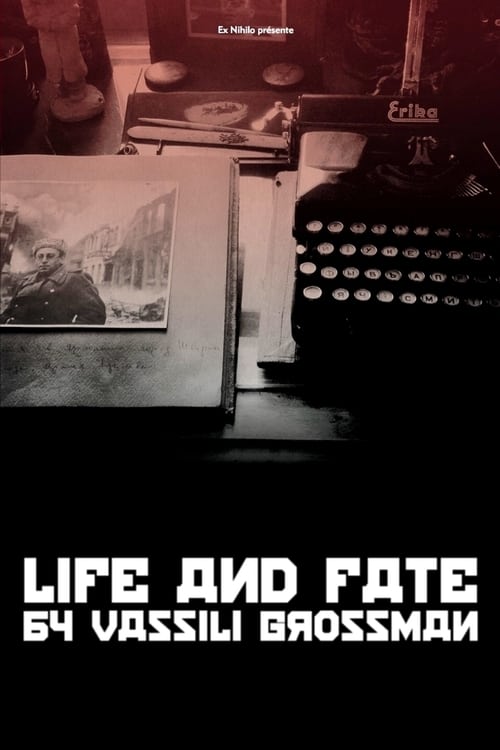
Featuring excerpts from diaries and letters written by local residents and soldiers from both sides, the documentary tells the story of the Battle of Stalingrad through the voices of those who lived it.
The documentary that captures the compelling story and eyewitness account of six survivors in war-torn Netherlands during World War II.
This feature documentary examines its own genre, which has often been called Canada's national art form. Released in the year of the NFB's 75th birthday, Shameless Propaganda is filmmaker Robert Lower's take on the boldest and most compelling propaganda effort in our history (1939-1945), in which founding NFB Commissioner John Grierson saw the documentary as a "hammer to shape society". All 500 of the films produced by the NFB until 1945 are distilled here for the essence of their message to Canadians. Using only these films and still photos from that era, Lower recreates the picture of Canada they gave us and looks in it for the Canada we know today. What he finds is by turns enlightening, entertaining, and unexpectedly disturbing.
Adolf Hitler's Nazi megalomania knew no limits. The most daring of his plans World War II involved German fighter planes crashing into Manhattan's skyscrapers as living bombs, like the Japanese kamikazes. Hitler understood the huge symbolic power of Manhattan's skyscrapers. He believed suicide bombing would have a devastating psychological impact on the American people and the U.S. war effort.
From May 10, 1940, France is living one of the worst tragedies of it history. In a few weeks, the country folds, and then collapsed in facing the attack of the Nazi Germany. On June 1940, each day is a tragedy. For the first time, thanks to historic revelations, and to numerous never seen before images and documents and reenacted situations of the time, this film recounts the incredible stories of those men and women trapped in the torment of this great chaos.
See Kenneth W. Rendell's collection of over 6,000 artifacts that range from the end of World War I and the rise of Nazism to the start of World War II and the fight in Europe and the Pacific.
A multimedia original film production commissioned by the USS Midway Museum in San Diego, focusing on the young men who sailed and flew into the teeth of the Japanese Navy.
Cinecitta is today known as the center of the Italian film industry. But there is a dark past. The film city was solemnly inaugurated in 1937 by Mussolini. Here, propaganda films would be produced to strengthen the dictator's position.
Discover the untold stories of D-Day from the men, women and children who lived through German occupation and Allied liberation of Normandy, France. Powerful and deeply personal, THE GIRL WHO WORE FREEDOM tells the stories of an America that lived its values, instilling pride in a country that's in danger of becoming a relic of the past.
The film looks at the men, their living conditions, the food they eat and their bamboo shower. It shows the men building a radio out of spare parts to re-establish contact with the mainland (contact had been lost after the Japanese victory), the use of florins to pay native helpers, and a raid on a hostile native village which sees huts set on fire.
Just after midnight on 10 March 1945, the US launched an air-based attack on eastern Tokyo; continuing until morning, the raid left more than 100,000 people dead and a quarter of the city eradicated. Unlike their loved ones, Hiroshi Hoshino, Michiko Kiyooka and Minoru Tsukiyama managed to emerge from the bombings. Now in their twilight years, they wish for nothing more than recognition and reparations for those who, like them, had been indelibly harmed by the war – but the Japanese government and even their fellow citizens seem disinclined to acknowledge the past.