Kataza the baboon made international headlines when he became the subject of a series of moves made by authorities which upset the people of Cape Town in South Africa and caused them to react without anyone considering natural baboon behavior.
Jann Bader
as Presenter
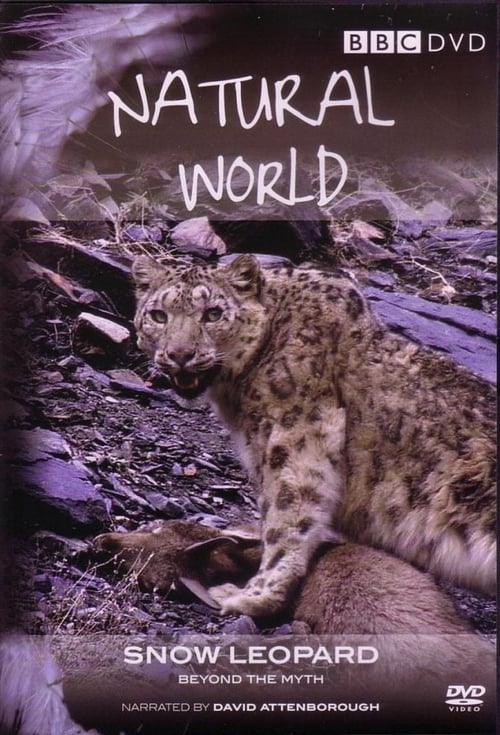
BBC The Natural World. In 2004, a team from the Planet Earth series captured the first ever film of a wild snow leopard in the mountains of Pakistan. For Nisar Malik, who led the expedition, these images sparked a passion that compelled him to return. With cameraman Mark Smith, he spent two years documenting the snow leopard's daily life, finally lifting the veil on the most elusive of all cats.
Bruce Brown's The Endless Summer is one of the first and most influential surf movies of all time. The film documents American surfers Mike Hynson and Robert August as they travel the world during California’s winter (which, back in 1965 was off-season for surfing) in search of the perfect wave and ultimately, an endless summer.
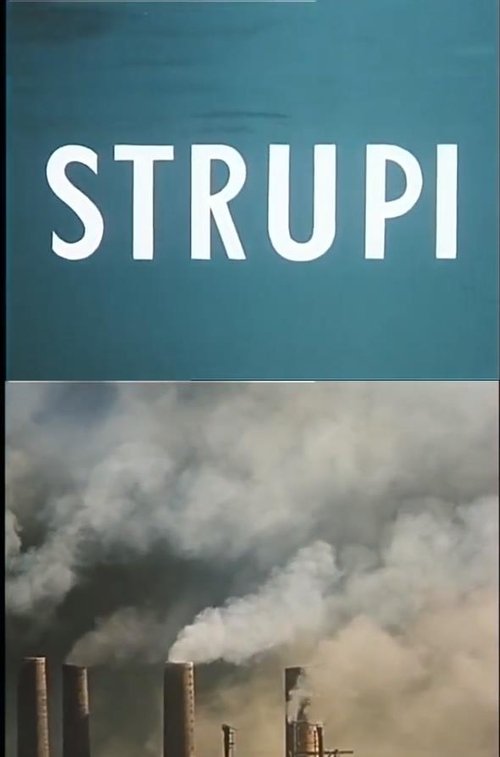
Industrialization brings progress, but also harmful influences on the environment. Warning of the dangers of waste materials dumped into the air and the waters.
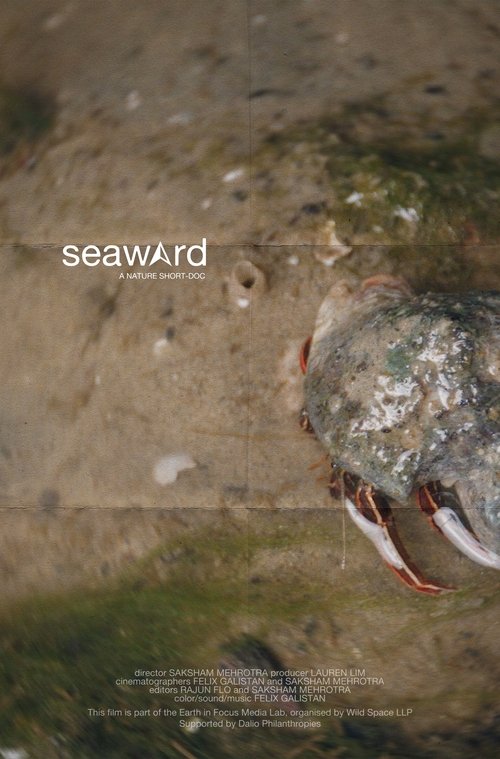
Singapore’s coastlines are always in flux - a delicate dance between the receding tides and the rising earthmovers. 'seaward' drifts through the peripheries of this very landscape, offering a quiet meditation on the life that endures at the edges of a changing island.
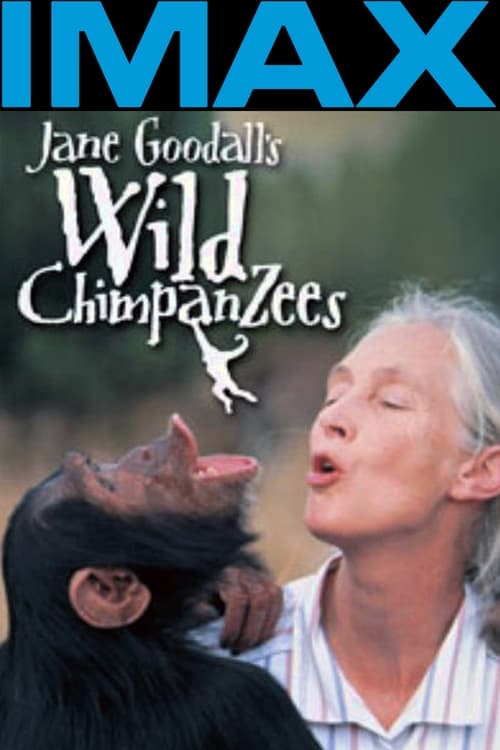
Showcased in beautiful IMAX format, this documentary takes viewers into the hearts, minds and world of chimpanzees as it profiles legendary scientist Dr. Jane Goodall's work among the chimps at Gombe Park on Africa's Lake Tanganyka. Dr. Goodall and other researchers give us an up-close look at the daily lives of the Gombe chimp families -- Fifi and sons Freud and alpha male Frodo, along with Gremlin, Gaia and the endearing Galahad.
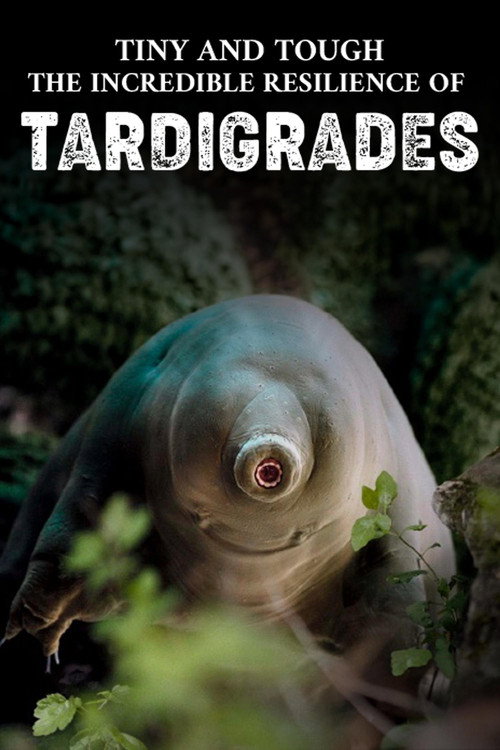
Tardigrades, also known as water bears, are microscopic animals famous for their incredible ability to survive extreme conditions. Despite their funny appearance and slow, bear-like movements, they are among the most resilient creatures on Earth. They can withstand extremely high and low temperatures, enormous pressure, toxic substances, and even high levels of radiation. This documentary explores the secrets behind their remarkable survival abilities and explains how these tiny creatures have developed such extraordinary “superpowers.” Combining scientific information with humor, the documentary also looks at what we might learn from tardigrades and how their unique abilities could have potential applications in the future.
Some of the world's most majestic birds display delightfully captivating mating rituals, from flashy dancing to flaunting their colorful feathers.
When it comes to 'what Mother Nature intended', it turns out she was pretty open-minded. In this vivid, funny and eye-opening one-off doc we take the audience on a journey to explore the rich diversity of animal sexuality.
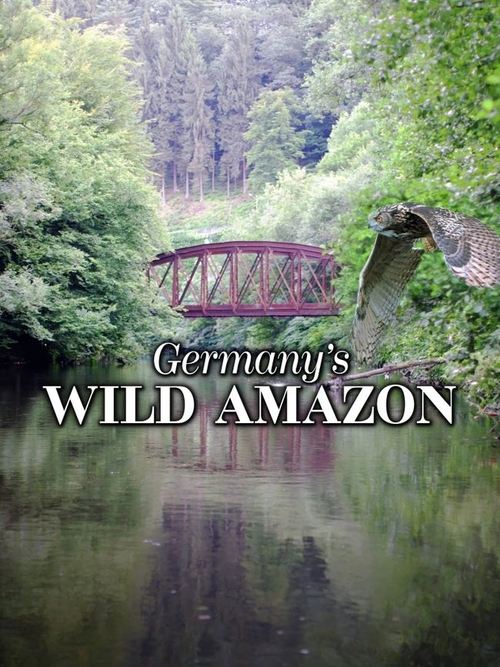
As one of Germany’s beauties, the river was the gem of German landscape. But with industrialization it became the country’s hardest working river and like everything that has been overworked, it lost it magnificence and charm. Due to tender love and care, the river is now a reigning example of one of the most successful and outstanding renaturation projects in the country.
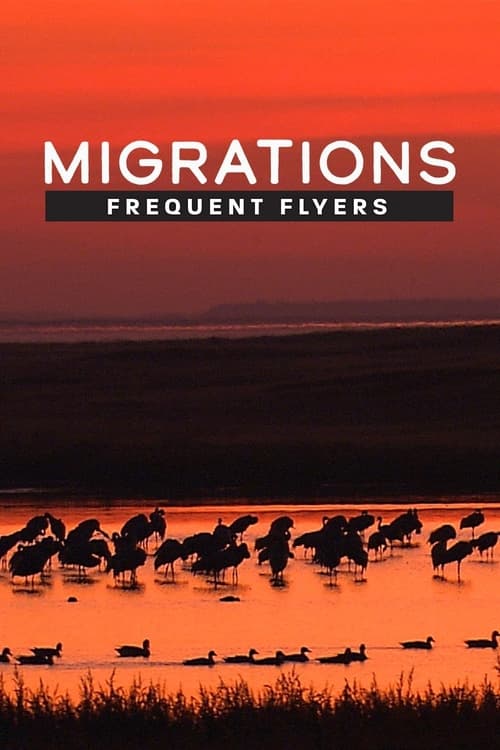
Half of all bird species undertake annual migrations, everything from heavy-bodied swans to delicate hummingbirds. Migration is one of the most remarkable phenomena on the planet, hosts of animals of all shapes and sizes demonstrating incredible feats of endurance.
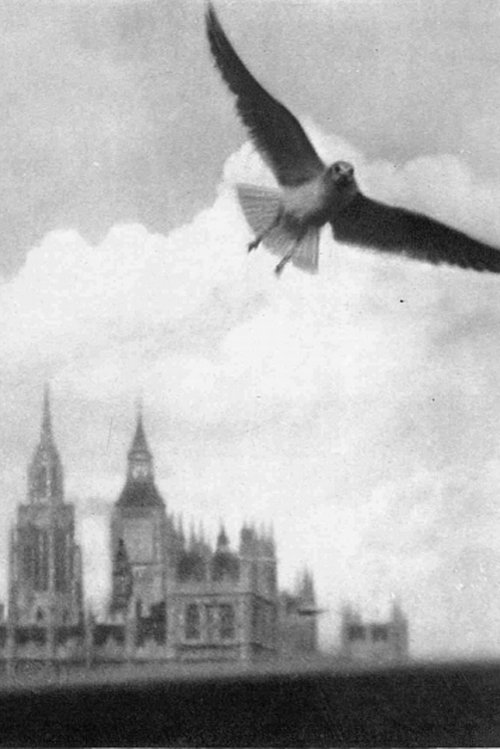
The film takes us to the North of England to follow the migration of the black-headed gull down to London. There, the narrator asks viewers to "listen to their gossip", before demonstrating the bird’s flight in slow motion. We see a polecat feasting on gull eggs, and then a man collecting the eggs for human consumption, with the film telling us that they are considered a “delicacy” in London. Indeed, according to the British Trust for Ornithology, around 300,000 gull’s eggs were sold every year in Leadenhall Market in London during the 1930s, when London Visitors was made.
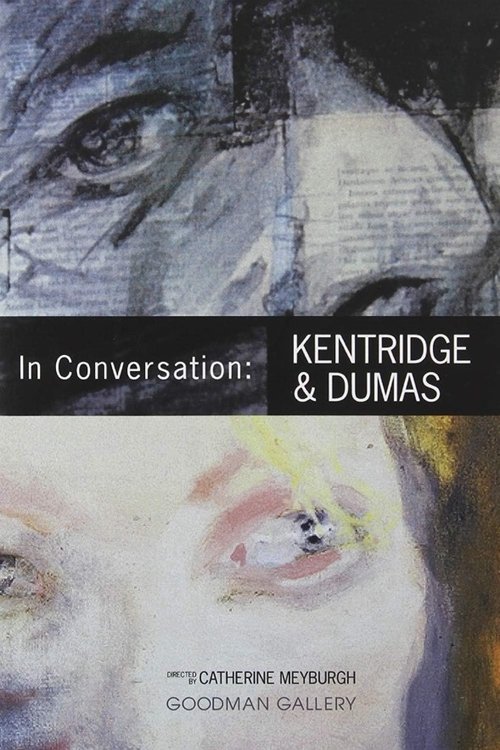
William Kentridge and Marlene Dumas – two of the most celebrated names in international contemporary art – come face to face in a series of frank, witty and intense discussions about their work and practice. The film follows them from the gentle ambience of a dinner conversation, to their studios – where we are given insight into the way that each artist works – to some of their finished works and installations. What emerges is how very differently these two highly successful South African artists approach image making. Dumas’ method is deeply intuitive – she often works on the floor as though embracing her paintings, pouring and dabbing paint to produce her remarkable portraits. Kentridge is intensely systematic, alternating gestural mark making with the repetitive action of drawing-filming-erasing for his animated films.
Darwin's great insight – that life has evolved over millions of years by natural selection – has been the cornerstone of all David Attenborough’s natural history series. In this documentary, he takes us on a deeply personal journey which reflects his own life and the way he came to understand Darwin’s theory.
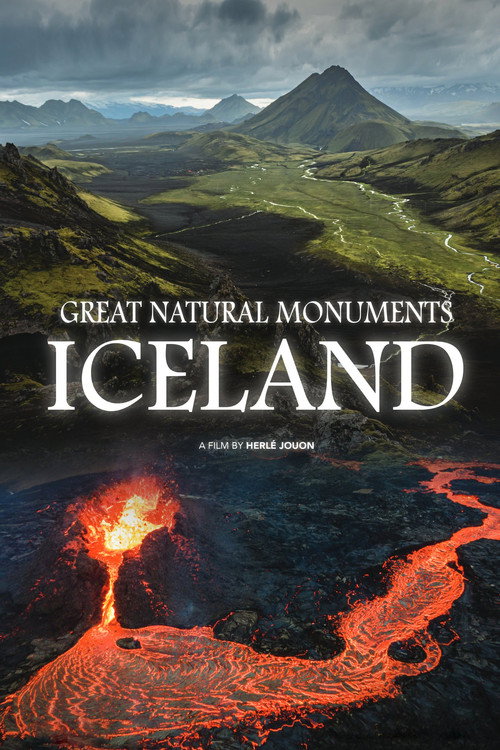
The fascinating landscape formations of Iceland in the North Atlantic bear witness to the beauty and primal power of nature. They were created through the interaction of powerful volcanic, geological and biological processes that have been changing the face of the earth for billions of years. This is what the Earth might have looked like four billion years ago. Iceland is the realm of ice and fire. Nowhere else is there such a high density of volcanoes. The landscapes, which are continually reshaped by eruptions, make the island a natural laboratory full of clues about the formation and development of the earth. The documentary follows a group of scientists through the most active areas of Iceland, along a mountain range that has emerged from the ocean. On the slopes of the volcanoes, in the fog of the fumaroles and on streams and rivers, the three researchers explore how the first forms of life populated the earth's surface and in what evolutionary steps they took over the earth.