The heir to a Burger Baron franchise, the filmmaker chases clues through rural Alberta, capturing the trials and tribulations of Arab immigrants while uncovering the saga of a rogue fast-food chain with mysterious origins and a cult following.
Omar Mouallem
as Self
Two immigrant filmmakers journey across the US, exploring American identity through raw encounters on politics, race, immigration, and gun control. The film offers an unflinching portrait of America, unveiling hope for our common humanity.
The events that took place at the beach of El Tarajal in Ceuta (Spain) in February 2014 - the killing by the border police of 15 people who were trying to reach the Spanish coast - are an example of how the police force can violate the laws of its own country and international conventions with total impunity. The worst part is that this violation of human rights is protected by the Spanish Ministry of Interior itself, which hinders any effective action by the prosecution. For this reason, the civil society plays a fundamental role in revealing the facts. This is where the figure of collective complaints (DESC Observatory and the association Coordinadora de Barrios) steps in.
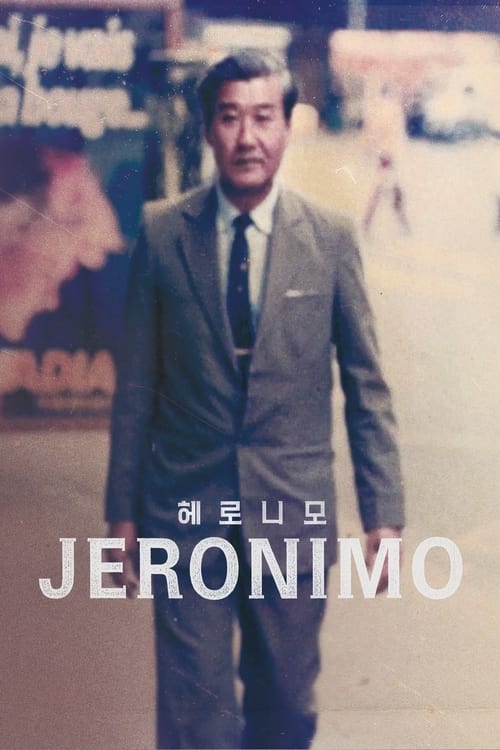
Born to Korean immigrant parents freed from indentured servitude in early twentieth century Mexico, Jerónimo Lim Kim joins the Cuban Revolution with his law school classmate Fidel Castro and becomes an accomplished government official in the Castro regime, until he rediscovers his ethnic roots and dedicates his later life to reconstructing his Korean Cuban identity. After Jerónimo's death, younger Korean Cubans recognize his legacy, but it is not until they are presented with the opportunity to visit South Korea that questions about their mixed identity resurface.
A look at the Brazilian black movement between 1977 and 1988, going by the relationship between Brazil and Africa.
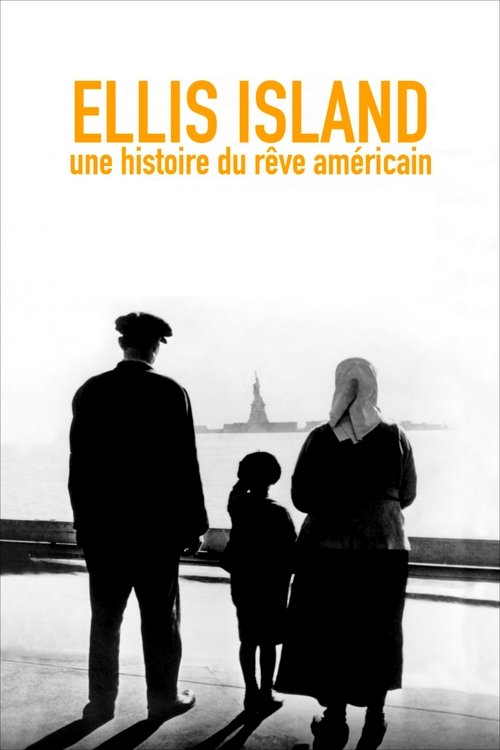
In 1892, Ellis Island, in New York Bay, became the main gateway to the United States for immigrants arriving increasingly from Europe. The story of immigration to the United States from 1892 to 1954, an enthralling polyphonic narrative that embraces both small and great history.
Twenty-five films from twenty-five European countries by twenty-five European directors.
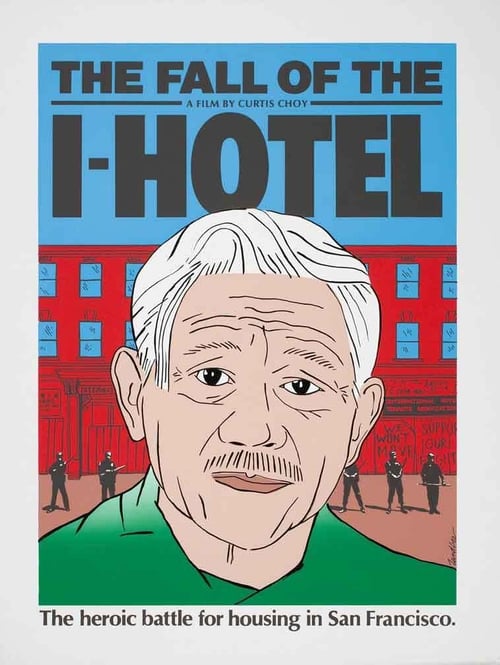
The Fall of the I-Hotel brings to life the battle for housing in San Francisco. The brutal eviction of the International Hotel's tenants culminated a decade of spirited resistance to the razing of Manilatown. The Fall of the I-Hotel works on several levels. It not only documents the struggle to save the I-Hotel, but also gives an overview of Filipino American history.
A short documentary that follows Korean grandparents as they share their modern-day reckoning of their immigration story and grandparenthood.
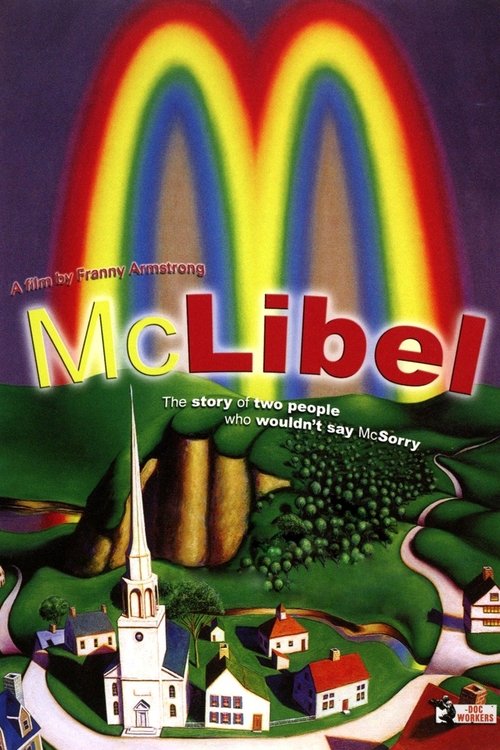
McLibel is a documentary film directed by Franny Armstrong for Spanner Films about the McLibel case. The film was first completed, as a 52 minute television version, in 1997, after the conclusion of the original McLibel trial. It was then re-edited to 85 minute feature length in 2005, after the McLibel defendants took their case to the European Court of Human Rights.
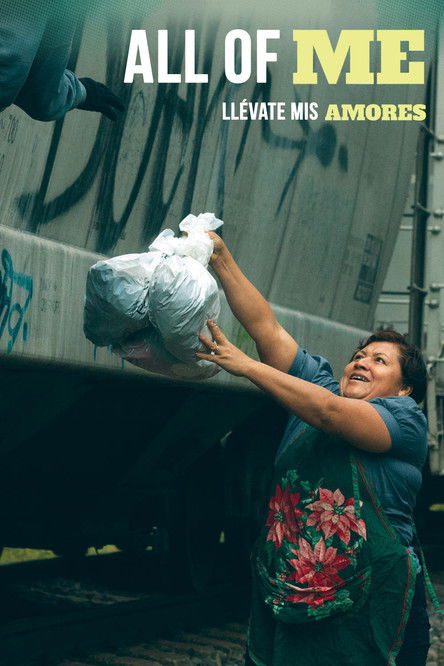
"Take my love" is a documentary film about "Las Patronas", a group of women who daily cook, pack and throw food to the migrants riding the "Beast" train.
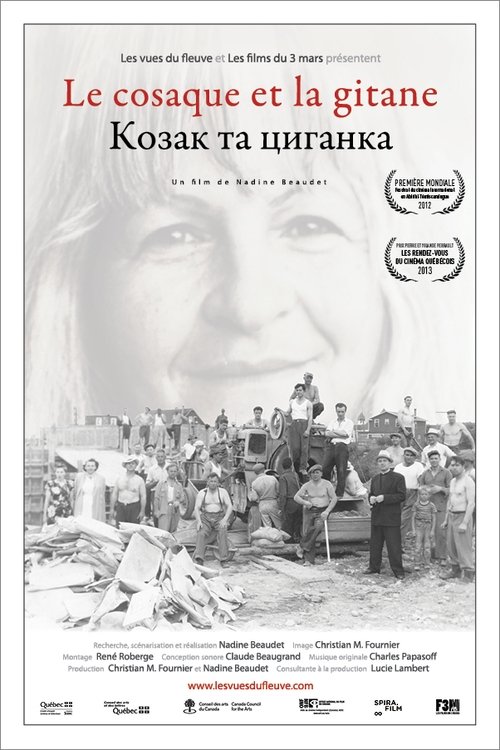
The Cossack and the Gypsy takes us to the heart of intimate worlds of Lev Chayka and Régine Gabrysz, illustrating their memories, interior views composed of the stories about their childhood and devotion to their country of origin (Ukraine and Soviet Union). The wars and dictatorship of the past in the Eastern Europe is set in contrast with the Far North of Quebec in a forgotten boom town. Vera and Jack, the last miner, Régine and Lev are among the last first immigrants. Their Slavic voices and accents still lull the Abitibi sonorous landscapes, but for how long...
In his second international bestseller, "Arc de Triomphe," author Erich Maria Remarque explores his own experience of exile and his decisive encounter with Marlene Dietrich. From Paris and Antibes to Los Angeles and New York, the documentary traces the moving genesis of this highly autobiographical novel, now considered a major work of European exile literature, and the literary legacy of the long-standing passion between two global stars.
When the 2004 tsunami hit the coast of Sri Lanka, 65-year-old Anton Ambrose's wife and daughter were killed. "In five minutes," he says, "I lost everything." A year later, Anton returns to Sri Lanka. With him is his nephew, award-winning filmmaker Rohan Fernando. A Tamil, Anton moved to California in the 1970s and became a very successful gynecologist. His daughter, Orlantha, made the opposite journey, returning to Sri Lanka where she ran a non-profit group that gave underprivileged children free violin lessons. Blood and Water is the story of one man's search for meaning in the face of overwhelming loss, but it is also filled with improbable characters, unintentional comedy and situational ironies.
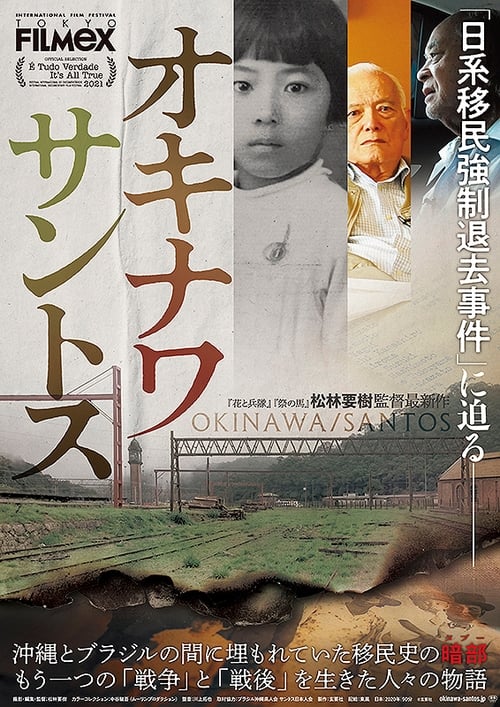
During World War II, many Japanese immigrants in Santos, Brazil, were forced to move to another place. Matsubayashi draws attention to the fact that 60% of the immigrants were from Okinawa. Based on testimonies from interviewees, this film reveals the hidden historical relationship between Okinawa and Brazil.
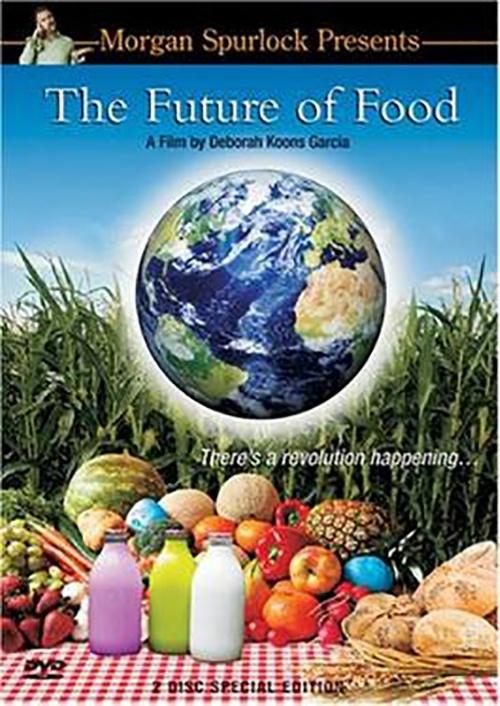
Before compiling your next grocery list, you might want to watch filmmaker Deborah Koons Garcia's eye-opening documentary, which sheds light on a shadowy relationship between agriculture, big business and government. By examining the effects of biotechnology on the nation's smallest farmers, the film reveals the unappetizing truth about genetically modified foods: You could unknowingly be serving them for dinner.
In the Land That Is Like You is a progress on the tracks of my lost past, with the contact of my mother, my grandmother and the man who I love, in a country which escapes from me and retains me, Lebanon.