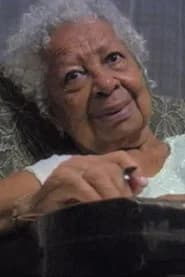
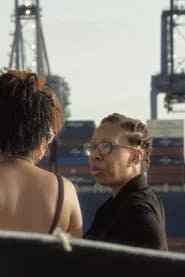
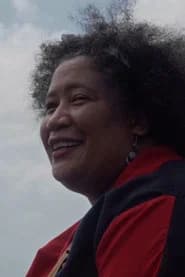
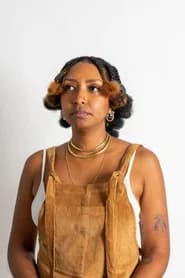
Filmmaker Risseth Yangüez Singh explores her family history while helping her grandmother move. Together, they reflect on the history of Panama, the straightening of Afro-textured hair, and the suppression of Black identity.
Francisca García
as
Giana De Dier
Cristobalina Bósquez
Risseth Yangüez Singh
Five subjects from Gen-Z take the PHQ-9 - a survey to assess the degree of one's depression severity. They -also- have a lot to say.
AN OUTRAGE is a documentary film about lynching in the American South. Filmed on-location at lynching sites in six states and bolstered by the memories and perspectives of descendants, community activists, and scholars, this unusual historical documentary seeks to educate even as it serves as a hub for action to remember and reflect upon a long-hidden past.
On October 27, 2005, Zyed Benna and Bouna Traoré died in an electrical substation while fleeing the police, sparking three weeks of riots across France. A decade later, as the officers involved are acquitted, the film revisits the voices of those who lived through the uprising. Through their stories, it explores what remains of that anger and how their view of society has evolved.
For the past 20 years, the world has seen an alarming decrease in IQ and a rise of autism and behavioral disorders. This international scientific investigation reveals how chemicals in objects surrounding us affect our brain, and especially those of fetuses.
Stories and music of Black artists who relied on an underground travel guide to navigate the injustices of racial segregation while on the road. The Negro Travelers’ Green Book was a directory of lodgings, restaurants, and entertainment venues where African Americans were welcomed. Features performances and interviews with vocalists, musicians, activists, historians, and others.
Damon Smith has estimated that he has spent around 50,000 hours of his life, so far, participating in absurd ritualistic behaviours associated with his obsessive compulsive disorder (OCD). With a diagnosis of both, OCD and Bipolar Disorder, and with the help of his anxious friend, Adam Coad, these Australian singer-songwriters share, through original music, preposterous humour, and outlandish animations, the intricate and debilitating nature of what it is like to live and talk about mental illness in a world where it’s ok to talk about a broken arm, but not ok to talk about a broken mind.
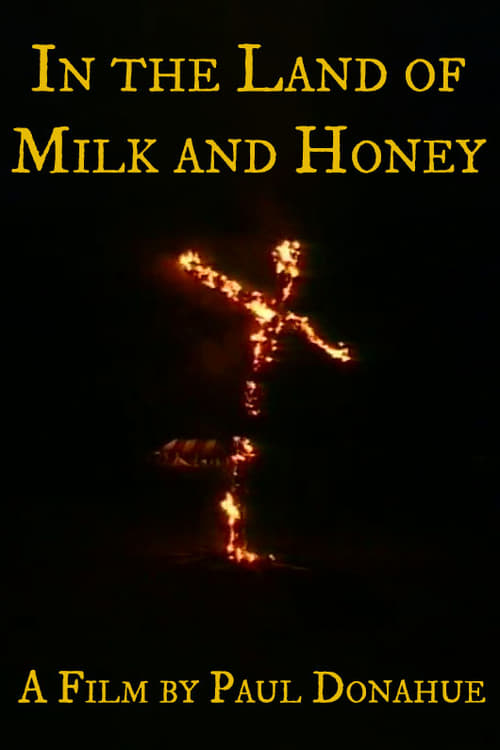
Examines Pulaski, Tennessee, the town where the Ku Klux Klan was founded right after the Civil War, and where today its memory still runs very deep. Combining interviews with local residents, attendees at a Klan rally and counter demonstrators; historical photos; contemporary footage; scenes of a museum exhibit of the last-known original Klan robe; and a cross burning ceremony by the Klan; the video reveals Pulaski's historical and ongoing relationship to this controversial organization. We learn how Pulaski's citizens remember and reconcile the history of the Klan, how they continue to be divided about the organization's meaning and role, and how such history remains contested for Americans.
A debate about the presence of black culture in Brazilian contemporaneity, as well as the various paradoxes found in the environment of a society marked by a racist and slavery tradition.
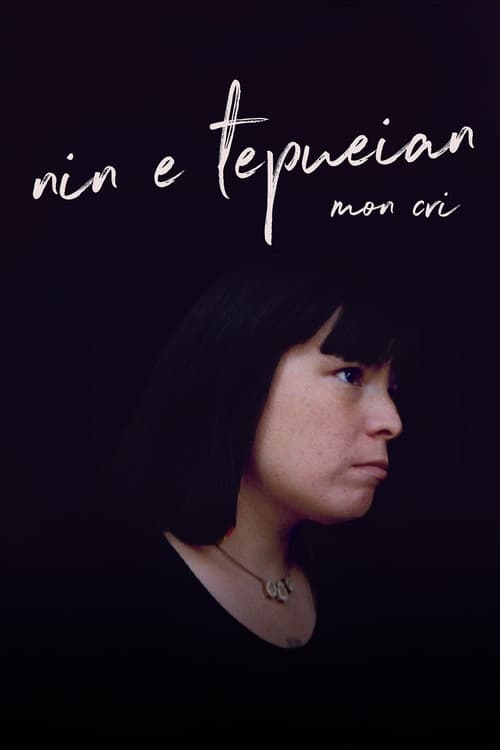
NIN E TEPUEIAN - MY CRY is a documentary tracks the journey of Innu poet, actress and activist, Natasha Kanapé Fontaine, at a pivotal time in her career as a committed artist. Santiago Bertolino's camera follows a young Innu poet over the course of a year. A voice rises, inspiration builds; another star finds its place amongst the constellation of contemporary Indigenous literature. A voice of prominent magnitude illuminates the road towards healing and renewal: Natasha Kanapé Fontaine.
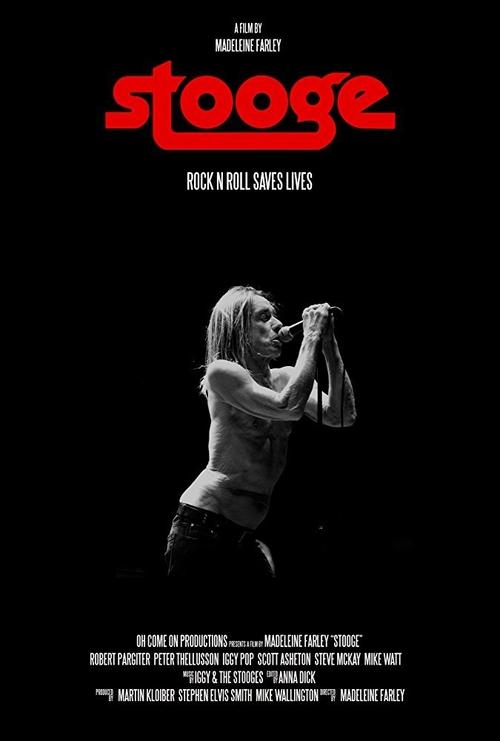
Stooge is a feature documentary about Robert Pargiter, Iggy Pop's No1 fan. It covers the three years leading up to his 50th birthday when he tries to track his hero down in a final absolution. His journey has taken him all over the world in search of redemption after years of struggling with addiction, of coping with depression, and of celebrating the communal lust that is Rock'n Roll.
Humans are story-telling creatures. By thinking, we all unconsciously "author" a self-story in our heads. Most often, the characters and plot of our story is framed by negative experiences from childhood. These painful "stories" then determine our emotions, leading to unhealthy stress, and changes in body chemistry. This is how a person's self-story can turn into a stress-related illness.
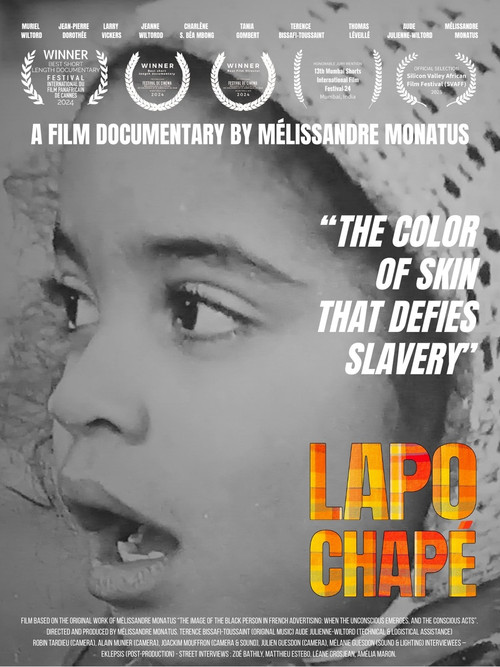
The term "Lapo Chapé", derived from Martinican Creole, means "the skin color that escapes the status of a slave." This documentary thus explores the themes of skin color and mixed heritage from a unique perspective, through a series of testimonies that shed light on the invisible influences of history. These influences have shaped our social representations and continue to challenge our perceptions of identity today.
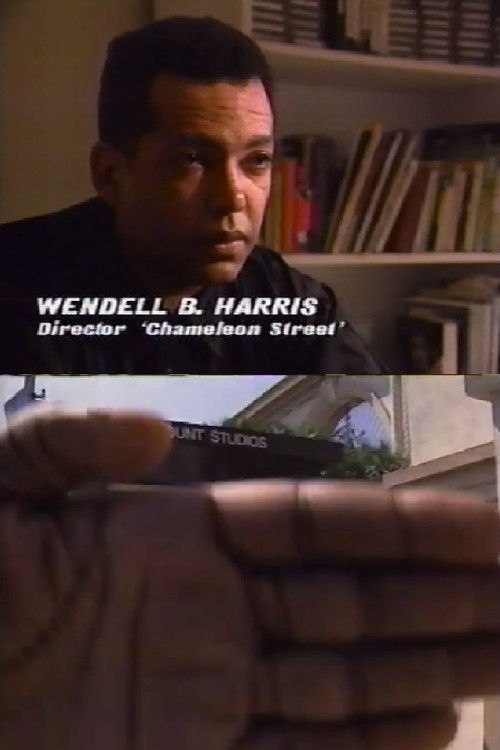
Elvis Mitchell uncovers why Chameleon Street (1989) by Wendell B. Harris Jr. failed to secure a proper distributor deal. Originally aired as a segment on "20/20".
In the year 2000 the United States returned the Panama Canal . To achieve this, the Torrijos-Carter Treaties were signed in 1977. There was a complex game of international diplomacy and intrigues . This is the story of the negotiations.
A groundbreaking new documentary that illuminates the untold stories, struggles, and triumphs of Black people in the psychedelic therapy movement. Interest in psychedelic medicine has exploded in recent years, spurred by a resurgence of research and high-profile advocates. Despite the fact that indigenous Black and Brown people have been using these plant medicines for centuries, psychedelic medicine remains a fundamentally white space.
The story of Wendell Scott, the first and only African-American to ever win a NASCAR Cup race.
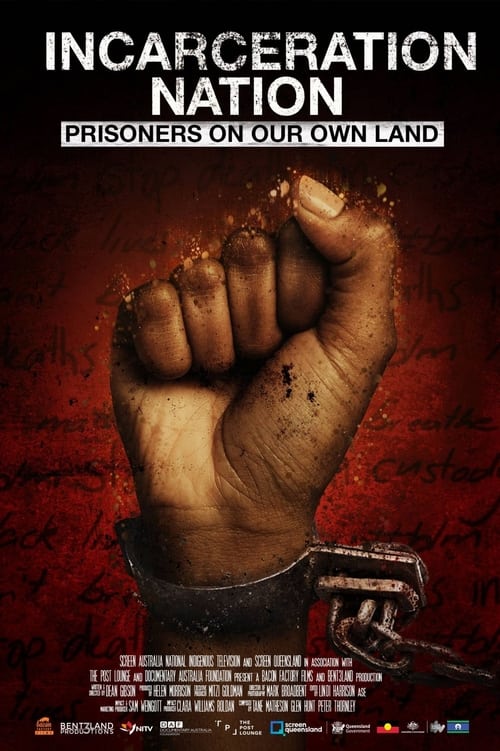
An examination of the connection between relentless government intervention since colonisation to the trauma and disadvantage experiences by Indigenous Australians - the two key drivers of incarceration.
Parks makes himself the subject, tracing his development as a person and an artist through a non-narrative abstract self-portrait that combines his photographs with his poetry, musical compositions and scenes from his films. It also features footage of Parks, plus interpretations of his personal reminiscences performed by actors Avery Brooks, Roscoe Lee Browne, and Joe Seneca.