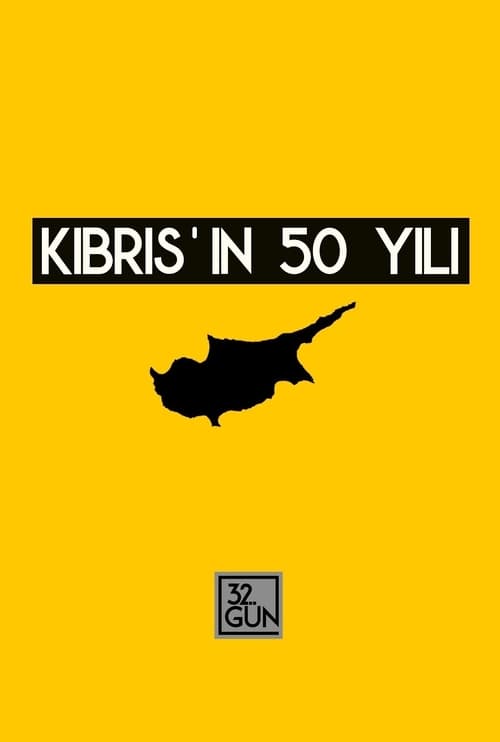
32.Day, a news classic by Mehmet Ali Birand, is with you this time with the documentary 50 Years of Cyprus!
Mehmet Ali Birand
as Self-Narrator
Bülent Ecevit
as Self
Rauf Denktaş
A traveling theatre troupe tours the Greek countryside from 1939 to the early 1950s, staging “Golfo the Shepherdess”. As the years pass, its members endure persecution, betrayal, executions, and exile. Their personal stories become entangled with the country’s major historical events, in a seemingly endless cycle of violence and loss.
Alexander, the King of Macedonia, leads his legions against the giant Persian Empire. After defeating the Persians, he leads his army across the then known world, venturing farther than any westerner had ever gone, all the way to India.
Dogs of Democracy is an essay-style documentary about the stray dogs of Athens and the people who take care of them. Author and first-time filmmaker Mary Zournazi explores life on the streets through the eyes of the dogs and peoples' experience. Shot in location in Athens, the birthplace of democracy, the documentary is about how Greece has become the 'stray dogs of Europe', and how the dogs have become a symbol of hope for the people and for the anti- austerity movement. A universal story about love and loyalty and what we might learn from animals and peoples' timeless quest for democracy.
Two Australian sprinters face the brutal realities of war when they are sent to fight in the Gallipoli campaign in the Ottoman Empire during World War I.
Interrogated by a customs officer, a young man recounts how his life was changed during the making of a film about the Armenian genocide.
In the early 70s Greek cinema entered in a period of crisis. One of its aspects was said "crisis of issues" and one of the exits heard in the name "erotic cinema". The genre was already acquaintance from the abundance of foreigner films, that was distributed in the grindhouses under the "adults only" motto and its Greek version had a lot of variants.
Nick is a writer in New York when he gets posted to a bureau in Greece. He has waited 30 years for this. He wants to know why his mother was killed in the civil war years earlier. In a parallel plot line we see Nick as a young boy and his family as they struggle to survive in the occupied Greek hillside. The plot lines converge as Nick's investigations bring him closer to the answers.
KÖY (Turkish for village) is about the longing for home, for belonging and the freedom of the self. Three women from three generations are united by their Kurdish roots.
On the island of Amorgos, during summer. Small monuments were erected at the scene of a fatal accident: a photograph, a few words, flowers, religious or pagan objects. The deceased "stayed there": dead in transit, on a road, frozen forever.
A journey through Greece and Europe’s past and recent history: from the Second World War to the current crisis. It is a historical documentary, a look into many stories. «If Democracy can be destroyed in Greece, it can be destroyed throughout Europe» Paul Craig Roberts
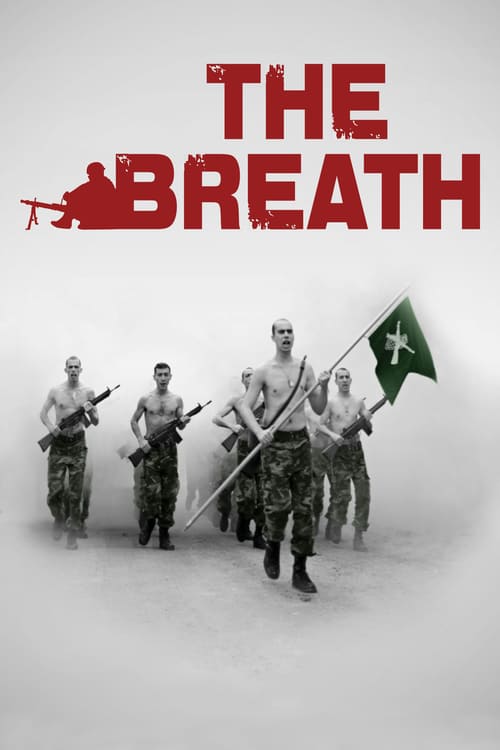
A small task force of the Turkish army have to defend a relay station in the middle of nowhere against a possible terrorist raid.
This is the true and astounding saga of the Spartans at Thermopylae. It is among the greatest tales of war ever recounted. All the glory and grit of these warriors' last stand is captured in this exceptional documentary. It is almost impossible to understand how 300 Spartans managed to hold off the million-man Persian army for even a moment, much less seven days. To a man they paid with their lives but their stunning Last Stand assured that their sacrifice would resonate throughout history. Transporting dramatizations and incisive graphics put you in the heat of the battle and show the lay of the land. The complications and strategies of the conflict are revealed through careful analysis, and critical moments are reconstructed to show exactly what happened. Discover what the Spartans were fighting for, what made them capable of such heroics and what drove them to such sacrifice.
During the World War II, the prisoners of a German camp in a Greek island are trying to escape. They not only want their freedom, but also seek an ineffable treasure hidden in a monastery at the summit of the island's mountain.
An American gets caught up in wartime action in Turkey.
A documentary that is a deep exploration of gender identity within the context of Greek society, providing a multi-layered narrative that reflects the experiences of individuals navigating the complexities of gender in a culture where these topics are still emerging. Over four years, the filmmakers captured intimate stories of people confronting their gender identities, revealing how personal, societal, and familial expectations shape their journeys. The documentary aims to challenge the traditional norms of gender and to give voice to those whose experiences are often marginalized. It marks a significant step in Greece’s cinematic exploration of LGBTQ+ themes and is a pivotal contribution to the global conversation on gender identity.
Determined to hold on to the throne, Cleopatra seduces the Roman emperor Julius Caesar. When Caesar is murdered, she redirects her attentions to his general, Marc Antony, who vows to take power—but Caesar’s successor has other plans.
With the Olympics returning to Greece, the opening ceremony of Athens 2004 sought to show the entire development of the Olympics over the centuries, until arriving at the modern Olympics.
The Lark Farm is set in a small Turkish town in 1915. It deals with the genocide of Armenians, looking closely at the fortunes, or rather, misfortunes of one wealthy Armenian family.
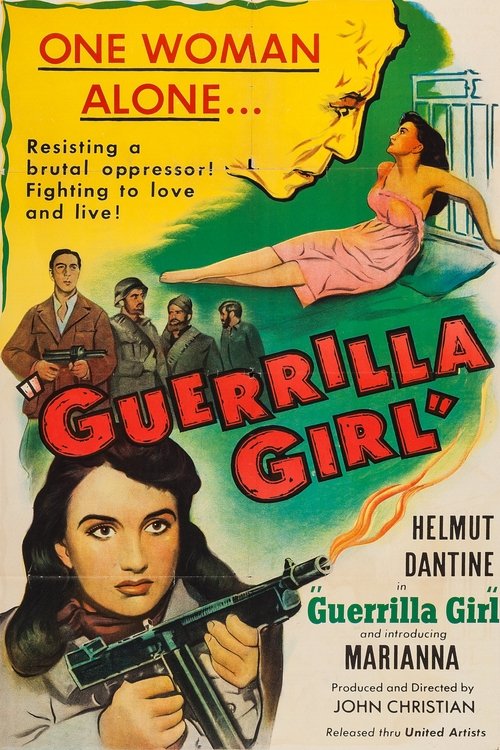
During World War II, Helmut Dantine specialized in playing villainous Nazis in Hollywood melodramas. He offers a compelling performance in a variation of these earlier roles in this suspense filled and politically loaded tale of intrigue. The story opens in German-occupied Athens during the darkest hours of the war. Civilians are not allowed on the streets after dark.