Discusses the history of the Middle East. Contrasts old ways with the new in agriculture, industry, etc. in emphasizing the changing image of this part of the world.
Barrett Clark
as Narrator
Jim Al-Khalili travels through Syria, Iran, Tunisia and Spain to tell the story of the great leap in scientific knowledge that took place in the Islamic world between the 8th and 14th centuries.
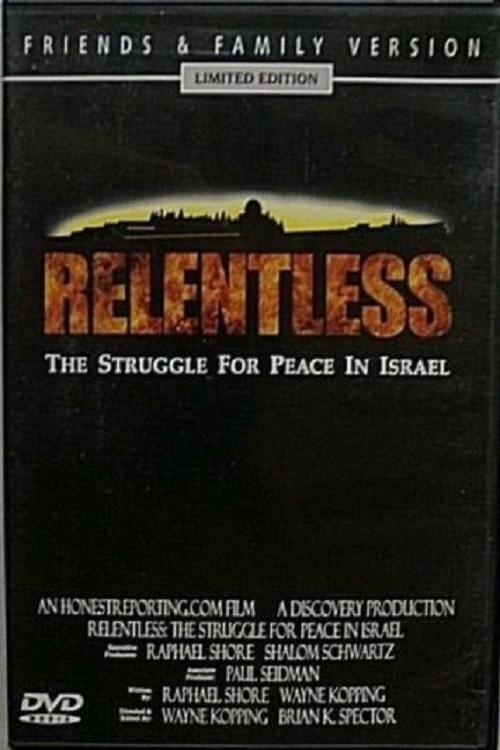
Relentless: The Struggle for Peace in the Middle East was produced by the pro-Israel media watchdog group HonestReporting [sic]. The concentrates on the causes of the Second Intifada through an examination of compliance the Oslo Accords, by Israel and the Palestinian Authority. It pays particular attention to the failure of the Palestinian Authority to "educate for peace". The documentary shows interviews with Itamar Marcus, director of Palestinian Media Watch, S. El-Herfi, Raanan Gissin, Caroline Glick, John Loftus, Sherri Mandel, Yariv Oppenheim, Daniel Pipes, Tashbih Sayyed and Natan Sharansky.
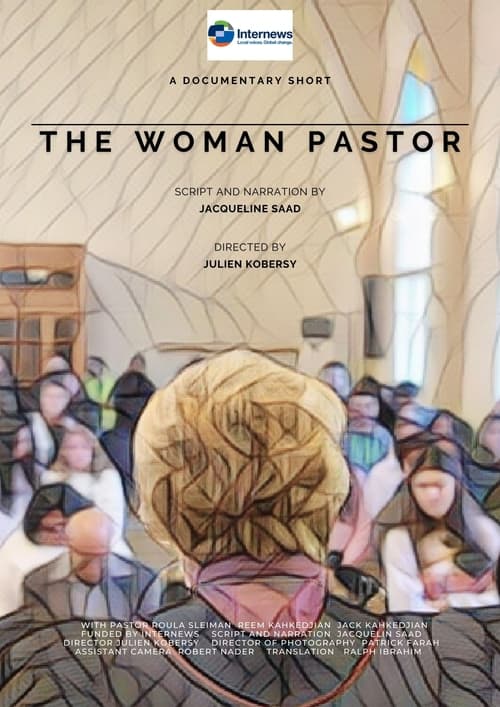
In a community of a Muslim majority, the first woman pastor in the Middle East leads a parish in one of the poorest city of the Mediterranean, in the heart of Tripoli, North Lebanon.
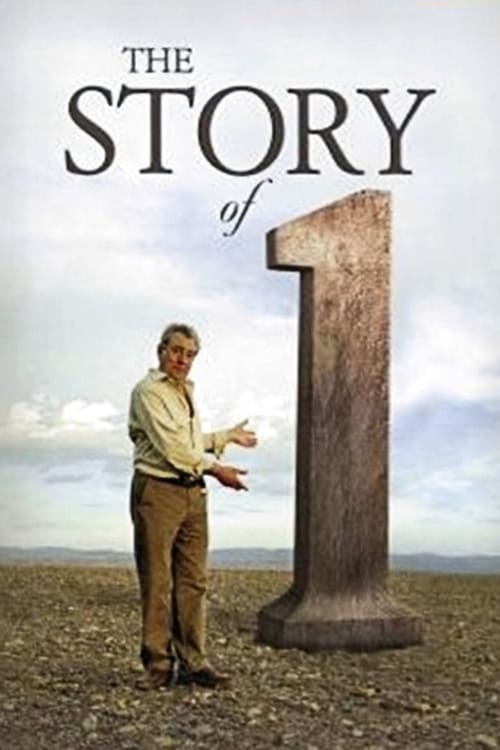
A humor-inflected history of the of the number one, covering military applications in ancient Rome, the measurement of distances in India, and the decimal system created by Leibnitz.
Historian Tom Holland traces the origins of Isis’ barbaric and sadistic violence which it claims is justified by the tenets and scriptures of Islam.
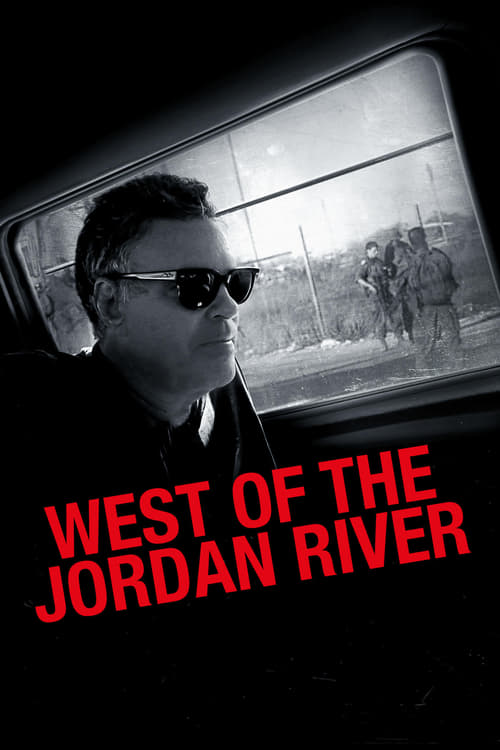
Amos Gitai returns to the occupied territories for the first time since his 1982 documentary FIELD DIARY. WEST OF THE JORDAN RIVER describes the efforts of citizens, Israelis and Palestinians, who are trying to overcome the consequences of occupation. Gitai's film shows the human ties woven by the military, human rights activists, journalists, mourning mothers and even Jewish settlers. Faced with the failure of politics to solve the occupation issue, these men and women rise and act in the name of their civic consciousness. This human energy is a proposal for long overdue change.
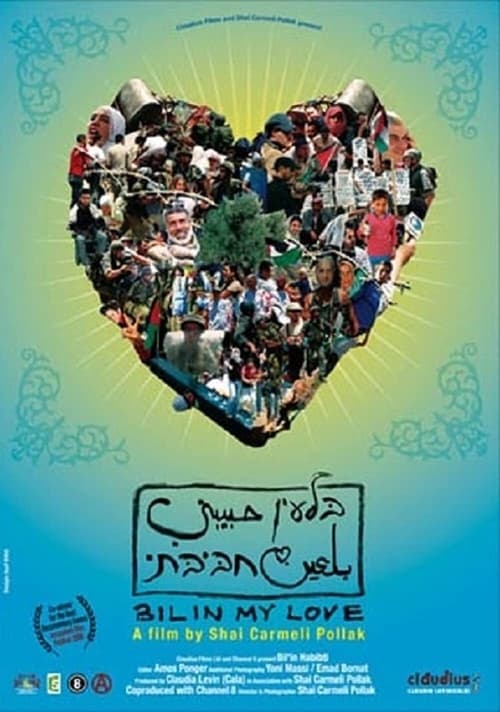
The Israeli filmmaker Shai Corneli Polak records the building of the 'security wall' through Palestinian territory at the village of Bil'in. The villagers protest mostly peacefully, while the Israeli army doesn't react peacefully. By now the Israeli High Court has ruled that the building of the wall was illegal.
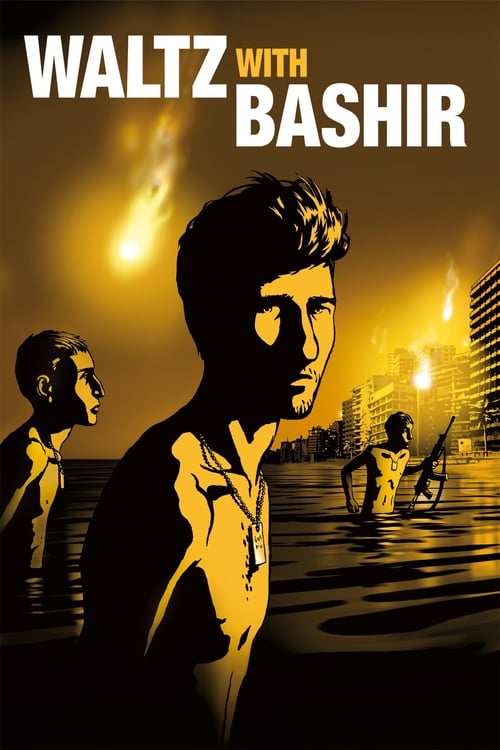
A film director from Israel interviews fellow veterans of the 1982 invasion of Lebanon to reconstruct his own memories of his term of service in that conflict.
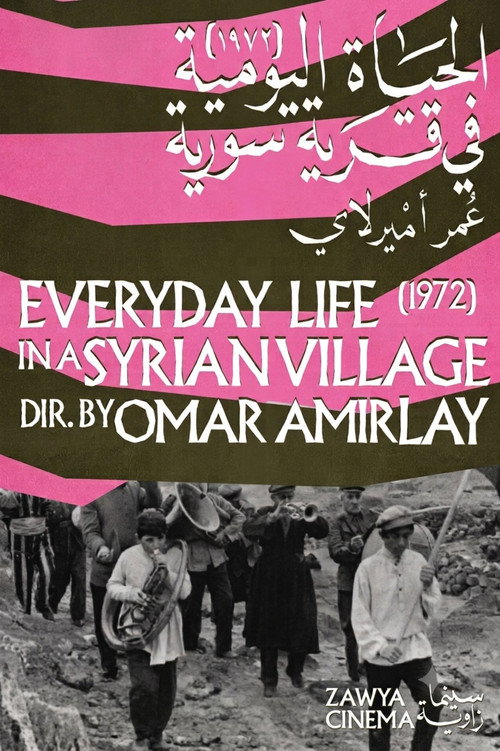
The first documentary to present an unabashed critique of the impact of the Syrian government’s agricultural and land reforms, Everyday Life in a Syrian Village delivers a powerful jab at the state’s conceit of redressing social and economic inequities.
On May 8, 1989, Sports Illustrated ran an article about Ultimate frisbee… about a team with no name hailing from New York City that was about to change the sport forever. From its 1968 New Jersey birth to its unanimous 2015 recognition by the International Olympic Committee, FLATBALL circles the globe to showcase four decades of world-class Ultimate and goes even further: to a set of fields in the Middle East to understand and demystify the unique spirit of the game.
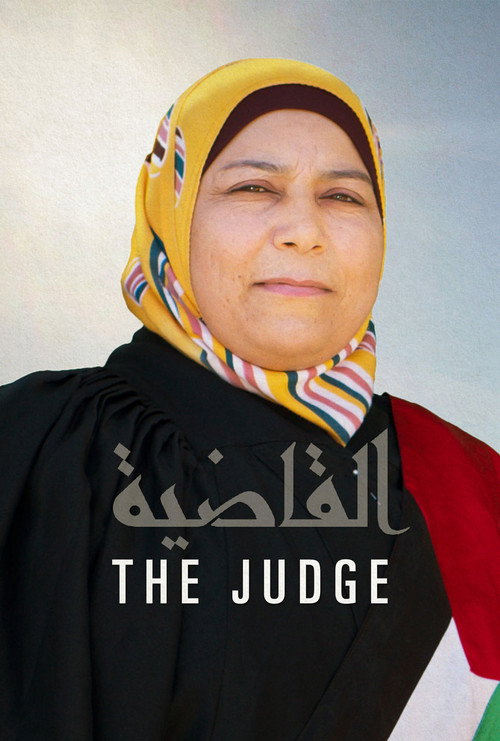
A verité legal drama about Judge Kholoud Al-Faqih, the first woman appointed to a Shari'a court in the Middle East, whose career provides rare insights into both Islamic law and gendered justice.
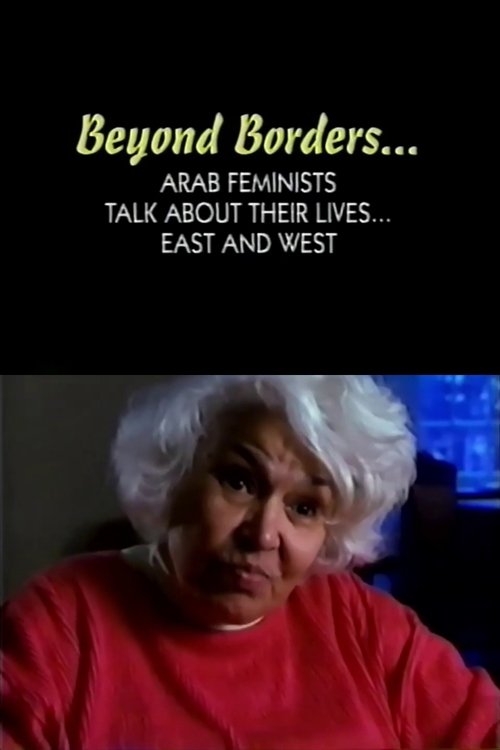
In the Arab world, women are fighting a two-front war against repressive internal constraints and intrusive Western interference. In this program, a feminist delegation composed of author Nawal Saadawi and other renowned activists from the Middle East and North Africa gathers at the UN, on college campuses, and in church basements to speak out about deterioration of women's rights in the Arab states in an effort to heighten awareness of the Arab feminist struggle for equality--and the effects of U.S. foreign policy on their efforts.
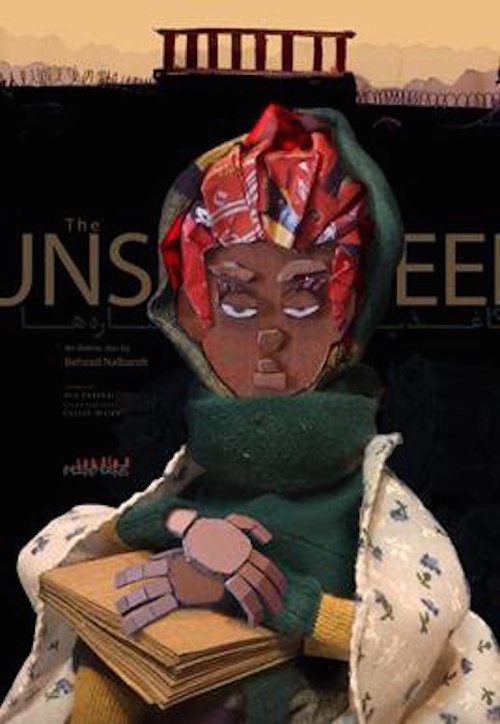
When Tehran hosts visiting foreign dignitaries, the local authorities clean up the city’s urban image through the controversial process of ‘urban beautification’. Those who are deemed unsavoury are rounded up – drug users, prostitutes and the homeless who sleep in cardboard boxes on sidewalks and who they would rather remain unseen. When these very important people leave, the men are released but the women are kept as wards of the state. An animated documentary made using hand-crafted cardboard miniatures and the voices of women to tell their story, one that has been five years in the making. A story that shows how the face of a city can change, but what is underneath often does not.
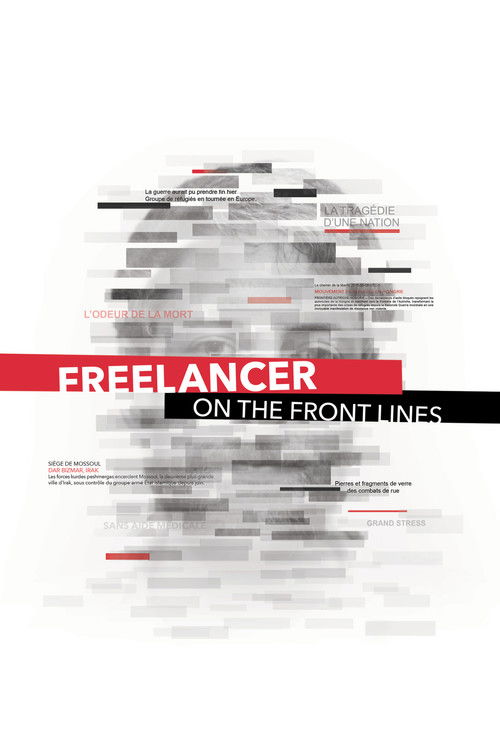
This fast-paced documentary follows Canadian freelance reporter Jesse Rosenfeld’s journey across the Middle East. Having made the region the focus of his work, he shows us the thorny geopolitical realities on the ground and explores how journalism practices have changed in the age of the Internet. From Egypt to Turkey and Iraq by way of Israel and Palestine, filmmaker Santiago Bertolino captures the ups and downs of a new kind of journalism in action.
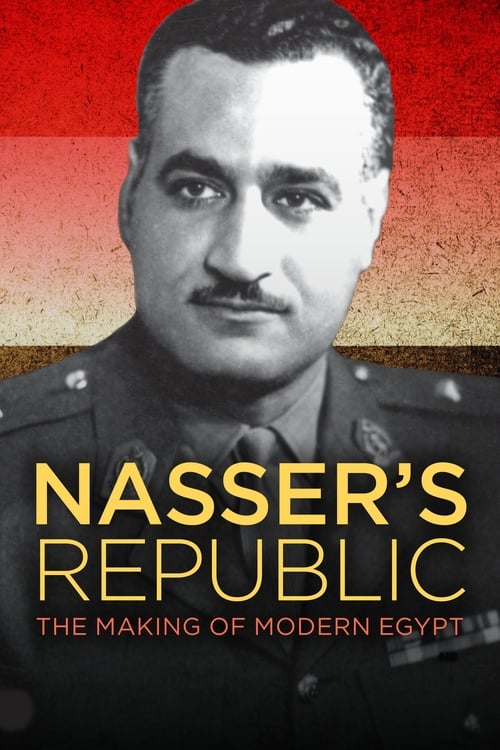
In 1952 a young Egyptian colonel named Gamal Abdel Nasser led a coup that became a revolution, winning the support of millions of his countrymen. Over the next 18 years he challenged Western hegemony abroad, confronted Islamism at home, established the region’s first military authoritarian regime, and faced deep divisions among the Arabs.
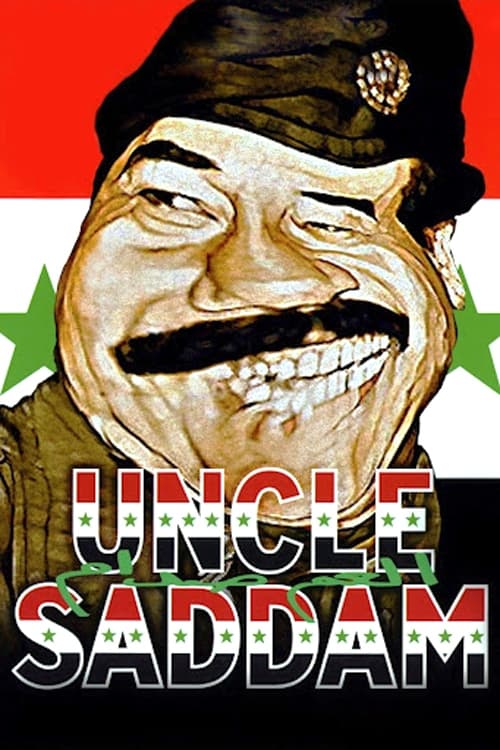
Everything you've ever wanted to know about Saddam Hussein (but were afraid to ask).
"While I'm Away" is a first-year student animated short. This short is about the sense of not fully belonging to one place, and missing the other one when you are away. The guilt of moving abroad in the first place. Being the first generation to do this in your family. The constant self-reassurance that you aren’t doing anything wrong but still having no idea how to navigate all this. Re-birth. Alienation. Growth. Guilt. Renewal. Envy.
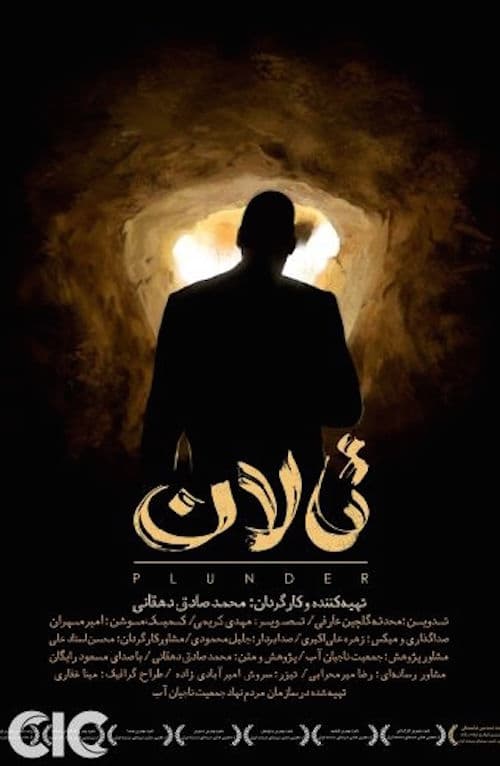
Iranian people’s water requirements are mostly depending on groundwater, though these sources are swiftly ending and the farmers are overusing millions of cubic meters of water annually. This documentary shows the tragedy of progressive depletion of groundwater resources in Iran in the past 50 years. While analyzing the water managements in past decades, we will see the environmental and social losses of such plunder, like land subsidence and migration of more than 11 million Iranians to suburbs of megacities.
A group of young UN soldiers in Lebanon enters service with pro-Israeli views and a naive outlook on war. They go through a radical change of heart as they witness and film the Qana massacre. They secure video evidence indicating that Israel deliberately bombed a UN camp killing 106 refugees.