Through this documentary, Emmanuelle Béart aims to uncover the truth about incest. The actress, accompanied by director Anastasia Mikova, breaks her silence and confronts her reality with that of others, shedding light on a taboo subject.
Emmanuelle Béart
as Self
Anastasia Mikova
After delivery of a parcel, on leaving a restaurant, hotel or train, or following an exchange with the customer service department of your telephone operator, the same request: to rate. On a scale from 0 to 10, embellished with colors, or by awarding pretty, playful little stars. A simple, mechanical and painless action for the rater. But behind this harmless gesture lies a brutal management system, operated directly by the customer, without their knowledge. Even more worrying: without knowing it, we are all being rated, to feed the algorithms of opaque companies that claim to be able to predict the future. The film questions this invasion of rating systems, and the consequences of this practice for our individual realities and collective freedoms.
A traumatic injury and disability, the filmmaker is also the subject, trying to find his way out of a coma like state. Searching for answers, he begins to interview strangers also experiencing extreme life circumstances.
Books, apps, coaching sessions: Today, happiness is everywhere. We might think that there is nothing wrong with this common-sense concern. But it’s actually the opposite of social reality. So what lies behind this contemporary obsession with happiness and the billions of euros generated by its industry? Philosophers, sociologists, economists and psychiatrists including Christophe André, Éva Illouz, Martin Seligman and Julia De Funès, confront their point of view and decipher one of the most captivating and worrying phenomena of this early century.
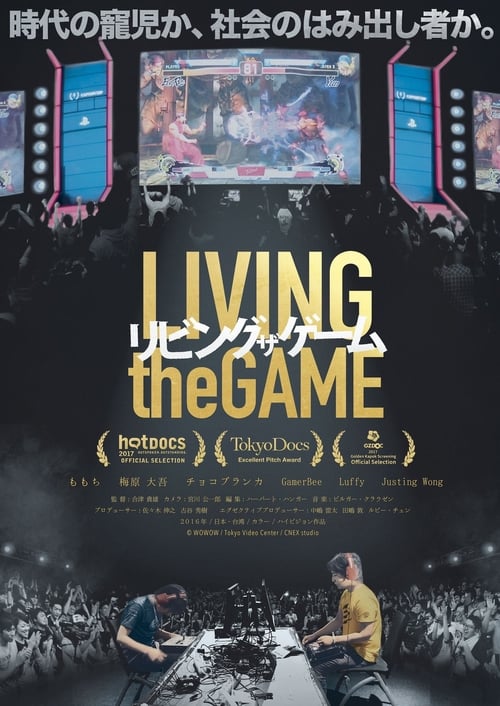
In the world of computer games, there are players earning fight money as a PRO. They are sponsored by digital tool companies or beverage companies, and tour around the world to earn money in tournaments. This film goes over the days of Pro Gamers in Japan, USA, France and Taiwan.
Nine fictitious documentaries and films reflect the mood of late 1970s Germany, particularly the two-month period in 1977 when a businessman was kidnapped by the RAF (Red Army Faction). The kidnap had been made to orchestrate the release of the original leaders of the RAF, aka the Baader-Meinhof.
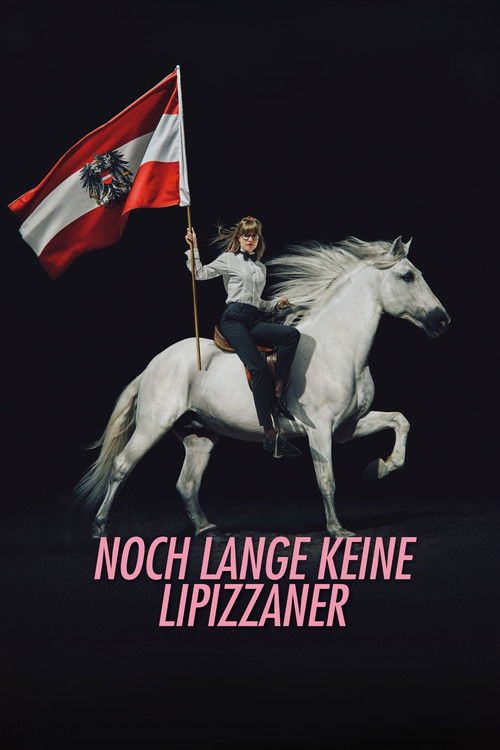
Although director Olga Kosanović was born and raised in Austria, she is not allowed to be Austrian. Her first attempt at naturalization failed. One contemptuous social media comment summed it up: “If a cat gives birth in the Spanish Riding School, that doesn’t make the kittens Lipizzaners.”What notion of identity underlies a legal system that divides society into “us” and “them”? A film about belonging — and about a second attempt.
A mother embarks on a journey of acceptance and joy while supporting her child's gender transition in this heartfelt portrayal of single parenting and navigating the complexities surrounding gender and consent.
The Hugo's Brain is a French documentary-drama about autism. The documentary crosses authentic autistic stories with a fiction story about the life of an autistic (Hugo), from childhood to adulthood, portraying his difficulties and his handicap.
Nearly seventeen years old, Laetitia navigates between her attachment disorder and her blatant need for love. In a world where image control is absolute, LOVE ME tells the story of the quest for the love with a capital L, through the various forms of self-representation.
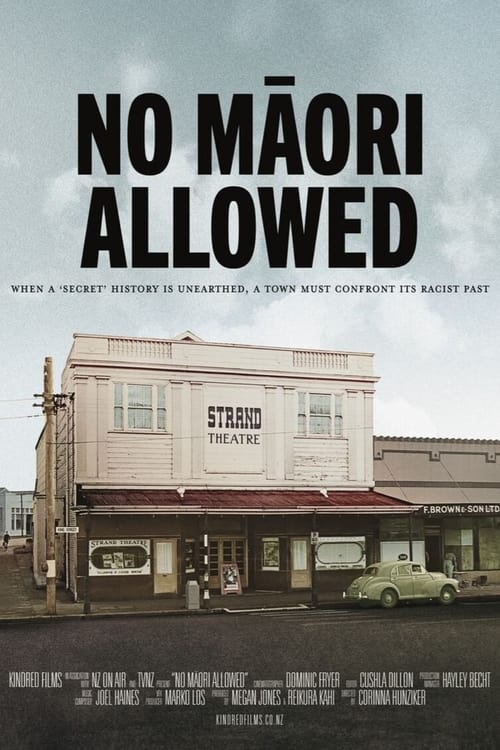
When an academic unearths a forgotten history, residents of the small township of Pukekohe, including kaumātua who have never told their personal stories before, confront its deep and dark racist past.
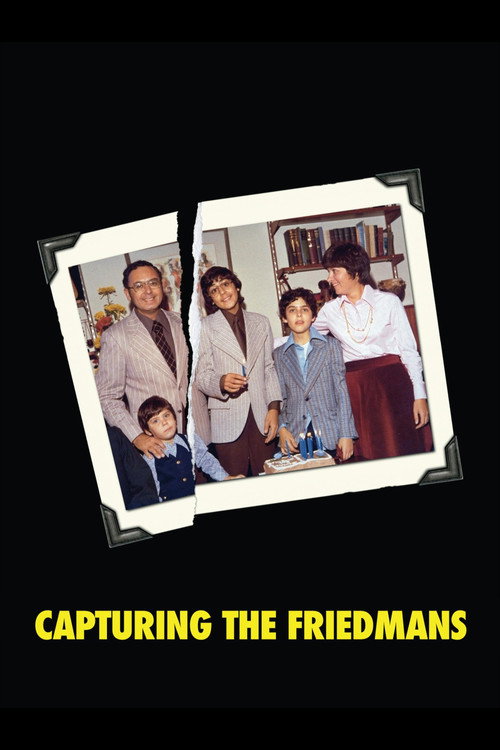
An Oscar nominated documentary about a middle-class American family who is torn apart when the father Arnold and son Jesse are accused of sexually abusing numerous children. Director Jarecki interviews people from different sides of this tragic story and raises the question of whether they were rightfully tried when they claim they were innocent and there was never any evidence against them.
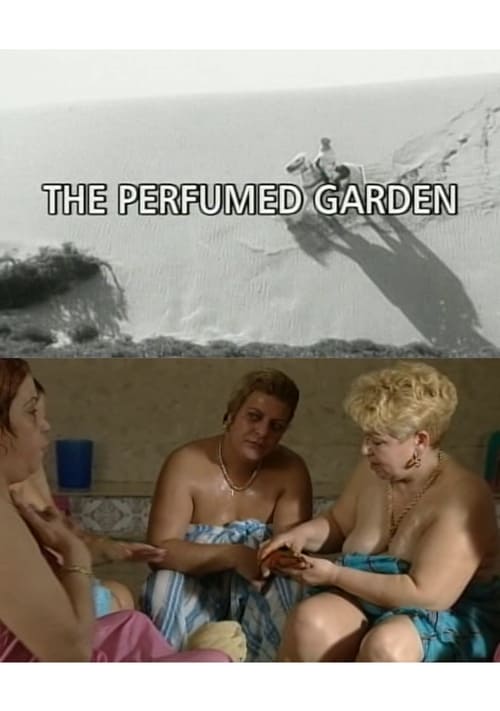
THE PERFUMED GARDEN is an exploration of the myths and realities of sensuality and sexuality in Arab society, a world of taboos and of erotic literature. Through interviews with men and women of all ages, classes, and sexual orientation, the film lifts a corner of the veil that usually shrouds discussion of this subject in the Arab world. Made by an Algerian-French woman director, the film begins by looking at the record of a more permissive history, and ends with the experiences of contemporary lovers from mixed backgrounds. It examines the personal issues raised by the desire for pleasure, amidst societal pressures for chastity and virginity. The film discusses pre-marital sex, courtship and marriage, familial pressures, private vs. public spaces, social taboos (and the desire to break them), and issues of language.
Why do people vent such toxic opinions online? Filmmaker Kyrre Lien spent three years travelling the world to find out who these anonymous ‘internet warriors’ are and why they do it.
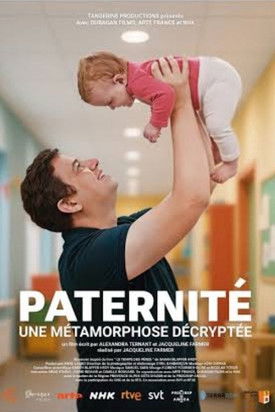
Becoming a father is an extraordinary adventure in a man's life, but it is also a real physiological metamorphosis that science is only just beginning to reveal. Researchers from multiple disciplines are lifting the veil on these changes taking place in men who are in contact with young children, and their discoveries are astonishing. By tracing the thread of evolution, the film reveals that these deep, long-ignored bonds between men and children are very ancient. And that they are just waiting for the right context to fully express themselves.
"TDS, derrière l'écran des travailleuses du sexe" is a deep dive into the lives of Betty, Anaïs, Noochka, Manon, and Barty. They have all ventured into the world of selling sexual content online. What pushes someone to take the step of signing up on these platforms? What are their motivations? What are the consequences on their personal lives? Why do some choose to stick with it for years, while others decide to stop for good?
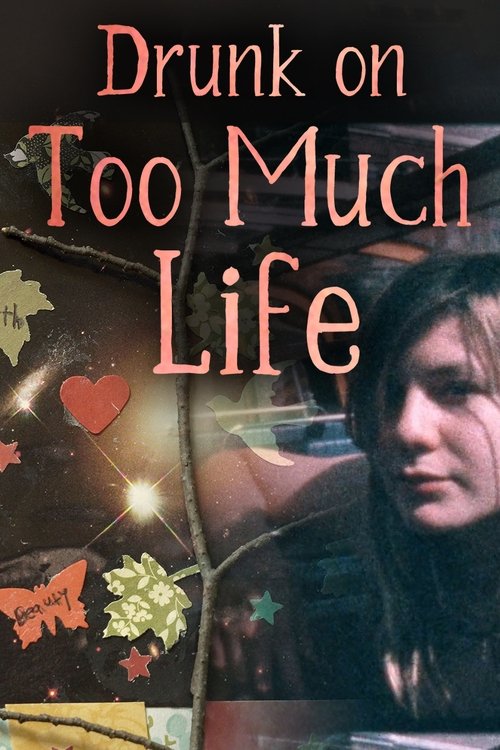
The filmmakers' 21-year-old daughter journeys from locked-down psych wards and diagnostic labels toward expansive worlds of creativity, connection, and greater meaning. Featuring insights from trauma experts and others, the film challenges the widespread idea that mental illness should be understood purely in biological terms, revealing the myriad ways that madness has meaning beyond brain chemistry.