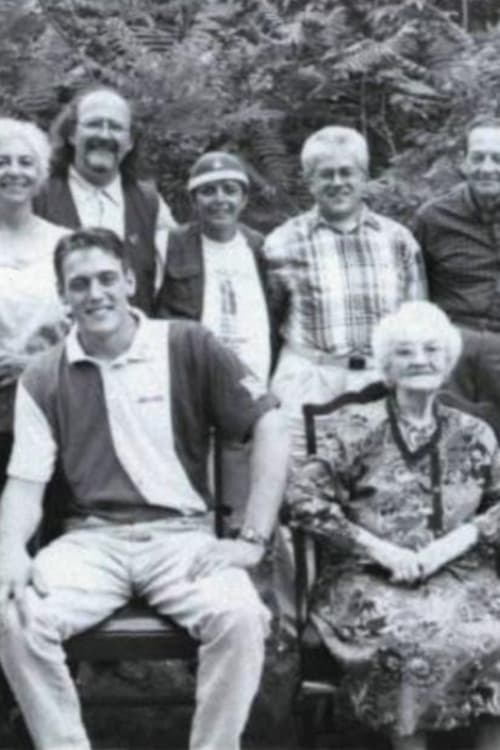
In 1969, the federal government expropriated two hundred and fifteen families in eight towns of New Brunswick in order to build a national park. Not only did these families lose their homes and their memories, they also lost their livelihoods.
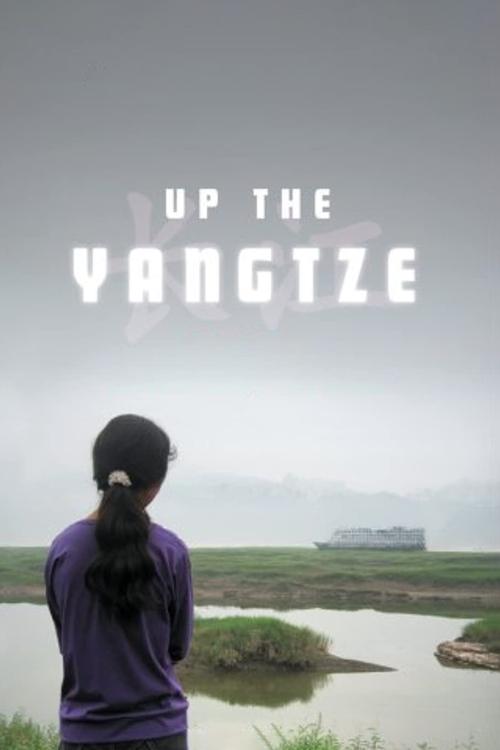
At the edge of the Yangtze River, not far from the Three Gorges Dam, young men and women take up employment on a cruise ship, where they confront rising waters and a radically changing China.
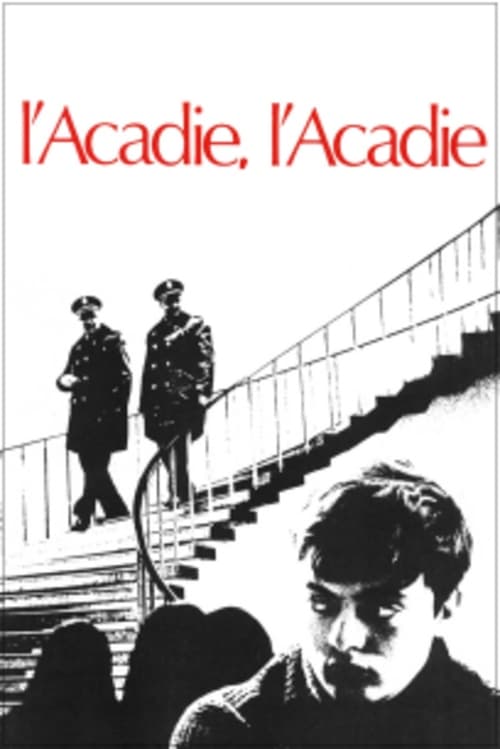
In the late 1960s, with the triumph of bilingualism and biculturalism, New Brunswick's Université de Moncton became the setting for the awakening of Acadian nationalism after centuries of defeatism and resignation. Although 40% of the province's population spoke French, they had been unable to make their voices heard. The movement started with students-sit-ins, demonstrations against Parliament, run-ins with the police - and soon spread to a majority of Acadians. The film captures the behind-the-scenes action and the students' determination to bring about change. An invaluable document of the rebirth of a people.
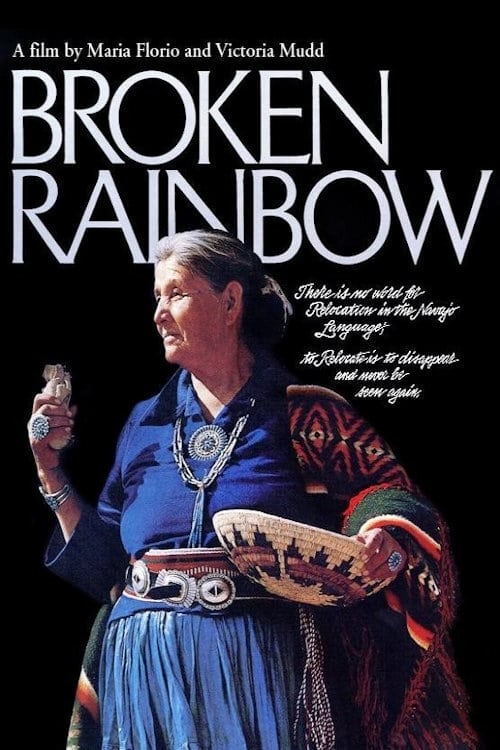
Documentary chronicling the government relocation of 10,000 Navajo Indians in Arizona.
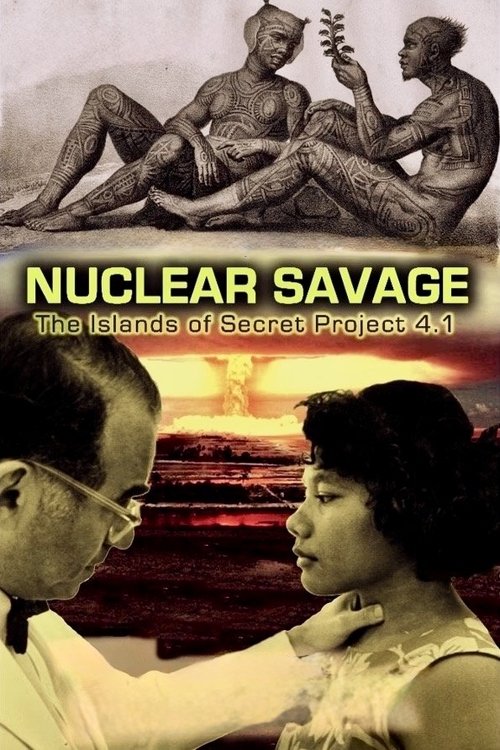
A shocking political exposé, and an intimate ethnographic portrait of Pacific Islanders struggling for survival, dignity, and justice after decades of top-secret human radiation experiments conducted on them by the U.S. government.
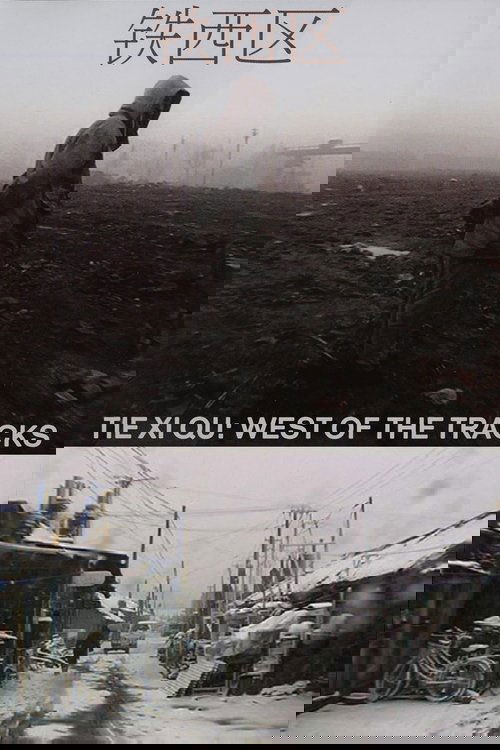
A detailed look at the gradual decline of Shenyang’s industrial Tiexi district, an area that was once a vibrant example of China’s socialist economy. But industry is changing, and the factories of Tiexi are closing. Director Wang Bing introduces us to some of the workers affected by the closures, and to their families.
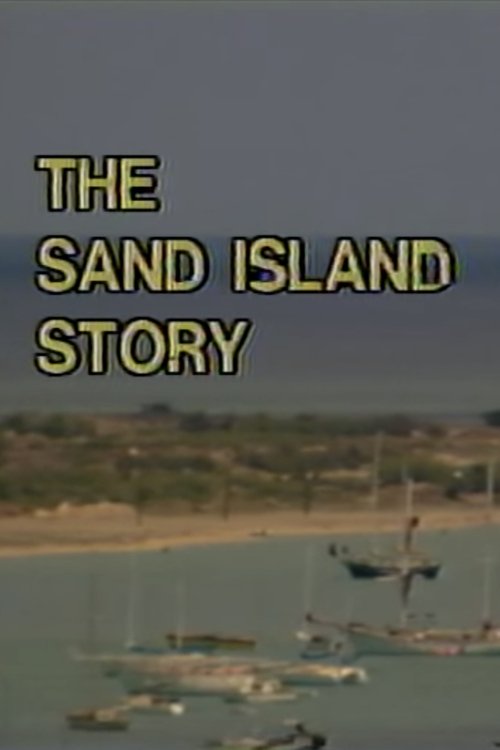
This short documentary chronicles a four-month period between 1979 and 1980 when residents of Hawaii's Sand Island "squatter" community attempted to resist eviction from the Honolulu shoreline - resulting in displacement, arrests, and the destruction of a community.
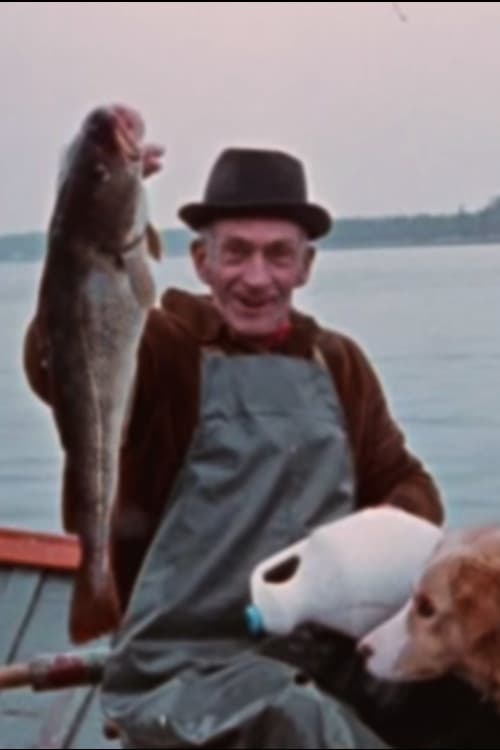
Arthur and Ernest are two bachelor fishermen who occupy the proverbial end-of-the-road on Morris Island, an Acadian community in southern Nova Scotia. Sober or not, they carry on with and for the filmmaker who is attempting to find out about their lives. The resulting encounters owe a smuch to Harold Pinter or Samuel beckett is they do to the documentary genre of film-making.
This documentary captures the beauty of Maine's Acadia National Park, as well as detailing the history of the location which happens to be the first area east of the Mississippi River to be declared a National Park.
The village of Tamaquito lies deep in the forests of Colombia. Here, nature provides the people with everything they need. But the Wayúu community's way of life is being destroyed by the vast and rapidly growing El Cerrejón coal mine. Determined to save his community from forced resettlement, the leader Jairo Fuentes negotiates with the mine's operators, which soon becomes a fight to survive.
They met onstage at the Mr Leather Russia contest. One of them won the title, the other won the titleholder. 'A tale of two Doms', gay fetish and BDSM activists who tried to make a difference. But soon their world came crashing down.
This short film depicts Africville, a small black settlement that lay within the city limits of Halifax, Nova Scotia. In the 1960s, the families there were uprooted and their homes demolished in the name of urban renewal and integration. More than 20 years later, the site of the community of Africville is a stark, under-utilized park. Former residents, their descendants and some of the decision-makers speak out and, with the help of archival photographs and films, tell the story of that painful relocation.
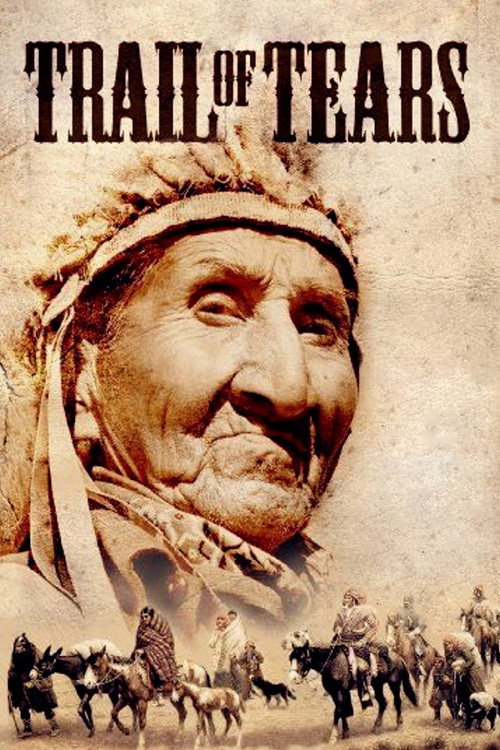
This two-hour documentary explores one of the great historical tragedies of America's aboriginal people. In 1830, eager to gain access to lands inhabited by Native Americans, President Andrew Jackson enacted the Indian Removal Act which forced the Cherokee Nation to leave their homeland and to relocate into uncharted territory. Many of these forced settlers suffered from exposure, disease, and starvation, and upon arriving in Indian Territory, they arrived with no past and no future.
A film that witnesses the Acadian awakening and the unprecedented popular awareness that manifested itself in 1972 in northeastern New Brunswick.
National Film Board of Canada documentary of stories of Acadians (French Canadians from the eastern Maritime provinces). Hundreds of thousands of Acadians emigrated to Louisiana following deportation by the British during the Acadian Expulsion of the mid-18th century, hence the term 'Cajun.'
A child of the Beat Generation, Gérald Leblanc conjoined urban-ness and American-ness, wandering and belonging, far beyond the boundaries of taboo. In so doing, he helped propel Acadia into the modern era.
Explores the creation of Henry Wadsworth Longfellow’s poem, “Evangeline: A Tale of Acadie,” and the phenomenon it became.