In a continuation of her first film We Are Not Speaking the Same Language, Danika explains what it feels like to be displaced Indigenous urban.
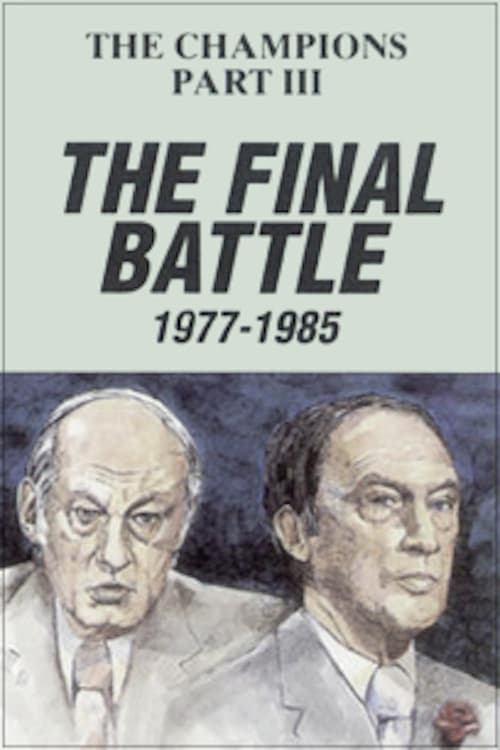
The final instalment of this 3-part documentary series about Pierre Elliott Trudeau and René Lévesque spans the decade between 1976 and 1986. The film reveals the turbulent, behind-the-scenes drama during the Quebec referendum and the repatriation of the Canadian Constitution. In doing so, it also traces both Trudeau's and Lévesque's fall from power.
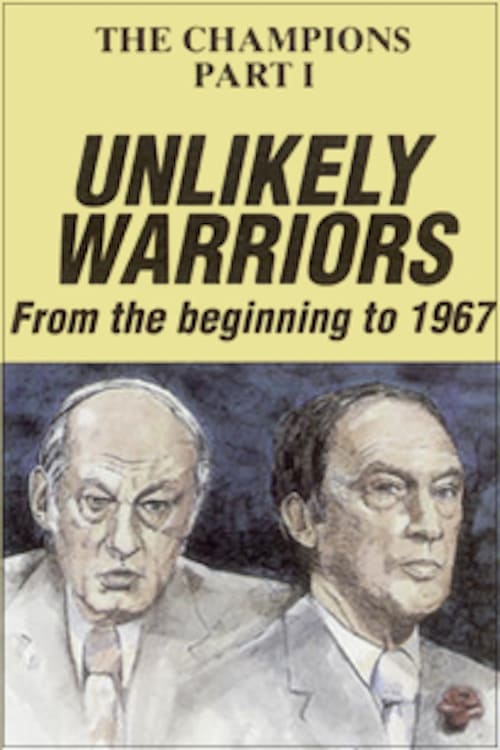
In Part 1 of this 3-part documentary series, director Donald Brittain chronicles the early years of Pierre Elliott Trudeau and René Lévesque. From their university days in the 1950s to 1967 when Lévesque left the Liberal Party and Trudeau became the federal Minister of Justice, Brittain attempts to get at the heart of what makes these men so fascinating.
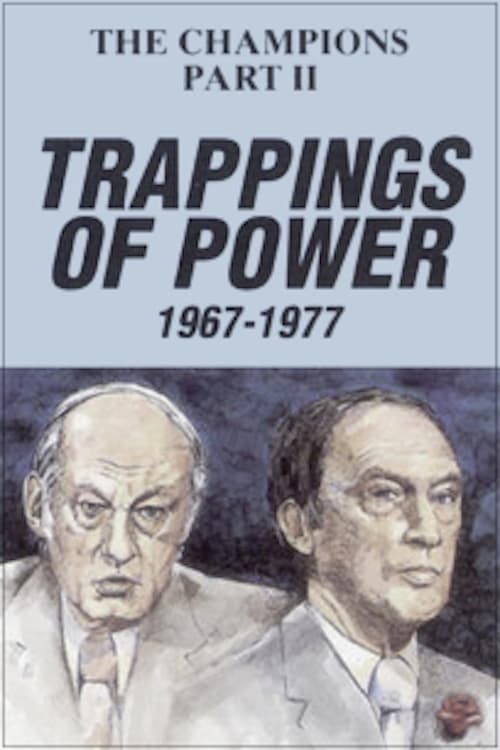
Part 2 of this 3-part documentary series about Pierre Elliott Trudeau and René Lévesque covers the years between 1967 and 1977, a colourful decade that saw Trudeau win three federal elections, the 1970 October Crisis and the sweeping rise to power of the Parti Québécois.
On September 11, 2004, filmmaker Robert Morin shot Que Dieu bénisse l'Amérique, set on September 11, 2001. For artistic reasons, he decided to shoot the feature in a single day. Philippe Falardeau witnessed this tumultuous day, which ended tragically. At the same time, filmmaker Louis Bélanger criticizes Robert Morin's working methods.
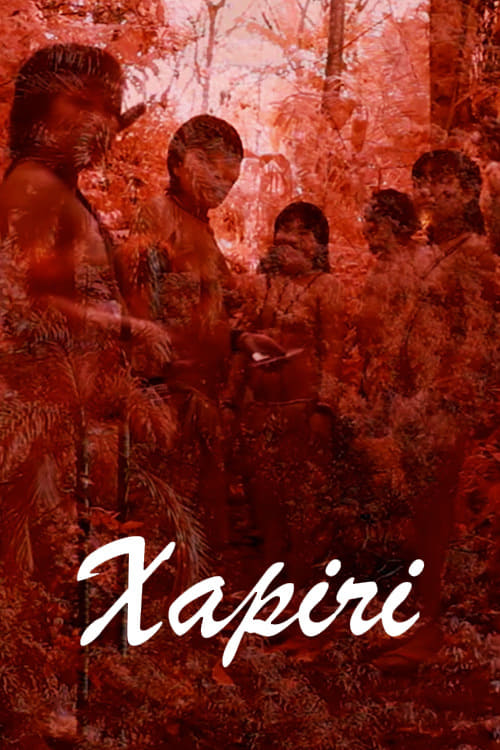
Xapiri is a Yanomami term that characterizes the shamans, male spirits (xapiri thëpë) and also auxiliary spirits (xapiri pë). Xapiri is an experimental film about Yanomami shamanism that was filmed during a meeting of 37 shamans at the Watoriki Reserve, Roraima, in March of 2011. The film was designed to take into account two different notions of image: those of the Yanomami and ours. Therefore, it does not set out to explain shamanism, its methods or procedures, but to allow different cultures to visualize and feel the way in which the shamans “embody” the spirits, their bodies and voices.
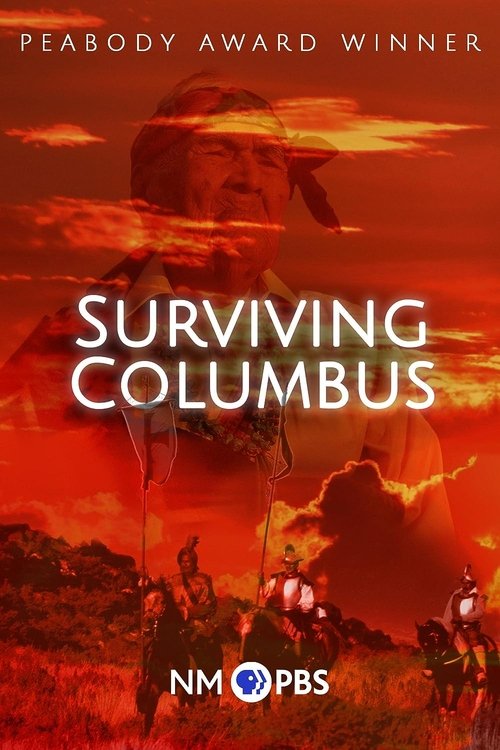
This Peabody Award-winning documentary from New Mexico PBS looks at the European arrival in the Americas from the perspective of the Pueblo Peoples.
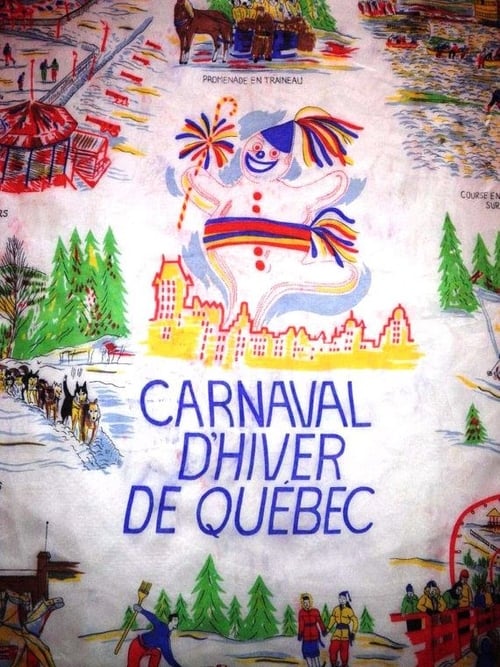
Carnival time in Quebec, Canada, is also time for racing with sled-dogs, horse-drawn sleighs, hockey, curling the carving of ice-statues, obstacle races by youngsters, fireworks, and also the selection of a Carnival Queen.
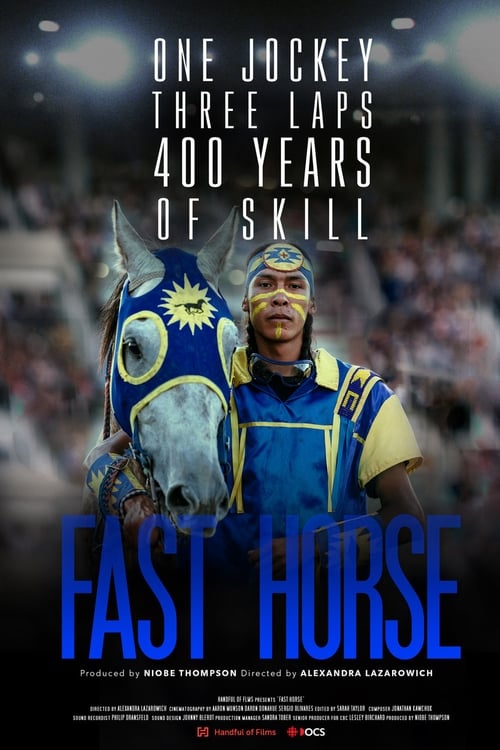
The Blackfoot bareback horse-racing tradition returns in the astonishingly dangerous Indian Relay. Siksika horseman Allison Red Crow struggles with secondhand horses and a new jockey on his way to challenging the best riders in the Blackfoot Confederacy.
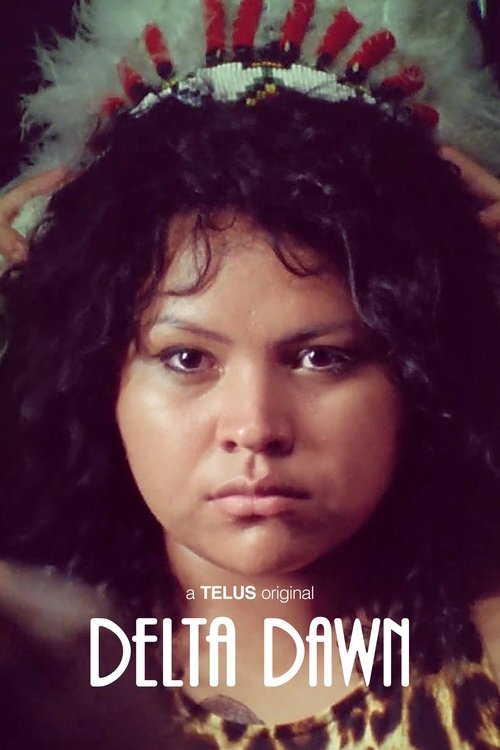
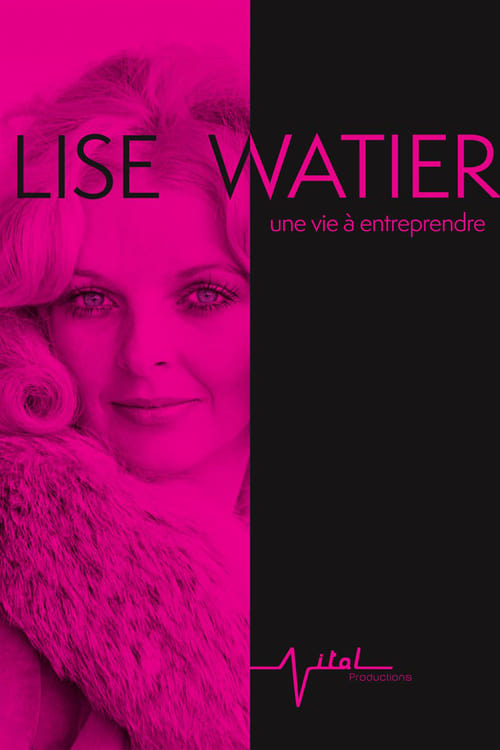
This documentary follows Dawn Murphy, or “Princess Delta Dawn”, who rose to fame in the 1980s and early 1990s and became the first Indigenous woman wrestler and the first Canadian woman wrestler to compete in Japan.
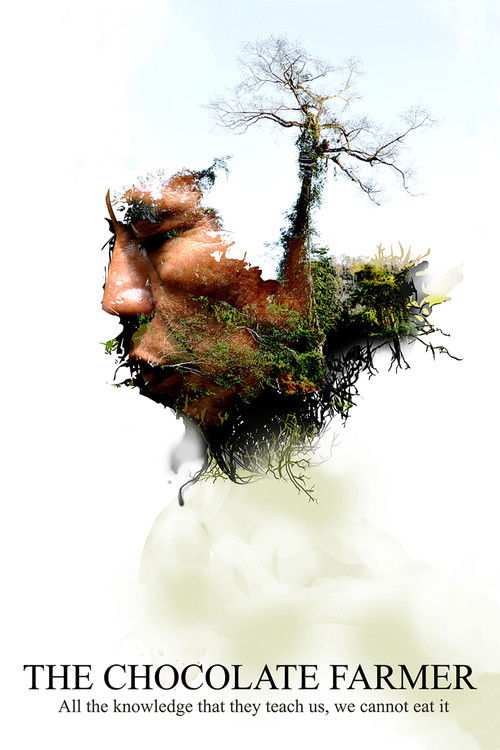
For ancient Mayans, cocoa was as good as gold. For subsistence farmer Eladio Pop, his cocoa crops are the only riches he has to support his wife and 15 children. As he wields his machete with ease, slicing a path to his cocoa trees, the small jungle plot he cultivates in southern Belize remains pristine and wild. His dreams for his children to inherit the land and the traditions of their Mayan ancestors present a familiar challenge. The kids feel their father's philosophies don't fit into a global economy, so they're charting their own course. Rohan Fernando's direction tenderly displays a generational shift, causalities of progress in modern times and a man valiantly protecting an endangered culture. Breathtaking vistas of lush rainforests contrast with the urban dystopia that pulled Pops children away from him. Will one child return to carry on a waning way of life
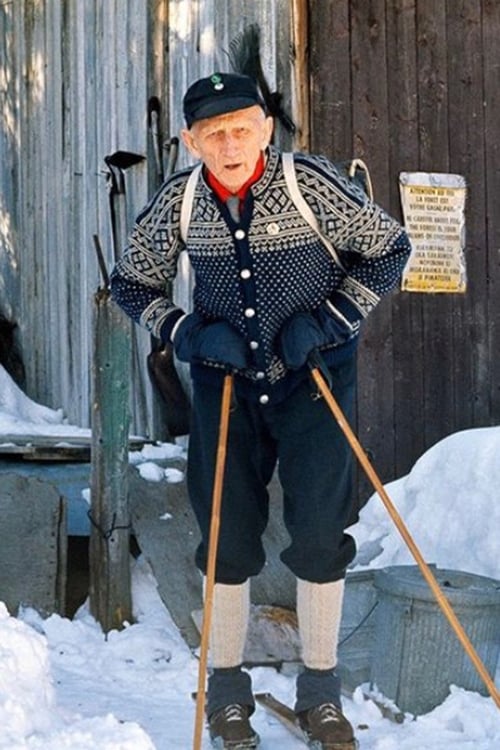
This short film retraces the life of Herman Smith Johannsen – the man who introduced the sport of cross-country skiing to Canadians. From past to present, his life story is portrayed through pictures from sports newsreels, Norwegian archives and his family album. The film catches up with him at both the Canadian Ski Marathon, where he is the honoured guest, and on a return trip to his native Norway.
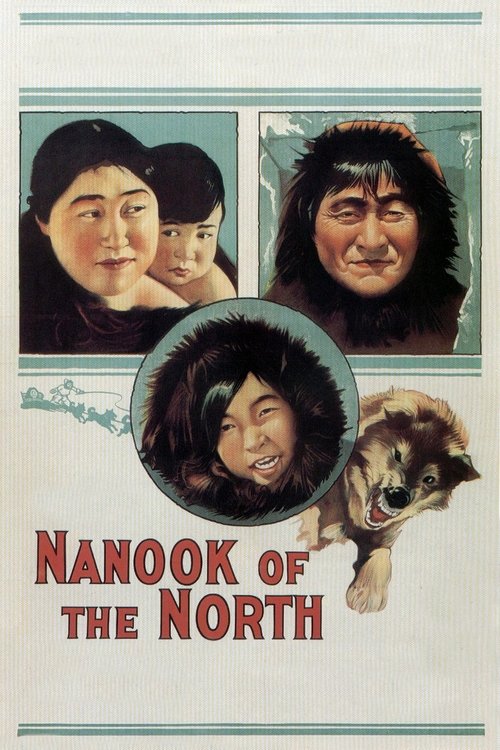
This pioneering documentary film depicts the lives of the indigenous Inuit people of Canada's northern Quebec region. Although the production contains some fictional elements, it vividly shows how its resourceful subjects survive in such a harsh climate, revealing how they construct their igloo homes and find food by hunting and fishing. The film also captures the beautiful, if unforgiving, frozen landscape of the Great White North, far removed from conventional civilization.
Sixty snowmobilers, indigenous and non-indigenous, join forces to take part in a huge snowmobiling expedition: a 3500 km journey to be completed in 16 days. The goal: to cross a large swath of Quebec to work towards reconciliation between peoples. In this choral film, which is as much a physical ordeal as a spiritual and psychological one, the participants take on the mission of raising public awareness of the issues dear to their communities. Through the challenges posed by the weather and the long daily journeys that put the group to the test, a powerful bond is forged between the participants, who face enormous adversity. A journey on the land of ancestors that reveals the strength of togetherness.
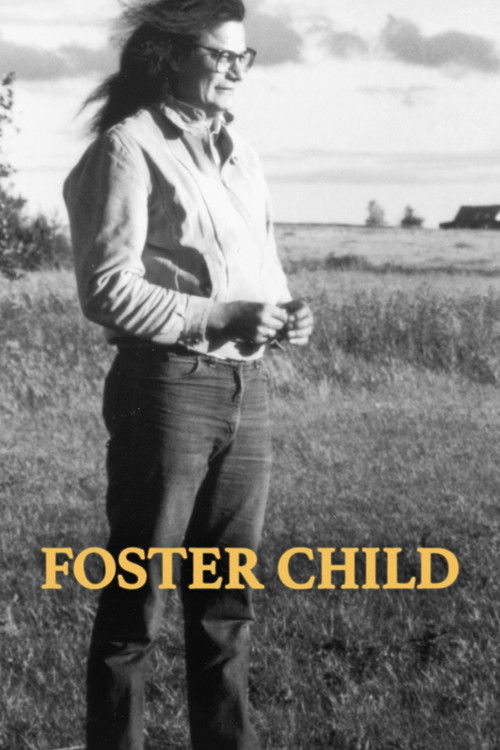
Gil Cardinal searches for his natural family and an understanding of the circumstances that led to his becoming a foster child. An important figure in the history of Canadian Indigenous filmmaking, Gil Cardinal was born to a Métis mother but raised by a non-Indigenous foster family, and with this auto-biographical documentary he charts his efforts to find his biological mother and to understand why he was removed from her. Considered a milestone in documentary cinema, it addressed the country’s internal colonialism in a profoundly personal manner, winning a Special Jury Prize at Banff and multiple international awards.
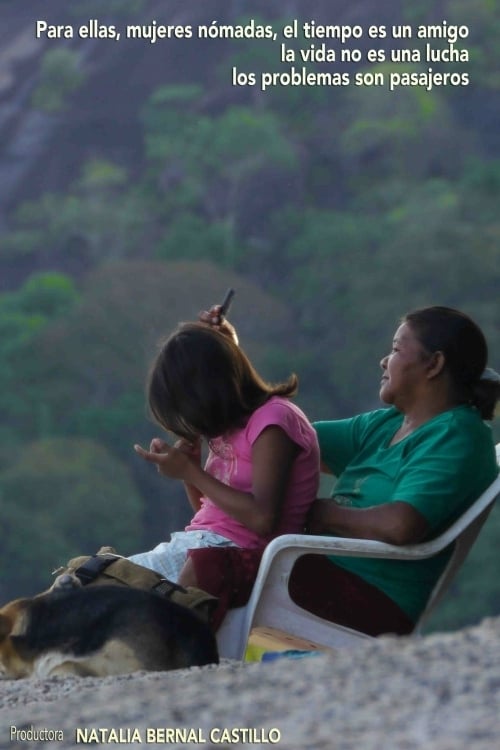
María is an Amorúa girl; an indigenous group that traveled the savannas of Orinoquía as nomads. She lives with her grandmother Matilde, her sister diana and her cousins in Puerto Carreño, in the Colombia-Venezuela border. The amorúa are considered wild and are not literate. Matilde wants her granddaughters to learn to write and read to live better in this town of "rational whites" as they call us. The director follows María's life for 8 years from her childhood to her adolescence and invites her to travel the places her grandma did as a nomad.
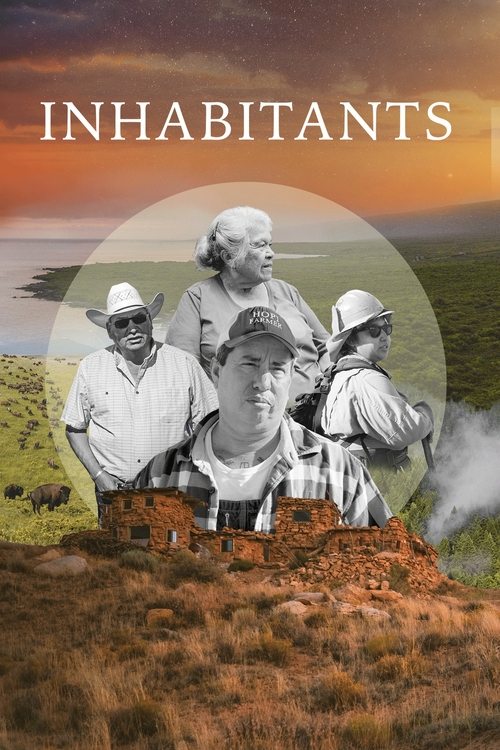
For millennia, Native Americans successfully stewarded and shaped their landscapes, but centuries of colonization have disrupted their ability to maintain their traditional land management practices. From deserts, coastlines, forests, mountains, and prairies, Native communities across the US are restoring their ancient relationships with the land. As the climate crisis escalates these time-tested practices of North America's original inhabitants are becoming increasingly essential in a rapidly changing world.
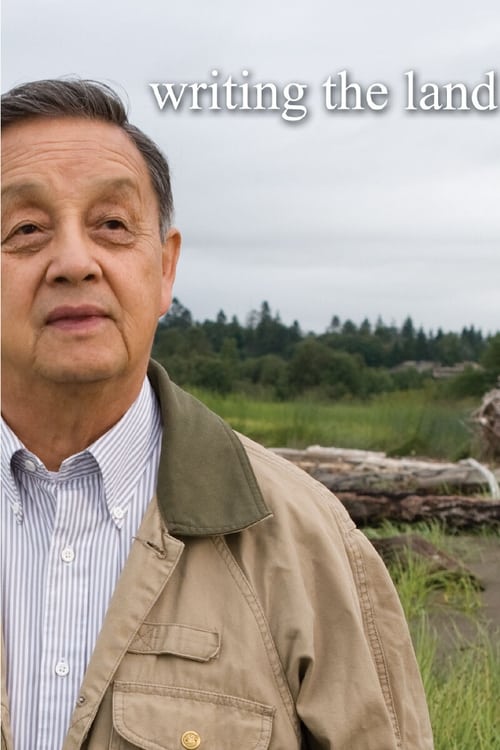
In this short documentary, a Musqueam elder rediscovers his Native language and traditions in the city of Vancouver, in the vicinity of which the Musqueam people have lived for thousands of years. Writing the Land captures the ever-changing nature of a modern city - the glass and steel towers cut against the sky, grass, trees and a sudden flash of birds in flight and the enduring power of language to shape perception and create memory.