Chiara Francesca Pecorino
as Girl
A naive young college student, who is majoring in chemistry, is persuaded by her roommates and a would-be drug dealer to make LSD for them, and she winds up getting caught up in the "acid" lifestyle.
This work is a mockumentary about the love for the silver generation.
The deep conversation between a Japanese architect and a French actress forms the basis of this celebrated French film, considered one of the vanguard productions of the French New Wave. Set in Hiroshima after the end of World War II, the couple -- lovers turned friends -- recount, over many hours, previous romances and life experiences. The two intertwine their stories about the past with pondering the devastation wrought by the atomic bomb dropped on the city.
Kaalam is a human drama about how time influences perception, judgment, and compassion. In an ordinary setting of everyday lives, people cross paths and form opinions about one another - often too quickly. Actions are misunderstood, intentions are misread, and individuals are judged not for who they are, but for what is seen in a moment shaped by circumstances. As time moves through different phases - Samakaalam 1, Samakaalam 2, Kooththukaalam, and Maayakaalam.Perspectives begin to shift. What once appeared right starts to feel incomplete, and what seemed wrong reveals hidden truths. Time slowly exposes the gaps between appearance and reality. Kaalam reflects on how easily humans judge one another, and how time alone has the power to correct those judgments. It ultimately observes how time alters judgment and changes the way people see one another.
The film consists of a series of tightly interlinked vignettes, the most sustained of which details the story of a man and a woman who are passionately in love. Their attempts to consummate their passion are constantly thwarted, by their families, by the Church and bourgeois society in general.
Mid 20th century. Industry is developing rapidly and the need for workers in factories is growing. After graduating from the tenth year, Viktor Chernyshyov, now a city dweller, did not bother to continue his education and went to the plant as a turner. He considered it quite normal that the guys enthusiastically listened to the stories of his peer Kolya, a lounger who boasted of victories over women, and participated in his dubious amusements. Only one of them, Pyotr — a real worker, a doctor, tried to reason with Kolya and the others.
Viridiana is preparing to start her life as a nun when she is sent, somewhat unwillingly, to visit her aging uncle, Don Jaime. He supports her; but the two have met only once. Jaime thinks Viridiana resembles his dead wife. Viridiana has secretly despised this man all her life and finds her worst fears proven when Jaime grows determined to seduce his pure niece. Viridiana becomes undone as her uncle upends the plans she had made to join the convent.
Juliette is frantically running away from a man when a car hits her. Lying in the street, semiconscious and stunned, she commences counting. She knows that if no one helps her by the time she reaches 100, something terrible will happen.
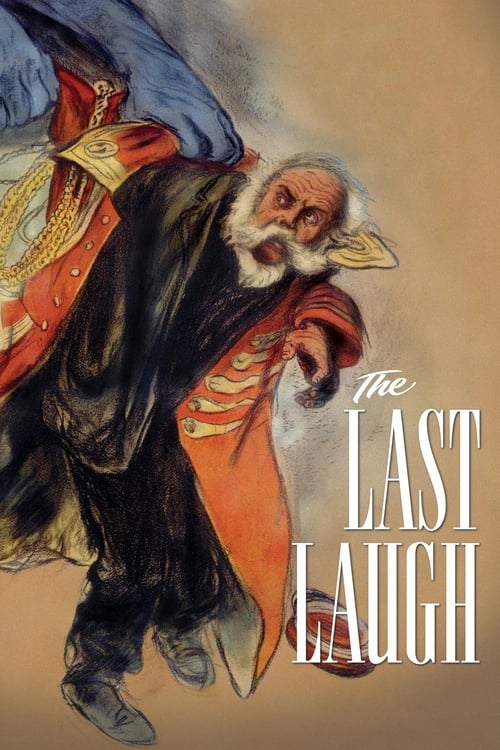
An aging doorman, after being fired from his prestigious job at a luxurious hotel, is forced to face the scorn of his friends, neighbours and society.
Our “true” life path decisions are heavily influenced by many external factors (known as the imposed choice) such as our environment, our friends/families, and spiritual inclinations. However, this internal compass (known as our independent choice) such as personal passions and feelings that help guide us to our mind’s “true” path.
A man with an umbrella emerges from his grave to be momentarily reunited with his lost loved one.
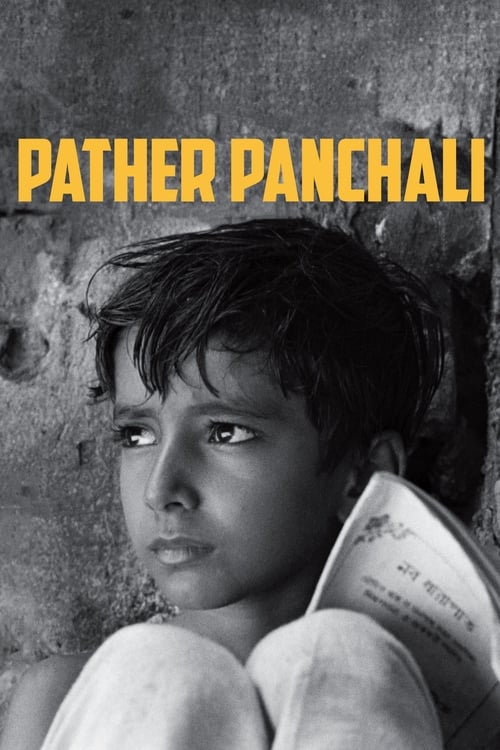
Impoverished priest Harihar Ray, dreaming of a better life for himself and his family, leaves his rural Bengal village in search of work. Alone, his wife, Sarbojaya, looks after her rebellious daughter, Durga, and her young son, Apu, as well as Harihar's elderly aunt Indir. The children enjoy the small pleasures of their difficult life, while their parents suffer the daily indignities heaped upon them.
A poor young woman, Naeema, is hit by a motorcycle and loses her sight as a result of the accident. The father, Saber, is shocked and rushes to the hospital, which causes a quarrel between him and Hamed, the contractor, who asks his colleagues not to employ Saber. Saber’s poverty increases day after day. At a time when Hamed is getting richer, he is involved in a relationship with the wealthy Souad, whose brother Abbas refuses to let her marry him and kills him. Saber arrives at Hamed's house to ask him to return to work with him. He is surprised by Hamed's body and is accused of killing him.