What is true healing? And where does it start? World-renowned functional medicine expert Dr. Jill Carnahan draws on her own experience overcoming chronic illness and trauma, finding inspiration and healing in the darkest of times.
Jill Carnahan
as
Burke Larson
Topher Donahue
Jamie Bailey
Ryan Sutter
Chad Prusmack
In Iraq 2003 Corporal Martin Webster filmed fellow soldiers beating Iraqi youths during rioting in Al Amara. Two years later, a British newspaper obtained his footage. The story that ran led to outrage across the world.
A documentary film that takes us on a scientific and spiritual journey where we discover that by changing one's perceptions, the human body can heal itself from any disease.
When filmmaker Debra Chasnoff faces stage-4 cancer, she turns her lens on herself and the disease. What emerges is a portrait of her extended LGBTQ family —a story about hanging on while letting go.
It's 1974. Muhammad Ali is 32 and thought by many to be past his prime. George Foreman is ten years younger and the heavyweight champion of the world. Promoter Don King wants to make a name for himself and offers both fighters five million dollars apiece to fight one another, and when they accept, King has only to come up with the money. He finds a willing backer in Mobutu Sese Suko, the dictator of Zaire, and the "Rumble in the Jungle" is set, including a musical festival featuring some of America's top black performers, like James Brown and B.B. King.
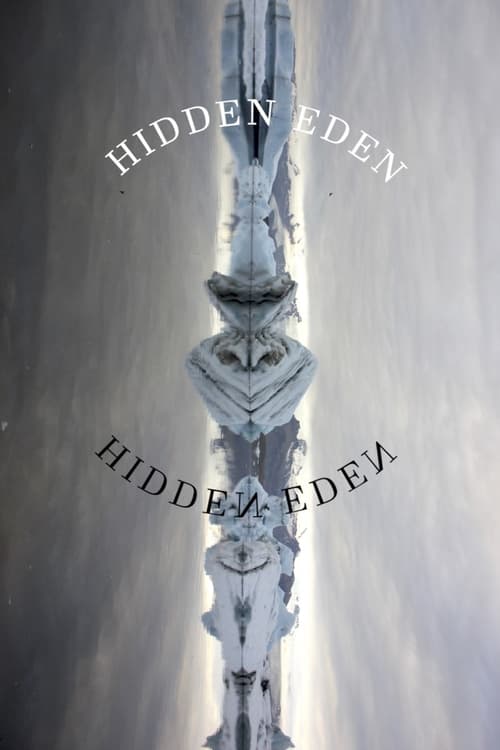
Exploring the concept of the Ecology of Emotions, this musical film portrays an inner journey through the secret garden of creativity put into frame by the nature of Iceland. Hidden Eden is a metaphor for our inner secret garden of creativity. This project bloomed during an art residency in Iceland, sparked by conversations around our shared philosophies on voice and emotional connection. The nature of Iceland inspired us to make the connection on how the landscape reflects the emotional states of creativity and how it helps manage the homeostasis of our inner emotional landscapes. This exchange between emotion and the landscape opens a space for healing. Creativity provides us with the tools to access a garden of our authentic being, nourishing and balancing us. Allowing ourselves to explore the spectrum of our emotions through the lens of our relationship with the Earth invites others to do the same. The creative process can affect our well being and is a key to human evolution.
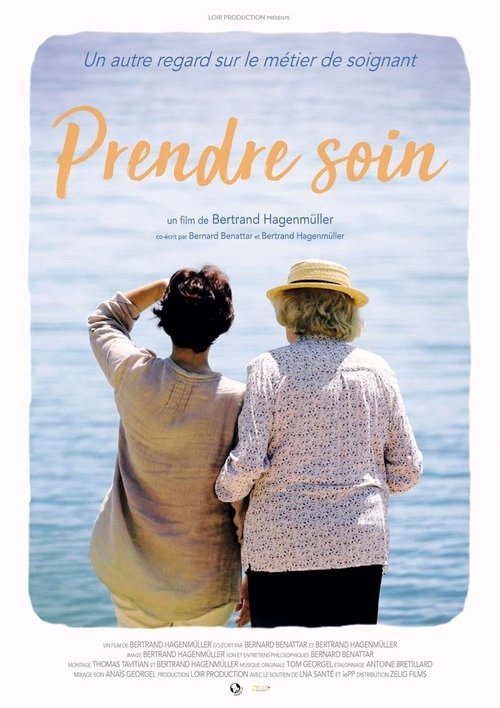
An immersive documentary about four nurses working in retirement houses in Alzheimer units. Near to Claire, Luca, Antoinette and Lika, we discover how the nurses work, how the care is possible, with patience, ability, intelligence, tenderness and love.
An interesting talk with Dr. Eusebio Rubio-Aurioles, about the current state of psychotherapy.
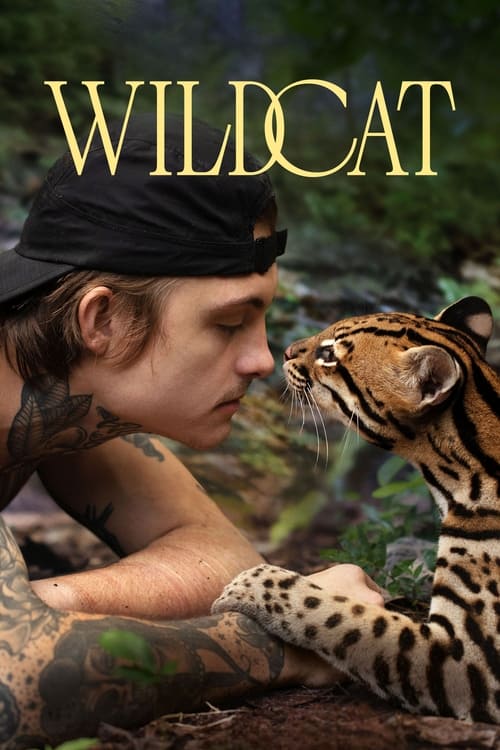
Back from war in Afghanistan, a young British soldier struggling with depression and PTSD finds a second chance in the Amazon rainforest when he meets an American scientist, and together they foster an orphaned baby ocelot.
If there is one person Matthew Lancit can’t get out of his mind, it is his uncle Harvey. Dark rings around his eyes, pale, blind, his legs amputated. Like Harvey, the filmmaker also suffers from diabetes. He has the disease under control, but one question is always nagging at him: How much longer? His long-term (self-)observation reliably revolves around fears of infirmity and mutilation. He translates the feared body horror into film, stages himself as a zombie, vampire, a desolate figure. Lancit playfully anticipates his potential decline, serving up a whole arsenal of effects which – as video recordings prove – go back to his youth. It is not for nothing that the “dead” in the title is also reminiscent of “dad.” Because “Play Dead!” also negotiates his own role as a father.
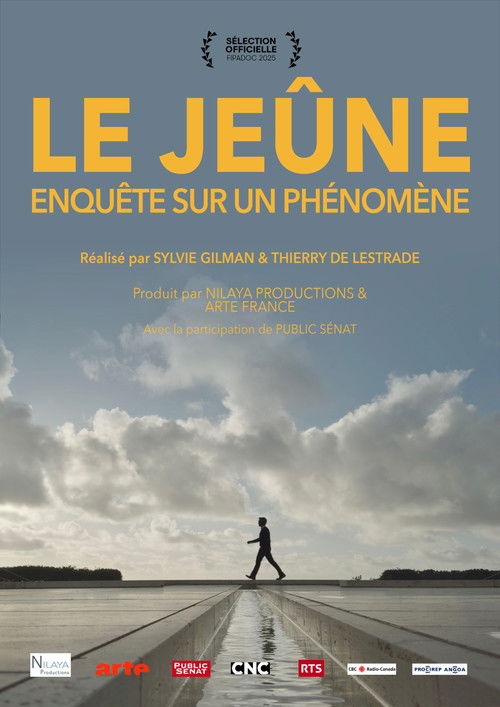
Intermittent fasting, autophagy, "metabolic switch": ten years after their first successful documentary on fasting, Sylvie Gilman and Thierry de Lestrade delve back into promising research on a booming practice.
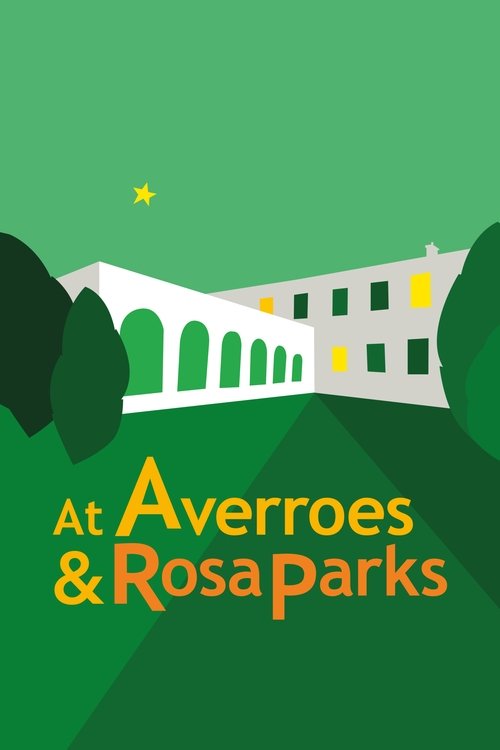
Averroès and Rosa Parks: two units of the Esquirol Hospital, which - like the Adamant - are part of the Paris Central Psychiatric Group. From individual interviews to «carer-patient» meetings, the filmmaker focuses on showing a form of psychiatry that continually strives to make room for and rehabilitate the patients’ words. Little by little, each one eases open the door to their world. Within an increasingly worn-out health system, how can the forsaken be given a place among others.
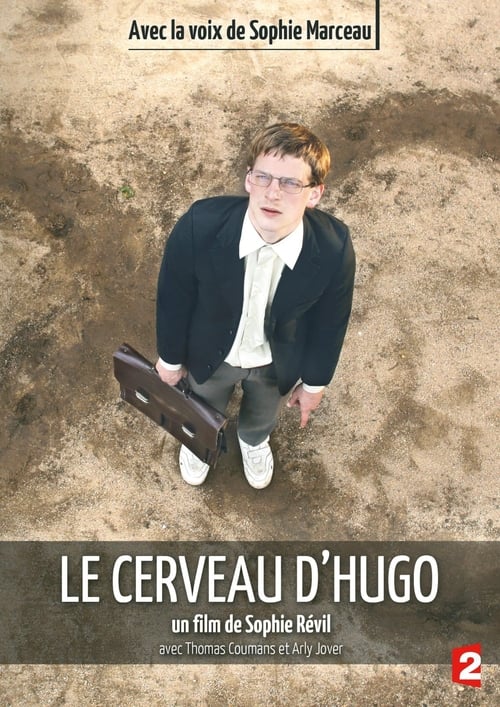
The Hugo's Brain is a French documentary-drama about autism. The documentary crosses authentic autistic stories with a fiction story about the life of an autistic (Hugo), from childhood to adulthood, portraying his difficulties and his handicap.
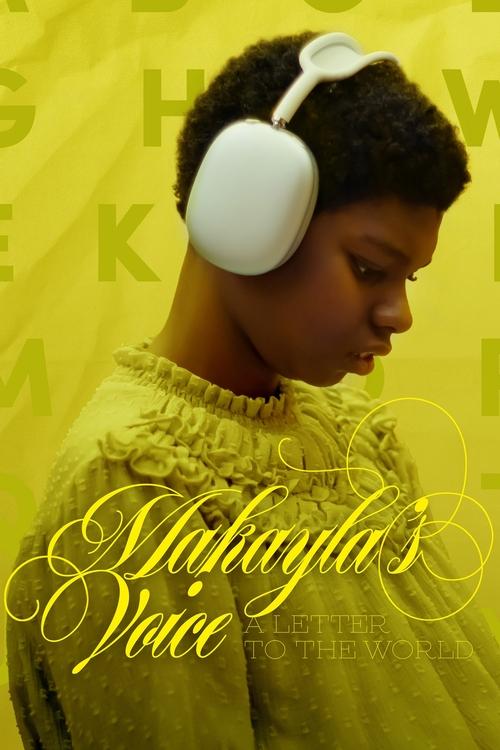
A teen with autism unlocks a joyous world of self-expression as she shares her voice for the first time using a letter board.
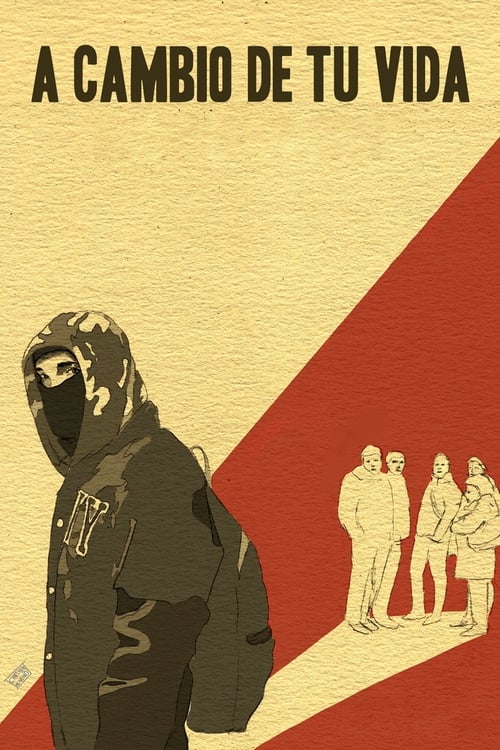
An explosion in one of the largest chemical plants in Europe, the Petrochemical complex in Tarragona, triggers the labour struggle of a group of workers who demand what is fair for everyone.
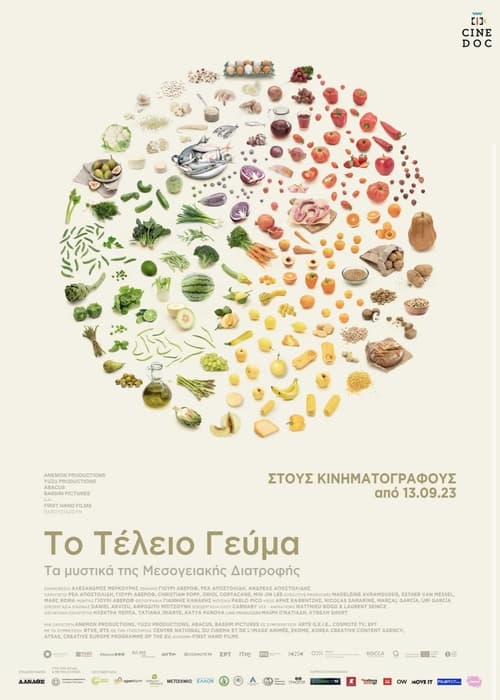
A food-loving and scientific tribute to the Mediterranean diet and, not least, the liquid gold: olive oil.
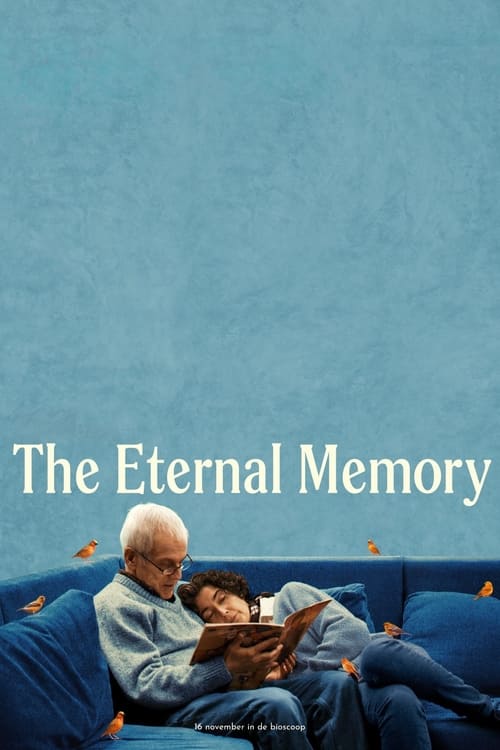
Augusto and Paulina have been together for 25 years. Eight years ago, he was diagnosed with Alzheimer's disease. Both fear the day he no longer recognizes her.
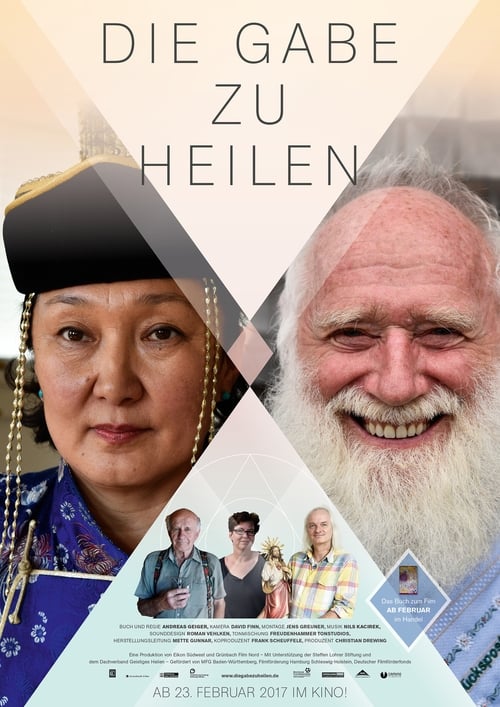
The film tells the stories of five people with special abilities who treat and heal their patients in an unconventional way. These charismatic healers from Germany, Austria and Switzerland are the subjects of this documentary which sets out to show how their old-school, arcane methods can serve as an addition to conventional, academic medicine.
At Milan’s Niguarda public hospital, the unconventional Dr. Bini leads a bold mission overseeing aspiring parents undergoing in vitro fertilization and the journeys of individuals reconciling their bodies with their gender identities. He navigates the constraints set by a conservative government and an aggressive market eager to commodify bodies.