Another volume of highlights from the 1950s and 1960s television series. Here we see the best of French steam, the route from Helsinki to the Artic Circle, and the famous Orient Express from Paris to Athens.
Peter Woods
as Narrator
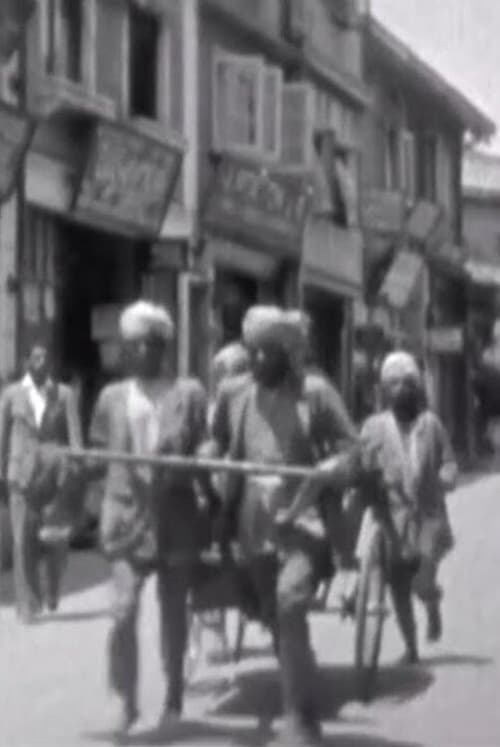
An intimate insight into the servant culture and lifestyle of the Viceroy of India and family, as they visit Simla (Shimla) and Lahore.
Climb aboard the illustrious Bernina Express for a festive ride through spectacular Alpine landscapes, taking in snow-covered peaks, architectural wonders, and majestic glaciers.
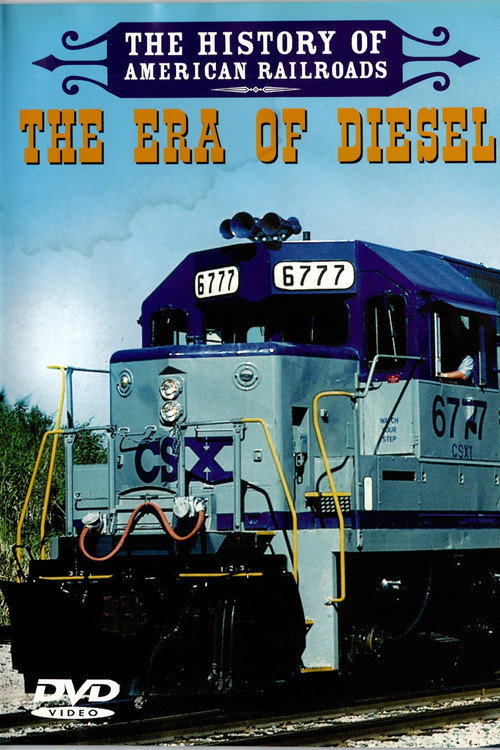
The History of American Railroads: The Era of Diesel examines the golden age of America’s passenger railroads, traveling across the United States on legendary trains of the East, South, and West. Featuring routes such as the New York Central, Pennsylvania, B&O, Nashville, Chattanooga & St. Louis, Atlantic Coast Line, Rio Grande, Santa Fe, and Union Pacific, the documentary also explores the difficult transition years of the 1960s and 1970s as America’s great passenger trains made their final journeys.
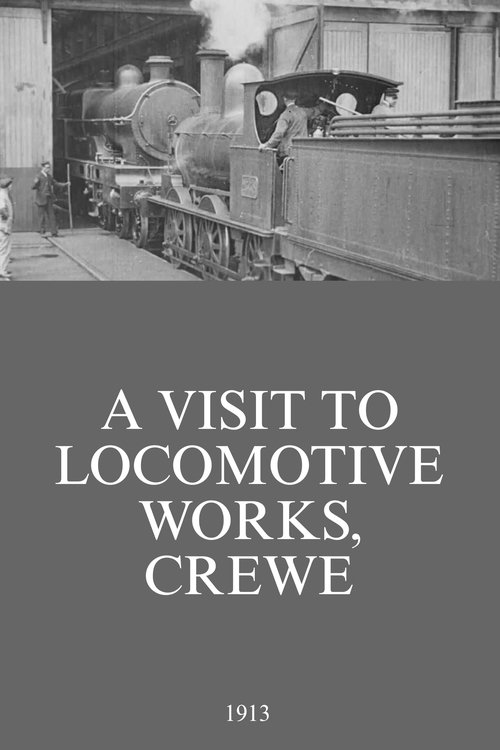
The lengthy process of building a Claughton class locomotive is shortened through the magic of moving image.
A feature length and enjoyable railway, motoring and walking travelogue of this fabulous region of Austria. Hosted by UK filmmakers Debra and David Rixon . Featuring Innsbruck, Mayrhofen, Kitzbuhel, Alpenrallye classic cars, the High Alpine Road and the Austrian narrow gauge railways of the Zillertal and Achensee. Debra meets a Count in his castle. A first class travel guide!
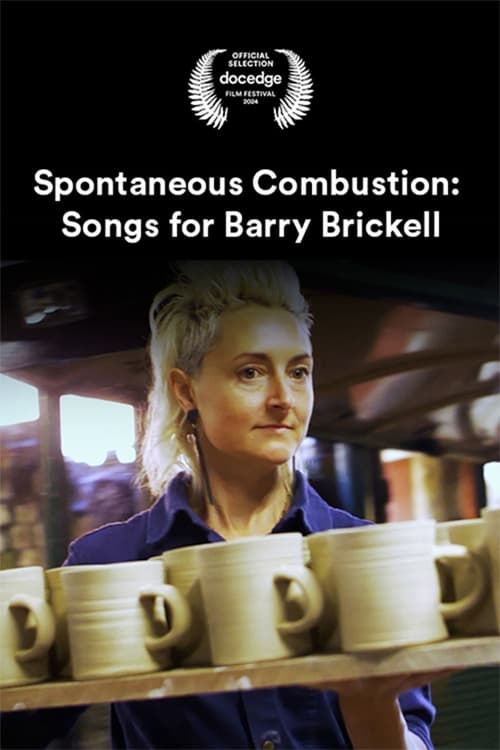
Spontaneous Combustion embraces the holistic vision of one of Aotearoa New Zealand’s most provocative artists and thinkers: the unity of the natural environment and the human imagination, the energy, rhythm and textures of the physical world expressed in clay, words, and music. The film celebrates the legacy of Barry Brickell (1935-2016) and the realisation of his extraordinary dream, Driving Creek Railway: a productive pottery with numerous kilns, a bush railway, a native bird and bush sanctuary and a lively creative hub drawing artists from around the globe.
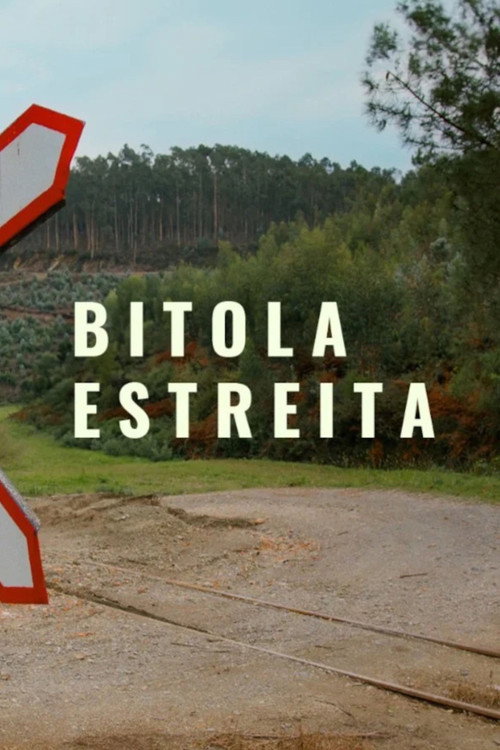
Following a winding 96 km route, the Vouga line emerged in 1908 with the promise of boosting the region's economic development. 100 years later, the "Vale das Voltas Line" has lost most of its former magic. Currently, it is the last Brazilian narrow-gauge railway line. We embark on a journey from the past to the present, where, little by little, the Vouguinha is being reborn. Driven by tourism, steam power, and the strengthening of the train's role in sustainable mobility, what will be the next stop?
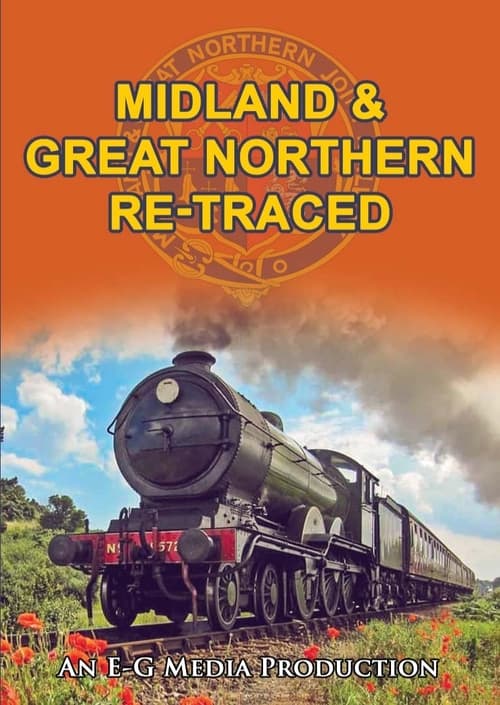
In 1893, numerous railway companies in Norfolk were merged into the Midland & Great Northern Joint Railway. With over 180 route miles, it was the largest 'joint' railway system in the UK. Sadly, the vast majority of the network closed in 1959. In this feature-length presentation, join railway enthusiast & filmmaker Chris Eden-Green as he explores the remains of the M&GN. Along the way, he interviews enthusiasts, examines the disused remains of the system and visits the North Norfolk, Whitwell & Reepham and Bure Valley Railway's.
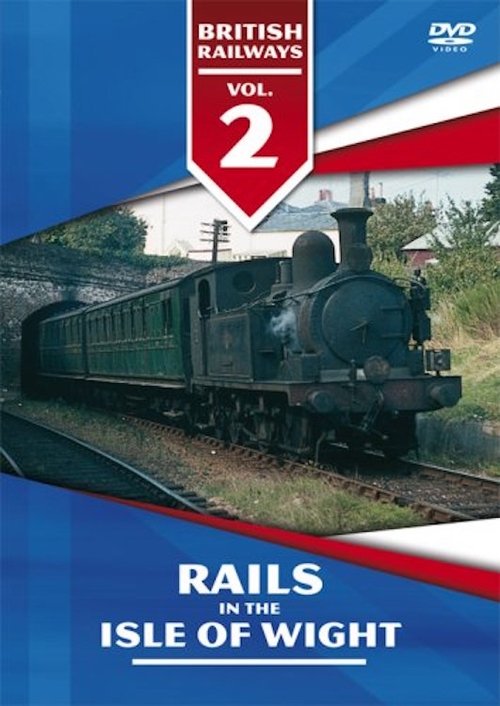
Island railways have a particular fascination, none more so than those on the Isle of Wight. In this programme, produced from films made by railway enthusiasts who visited the island from the 1950s to the present day, we present aspects of the changing face of the island s railways over the last forty years. We begin with John Laird s 1964 films of the steam railway in all its glory with the coverage of the lines to Ventnor and Cowes. This is contrasted with the scene in the 1950s as portrayed in rare colour films made in 1953 on the soon to be closed lines from Brading to Bembridge, Sandown to Merstone and Newport and from Newport to Freshwater. The final steam sequences filmed by Geoff Todd and Derek Norman show the last years of steam operation on the island and the preparations for electrification. The Isle of Wight s new tube trains are shown at first on trial on the mainland, looking quite incongruous at locations such as Clapham Junction.
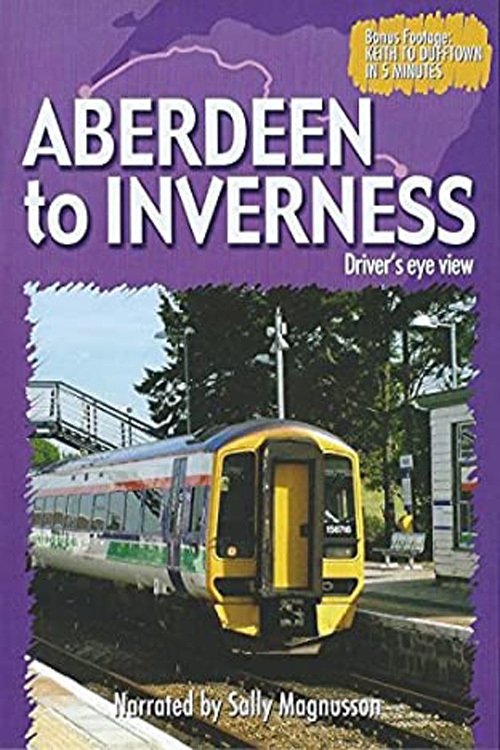
The railway between Aberdeen and Inverness was built by the Great North of Scotland Railway, the Inverness and Aberdeen Junction and the Inverness and Nairn, the former two companies meeting end on at Keith. Of the 50 stations that have come and gone over the years, ten remain open. In little over a hundred miles we encounter 16 existing, or former, rail junctions - on average one every seven miles - a remarkable testament to the commercial rivalry and duplicity of lines between the Highland and GNSR companies in the latter half of the 19th Century. Today the route is operated by First Scotrail class 158 "Express Sprinters". The route is mostly of single line and features tokenless block and electric key token sections controlled from manual signal boxes with semaphore signals. This scenic route was filmed in sunny or good weather from the cab, from the trackside and from the air. Much of the fascinating history is to be found in the narration, expertly delivered by Sally Magnusson.
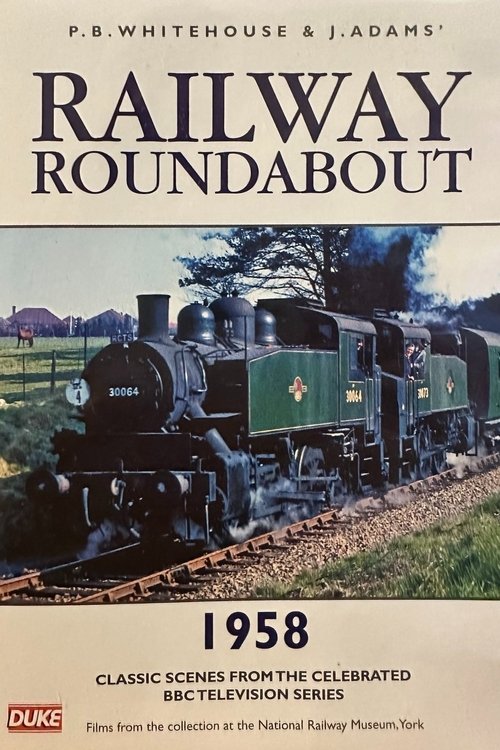
First volume of highlights from the 1950s and 1960s television series about the vanishing train lines. Here you have a chance to see the Bristol line as it looked during 1958.