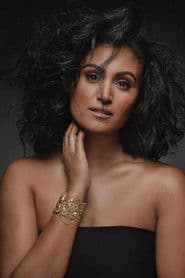
"COMPLEXion is a documentary that aims to unpack the hegemony of skin color globally and challenge the archaic notions that exist surrounding it. Our mission is to defy toxic beauty standards through raw human stories."
Nina Davuluri
as Host
Two friends, one Black and one white, journey to their Southern ancestral homes, exploring reparations' meaning. Their travels uncover opportunities that transform their bond, communities, reclaiming and reckoning with their roots.
On October 1, 2013, the elusive street artist Banksy launched a month-long residency in New York, an art show he called Better Out Than In. As one new work of art was presented each day in a secret location, a group of fans, called “Banksy Hunters,” took to the streets and blew up social media.
Commissioned by the journal Présence Africaine, this short documentary examines how African art is devalued and alienated through colonial and museum contexts. Beginning with the question of why African works are confined to ethnographic displays while Greek or Egyptian art is celebrated, the film became a landmark of anti-colonial cinema and was banned in France for eight years.
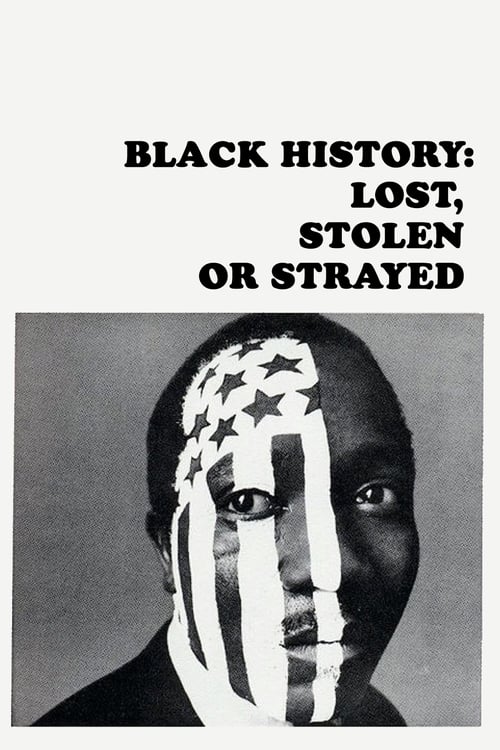
A documentary that reviews the numerous contributions of African-Americans to the development of the United States. From the perspective of the turbulent late 1960s, the fact that their positive roles had not generally been taught as part of American history, coupled with the pervasiveness of derogatory stereotypes, was evidence of how Black people had long been victims of negative attitudes and ignorance.
After Kai saves a woman's life, he turns into an overnight hero and viral sensation — until disturbing truths about his erratic behavior come to light. This shocking documentary chronicles a happy-go-lucky nomad's ascent to viral stardom and the resulting steep downward spiral.
This documentary-drama hybrid explores the dangerous human impact of social networking, with tech experts sounding the alarm on their own creations.
The film looks at men and women of color in the U.S. Merchant Marine from 1938-1975. Through chronicling the lives of these men and women who, with a median age of 82, are beset with a host of life-threatening illnesses, the movie tells how they navigated issues of racism, disparities in the workplace, gender and familial relations.
Taking part in The Voice Kids is already quite something, but for 11-year-old Merna it’s really something special. Her parents had to flee Iraq because they are part of the Christian minority, and IS was threatening to kidnap Merna. They now live in Lebanon, where one in three people is a refugee. The family has been waiting for two years for permission to move on. FaceTiming with her older sister, who stayed behind in Iraq, and cooking her favorite dishes with her mother make the situation more bearable. But what also really helps is singing – this calms Merna and makes her less afraid. She used to sing only in church, but since The Voice her beautiful, melancholy voice touches everyone. Because of her status as a refugee, Merna isn’t allowed to attend the foreign performances with the other finalists, but she’s now a national celebrity in Lebanon.
In 1971, after being rejected by Hollywood, Bruce Lee returned to his parents’ homeland of Hong Kong to complete four iconic films. Charting his struggles between two worlds, this portrait explores questions of identity and representation through the use of rare archival footage, interviews with loved ones and Bruce’s own writings.
Exploring the fallout of MIT Media Lab researcher Joy Buolamwini's startling discovery that facial recognition does not see dark-skinned faces accurately, and her journey to push for the first-ever legislation in the U.S. to govern against bias in the algorithms that impact us all.
Single mother Anna and her four children live in the front-line war zone of Donbas, Ukraine. While the outside world is made up of bombings and chaos, the family is managing to keep their home a safe haven, full of life and full of light. Every member of the family has a passion for cinema, motivating them to shoot a film inspired by their own life during a time of war. The creative process raises the question of what kind of power the magical world of cinema could have during times of disaster. How to picture war through fiction? For Anna and the children, transforming trauma into a work of art is the ultimate way to stay human.
Somewhere in Myanmar is a forest rich in amber and controlled by the Kachin Independence Army (KIA). Most of its inhabitants work in a mine, digging the earth night and days in the hope of finding the precious ore that will get them out of poverty. But on top of the excruciating hardship of the work, they also have to fear an attack from the army.
People looking at the Mona Lisa in the Louvre – or are they just looking at themselves?
In a culture immersed in technology, Instagram is reviving adventure, face to face community and real relationships. Through sharing the stories of friends old and new, "Instagram Is" sets out to discover the answer to the question "How can something so digital get people out from behind their devices and into the analog world?"
An American story. Traces the career of Joe Louis (1914-1981) within the context of American racial consciousness: his difficulty getting big fights early in his career, the pride of African-Americans in his prowess, the shift of White sentiment toward Louis as Hitler came to power, Louis's patriotism during World War II, and the hounding of Louis by the IRS for the following 15 years. In his last years, he's a casino greeter, a drug user, and the occasional object of scorn for young Turks like Muhammad Ali. Appreciative comment comes from boxing scholars, Louis's son Joe Jr., friends, and icons like Maya Angelou, Dick Gregory, and Bill Cosby.
Recy Taylor, a 24-year-old black mother and sharecropper, was gang raped by six white boys in 1944 Alabama. Common in Jim Crow South, few women spoke up in fear for their lives. Not Recy Taylor, who bravely identified her rapists. The NAACP sent its chief rape investigator Rosa Parks, who rallied support and triggered an unprecedented outcry for justice. The film exposes a legacy of physical abuse of black women and reveals Rosa Parks’ intimate role in Recy Taylor’s story.
He built a supplement empire by devouring raw meat on social media. And he had the muscles to prove it. But, really, how did the Liver King get so huge?
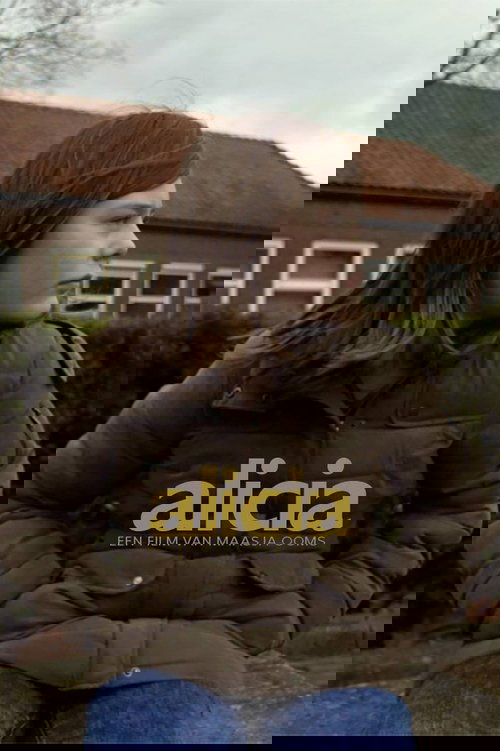
"It’s not easy to find a foster family for you," an orphanage supervisor explains to nine-year-old Alicia. "After all, you are a very special girl." Alicia is crying. "I’m not special. I’m just a girl." This disturbing scene sets the tone for this film about Alicia, who was taken away from her teenage mother by the Child Welfare Bureau when she was 12 months old. She’s been living in an orphanage since the age of five, and they have never managed to find a foster family for her. In Alicia, we watch as she becomes a teenager, still craving safety and love. Over the course of three years, filmmaker Maasja Ooms follows her daily life up close. Alicia's yearning and powerlessness are palpable in these observations, which painfully reveal the effects of having no prospects.