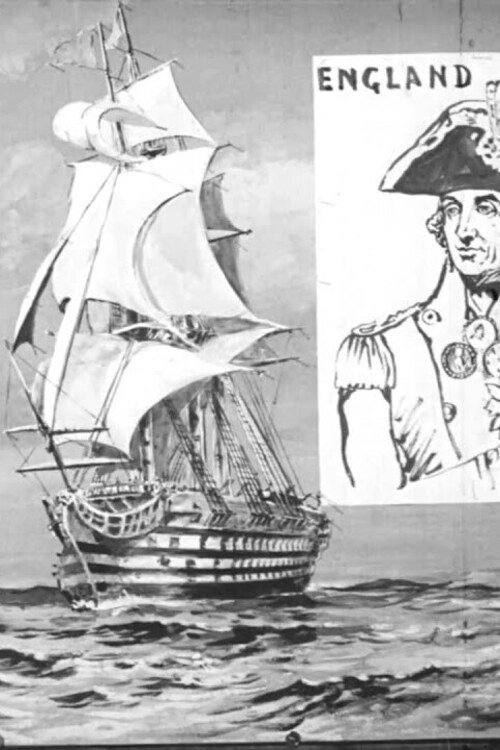
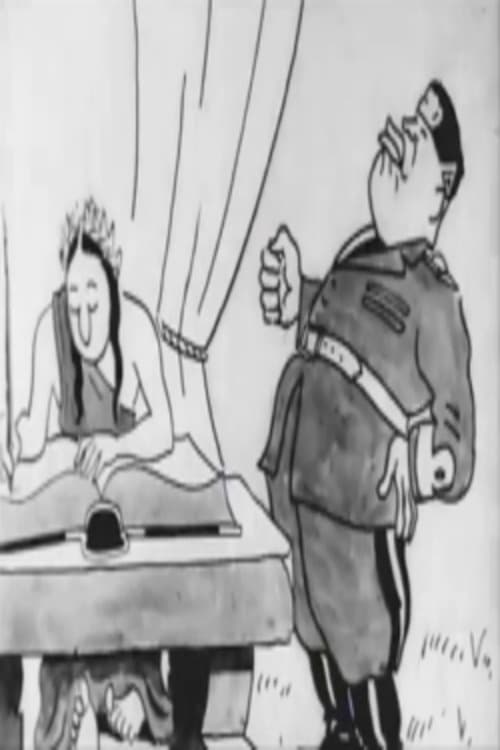
Lightning sketch propaganda stirs outrage about Reims bombing, and features a British bulldog eating the German sausage.
Lancelot Speed
as Lightning sketch artist
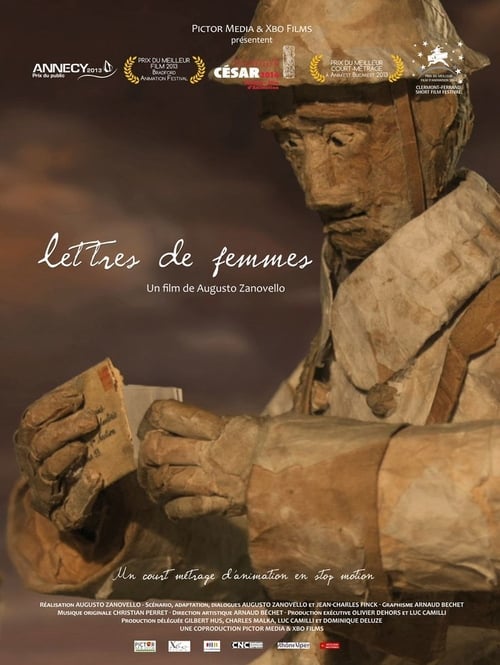
On the front lines of the Great War, nurse Simon repairs the broken faces of the soldiers every day with love letters, words from women that have the power to heal the wounds of these paper soldiers. Simon himself seems impervious to holes, uncreasable, untearable in his white coat. His secret is his war godmother, who occupies all his thoughts whenever he has a moment to breathe. But when death strikes where it is least expected, can words written on paper still erase the pain?
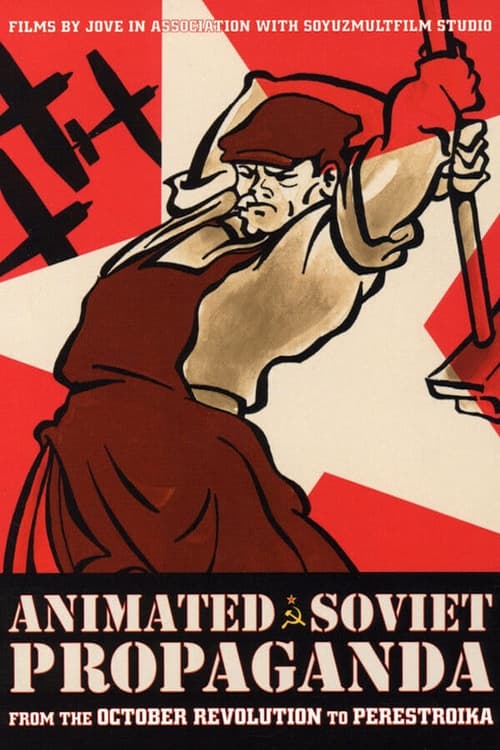
A landmark four disc Box Set - Unearthed from Moscow's legendary Soyuzmultfilm Studios, the 41 films in ANIMATED SOVIET PROPAGANDA span sixty years of Soviet history (1924 - 1984), and have never been available before in the U.S.
A marching band of Germans, Italians, and Japanese march through the streets of swastika-motif Nutziland, serenading "Der Fuehrer's Face." Donald Duck, not living in the region by choice, struggles to make do with disgusting Nazi food rations and then with his day of toil at a Nazi artillery factory. After a nervous breakdown, Donald awakens to find that his experience was in fact a nightmare.
First World War animated propaganda short, extolling Britain's naval history and mocking the German navy.
Valentine and Jean-Claude start a new life in Kigali with their newborn baby, Justice. Their country, already battered by racial propaganda and brutality, finally seems ready for peace and justice.
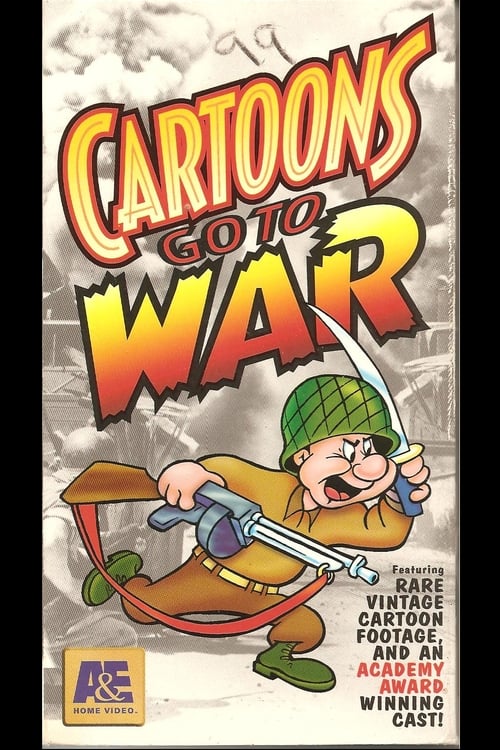
This remarkable documentary dedicates itself to an extraordinary chapter of the second World War – the psychological warfare of the USA. America’s trusted cartoon darlings from the studios of Warner Bros., Paramount, and the “big animals” of the Disney family were supposed to give courage to the people at the homefront, to educate them, but also to simultaneously entertain them. Out of this mixture grew a genre of its own kind – political cartoons. Insightful Interviews with the animators and producers from back then elucidate in an amusing and astonishing way under which bizarre circumstances these films partially came into existence.
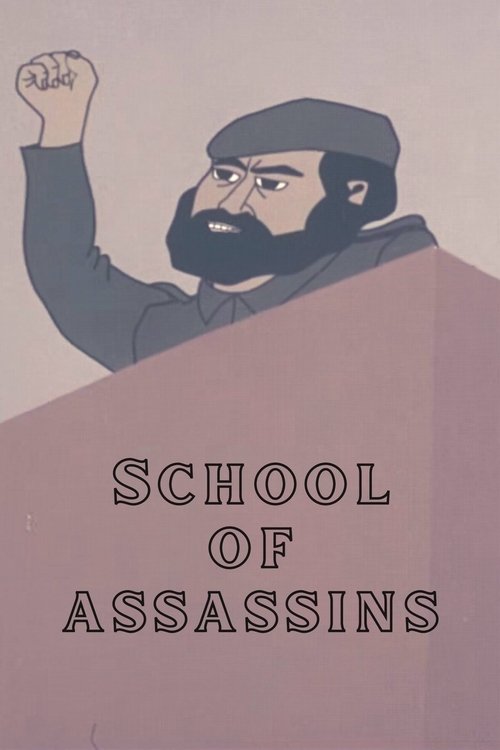
"This anti-Communism film uses animation to tell the story of two brothers, one of whom receives training for hemispheric subversion in Cuba and returns to his own country to spread violence and terror. He realizes his mistake when, in the course of trying to destroy an experimental farm, his actions bring about the death of his brother Gustavo. Produced by Copri International Films, Inc. (Miami, FL) and directed by Jose D. de Villegas" (US National Archives).
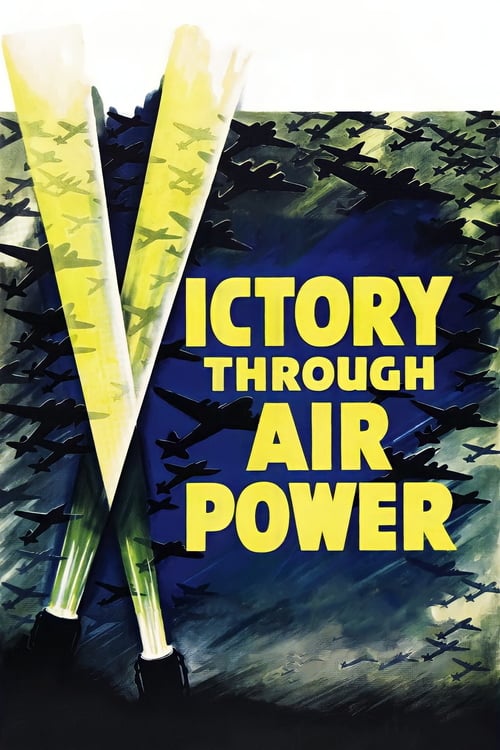
Based on the book by Major Alexander de Seversky's about his theories of the practical uses of long range strategic bombing. Using a combination of animation humorously telling about the development of air warfare, the film shows de Seversky illustrating his ideas of how air power could win World War II for the Allies.
This cartoon propaganda short by Halas & Batchelor sweetens the pill of post-war coal prices by promising jam tomorrow.
Peaceful citizens (one of whom resembles Felix the Cat) are dancing to music before their island is being invaded by a gigantic rodent that resembles Mickey Mouse. The islanders contact legendary folk-hero Momotaro from a giant book to battle Mickey.
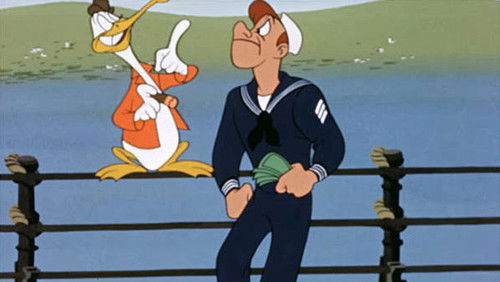
The Sailor and the Seagull was released by the U.S. Navy in 1949 with a simple goal: encouraging servicemen to re-enlist. In the film, a disgruntled sailor named McGinty complains about the raw deal he believes he is receiving by serving in the Navy. As luck would have it, a seagull comes to release him from service so that he can experience the freedom of civilian life. McGinty soon learns, however, that civilian life means less freedom and less money than he had imagined and quickly jumps at the chance to re-enlist. (cont. http://blogs.archives.gov/unwritten-record/2013/09/26/sailor-and-the-seagull/)
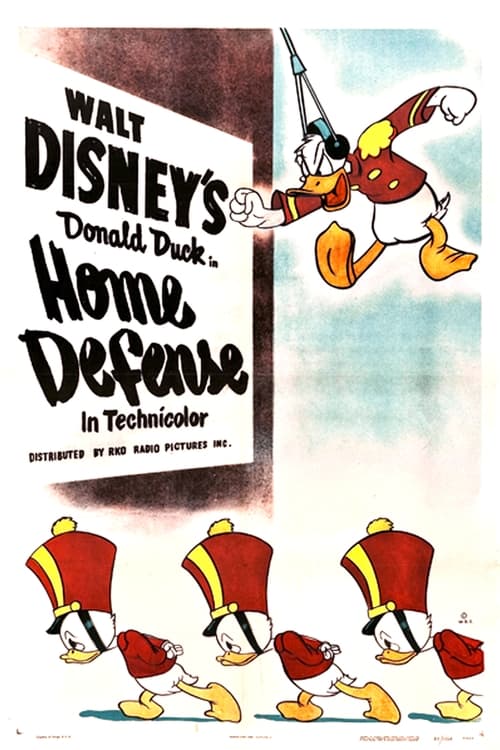
Donald is manning a listening post and falls asleep; he blows trumpet calls in his sleep and wakes his nephews. For their revenge, they send up a model airplane filled with gingerbread men with parachutes; Donald shoots it down, and cowers in fear when he sees the parachutes (and hears a simulated battle), until one lands on his beak. Donald kicks his nephews out until he mistakes a bee for an airplane, and calls them back to fight this menace.
The first Greek animated film was shot by the cartoonist Stamatis Polenakis (1908-1997) with the title "The Duce tells...". The seven-minute "Mickey-Mouse-style" film, as its creator mentions in the credits, satirizes the Italian invasion of Greece on October 28, 1940, and especially Mussolini, who recounts his exploits, but reality constantly contradicts him. Stamatis Polenakis, one of the leading Greek cartoonists of the 20th century and a pioneer of animation in our country, began drawing the sketches for the film in 1942 in his hometown, Sifnos, where he had taken refuge during the Occupation. He worked under the boot of the Italian conqueror, risking arrest. The film was lost during the Civil War and it was not until 1980 that a negative was found and restored.
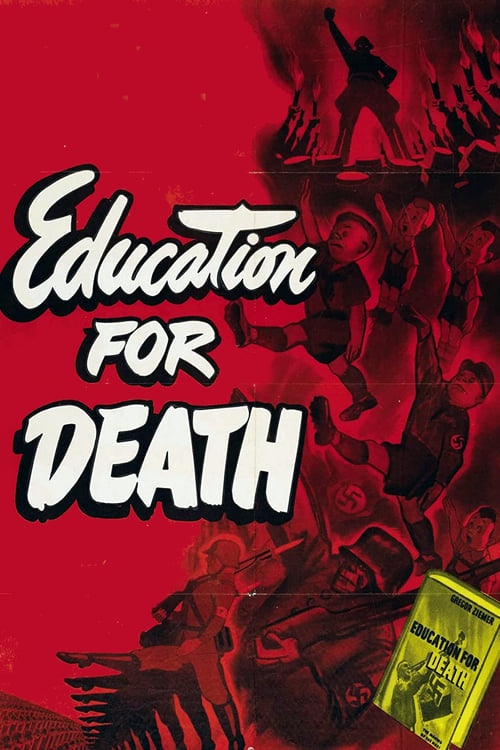
A propaganda film during World War II about a boy who grows up to become a Nazi soldier.
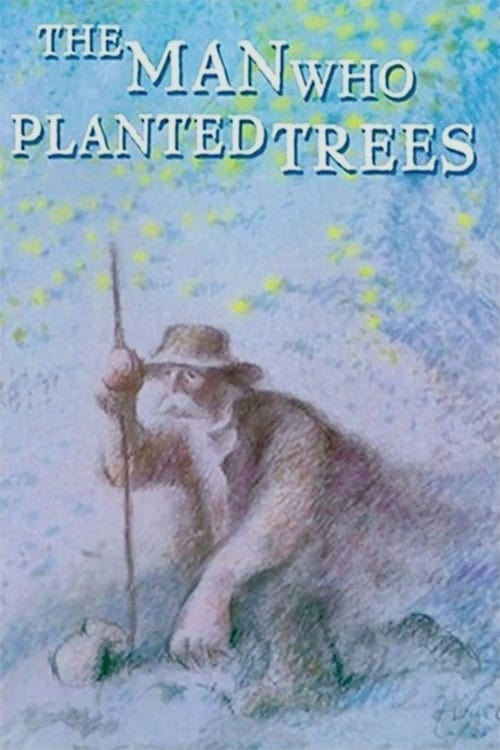
The story of one shepherd's single-handed quest to re-forest a desolate valley in the foothills of the French Alps throughout the first half of the 20th century.
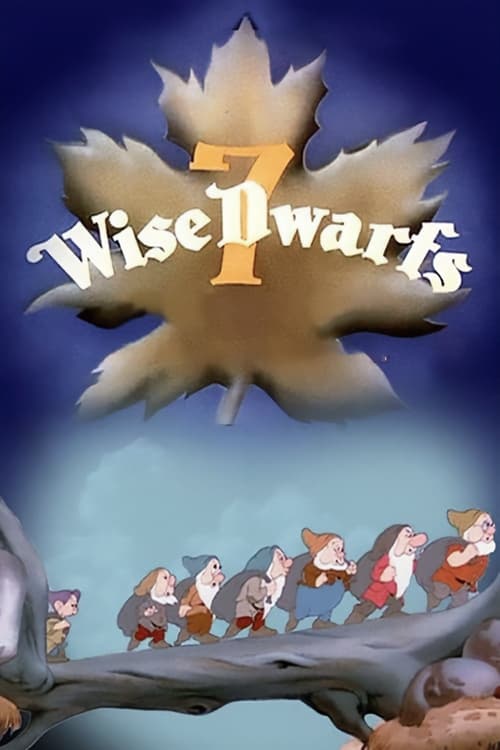
7 Wise Dwarfs is an educational short animated film commissioned by the National Film Board of Canada as a short film for educating the Canadian public about war bonds during World War II. The short features the seven dwarfs from Disney's Snow White and the Seven Dwarfs, four years after the characters made their screen debut.
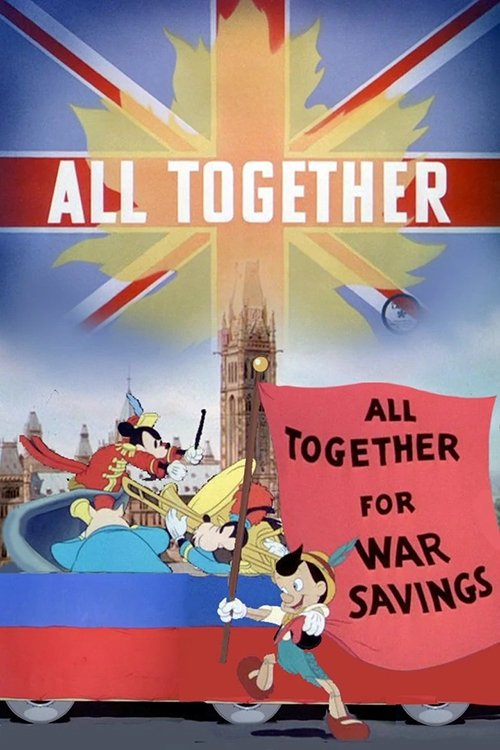
The entire Disney menagerie appears in a parade urging the purchase of war bonds.