The amazing story of stunts, men and women who risk their lives every day on set to get the perfect action scene.
Thomas Balou Martin
as Self - Narrator (voice)

Buster Keaton
as Various Roles (archive footage)
Mehrjui: The Forty-Year Report dives into the artistic world of Iranian director Dariush Mehrjui. The film offers critical interpretations of his works from cinema experts, enriched with personal anecdotes from his peers.
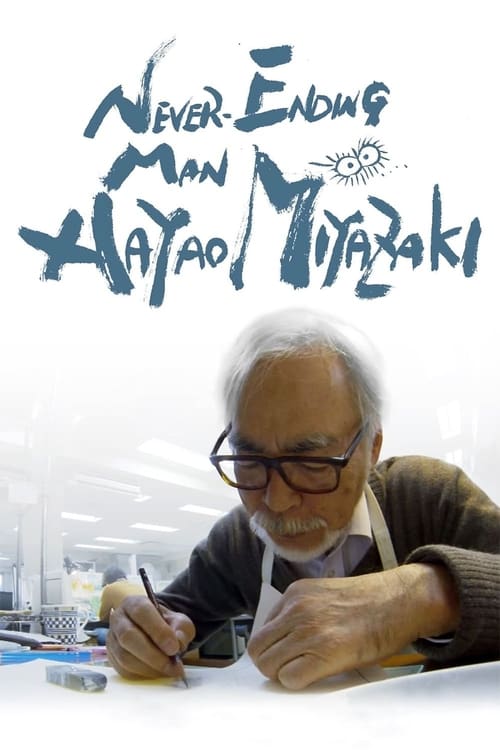
A look at legendary Japanese animator Hayao Miyazaki following his retirement in 2013.
In the early nineties, before the massive gentrification of many of New York's then slums, several young people from very disparate backgrounds left their broken homes and ventured onto the brutal streets of the city. United by their love of skateboarding, they formed a family and built a unique lifestyle that eventually inspired Kids, a groundbreaking and outrageous film directed by photographer Larry Clark and released in 1995.
The story of how Norma Jeane Mortenson became Marilyn Monroe (1926-62), a lucid path of self-discovery, from anonymity to stardom: the painful birth of a myth.
A documentary about the rise and fall of the Cannon Film Group, the legendary independent film company helmed by Israeli cousins Menahem Golan and Yoram Globus.
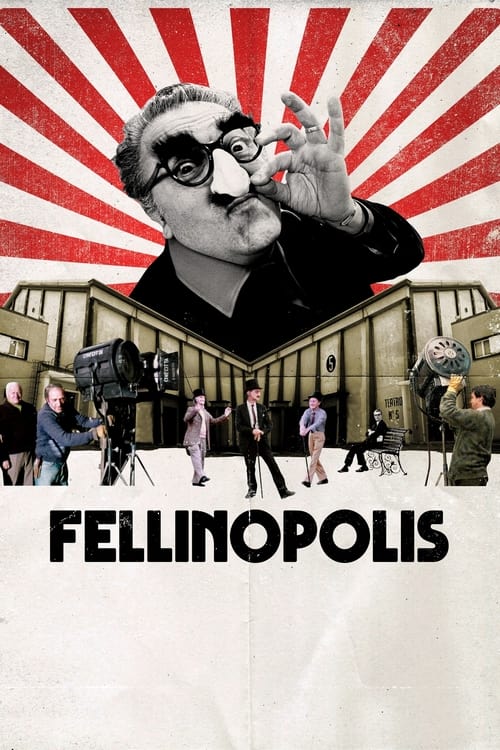
In Spain, on May 11, 1896, at the Price circus, the first moving images ever shown in the country are projected. From that event, the Spanish actor Antonio Resines intends to compile a series of anecdotes to shape the amazing history of Spanish cinema, holding several conversations with prominent figures of the Spanish film industry.
Dan Aykroyd, John Candy, Gilda Radner and Cheech and Chong present this compilation of classic bad films from the 50's, 60's and 70's. Special features on gorilla pictures, anti-marijuana films and a special tribute to the worst film maker of all-time, Ed Wood.
A walk through the golden age of Spanish exploitation cinema, from the sixties to the eighties; a low-budget cinema and great popular acceptance that exploited cinematographic fashions: westerns, horror movies, erotic comedies and thrillers about petty criminals.
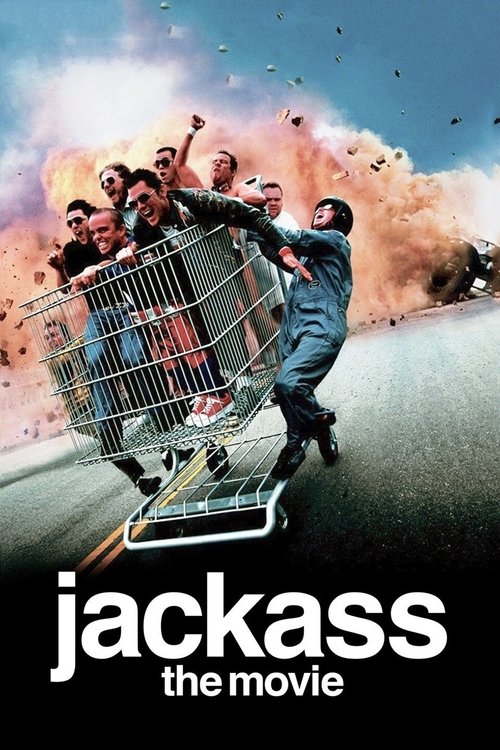
Johnny Knoxville and his band of maniacs perform a variety of stunts and gross-out gags on the big screen for the first time. They wander around Japan in panda outfits, wreak havoc on a once civilized golf course, they even do stunts involving LIVE alligators, and so on.
Japanese Masao Maruyama, co-founder of the Madhouse studio and producer of the cult films Perfect Blue and Tokyo Godfathers talks about the fantastic universe of mangaka and filmmaker Satoshi Kon (1963-2010), one of the most brilliant and fascinating authors of world animation, ten years after his death.
Besieged by cancer and nearing the end, the genius Argentine-Brazilian filmmaker Héctor Babenco (1946-2016) asks Bárbara Paz, his wife, for one last wish: to be the protagonist of his own death.
An account of the life and work of Russian filmmaker Andrey Tarkovsky (1932-86) in his own words: his memories, his vision of art and his reflections on the fate of the artist and the meaning of human existence; through extremely rare audio recordings that allow a complete understanding of his inner life and the mysterious world existing behind his complex cinematic imagery.
The video revolution of the 1970s offered unprecedented access to the moving image for artists and performers. This Is Not a Dream explores the legacies of this revolution and its continued impact on contemporary art and performance. Charting a path across four decades of avant-garde experiment and radical escapism, This Is Not a Dream traces the influences of Andy Warhol, John Waters and Jack Smith to the perverted frontiers of YouTube and Chatroulette, taking in subverted talk shows and soap operas, streetwalker fashions and glittery magic penises along the way.
Film journalist and critic Rüdiger Suchsland examines German cinema from 1933, when the Nazis came into power, until 1945, when the Third Reich collapsed. (A sequel to From Caligari to Hitler, 2015.)
Documentary about filmmakers of the New German Cinema who were members of the legendary Filmverlag für Autoren (Film Publishing House for Authors). Among them are Werner Herzog, Rainer Werner Fassbinder, and Wim Wenders.
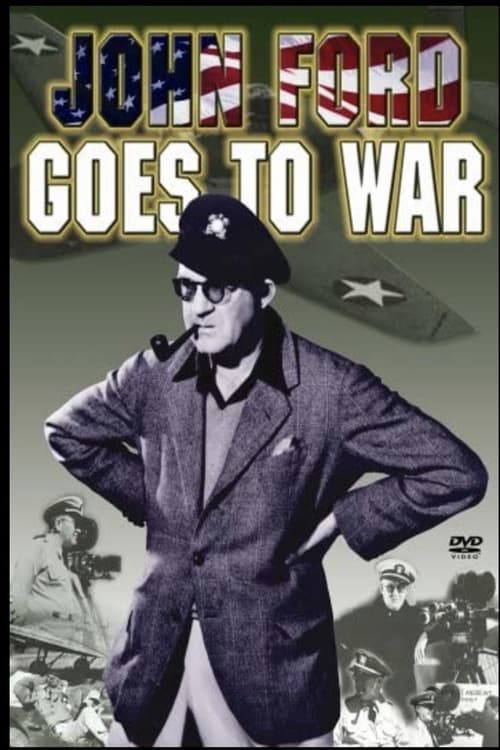
When World War II broke out, John Ford, in his forties, commissioned in the Naval Reserve, was put in charge of the Field Photographic Unit by Bill Donavan, director of the soon-to-be-OSS. During the war, Field Photo made at least 87 documentaries, many with Ford's signature attention to heroism and loss, and many from the point of view of the fighting soldier and sailor. Talking heads discuss Ford's life and personality, the ways that the war gave him fulfillment, and the ways that his war films embodied the same values and conflicts that his Hollywood films did. Among the films profiled are "Battle of Midway," "Torpedo Squadron," "Sexual Hygiene," and "December 7."
Recalling his childhood and relationship with his mother, a film student tries to understand the origin of his love for cinema and tragedies.
A feature-length documentary on the life and work of Wisconsin grindhouse cinema auteur Bill Rebane, featuring historians, critics, and filmmakers, plus cast and crew members who worked with Rebane himself.