Jose de la Cruz
as Don Jose
Salvador de la Cruz Pascual
as Chava
When do videos die? When we forget they exist. When do people die? When we forget they exist. So grandpa, grandma, you've died twice. Sorry, I'll make it up to you.
In hopes of building a closer relationship, a girl sits down with her mother, seeking to hear her experiences and aspirations growing up. What starts as a revisit of her mother’s past turns into a revelation about love and the weight of unspoken needs.
Violeta and Vyollca Dukay live in the south of Kosovo, close to the border with Albania. Faced with a very high unemployment in their country since the end of the war, they became deminers. They’ve been going to the minefields every day for six years now. The unique and very strong relationship that exists between the two sisters helps them to overcome their fear and to keep hoping in spite of the precariousness of their situation and the risks they run each day to earn their living.
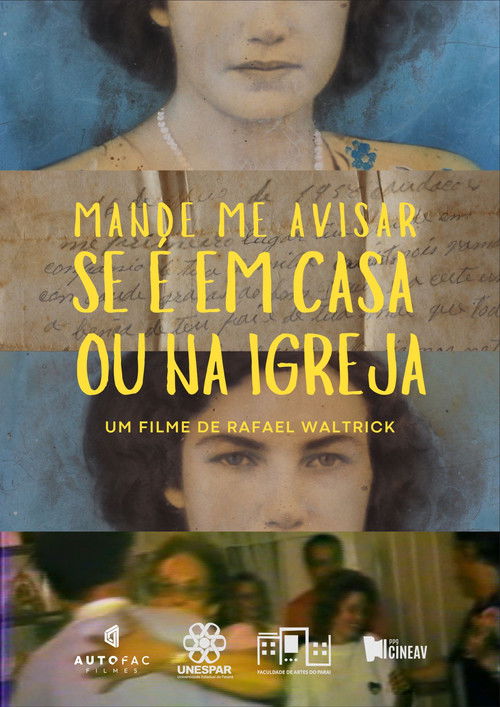
1950s. An escape. A new family. Through VHS footage and rescued letters, a grandmother's past is revealed.
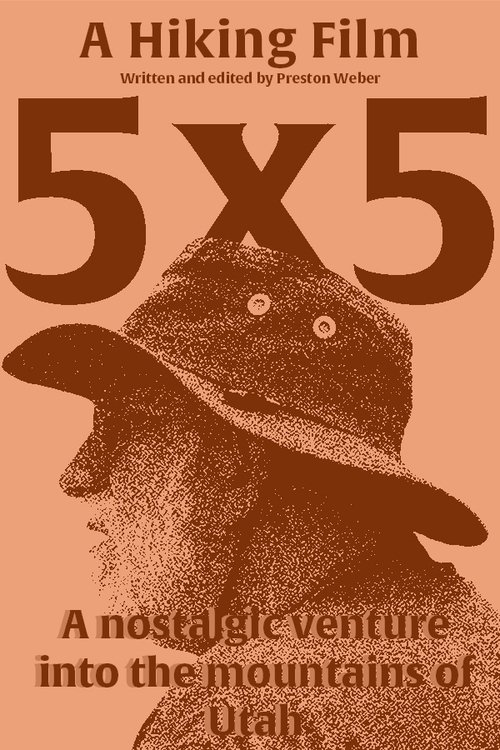
Five men delve deep into the mountains of Utah, hitting five national parks within five days. What seems to be a typical hiking trip manages to turn into a reflective odyssey, with nostalgia bursting at the seams. Hikes swell into past moments already experienced, and current moments turn into those that will be remembered and told for lifetimes to come.
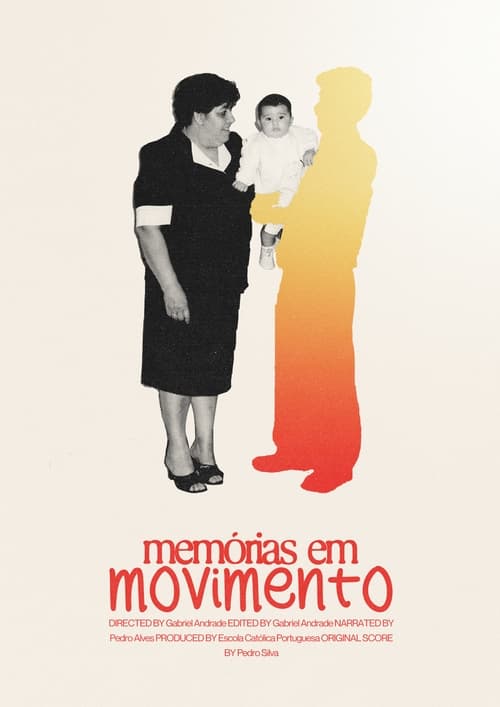
On April 1st, 2022, my grandfather passed away and i felt lost. I think my path changed when, some days after he passed away, i was offered a small VHS camera. "Moving Memories" is a visual journey that makes the viewer reflect on our momentary presence on earth and questions the nature of memory. Throughout this journey, we get to the conclusion that memories are more than just static photographs in our minds, they're alive and in constant movement, changing while we evolve as individuals. These memories have influence and help us to move on.
St. Ives and the painters based in the town, and the surrounding areas, are showcased in this fascinating documentary.
Baseball has always been America’s most beloved pastime as this documentary explores in historic detail. Learn about baseball’s history, highest profile moments and what makes this sport so attractive to American fans year after year.
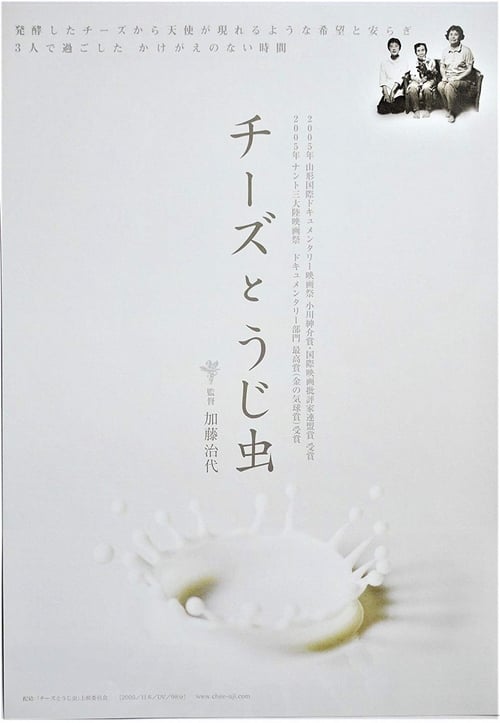
A documentary that records the daily life of a mother with a limited life expectancy and a grandmother, directed by the daughter, Haruyo Kato.
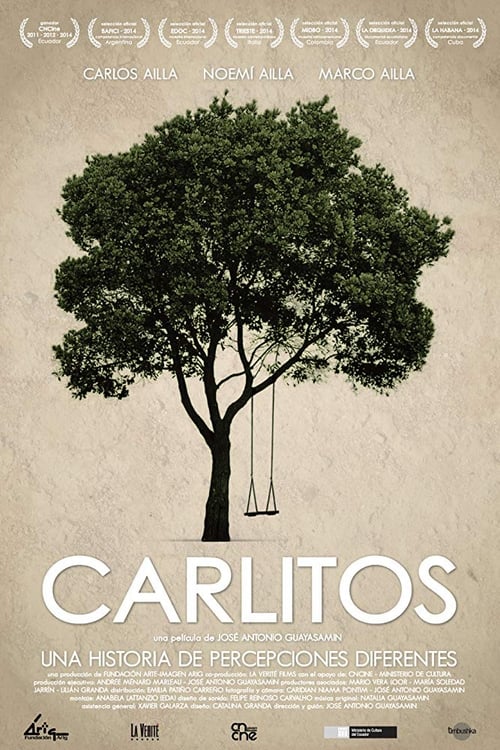
This documentary is about Carlitos, a young man with mental disability who has a particular vision of the world and a tender sensibility. This documentary tries to show his way of perceiving the world and also his attempt to live to the fullest.
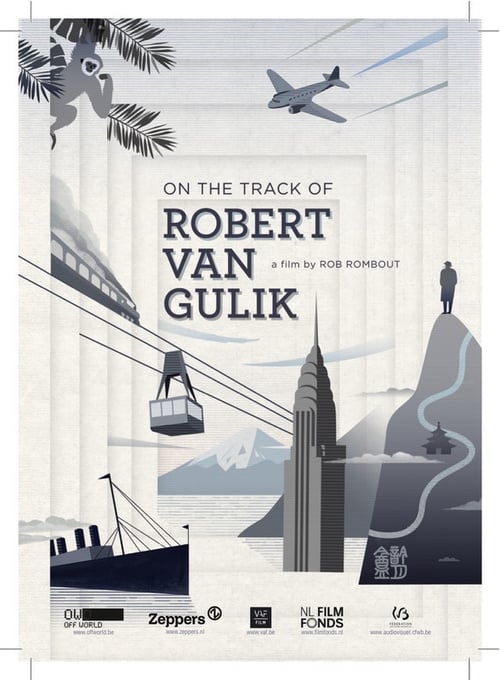
Robert van Gulik (1910-1967) is one of the world’s most read authors from the Netherlands. This diplomat, Sinologist and scholar is mainly known for his detective novels, starring 'Judge Dee'. Filmmaker Rob Rombout follows in his footsteps to discover the author’s legacy - via his diaries, the people he inspired and those who witnessed his extraordinary life.
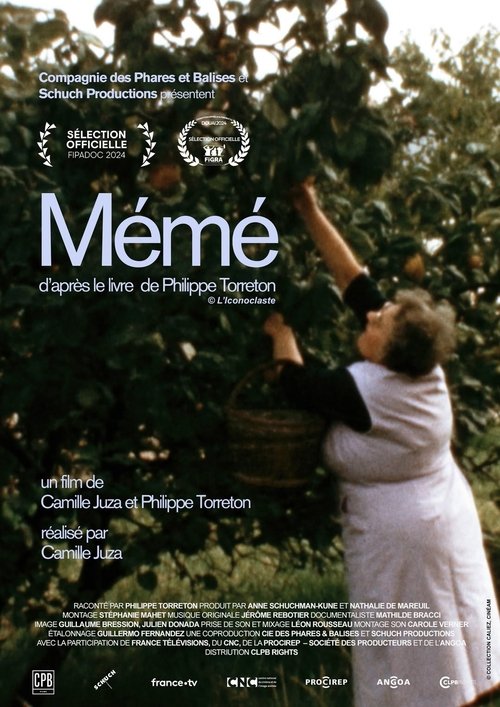
Adapted from famous French actor Philippe Torreton’s best-seller, GRANDMA is the portrait of the actor’s grandmother: a modest, unique but universal Norman peasant. Enriched with amateur films, nourished by major historical events, GRANDMA also tells the story of the end of a world, that of the countryside of our grandmothers, before the abyss of modernity.
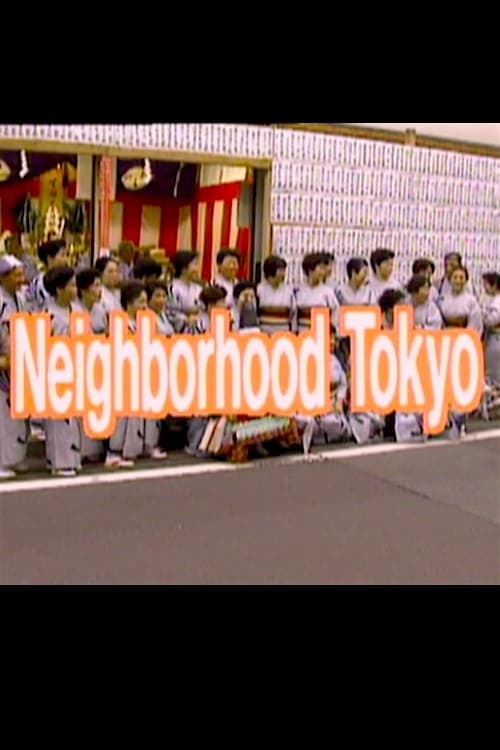
Miyamoto-cho is a community of Mom-and-Pop stores and family enterprises located near the center of Tokyo. Competition from supermarkets and shopping centers threatens the livelihoods of long-term residents. High land prices tempt owners to tear down old homes and replace them with apartment buildings; this in turn is changing the composition of the population. Against this backdrop, residents strive to maintain the close social ties, symbols of local identity, and community rituals that keep Miyamoto-cho from becoming just another mailing address. Theodore Bestor began his research here in 1979. His prize winning book of the same name is available through Stanford University Press. This documentary is one of a series depicting the variety of life in today's Japan in the context of human problems common to all industrial nations. A comprehensive study guide is available.
A filmmaker's poetic memories of her father.
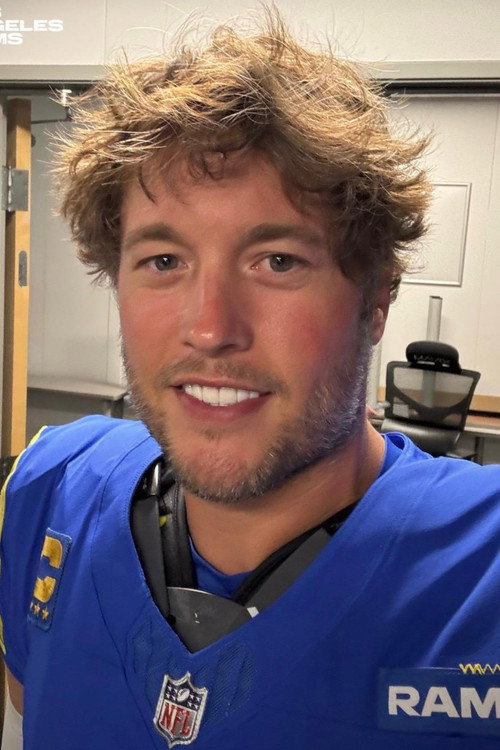
Centers around the second half of the Rams' 2023 season, when they come back from Bye Week with a 3-6 record, requiring them to win almost every remaining game.
A mixed media mini-doc on the triumphs and pains of creating a first film. High expectations and unexpected losses can kill your darlings.
Two years after an injury halted his career, Germán, a two-time Olympic medalist, returns to competitions with the desire to win one last medal.