UN’s Genocide Agenda dressed up as a Climate Change Agenda
Marvin Herndon
as Self
Patrick Wood
Allan Buckmann
Princess Basma Saud of Saudi Arabia
Michael J. Murphy
Can forests help cool the planet? Follow scientists working in spectacular forest landscapes in Costa Rica, Brazil, Australia, and beyond as they try to untangle complex networks of trees, fungi, and creatures large and small—all in a quest to tackle the twin threats of climate change and species extinction.
Growing Humanity follows six resilient women farmers in the Western U.S., as they navigate gender discrimination, balancing life’s routines, and the challenges of small-scale farming, shedding light on their pivotal role in transforming agriculture and reconnecting communities to the source of their food.
Documentary about human impact on the world.
Increasing pollution, over fishing and climate change are major threats our oceans are currently facing worldwide. This documentary follows us on our journey as we film devastating consequences of these harsh realities.
Two Canadian experts in underwater filming, Mario Cyr and Jill Heinerth, join forces for the first time to record how Arctic wildlife is adapting to the dramatic effects of climate change.
In a world tussling with climate change, an innovative start-up named All.g emerged with a mission to take action against it. One seaweed at a time, they pivot seaweed farming from traditional shores to uncharted territories of carbon credit markets. This documentary will dive deep into the seas of innovation, entrepreneurship, and sustainability, and will uncover the hidden potential of seaweed not only as a carbon warrior but as a catalyst for transforming livelihoods within seaweed farming communities.
In the cobalt mining areas of Katanga in the Democratic Republic of the Congo (DRC), babies are being born with horrific birth defects. Scientists and doctors are finding increasing evidence of environmental pollution from industrial mining which, they believe, may be the cause of a range of malformations from cleft palate to some so serious the baby is stillborn. More than 60% of the world’s reserves of cobalt are in the DRC and this mineral is essential for the production of electric car batteries, which may be the key to reducing carbon emissions and to slowing climate change. In The Cost of Cobalt we meet the doctors treating the children affected and the scientists who are measuring the pollution. Cobalt may be part of the global solution to climate change, but is it right that Congo’s next generation pay the price with their health? Many are hoping that the more the world understands their plight, the more pressure will be put on the industry here to clean up its act.
A growing group of Dutch people in their twenties see the earth becoming less livable. They join the climate group Extinction Rebellion and campaign to fight the climate crisis. There is little they shy away from in their struggle: nightly campaigns, high-altitude actions, and even arrests or a criminal record. Everything for a better planet.
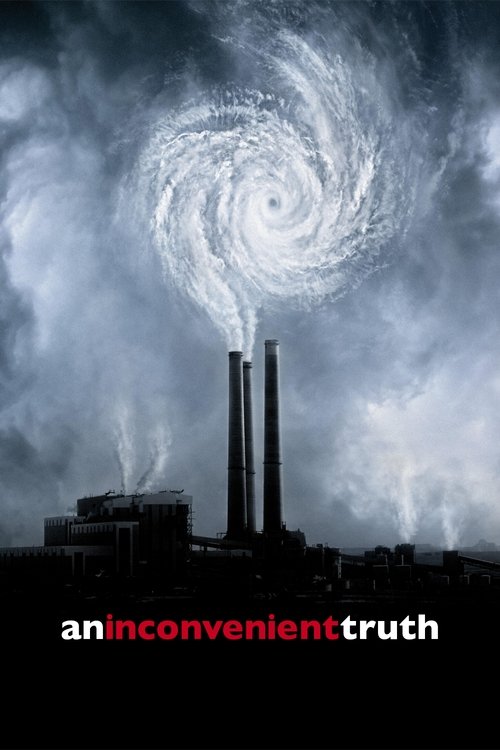
A documentary on Al Gore's campaign to make the issue of global warming a recognized problem worldwide.
A documentary following the research projects of ten minority ethnic interns from Edge Hill University over the Summer of 2022.
A look at the state of the global environment including visionary and practical solutions for restoring the planet's ecosystems. Featuring ongoing dialogues of experts from all over the world, including former Soviet Prime Minister Mikhail Gorbachev, renowned scientist Stephen Hawking, former head of the CIA R. James Woolse
For generations, fishermen have made their home on Tangier Island, in the heart of the Chesapeake Bay on the east coast of the US. Two-thirds of the island has disappeared over the last 150 years, and local people are concerned about rising sea levels—and the lack of progress on reinforcing the sea wall—but the church remains the bedrock of this small, close-knit community.
For 40 years, billy barr has lived alone in small cabin in one of the coldest places in the United States – the ghost town of Gothic, CO. With no goals of proving anything, or even knowledge that the climate was changing, billy started collecting data about snowpack to pass the time in his isolated part of the world. When climate researchers at the Gothic-based Rocky Mountain Biological Lab discovered billy’s decades of detailed records, they uncovered clear and compelling evidence of climate change. As someone who has had to learn to survive in such a harsh environment, billy shares some advice about how to move forward on our changing planet.
In the years since New Zealand politicians began to grapple with climate change our greenhouse gas emissions have burgeoned. Alister Barry’s doco draws on TV archives and interviews with key participants to find out why.
Four stories from the Nordic region paint a picture of a changing natural world, where the elements rage and where being prepared proves to be much more than sandbags and fire extinguishers.
French actress Marion Cotillard travelled to the Philippines to meet with children and young people on climate change and what they want big-polluting governments to do about it. One of the girls she met is Marinel, a survivor of the Super Typhoon disaster in the Philippines in 2013, who is taking action on climate change in her own community. She participates in Plan International’s climate change adaptation projects and now teaches at youth camps to pass on everything she has learnt to the younger children. Marinel travelled to Paris with Plan International for the United Nations Framework Convention on Climate Change (UNFCCC) 21st Conference of the Parties (COP21) in December 2015.
This film tries to blow the whistle on what it calls the biggest swindle in modern history: 'Man Made Global Warming'. Watch this film and make up your own mind.
The bleakness of Antarctica is a fallacy. The ice continent is full of life and offers a biodiversity of which only about two percent are known. Much of it is under water and could determine the future of human beings. When the northern lights cover the ice landscape in summer, the animals in the Antarctic are in a paradisiacal state. Whales blow their fountains in the sky, penguins fly like small rockets into the water, seals dive for crabs under the glittering ice floes. From the bay of the Ross Sea to the ice shelf, from the huge penguin colonies to steaming volcanoes, a life in rhythm with the ice. But the consequences of climate change are slowly becoming apparent here too. While some species are dying, others are spreading. They could bring new viruses and bacteria with them, and new dangers for humans too. The structure of nature has gotten off course. How many generations will still be able to experience the magic of Antarctica?