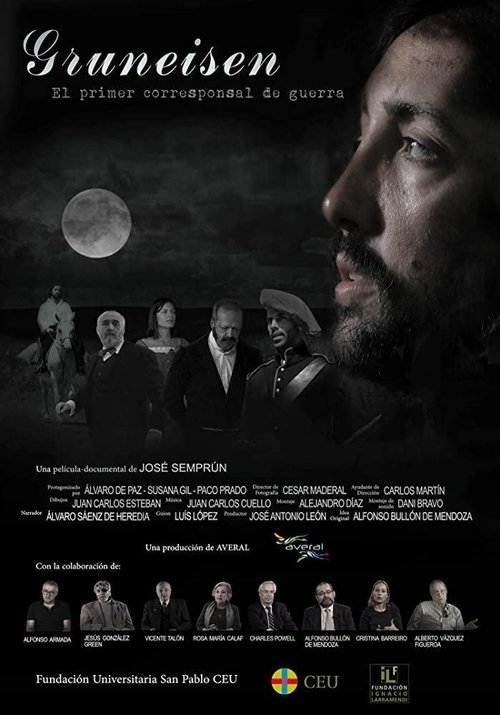
Miguel de la Quadra-Salcedo
as Él mismo

Juan Verdugo
Jesús González Green
José Luis Márquez
A total of 17 journalists have been fired since 2008, the beginning of LEE Myung-bak’s presidential term. They fought against the companies that they worked for succumbing to power and are now frustrated at reality where censorship of the press by authority has now become a norm. Can they continue their activities as journalists?
The murder of Dutch filmmaker Theo van Gogh by an Islamic extremist in 2004, followed by the publishing of twelve satirical cartoons depicting the prophet Mohammed that was commissioned for the Danish newspaper Jyllands-Posten, provides the incendiary framework for Daniel Leconte's provocative documentary, It's Hard Being Loved by Jerks.
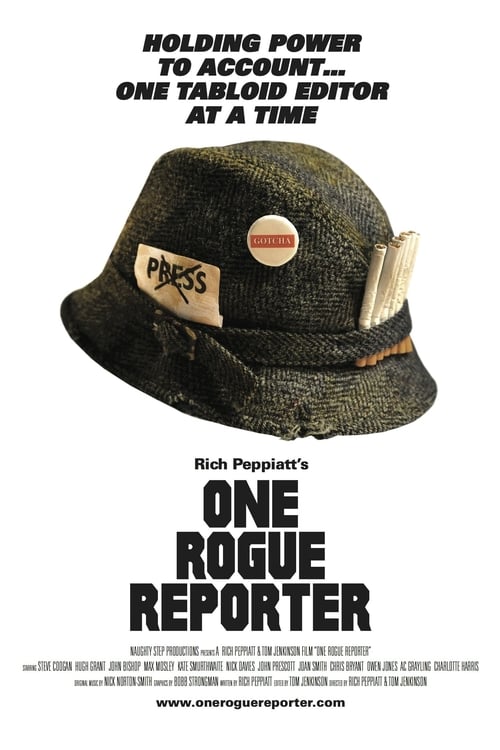
Rich Peppiatt delivers a satirical dissection of the newspaper trade by turning the tables on unscrupulous editors. Through a series of mischievous stunts and interviews with heavyweights of journalism, comedy & politics, Peppiatt hilariously exposes the hypocrisy at the heart of modern journalism.
Three college students start a social experiment to prove that reality changes according to the words we use to describe it. Through research, activist actions, and artistic interventions, they analyze the importance of language in the way we understand the world. The documentary includes analysis from more than 20 international experts and leaders in the fields of political communication and information.
A short film following the release of journalist and activist Barrett Brown from prison, and his drive across Texas to a halfway house. 'Relatively Free' is an examination of Brown's return to a very different world, post the election.
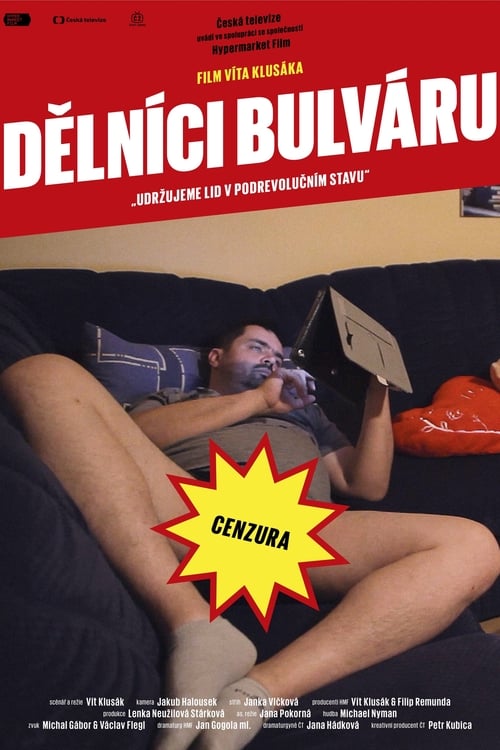
This documentary study of the mechanisms that turn the gears of the tabloids is conducted by the unique figure Pavel Novotný. This editor-in-chief of one of the most widely read Czech media outlets of the time, providing news from the world of show business and human misfortune, gets straight to the point. Readership is a fetish, an absolute alibi for all invasions of privacy and every transgression of good ethics. Seen up close, the whole cluster of disreputable reports looks like a staged tableau. Before the eager eyes of an anxious public, celebrities willingly or unwillingly perform acts that the scrutiny of the all-powerful tabloid workers attributes racy significance to.
In this intimate portrait addressed directly to Hélène Hazera, filmmaker Judith Abitbol revisits a key figure of France’s countercultures from the late 1960s to the 1990s. A member of the Gazolines and the FHAR (Homosexual Front for Revolutionary Action), Hazera was a tireless LGBTQ activist who founded Act Up’s Trans and AIDS commissions—one of her proudest achievements. Her true victory, however, was becoming the first transgender journalist at a major national newspaper (Libération), and later a producer at Radio France and France TV. Through her story, Abitbol reconnects with the insurrectionary spirit and creative chaos of those decades—an era when French culture was shaken by radical imagination, humor, and defiance. The film celebrates these modern Antigones who dared to live their desires beyond the reach of any law.
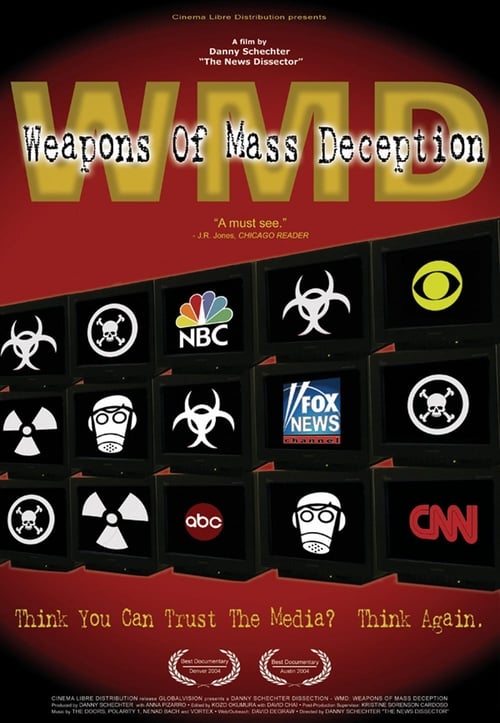
There were two wars in Iraq--a military assault and a media war. The former was well-covered; the latter was not. Until now... Independent filmmaker, Emmy-award winningTV journalist, author and media critic, Danny Schechter turns the cameras on the role of the media. His new film, WMD, is an outspoken assessment of how Pentagon propaganda and media complicity misled the American people...
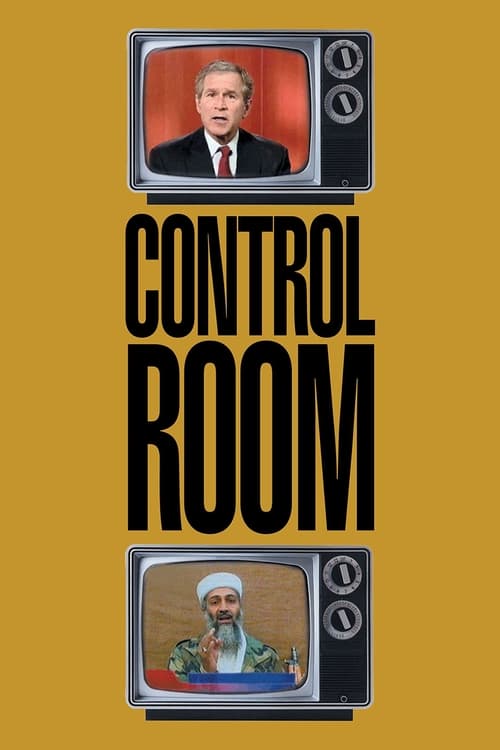
A chronicle which provides a rare window into the international perception of the Iraq War, courtesy of Al Jazeera, the Arab world's most popular news outlet. Roundly criticized by Cabinet members and Pentagon officials for reporting with a pro-Iraqi bias, and strongly condemned for frequently airing civilian causalities as well as footage of American POWs, the station has revealed (and continues to show the world) everything about the Iraq War that the Bush administration did not want it to see.
In 2016, a young Austrialian filmmaker began documenting amateur inventor Peter Madsen. One year in, Madsen brutally murdered Kim Wall aboard his homemade submarine. An unprecedented revelation of a killer and the journey his young helpers take as they reckon with their own complicity and prepare to testify.
CNN camerawoman Margaret Moth fearlessly captures footage of war zones. After receiving catastrophic injuries in the crosshairs of battle, she returns to work with more courage than ever. An intimate portrait of a trailblazing female photojournalist. Features interviews with Moth’s family and friends, including CNN’s Christiane Amanpour. A Sundance film festival premiere directed by Lucy Lawless.
In Japan, there is an informal agreement between mainstream media and the government that is hardly ever questioned: Journalists are not too persistent in their criticism, in turn representatives of the government grant direct access to select information through press conferences. Isoko Mochizuki, reporter for the Tokyo Shimbun newspaper, has established herself as a spoilsport in this system.
Augusto and Paulina have been together for 25 years. Eight years ago, he was diagnosed with Alzheimer's disease. Both fear the day he no longer recognizes her.
In the most dangerous country in the world for journalists, Newsweek Middle East editor, Janine di Giovanni, risks it all to bear witness, ensuring that the world knows about the suffering of the Syrian people.
A secretive hedge fund is plundering America's newspapers, and the journalists are fighting back. Backed by the NewsGuild union, they go toe-to-toe with the faceless Alden Global Capital in a battle to save and rebuild local journalism across America.
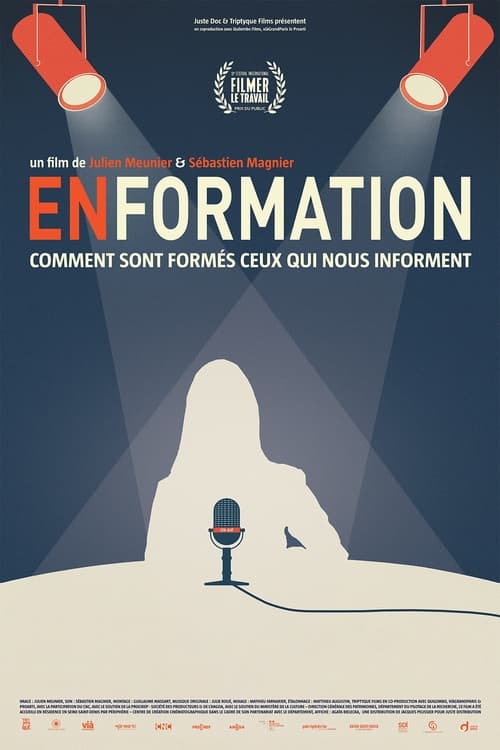
Salhia Brakhlia has filmed the set and behind the scenes of Franceinfo's breakfast show during a year. How to inform at the time of social media and fake news ? How careful are journalist with those news ? How do they connect to politicians during an presidential election campaign ? This unique immersion gives us a part of the answer.
In Abby Martin's second feature documentary, Earth’s Greatest Enemy reveals a hidden truth behind the climate crisis: the role of the U.S. military as the world’s largest institutional polluter. Drawing on powerful testimonies from veterans, scientists, and frontline communities, it uncovers how military operations poison ecosystems, accelerate global warming, and sacrifice the future for endless expansion. From Alaska’s melting glaciers to contaminated bases across the U.S. and toxic battlefields abroad, Earth’s Greatest Enemy delivers a provocative and unflinching examination of the untouchable institution playing an outsized role in the climate crisis.