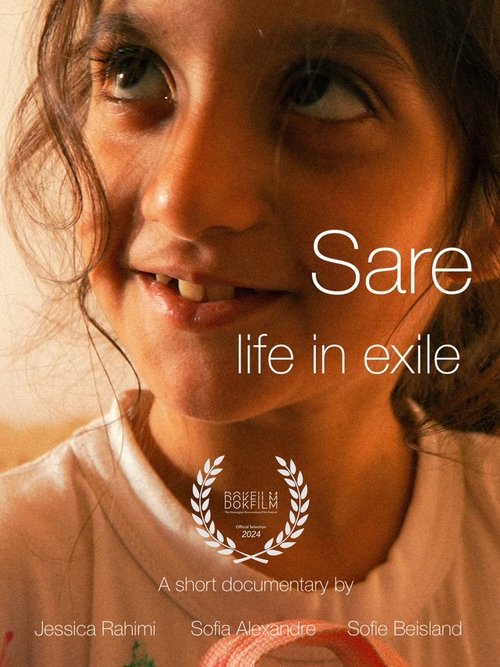
A nine-year-old Syrian refugee girl contemplates her increasingly bleak future after being forced to drop out of school in the midst of Lebanon’s unprecedented economic collapse and battle with Covid-19.
Coming back during Winter, Alex Powell explores both the places and personal connections found in his hometown and how they've changed. “Guide to a Midwest Hometown” explores what makes the barren places at home feel sentimental and special, and the good and bad feelings that come when being back home. Inspired by "How To With John Wilson".
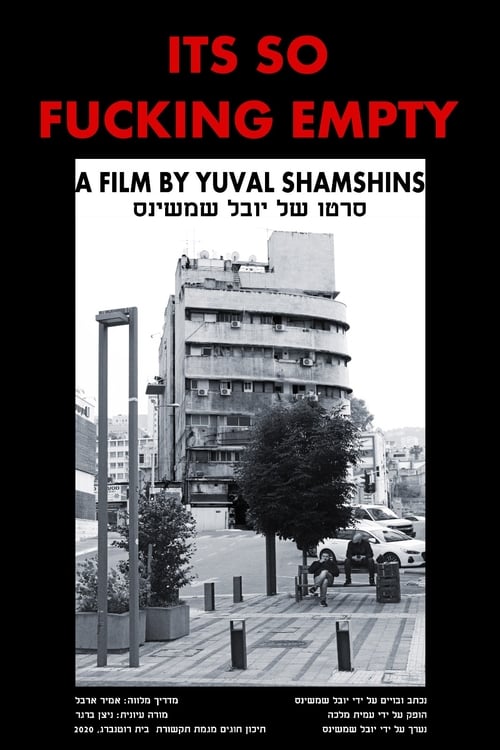
An Israeli film director interviews fellow veterans of the 1982 invasion of Lebanon to reconstruct his own memories of his term of service in that conflict.
Struggling with fear, tension, and anxiety amid the early stages of the COVID-19 pandemic, a high school student reflects upon what really matters.
A boy migrates from Guerrero to Colima in Mexico, guided by the illusion of his parents, who want him to study high school. Nevertheless, the inequality barriers force him to work as a sugarcane harvester.
More than 65 million people around the world have been forced from their homes to escape famine, climate change and war, the greatest displacement since World War II. Filmmaker Ai Weiwei examines the staggering scale of the refugee crisis and its profoundly personal human impact. Over the course of one year in 23 countries, Weiwei follows a chain of urgent human stories that stretch across the globe, including Afghanistan, France, Greece, Germany and Iraq.
Hacking at Leaves documents artist and hazmat-suit aficionado Johannes Grenzfurthner as he attempts to come to terms with the United States' colonial past, Navajo tribal history, and the hacker movement. The story hones in on a small tinker space in Durango, Colorado, that made significant contributions to worldwide COVID relief efforts. But things go awry when Uncle Sam interferes with the film's production.
A collective documentary film, from five european directors asked to witness the revolutions and dramas caused in their own countries by the pandemic. Among them, “Two Fathers”, directed by Julia von Heinz (20’). After the death of his father, Hans-Michael von Heinz, the director finds out the truth about her parent true sexual identity. In order to know more, she starts emailing persons who got to know him over the last years, among them his closest friend, director Rosa von Praunheim.
An estimated 12 million people live in refugee camps worldwide and only 0.1% are resettled, repatriated, or integrated into normal society each year. The feature-length documentary.
Documentary film detailing how America became the epicenter of the COVID-19 outbreak, from the dismantling of our preparedness system starting in 2016 to the “missing months” of inaction in early 2020.
A Sense of Justice, immerses us In a law firm in this same city. There, we can find Christine Mengus and Nohra Boukara, specialized in the rights of foreigners, supported by Audrey Scarinoff and their co-workers.. Stories from their sad, appalling or tragicomic cases alternate with their daily legal work. And as we hear snatches of consultations involving illegal entry or departure, deportation orders, the right to reside or medical assistance, we become witnesses to predictable tragedies, to the administrative or social precariousness induced by such predicaments, and to whole lives depending on court rulings.
To cool the heat on the asylum debate - the biggest 'hot potato' in Australian politics, we took a hot potato food van around the country in the lead up to the 2013 Federal Election. The mission? To see what Australia really thinks asylum seekers. This is an account of this journey.
A courageous pastor uses his underground network to rescue and aid North Korean families as they risk their lives to embrace freedom.
Sayedat Al-Kasr traces the history of the Joumblatt family of Mount Lebanon from the 17th century to the present, focusing on early 20th century leader and politician Nazira Joumblatt. Born in 1889, Nazira ascended the throne of the Moukhtara palace in 1923, following the assassination of her husband Fouad and the resignation of her brother Aly Joumblatt. She presided over the region as Lady of the Palace for twenty-five years while raising her son Kamal, preparing him to take his place in a long line of Jumblatt leaders. Famous for her wisdom and strong personality, Nazira boldly entered the Lebanese political scene at a time when this field was entirely dominated by men. Unwavering, she contributed to maintaining peace and stability in Lebanon for many years, earning the respect of men and women, whether Druze or Maronites.
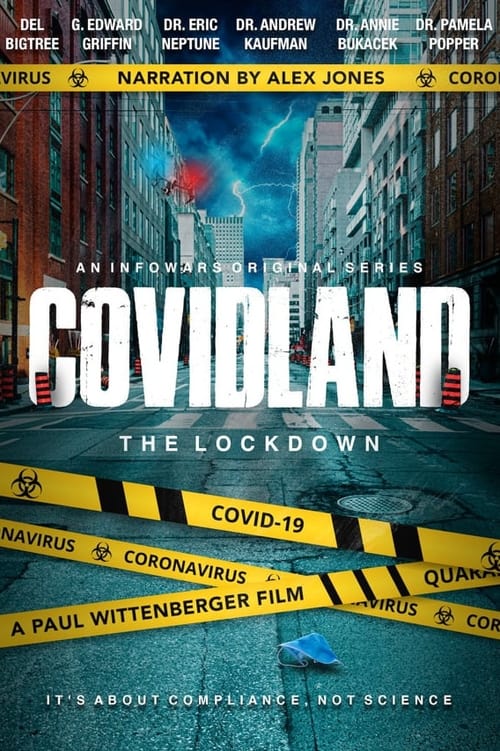
A groundbreaking film that chronicles how a cabal of mega-corporations worked through the United Nations to hijack our world, all while being aided by the mainstream media and Big Tech.
Cambodian refugee Ted Ngoy builds a multi-million dollar empire by baking America's favourite pastry: the doughnut.
This feature documentary follows three newly arrived people in Canada and their experiences with the Canadian Refugee process. As claims are assessed and paperwork is double checked, we begin to examine exactly who can be considered a refugee.
10 Letters to the Future is a documentary film that is a mid-term review in a world of intertwined crises. It is a puzzle, a kaleidoscope that enables a multi-voiced debate in society. The collectively made film was conceived in the era of the Coronavirus, when the reality of global anomalies pierced everything we took for granted. It was a time that caused many to reassess their lives in a new light. What happened to us and what kind of future do we want to be heading towards? Virus researcher, climate activist, political scientist and anti-vaccine protesters see the future challenges facing our society in a very different light. As the virus takes over the world, schoolchildren start collecting letters to be encapsulated in a wooden coffin built by students to be opened more than 50 years from now. The main characters in the documentary write their letters, addressing their loved ones or something unknown in the future.
Jean-Claude walks his dog in a neighborhood forever stuck in reconstruction. On his trip, he wonders about life, mortality, and 'what if' scenarios while remembering fragments from the direct impact of the second that almost cost him his life on August 4. At the moment of the explosion, the end of the world, bodies, buildings, roads, and cities may shatter. Perhaps the universe itself breaks apart. But the most severe fragmenting remains that of memory. A picture here and a sound there are vaguely reconstituted. Can a future be built from such a memory? Can it rebuild what was lost? Is it time to leave?