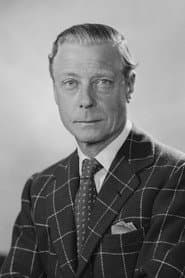
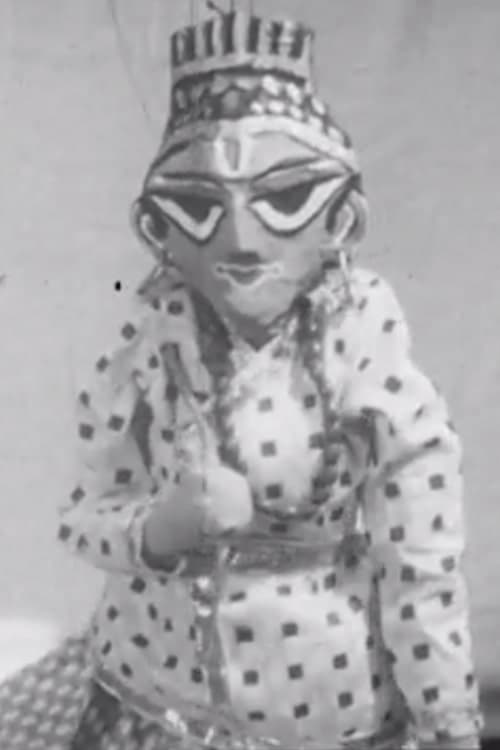
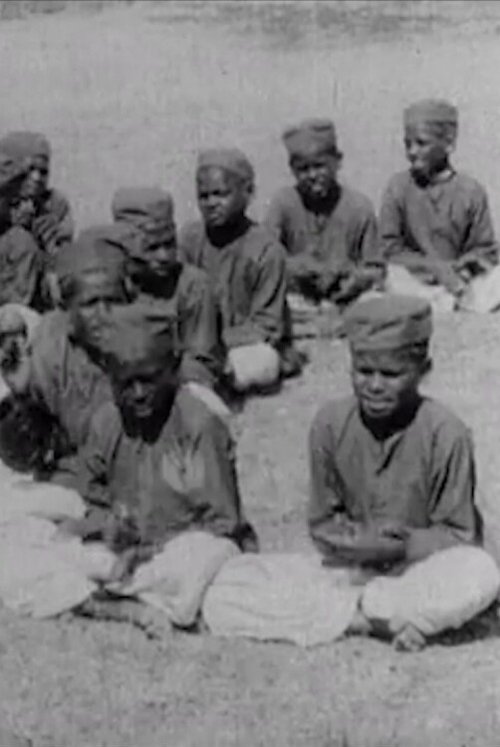
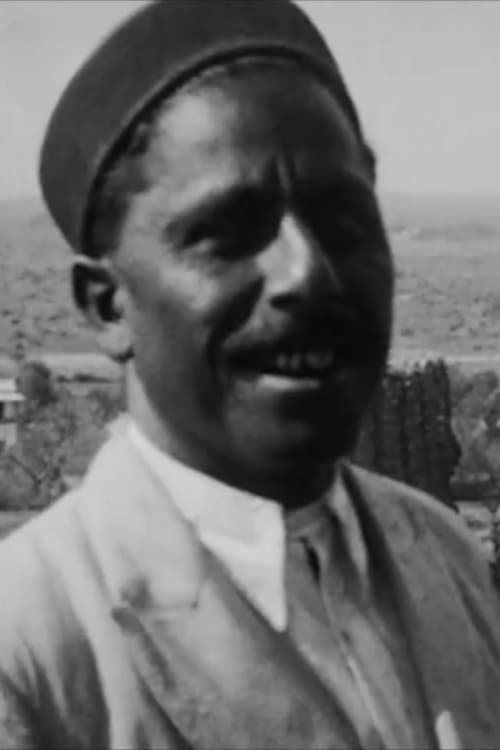
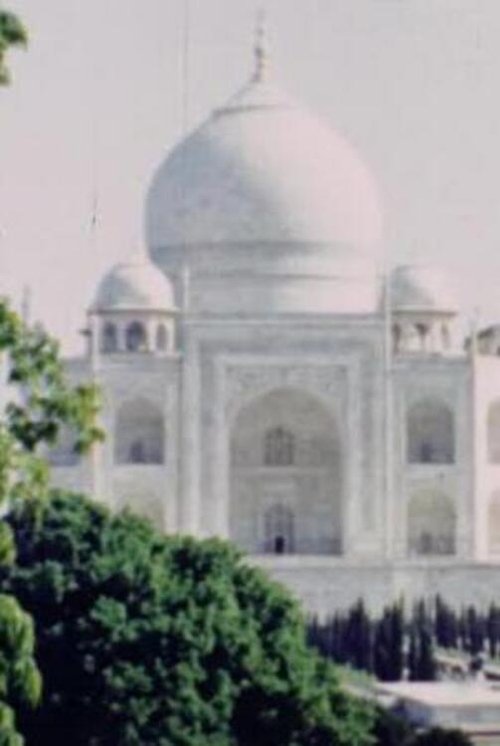
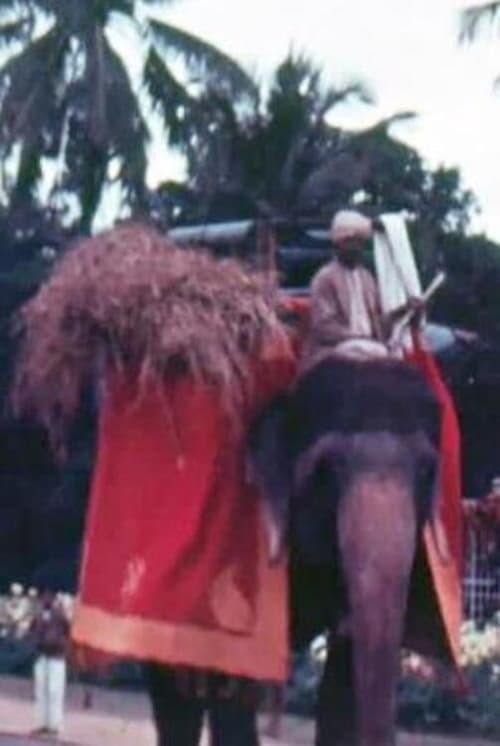
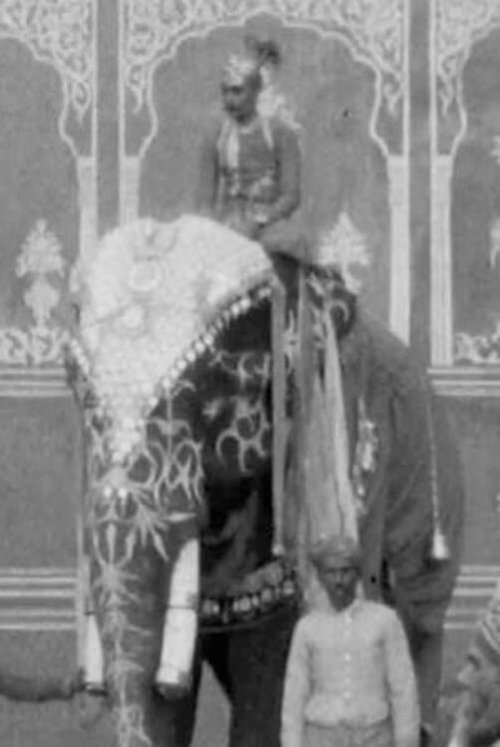
The future Edward VIII visits his Empire, with Indian royalty, elephants, palaces and temples.
King Edward VIII of the United Kingdom
as
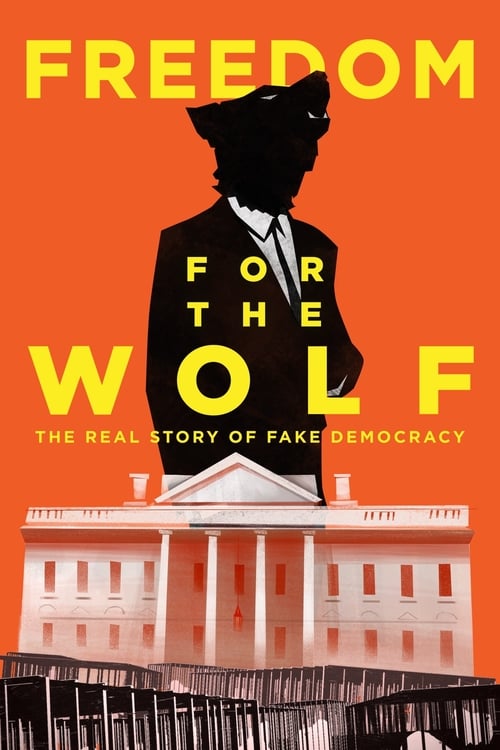
The Real Story of Fake Democracy. Filmed over three years in five countries, FREEDOM FOR THE WOLF is an epic investigation into the new regime of illiberal democracy. From the young students of Hong Kong, to a rapper in post-Arab Spring Tunisia and the viral comedians of Bollywood, we discover how people from every corner of the globe are fighting the same struggle. They are fighting against elected leaders who trample on human rights, minorities, and their political opponents.
Botanical gardens in Bombay plus the highly decorative Jain Temple in Calcutta.
This Traveltalk series short visits Hungary's capital, Budapest.
Documentary chronicling the government relocation of 10,000 Navajo Indians in Arizona.
As the months pass through her, Mai gives us a glimpse into old age that explores between being abandoned and being belonged, passing the time and living the time.
Documentary short about the disastrous dangers of aging, ailing dams.
The story behind the infamous downing of an American Black Hawk helicopter by Somali gunmen.
The larger than life true story of how a barmaid in a poor Welsh mining village convinces some of her fellow residents to pool their resources to compete in the "sport of kings" with a racehorse they would breed and raise.
By drawing a parallel between the Indian Durga Puja festival and other forms of celebrating the divine feminine, Santa Shakti reveals the Sacred Power beyond languages and religions.
A travel documentary following writer Sigfrid Siwertz and photographer Gustaf Boge's trip to Sumatra.
Wheel of Time is Werner Herzog's photographed look at the largest Buddhist ritual in Bodh Gaya, India.
Commissioned by the journal Présence Africaine, this short documentary examines how African art is devalued and alienated through colonial and museum contexts. Beginning with the question of why African works are confined to ethnographic displays while Greek or Egyptian art is celebrated, the film became a landmark of anti-colonial cinema and was banned in France for eight years.
Jaw-dropping pomp and pageantry at the 1911 Delhi Durbar
The armies of Fascist Italy conquered Addis Ababa, capital of Abyssinia, in May 1936, thus culminating the African colonial adventure of the ruthless dictator Benito Mussolini, by then lord of Libya, Eritrea and Somalia; a bloody and tragic story told through the naive drawings of Pietro Dall'Igna, an Italian schoolboy born in 1925.
A chronicle of the violence that occurred in much of the African continent throughout the 1960s. As many African countries were transitioning from colonial rule to other forms of government, violent political upheavals were frequent. Revolutions in Zanzibar and Kenya in which thousands were killed are shown, the violence not only political; there is also extensive footage of hunters and poachers slaughtering different types of wild animals.
This excellent feature-length documentary - the story of the imperialist colonization of Africa - is a film about death. Its most shocking sequences derive from the captured French film archives in Algeria containing - unbelievably - masses of French-shot documentary footage of their tortures, massacres and executions of Algerians. The real death of children, passers-by, resistance fighters, one after the other, becomes unbearable. Rather than be blatant propaganda, the film convinces entirely by its visual evidence, constituting an object lesson for revolutionary cinema.