An operatic short drama surrounding the connection forged over an afternoon between a young aged care worker and his new elderly client, Rosetta.
Josh Weaver
as Marco
Maree Ollington
as Rosetta
Rebecca Rashleigh
as Young Rosetta (Voice and Song)
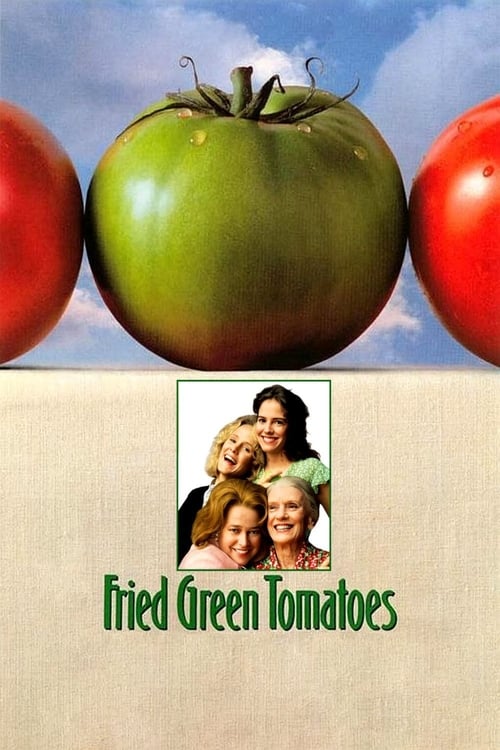
Amidst her own personality crisis, a southern housewife meets an outgoing old woman who tells her the story of Idgie Threadgoode and Ruth Jamison, two young women who experienced hardships and love in 1920s Whistle Stop, Alabama.
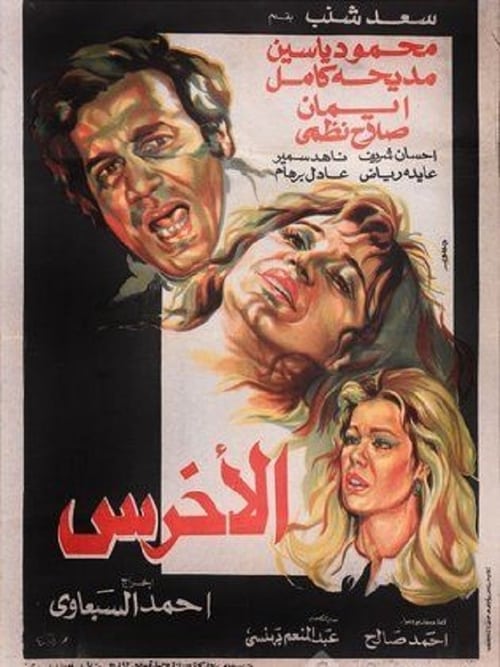
Engineer Ahmed indirectly causes the death of his colleague Hossam, and suffers from a neurological trauma that causes him to be mute. He gets to know Aida, who admires him, so they plan to get married despite her father's objections.
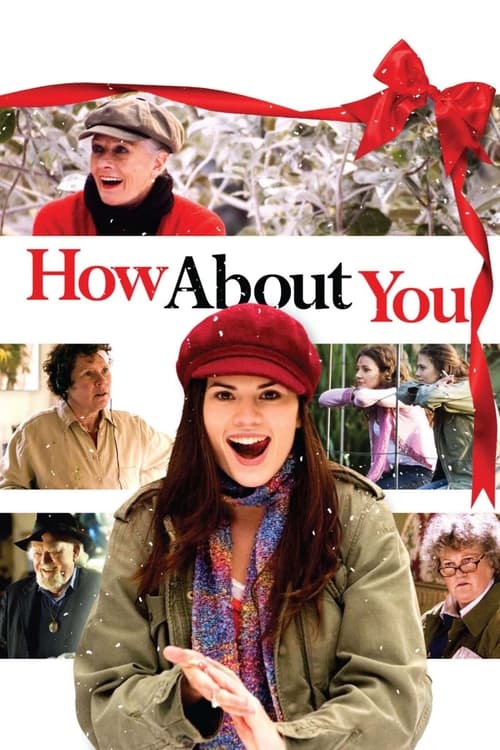
A young woman, struggling with the direction of her life, spends Christmas watching over a retirement home filled with demanding residents.
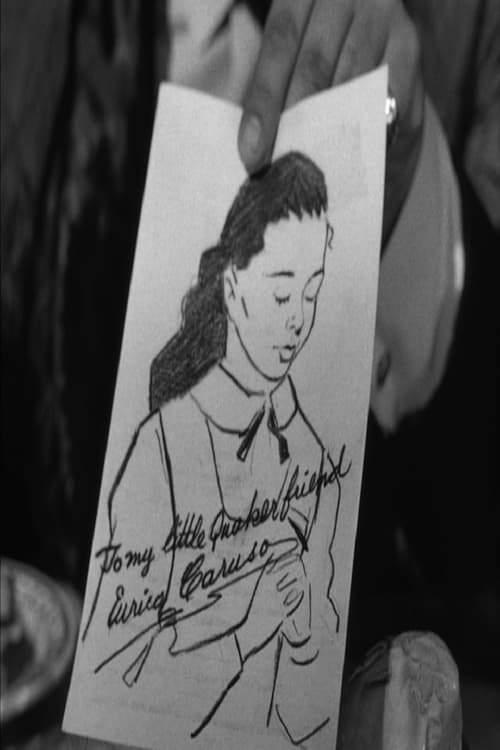
A ten-year-old girl meets famed opera singer Enrico Caruso on a train between Boston and New York. She admonishes him for his extravagant lifestyle, but she is softened up somewhat when Caruso begins to sing arias from her favorite operas.
A notable opera singer tries to commit suicide because of a emotional breakdown. While hospitalized in a psychiatric clinic, her daughter cautiously approaches the man she considers to be the blame for the state of her mother in order to gain her revenge.
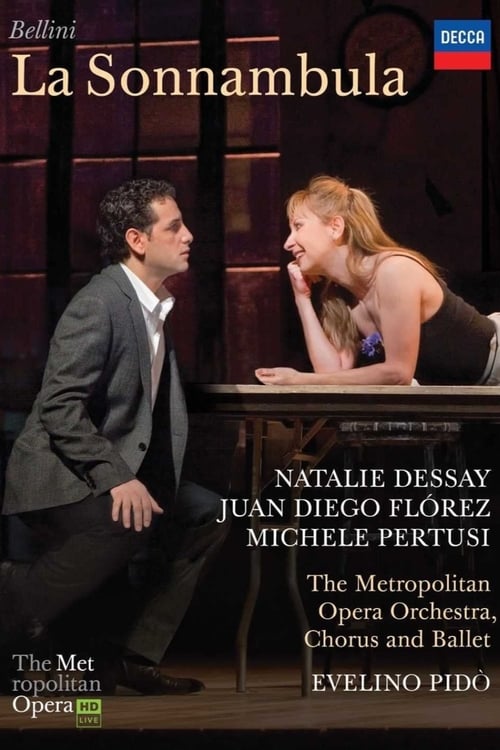
Just as a young woman is about to marry her sweetheart, she is discovered—by the entire village, to say nothing of her fiancé—asleep in the bedroom of a stranger. It takes the young man two acts to figure out that sleepwalking is to blame, and everything ends happily. Natalie Dessay as Amina and Juan Diego Flórez as Elvino deliver bel canto magic and vocal fireworks in Mary Zimmerman’s 2009 production. The Tony award-winning director transfers Bellini’s bucolic tale to a rehearsal room in contemporary New York, where an opera company rehearses La Sonnambula—and where the singers are truly in love with each other.
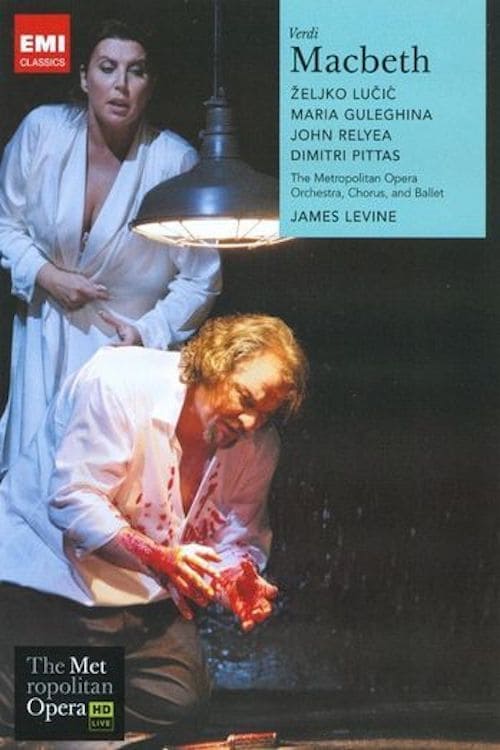
Verdi’s admiration for Shakespeare led to such masterpieces as Othello and Falstaff, and if the earlier Macbeth isn’t on their exalted level it’s still a powerfully dramatic opera that hews closely to the original’s story line. The MET’s production retains the dark aura of the opera while updating it to a vaguely post-modern context. So the witches are bag ladies in various stages of decrepitude, with children in tow. The Banquet Scene features lowered chandeliers, a plethora of chairs, and a slew of extras dressed in tuxedos and party gowns. Macbeth sports a leather coat, the soldiers are in drab brown uniforms and seem to have fingers on their triggers even when they’re supposed to be in non-threatening situations. Director Adrian Noble also has Lady Macbeth do an inordinate amount of writhing around and singing from a lying-down position, adding to the feeling that a less interventionist directorial hand might have generated more impact.
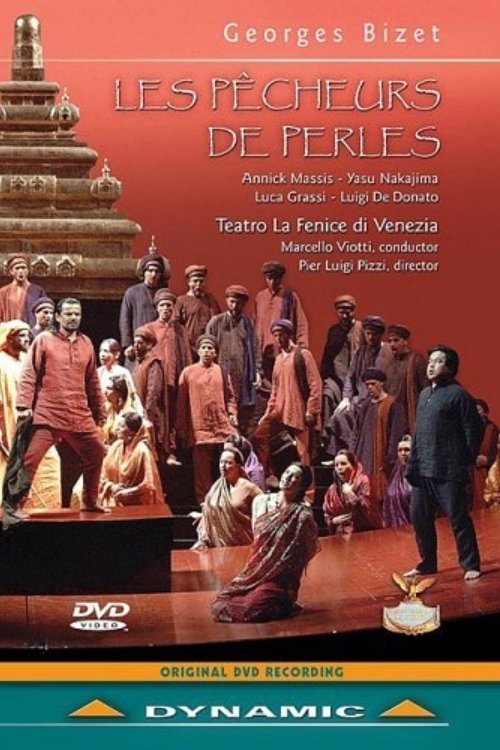
A village hires a priestess to pray for the safety of their pearl fishermen, but long lost love gets in the way.
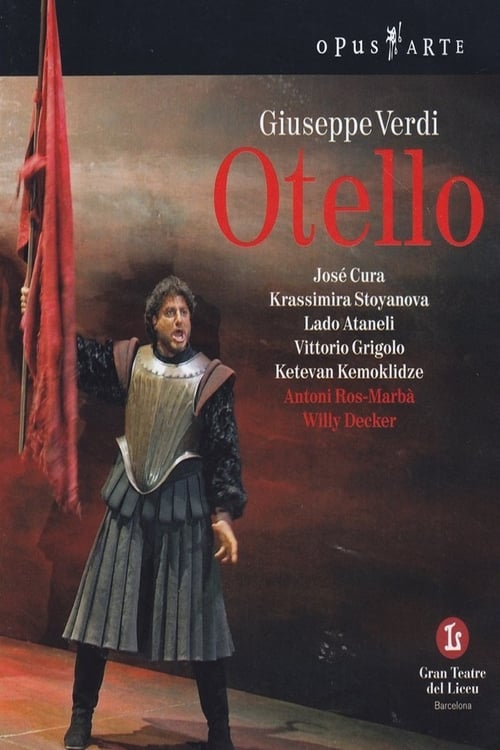
José Cura sings and acts here with an inwardness and intensity which make a profound impression. So does Krassimira Stoyanova as Desdemona, not in the first flush of youth, but heartfelt and direct; while Lado Ataneli's Jago is a brilliantly understated study in jovial malevolence. With strong conducting from Antoni Ros-Marbà, the whole cast collaborate to give us the truth of this desperately upsetting work, as no other DVD and few live performances I've seen of it ever have.
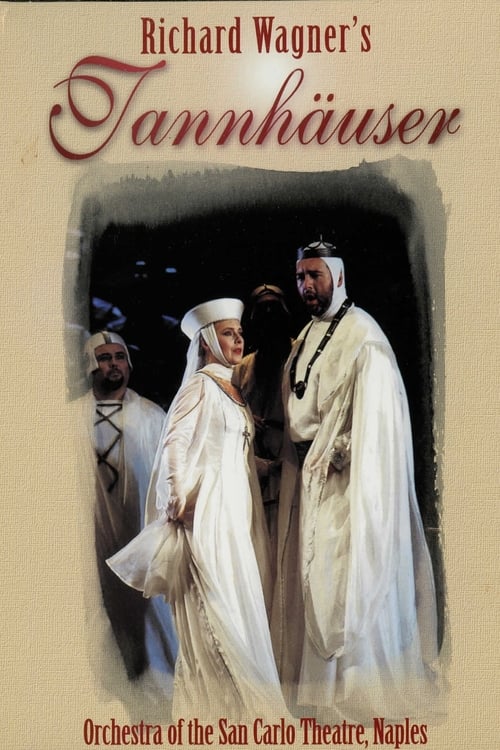
A romantic opera in three acts with music and libretto by Richard Wagner, performed by the Orchestra of the Teatro di San Carlo. The original title, Tannhauser und der Sangerkrieg auf Wartburg, reveals the real nature of the opera, born by a fusion of two traditional sagas and dedicated to the dualism of spirituality and sensuality and the possibility of redemption through love. Composed between 1843 and 1845, Tannhauser has a tormented musical theme, made up of constant variations. It debuted in Dresden in 1845 when Wagner was just over 30.
A compelling drama about a silent, violent teenager. Kevin suffers from elective mutism and no one has ever heard him utter a word.
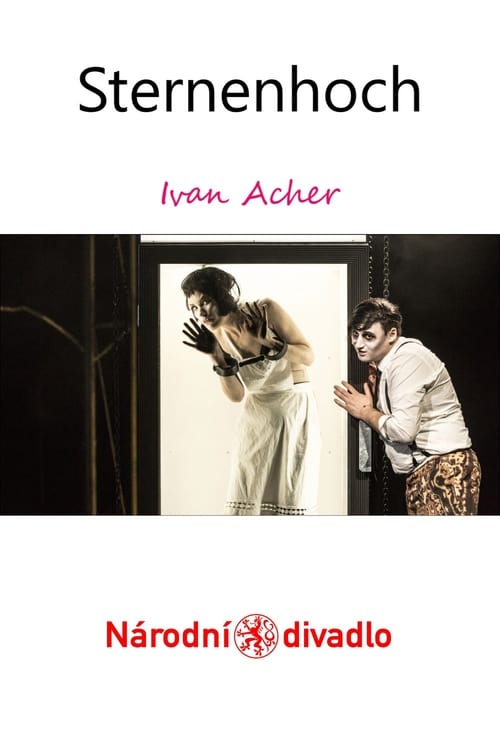
Trapped in an abusive marriage, a wealthy German prince desperately seeks a way out. But what appears to be the road to salvation soon turns into a highway to hell. The universal language of music meets the international language of Esperanto in this debut opera by Ivan Acher. The carpenter, forest worker, designer and composer has cleverly blended electro-acoustic and contemporary music to breathe life into Ladislav Klíma’s expressionist novel, The Sufferings of Prince Sternenhoch.
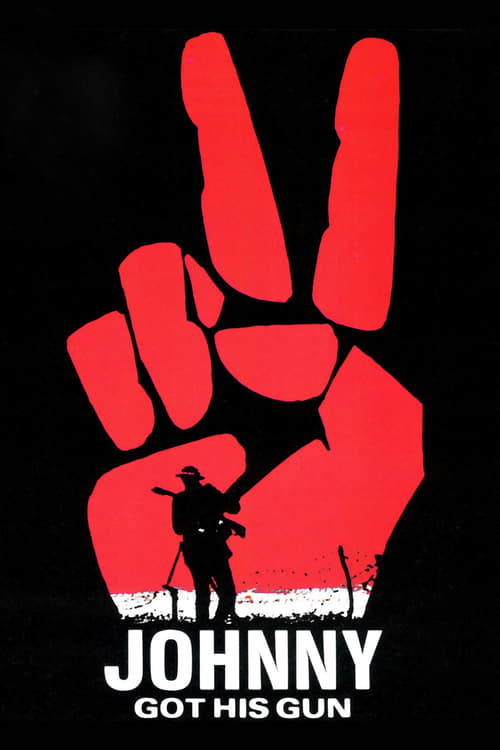
A young American soldier, rendered in pseudocoma from an artillery shell from WWI, recalls his life leading up to that point.
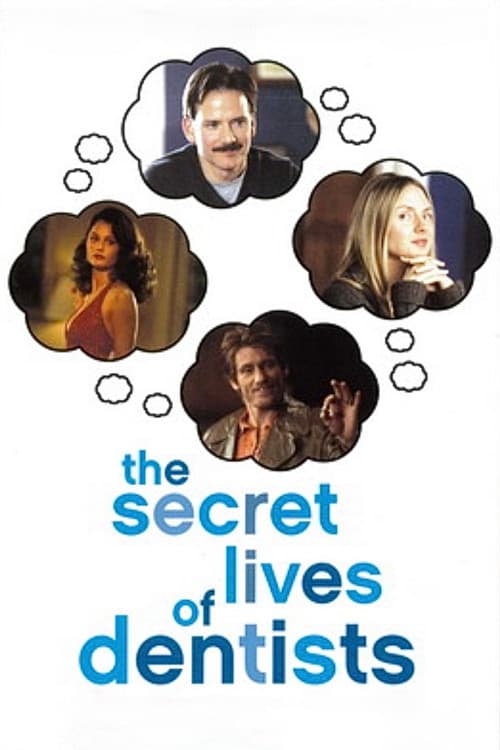
An introspective dentist's suspicions about his wife's infidelity stresses his mental well being and family life to the breaking point.
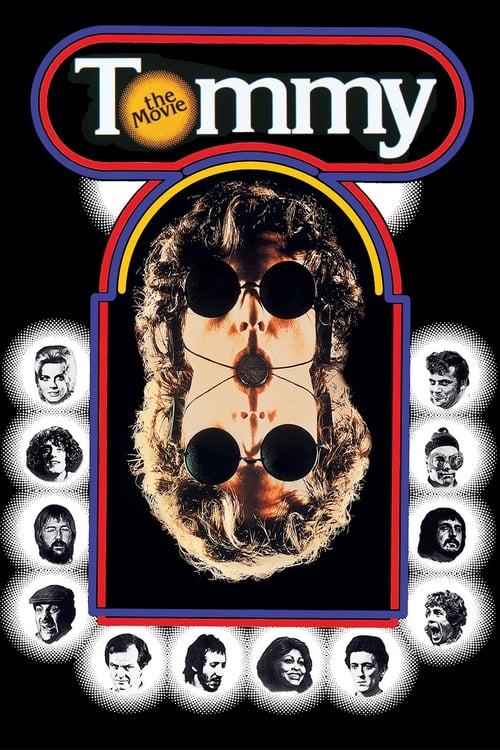
After a series of traumatic childhood events, a psychosomatically deaf, dumb and blind boy becomes a master pinball player and the object of a religious cult.
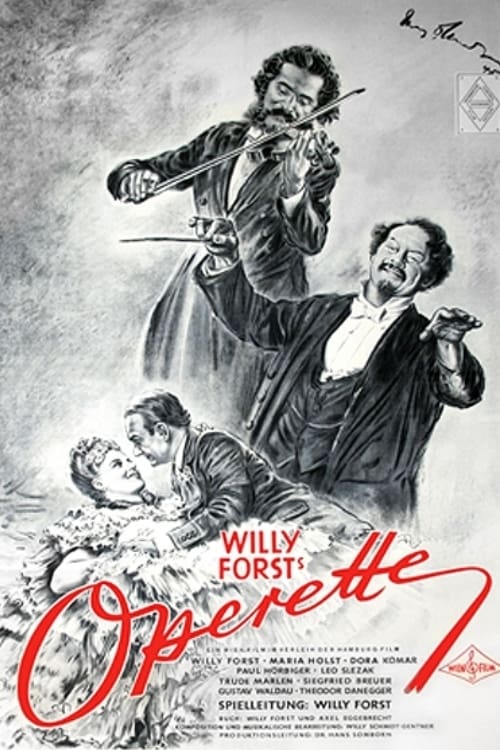
A musician is offered a job in Vienna as stage director, but his disagreements with the aristocratic opera manager end in abrupt firing in spite of a mutual attraction. He's quickly engaged by another theatre and becomes famous for his lavish stage productions and fine acting, which begins their golden age with Suppé and Strauss.
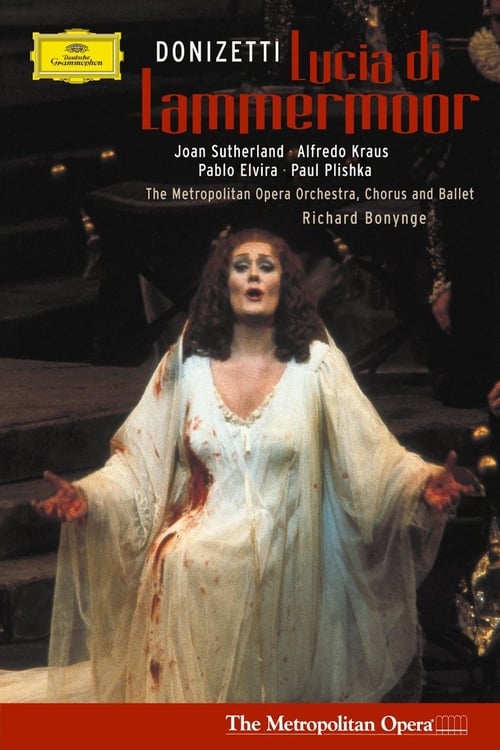
This telecast offers a rare opportunity to see the legendary Joan Sutherland in the role that first catapulted her to international stardom. She drove audiences wild by the way her opulent voice caressed the music’s long phrases and sprinted effortlessly through the fiendish runs, trills, embellishments and stratospheric high notes. One of the glories of the operatic world, her portrayal of Donizetti’s hapless heroine is a multifaceted and moving characterization. The incomparable tenor Alfredo Kraus is Edgardo, the man Lucia loves but cannot have. (Performance taped November 13, 1982. Broadcasted September 28, 1983.)
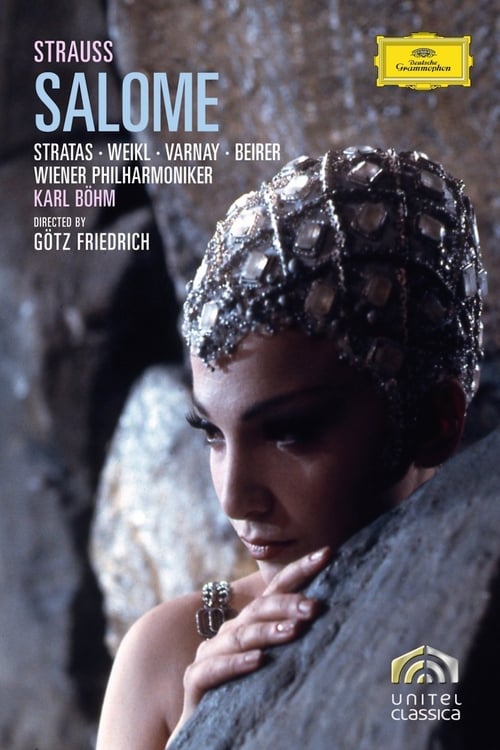
This filmed version of Strauss' shocker features Teresa Stratas as opera's most depraved teenager, and she's as perfect a Salome as one would ever hope to see or hear. Stratas inhabits the role, exploring the character's sensuousness as she vainly woos Jochanaan, her venomous hatred when she's rejected, the crazed look in her eyes when she demands his head--on a silver platter, no less. Such complete identification with a role, especially of a character so malignant helps make this 1974 Salome stand out among the many fine DVDs of the opera.