Presents a geographic overview of the Rocky Mountain region. Discusses the significant role that this region of natural resources has played in the development of the continent
This short-length documentary takes us to Agadir, a city in Morocco that was struck by an earthquake in 1960. The film, made by an expatriate Moroccan who lost family and friends in the disaster, is a memorial to that tragedy and to the past he left behind when he came to North America. Partly allegorical, it employs varying techniques to offset reality from fantasy sequences.
A New Yorker journeys to the jungle in the Darien Gap of Panama to reconnect with an indigenous tribe he met and photographed 20 years ago. Their reunion highlights the profound power of photos and the human connection that transcends cultural barriers.
It shows the Neretva river from its source to the shores of the Adriatic Sea. The document also captures the original four-hundred-year-old bridge in Mostar.
The one-off documentary tells the story of two women travelling by bike across the United States, from Canada to Mexico along the Great Divide. A unique adventure through the most remote areas of the Rocky Mountains, between pristine nature and wild animals. An epic journey that led them to travel 4,000 km and climb 60,000 meters and that, day after day, forced them to face their own limits, their strength and fragilities, and tested their relationship. Because every journey is always a love story.
Masters of stone III - Third stone from the sun is a documentary about rock climbing that takes place in Montagne De Céüse and Verdon Gorge. It was directed by Eric Perlman in 1994 and produced by Perlman/Hatchett. It is a part of the series Masters of stone (3/6) .Non-stop climbing action from the top edge of the sport. America's toughest boulder problems at Hueco Tanks and Yosemite. 5.14C redpoints at the hottest climbing cliffs in southern France. Zone 3 soloing. Women's climbing. Mega free-climbing. Training tips from the best. Freeway climbing. Bandaloop cliff dancing. Live body rope testing with 100+ foot falls.
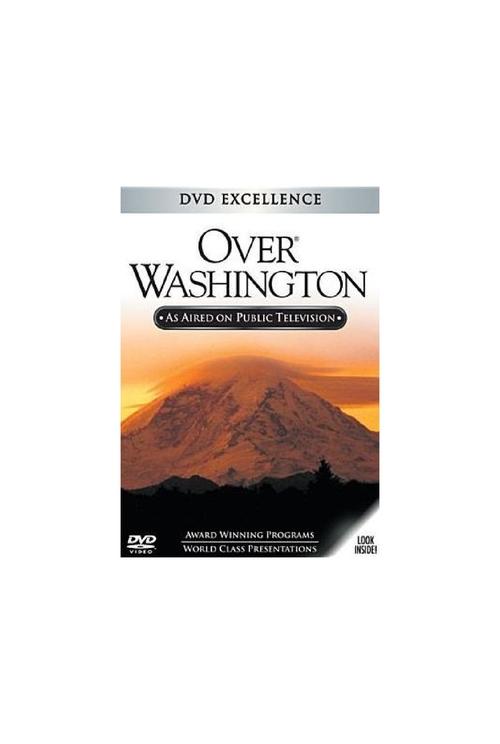
Take to the sky and come face-to-face with Washington states majestic mountains, including one of the Pacific Northwests most well-known symbols: Mount Rainier. Celebrate the diversity of the states landscapes in Over Washington, from the glittering Puget Sound in the west to the rolling Palouse in the east. Stunning aerial cinematography and original music bring these spectacular images to life.
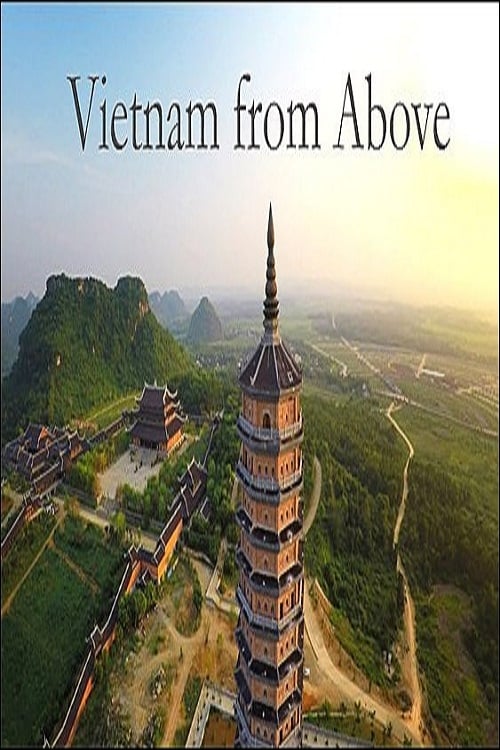
Travel across Vietnam on a breathtaking cultural and historical journey. Uncover ancient Chinese influences on Vietnamese traditions and striking examples of French Colonial architecture, and trace the impact of the Vietnam War in the north and south. Visit the country’s lively modern cities, taking in temples, floating markets, and the world heritage sites of Huế and Ha Long Bay.
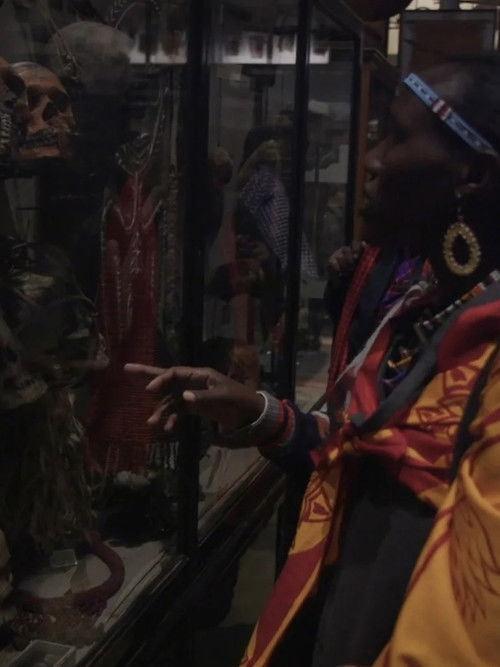
Decolonising the Curatorial Process is a forty-minute documentary which explores decolonial strategies in an academic and curatorial context. The film features academics, activists and practitioners, and contains case studies of institutions that are deploying critical, self-reflective forms of curatorial practice. The Museum of London Docklands exhibition on slavery and the sugar industry is examined as an example of how an institution can decolonise the curatorial process, utilise the work of artists in a museum context, and critically examine East London's imperial history. The Pitt Rivers museum in Oxford, who are working with Maasai activists from Kenya and Tanzania on a project centred on repatriating the museum's collection of sacred Maasai artefacts, also features in the film.
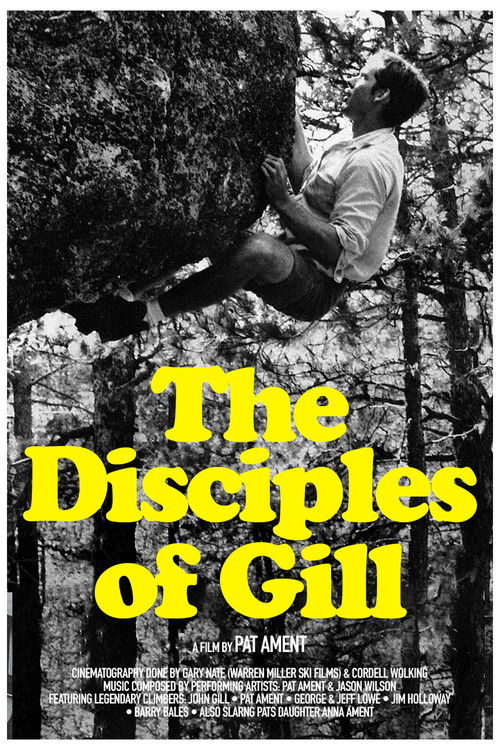
Disciples of Gill is a documentary by Pat Ament dedicated to bouldering and the legacy of John Gill, a major figure in climbing. The film revisits the rise of bouldering in the 1960s and 70s, as well as its influence on modern climbing. It follows the stories of climbers inspired by John Gill and shows how his ideas, technique, and approach shaped an entire generation. It blends interviews and archival footage to trace the evolution of this practice in Pueblo, Flagstaff Mountain, and more broadly within climbing culture.