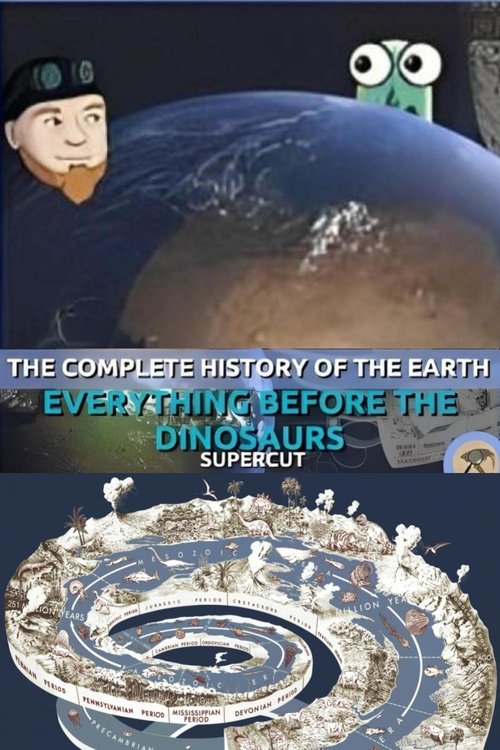
A supercut of the five part YouTube miniseries The Great Dyings. Content creator Angel of Death explores the five mass extinctions and the effects they had on life on Earth.
Angel of Death
as Angel of Death (voice)
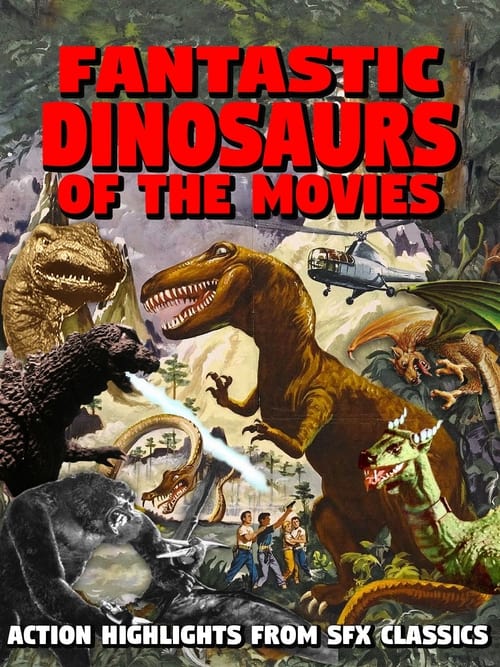
A collection of trailers from various "B" dinosaur and creature movies spanning though out film history, but mostly focusing on the drive-in type films of the 1950's, 60's, 70's and early 80's.
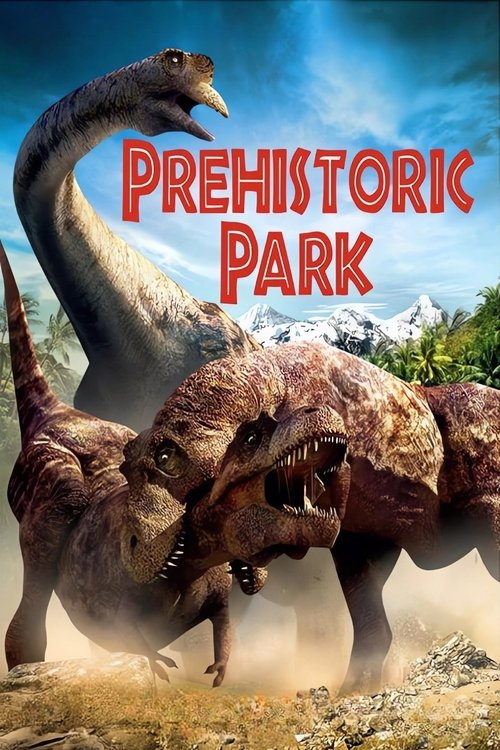
A BBC miniseries about Nigel Marvin's quest to bring the extinct dinosaurs through time to Prehistoric Park.
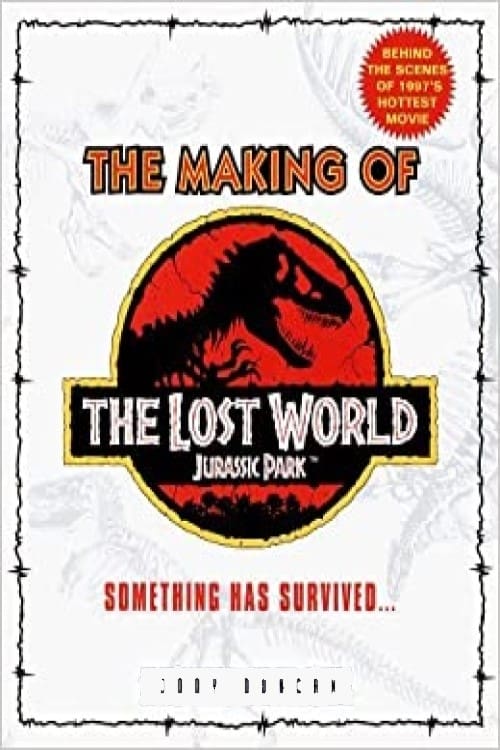
Behind-the-scenes documentary about the making of director Steven Spielberg's 1997 film "The Lost World."
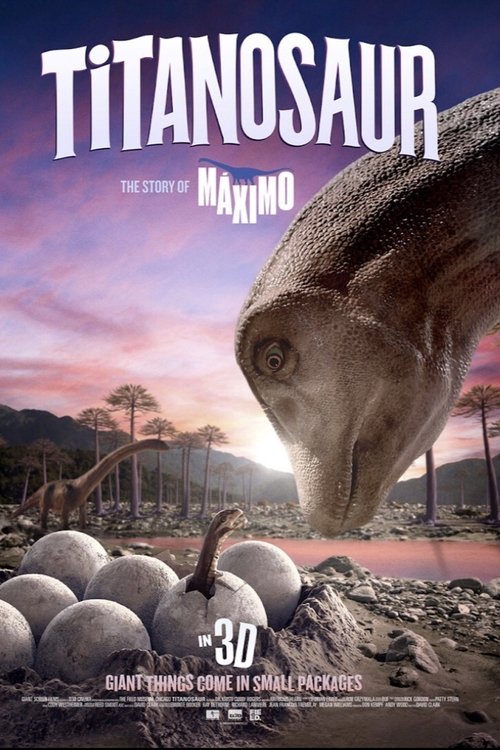
Titanosaur 3D uses vividly photorealistic animation to imagine what these long-necked sauropods looked like and how they moved, ate, and interacted. Travel back over 100 million years to get a glimpse of their Cretaceous environment and follow a titanosaur’s life from egg to towering titan.
A key piece of the Paluxy Human Track narrative that swept the country's creation-evolution dialogue in the 1970s and 1980s and cemented the claims that dinosaur and human track ways were preserved in the Paluxy River in the public sphere. Originally release in January 1973, the film was considered lost media by the 1980's but a 16mm cut of the film resurfaced in 2023.
Content creator Paleo Analysis explores the Precambrian and the Paleozoic era on his quest to evolve back into a human.
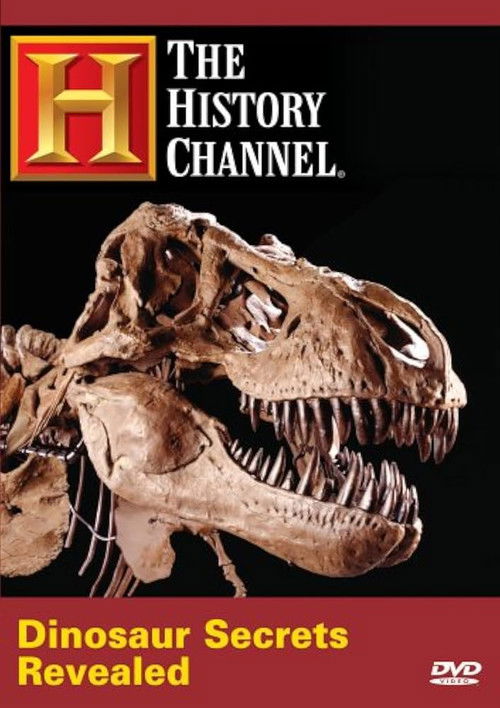
Dinosaurs roamed and ruled earth for more than 150-million years, then suddenly vanished leaving only fossils to fascinate and befuddle us. In a feature-length unique approach to historical analysis of these creatures, we don't focus on the latest technology or the most controversial theory. Instead, we look chronologically at what we've gotten wrong about dinosaurs throughout the short history of scientific study of these magnificent, misunderstood creatures, and see where paleontologists are digging today.
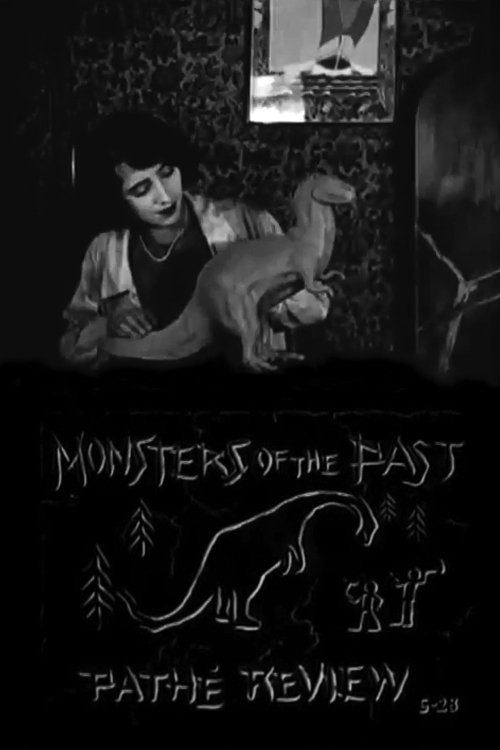
Sculptress Virginia May is seen making a clay model of a tyrannosaurus rex, which is animated using stop motion, and then fights a stop-motion triceratops. Although Miss May's only known relationship with the movies is this particular short, her contemporary, Willis O'Brien and his student Ray Harryhausen certainly made the field a lively one until computer animation caught up in the 1990s -- and arguably their artistry is still unsurpassed.
When a huge meteorite crashed into the earth 66 million years ago and caused the disappearance of the dinosaurs, some of the planet’s tiniest species survived the cataclysm, and—against all odds—eventually became some of the greatest giants to ever roam the earth. From the poles of the planet to the belly of the equator, this documentary sheds new light on four giant animals that are still a great mystery to science today: the Titanoboa snake, the Megalodon shark, the giant rhinoceros and the giant sloth.
The discovery of a giant crater in the floor of the Gulf of Mexico is a step closer to solving the question if an asteroid ended the age of dinosaurs.
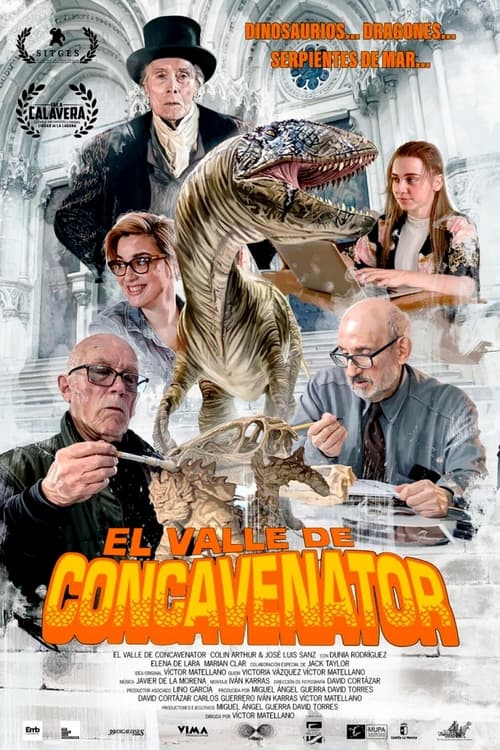
Three researchers work on a paleontological project focusing on two dinosaurs: one fictional, the one created by special effects genius Ray Harryhausen for the film The Valley of Gwangi (1969); the other real, the Concavenator corcovatus, whose remains were discovered in 2003 at the Las Hoyas site, in the province of Cuenca (Spain), very close to where the filming took place.
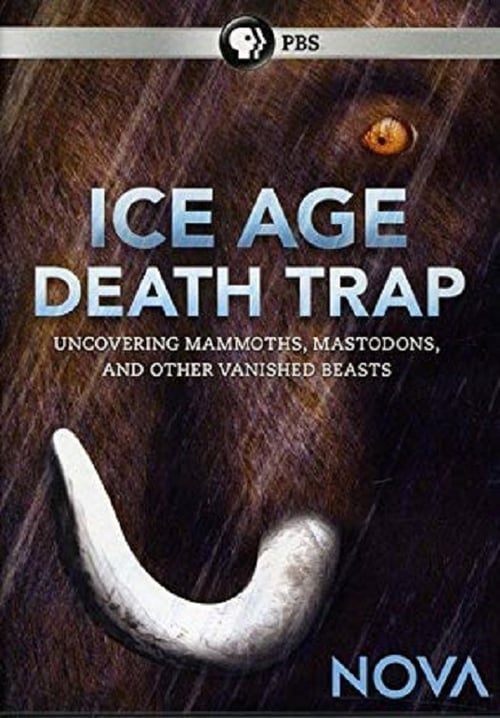
In a race against developers in the Rocky Mountains, paleontologists uncover a unique fossil site packed with astonishingly well-preserved bones of mammoths, mastodons, and other giant extinct beasts. The discovery opens a highly focused window on the vanished world of the Ice Age in North America.
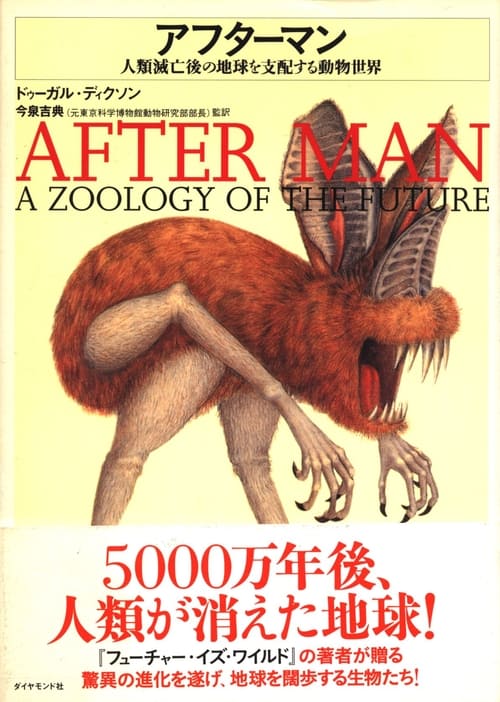
A stop-motion adaptation of the 1981 novel by geologist Dougal Dixon of the same name, which explores the speculative paths of evolution of modern animals into the far future.
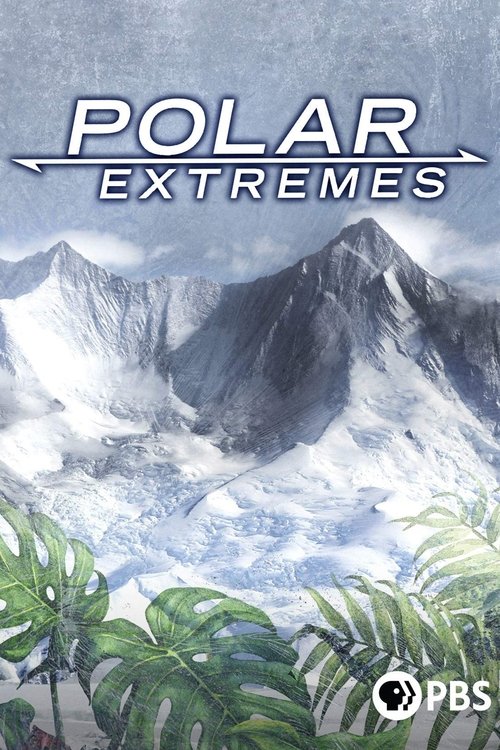
Renowned paleontologist Kirk Johnson takes us on an epic adventure through time at the polar extremes of our planet. Following a trail of strange fossils found in all the wrong places—beech trees in Antarctica, hippo-like mammals in the Arctic—Johnson uncovers the bizarre history of the poles, from miles-high ice sheets to warm polar forests teeming with life. What caused such dramatic changes at the ends of the Earth? And what can the past reveal about our planet’s climate today—and in the future?
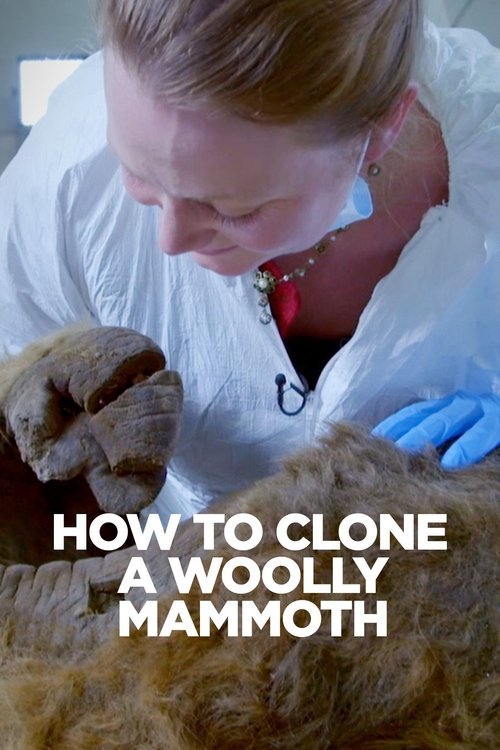
The Siberian discovery of the best-preserved woolly mammoth on record has teams of experts working around the globe, and around the clock, on some of the most ambitious projects in science. In Russia, paleontologists are conducting a historic autopsy on the 40,000-year-old beast to find out how it lived, and how it died. Meanwhile labs in South Korea and at Harvard University are using the latest advances in DNA manipulation in hopes of cloning the furry giant and introducing it to the modern world.
Looking at whether the history of early human evolution should be rewritten. For decades, most experts have been convinced that Africa is the cradle of mankind and many fossil finds from Kenya, Ethiopia, South Africa and Chad seemed to prove it.