It is a story in which the young heroine, dying from a broken heart, mysteriously hears the call of ghosts tempting her to join their round dance, and having become one of them she saves the lover who betrayed her.
Diana Vishneva
as Giselle
Mathieu Ganio
as Count Albrecht
Igor Kolb
as Hans
Ekaterina Ivannikova
as Myrtha
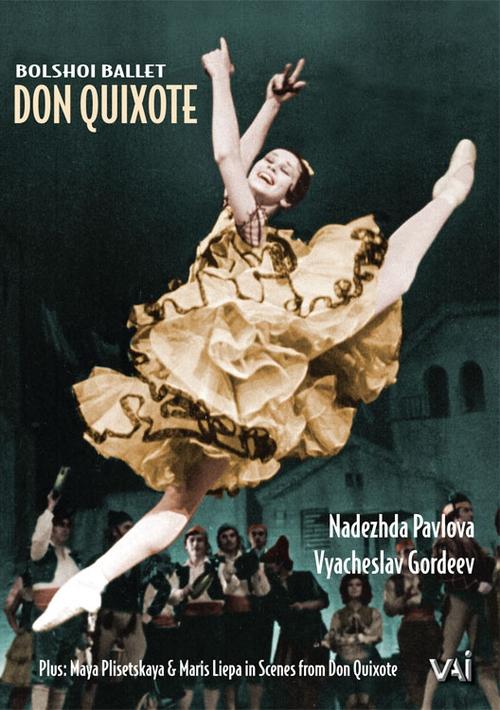
Product Description ••••• A complete 1978 performance of this classic ballet stars the magnificent Nadezhda Pavlova and Vyacheslav Gordeev; the Bolshoi Theatre Orchestra is conducted by Alexander Kopilov. DVD Bonus: Scenes from Don Quixote filmed at the Bolshoi in 1964 and starring the legendary dancers Maya Plisetskaya and Maris Liepa; Bolshoi Orchestra conducted by Youri Fayer.
Matthew Bourne's Romeo and Juliet is a passionate and contemporary re-imagining of Shakespeare's classic love story. Bursting with youth, vitality and Matthew Bourne's trademark storytelling.
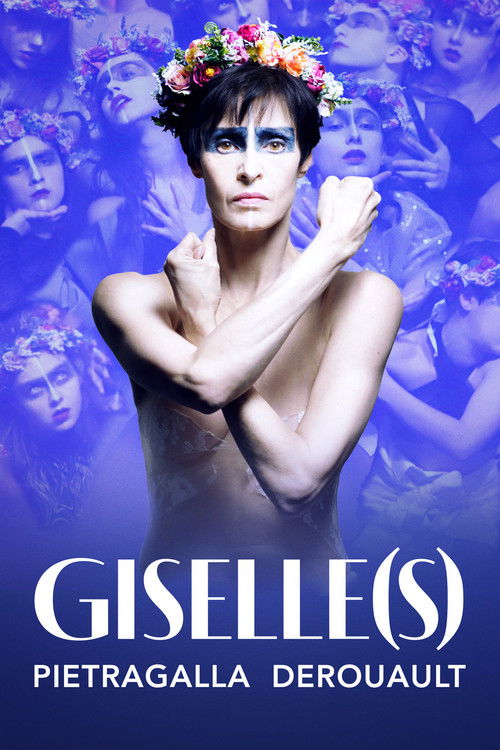
Giselle(s) revisits the classic Giselle through the lens of violence against women, giving the famous 1841 ballet a contemporary social and political dimension.
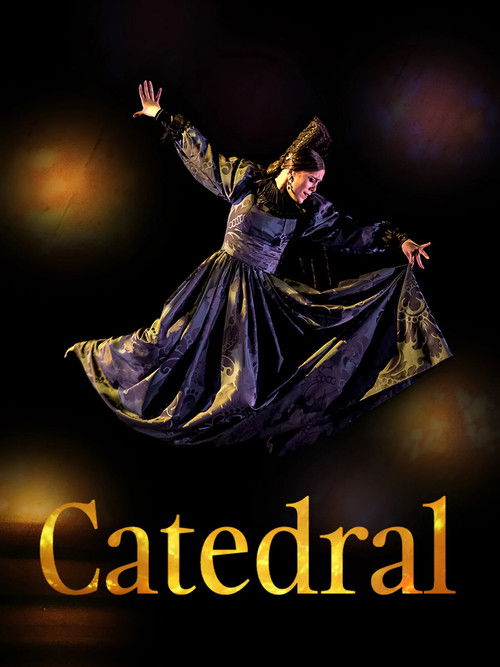
Recorded at the Teatro Alhambra on May 10 and 11, 2023.
A Christmas classic revisited in dance form at the Finnish National Opera: Charles Dickens' A Christmas Carol. It's the story of Ebenezer Scrooge, a grumpy, miserly old man who, on Christmas Eve, is visited by the ghosts of Christmas past, present and future. A magical tale popular with all ages, adapted into a ballet by an all-British artistic team including composer Sally Beamish and choreographer David Bintley.
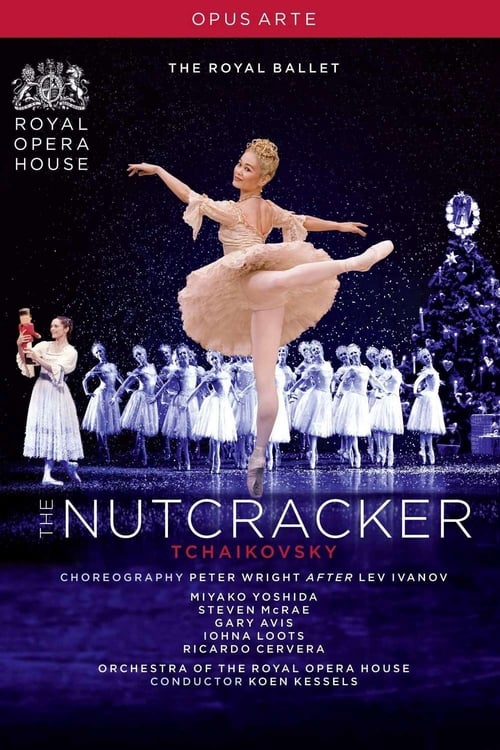
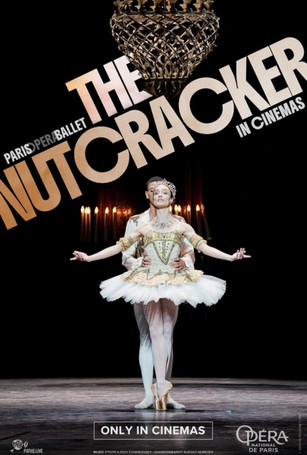
This all-time ballet favourite, in which young Clara is swept into a fantasy adventure when one of her Christmas presents comes to life, is at its most enchanting in Peter Wright's glorious production.
During a Christmas Eve party and a young girl, Clara, being given a nutcracker doll by her godfather, Drosselmeyer. Later in the evening when Clara sleeps, she finds herself in the midst of the Nutcracker’s battle against the Mouse King and his army of mice. Coming to Clara’s aid, the Nutcracker is transformed into a Prince and journeys with her to an enchanted island where spectacular celebrations are held in their honor. Pre-recorded at the Mariinsky Theatre in St. Petersburg in December 2011, Wassili Vainonen’s version of the beloved holiday ballet is for the first time in 3-D in select theaters.
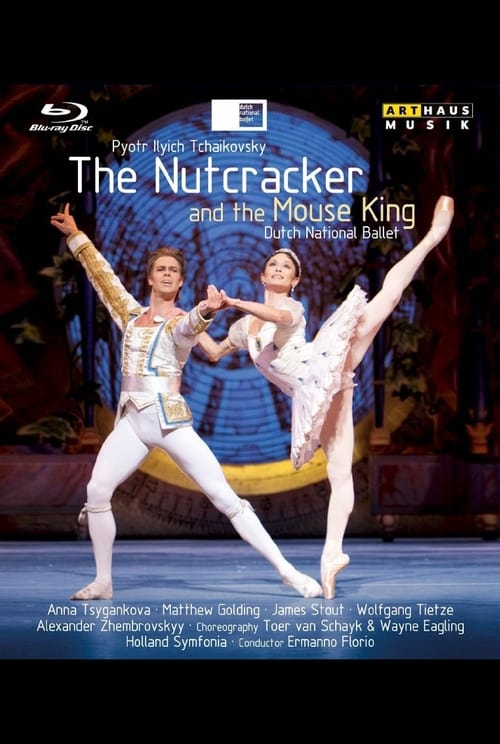
Going to see Nutcracker with the whole family has been a tradition in other countries for many years. Now it is a tradition in the Netherlands as well. It became apparent that the Netherlands had also adopted this tradition in 1996, when the Dutch National Ballet presented its own version of the famous fairytale ballet. It is a magical production that has won the hearts of more than 250,000 people to date. Choreographers Toer van Schayk and Wayne Eagling created a Nutcracker for the children and adults of today. It is more dynamic and exciting, and less sweet than usual. They also chose to give a Dutch twist to their interpretation of the story, with skaters on the canals and a living room that transforms into a snowy forest. Unlike the original story, the production by Eagling and Van Schayk (who also designed the delightful sets and costumes) does not take place on Christmas Eve in a German town, but during St. Nicholas celebrations in Amsterdam, around 1810.
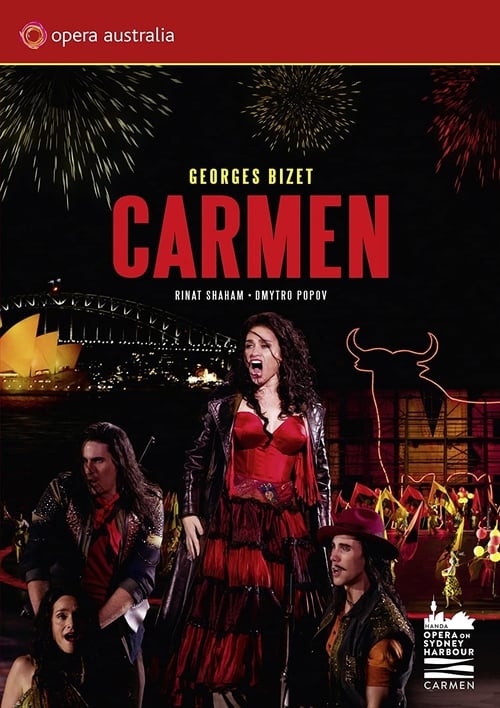
With the Australian Opera and Ballet Orchestra and conductor Brian Castles-Onion, a gritty set design, sumptuous bold costumes, stunning choreography, and the inestimable direction of Gale Edwards and Bizet's glorious opera is brought to life like never before in this second Handa Opera on Sydney Harbour.
Good triumphs over evil in this fairy tale that sets magic, romance, and tragedy to Tchaikovsky’s timeless score. One of the most iconic works in the ballet literature, this revival features Rudolf Nureyev’s career-defining choreography. Production celebrates 50th anniversary of the production choreography by Nureyev.
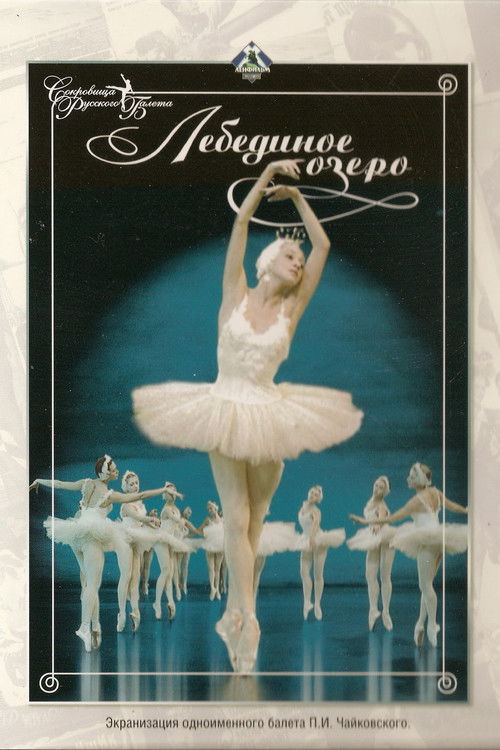
Swan Lake, a screen adaptation of the ballet of the same name by Pyotr Tchaikovsky. Performed by Kirov Ballet, starring Yelena Yevteyeva as Odette and directed for film by Appolinariy Dudko and Konstantin Sergeyev. Produced by Lenfilm studios in 1968. Orchestra of the S.M. Kirov Leningrad Academic Opera and Ballet Theater, conductor Victor Fedotov. Ballet dancers of the Leningrad State Academic Theater of Opera and Ballet named after S.M. Kirov and students of the Leningrad Choreographic School M. Agrippina Vaganova took part in the film. Golden Orchid Prize - Grand Prix at the VIFF of ballet films in Genoa, Italy (1969).
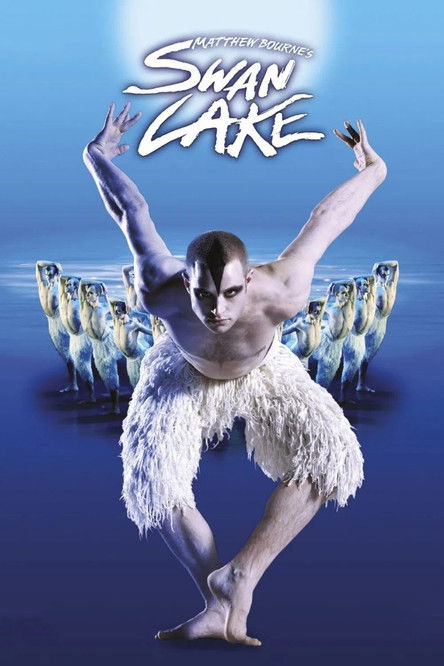
Director and choreographer Matthew Bourne's radical reworking of Tchaikovsky's Swan Lake. The score remains the same, but the famous corps de ballet is now danced by men.
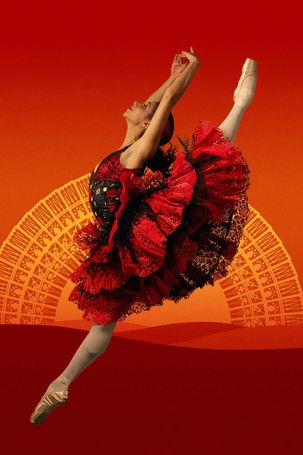
Birmingham Royal Ballet perform Don Quixote in a production by Carlos Acosta. Based on Spain’s most famous novel, the classic ballet follows Don Quixote’s extraordinary adventures as he helps young lovers Kitri and Basilio find happiness. Filmed at the Birmingham Hippodrome, Don Quixote features some of ballet’s most iconic and virtuosic dance moments. Starring Momoko Hirata as Kitri, Mathias Dingman as Basilio and Tom Rogers as Don Quixote.
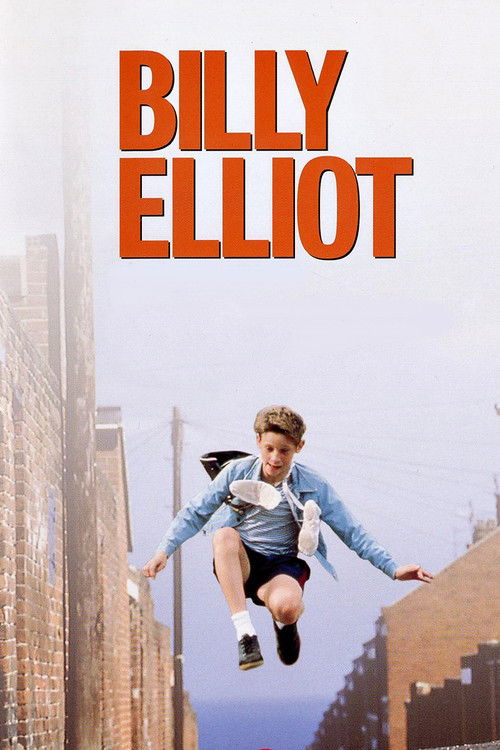
County Durham, England, 1984. The miners' strike has started and the police have started coming up from Bethnal Green, starting a class war with the lower classes suffering. Caught in the middle of the conflict is 11-year old Billy Elliot, who, after leaving his boxing club for the day, stumbles upon a ballet class and finds out that he's naturally talented. He practices with his teacher Mrs. Wilkinson for an upcoming audition in Newcastle-upon Tyne for the royal Ballet school in London.
On Christmas Eve, young Clara receives a nutcracker doll and drifts into a dream where toys come alive. Guided by the transformed nutcracker prince, she moves through a world of toy soldiers, rats, and magical creatures, facing her fears and desires. Snowflakes, flowers, and fantastical landscapes frame a vivid choreography set to Tchaikovsky’s iconic score.
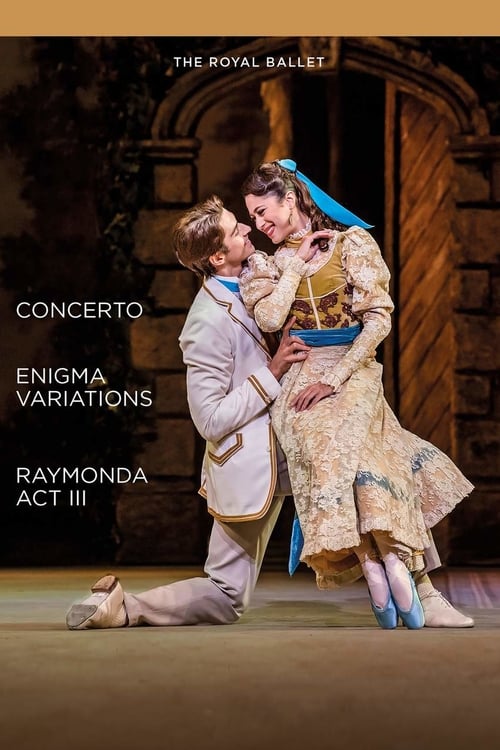
From The Royal Ballet’s classical origins in the works of Petipa, to the home-grown choreographers who put British ballet on the world stage, this mixed programme highlights the versatility of the Company. Petipa’s Raymonda Act III is Russian classical ballet summarized in one act, full of sparkle and precise technique, while Ashton’s Enigma Variations is quintessentially British in every way – from its score by Elgar and period designs by Julia Trevelyan Oman, to Ashton’s signature style, the essence of British ballet. Concerto, MacMillan’s fusion of classical technique with a contemporary mind, completes a programme that shows the breadth of the Company’s heritage.
The Nutcracker is Mikhail Baryshnikov's breathtaking and critically acclaimed Emmy-nominated production. This spectacular performance is danced by the magnificent team of Baryshnikov, one of the greatest classical dancers of the century, and Gelsey Kirkland, both showcased at the peak of their careers, with members of the American Ballet Theatre.