Eva Braun. Hitler’s mistress and eventual wife. A woman with a passion for photography and film, documenting the daily ongoings among Hitler’s inner circle. Now, a haunting look behind closed doors, uncovering the Eva Braun tapes.
Bryan J. Olson
as vyprávěč
A group of friends come up with the brilliant idea of testing the non-existent drink known as "Tea Coffee".
The life and career of the hailed Hollywood movie star and underappreciated genius inventor, Hedy Lamarr.
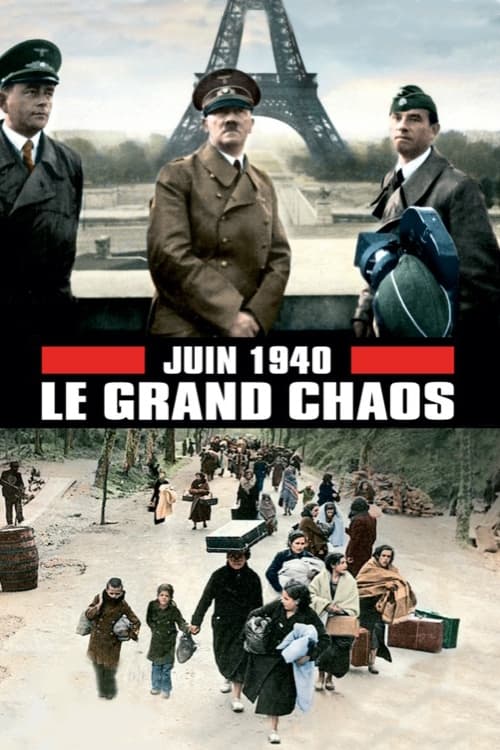
From May 10, 1940, France is living one of the worst tragedies of it history. In a few weeks, the country folds, and then collapsed in facing the attack of the Nazi Germany. On June 1940, each day is a tragedy. For the first time, thanks to historic revelations, and to numerous never seen before images and documents and reenacted situations of the time, this film recounts the incredible stories of those men and women trapped in the torment of this great chaos.
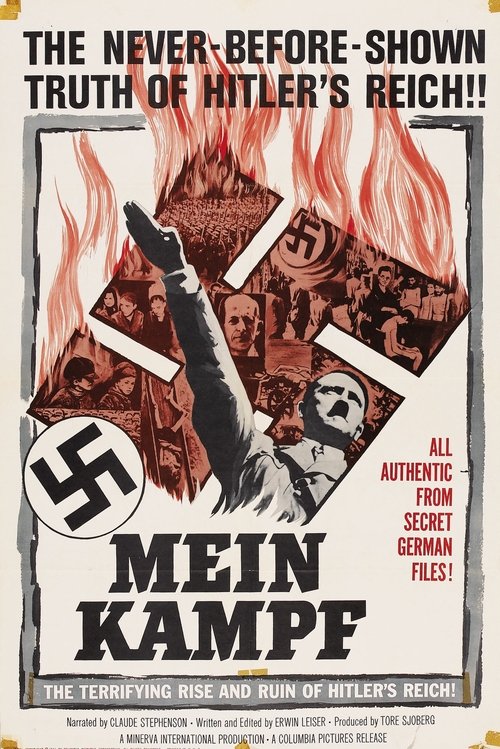
Using exclusively archival footage, Erwin Leiser traces the rise and collapse of the Third Reich, from Adolf Hitler’s early years to the devastation of Europe and his suicide in 1945. The film draws heavily on material produced and preserved by the Nazi propaganda apparatus to confront the mechanisms, imagery, and consequences of totalitarian power.
Hitler's biography told like never before. Besides brief historical localizations by a narrator, only contemporaries and Hitler himself speak: no interviews, no reenactment, no illustrative graphics and no technical gadgets. The testimonies from diaries, letters, speeches and autobiographies are assembled with new, often unpublished archive material. Hitler's life and work are thus reflected in a unique way in interaction with the image of the society in the years 1889 to 1945.
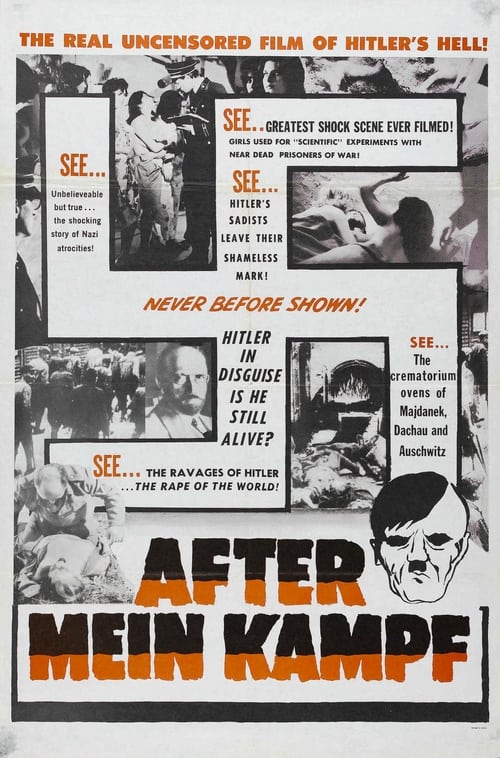
By combining actual footage with reenactments, this film offers both a documentary and fictional account of the life of Adolf Hitler, from his childhood in Vienna, through the rise of the Third Reich, to his final act of suicide in the waning days of WWII. The film also provides considerable, and often shocking, detail of the atrocities enacted by the Nazi regime under Hitler's command.
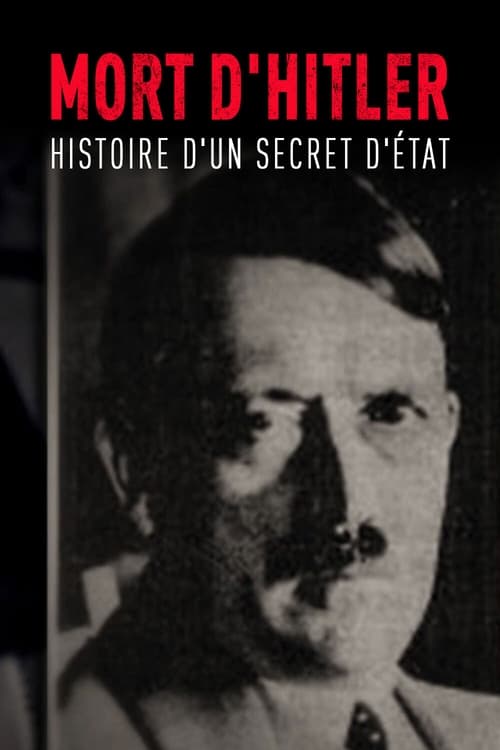
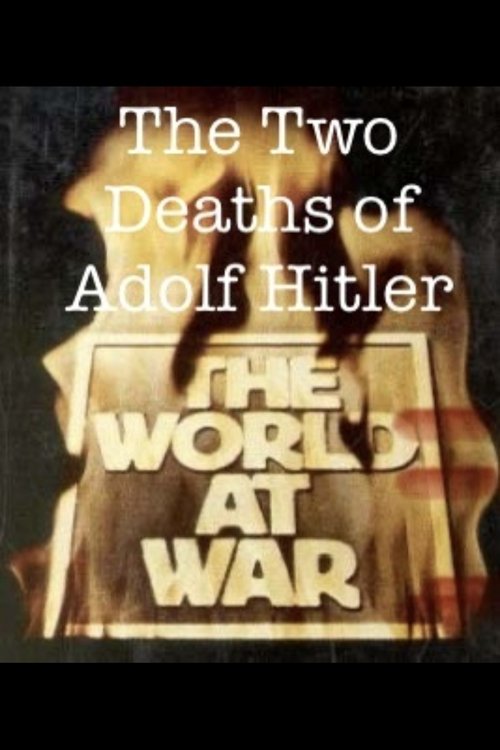
On April 30, 1945, while the Russian Army surrounded Berlin, Hitler committed suicide in his bunker. His body was discovered a few days later by the Soviets. He would be positively identified after a top secret inquest in which Hitler's personal dentist would play a central role. And yet, at the same time, Stalin publicly declared that his army was unable to find the Führer's body, choosing to let the wildest rumors develop and going so far as to accuse some of his Allies of having aided the monster's probable escape. What secrets were hidden behind this dissimulation? What happened then to the two ladies involved in the identification of Hitler’s body?
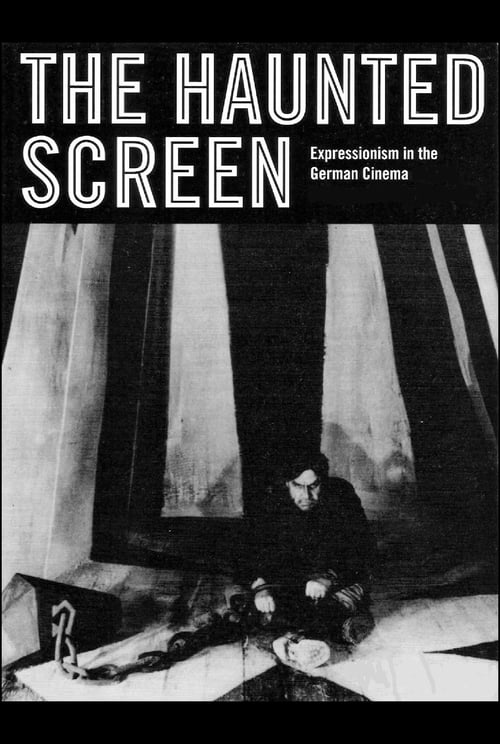
In this film essay, critic Peter Buchka explores the German cinema of the 1920s, ranging from the disquieting images of Fritz Lang's Metropolis to the castrating sexuality of Marlene Dietrich in Die Blaue Engel. The program provides an introduction to Weimar cinema, with Buchka's essay narrated over the images from film clips of 1920s era German films.
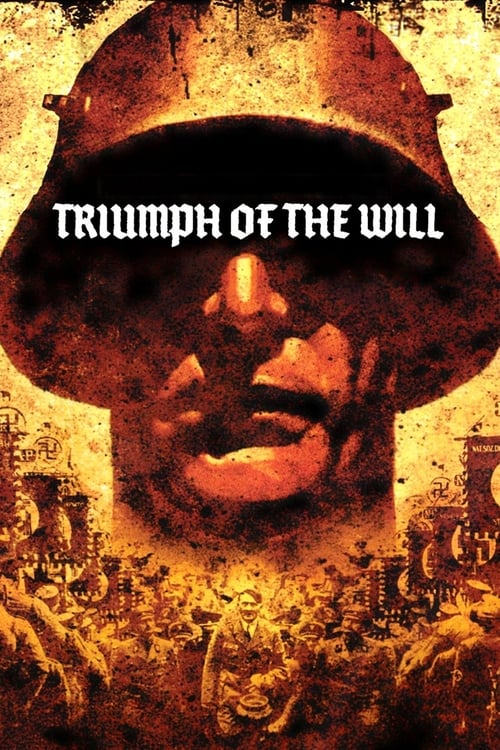
A showcase of German chancellor and Nazi Party leader Adolf Hitler at the 1934 Nuremberg Rally.
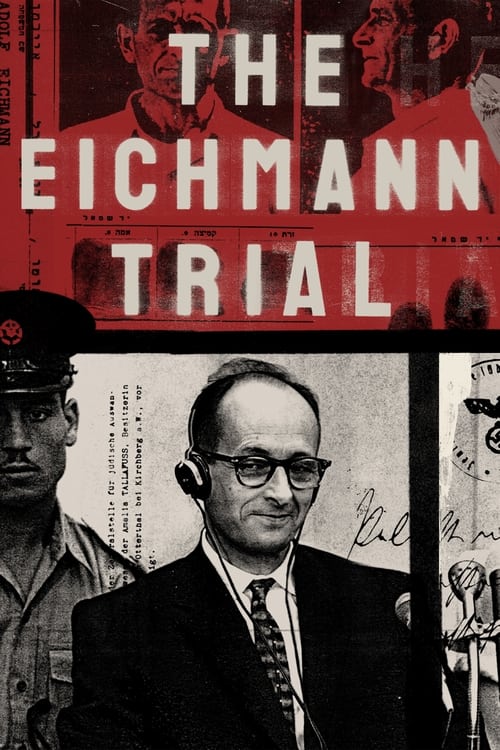
In 1961, history was on trial... in a trial that made history. Just 15 years after the end of WWII, the Holocaust had been largely forgotten. That changed with the capture of Adolf Eichmann, a former Nazi officer hiding in Argentina. Through rarely-seen archival footage, The Eichmann Trial documents one of the most shocking trials ever recorded, and the birth of Holocaust awareness and education.
Secluded deep in the Bavarian Alps, Hitler, his family, and closest allies hid away- issuing orders for armies across Europe while they relaxed, dined, and enjoyed an otherworldly peace.
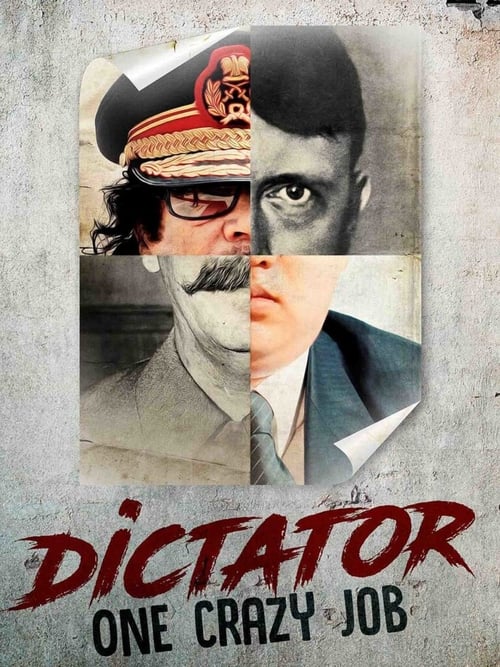
They’ve become the human face of inhuman barbarity. Leaders like Hitler, Idi Amin Dada, Stalin, Kim Jong Il, Saddam Hussein, Nicolae Ceausescu, Bokassa, Muammar Kadhafi, Khomeini, Mussolini and Franco governed their countries completely cut off from reality. These paranoid leaders were driven to abuse their power by the pathology of power itself. Dictators are driven by a relentless, thought-out determination to impose themselves as infallible, all-knowing and all-powerful beings. But they are also men ruled by their caprices, uncontrollable impulses, and reckless fits of frenzy, which paradoxically render them as human as anyone else. The abuses they committed were clearly atrocious, yet some of them were as outlandish as the characters portrayed in the film The Dictator. They sunk to depths worthy of Kafka: so incredibly absurd, they are outrageously funny.
On May 2, 1945, Soviets take control over the Fuhrerbunker. On May 5th, they find bodies of Hitler and Eva Braun buried in the garden near the bunker. Investigation of Hitler's death was kept secret until now.
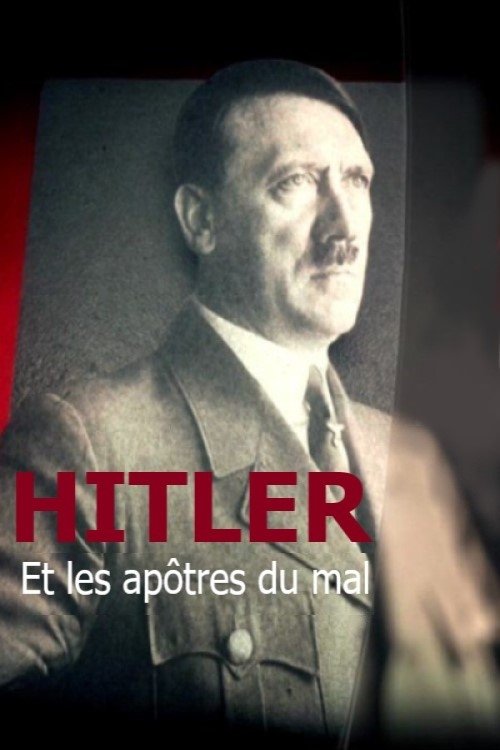
This portrait that goes against the grain depicts the Führer as a lazy, isolated leader, cut off from reality, incapable of governing without his "apostles". They are Hitler's essential ministers, advisers, rivals, courtiers. They hate each other, and the Führer puts them in competition, often to get the worst out of them. The portraits of Hermann Goering, Heinrich Himmler, Joseph Goebbels, Albert Speer but also Rudolf Hoess, the commandant of the Auschwitz-Birkenau camp, and Doctor Joseph Mengele trace the rivalries, hatreds and predations that punctuate the entire frightening epic of Nazism. This documentary is composed of a selection of archive images and testimonies from descendants and specialists of this period.
Explores how Hitler’s personal library provides a look into his mind and how it significantly informed his worldview.
National Geographic looks in some detail at 6 of the many close brushes with death Adolph Hitler had at the hands of assassins. The potential for the plots to succeed are examined as is the unpleasant fate of the would be assassins.
A double portrait of two dictators who were thousands of miles apart but were constantly fixated on each other.
Documentary about the legal system in Nazi Germany.