Dusan Vukovic publicly returned the medal of bravery awarded after his son died during the NATO bombing of Yugoslavia. In doing so he gave voice to the growing number of families who lost sons under Milosevic’s regime.
Bill Clinton
as Self
An anti-war documentary featuring original on-the-ground footage and interviews from the 1999 NATO war against the Federal Republic of Yugoslavia. Watch the 78 days of untold destruction, bombing bridges, hospitals, schools, and dropping up to 11 tons of depleted uranium across the country that NATO considers a successful “humanitarian intervention” in Yugoslavia. Filmmaker Gloria La Riva lifts the veil of imperialist propaganda to reveal the humanitarian crisis caused by the war.
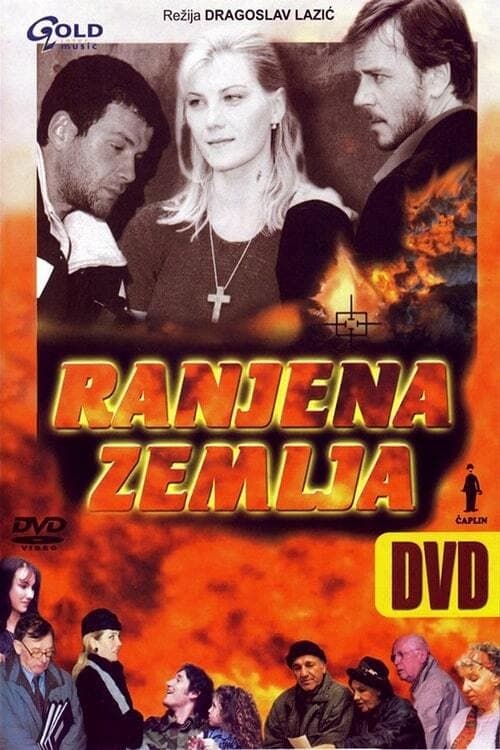
Still today, years after the war, some regions are contaminated with broken families, poverty, crime and low-grade uranium. In the middle of nowhere in Western Herzegovina, at a NATO military training range, a nine-year-old girl called Alica, together with her uncle Valentin, collects shells and scraps of grenades to sell on the black market. Valentin dies of cancer, Alica's diagnosis is not good but there's no money for therapy. Alica's journey through the Land of Wonders begins.
Stories and destinies of people hidden in underground shelter during NATO bombing of Yugoslavia in 1999.
The screenplay was written immediately after the bombing of Novi Sad, 1999, but it was only a motive to speak up about the people that were humiliated for more than ten years in various ways, and that way became the victims of wrong politics, not only Milosevic's, but Western as well. The title of the movie was born there. In the second book of Moses it is written: " An altar of earth you shall make for me and sacrifice on it your burnt offerings and your peace offerings." The people who suffered most in the wars on this territory are the ones that had no influence of what so ever on the development of situation on the Balkan. But, at the same time. there was ambitious youth, that the sense of their life in these stormy time. The film is about them and that is why it sounds optimistic. Film is about the fact that we will always have the energy to survive senseless time and live normally after that.
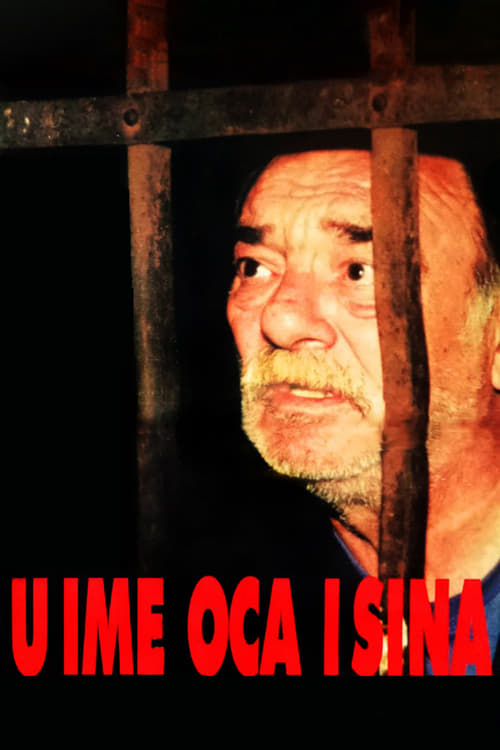
The story about typical Montenegrin family Miletic in post-war Yugoslavia, which shows personal tragedy of a father, whose only son comes back from the war as a different man.
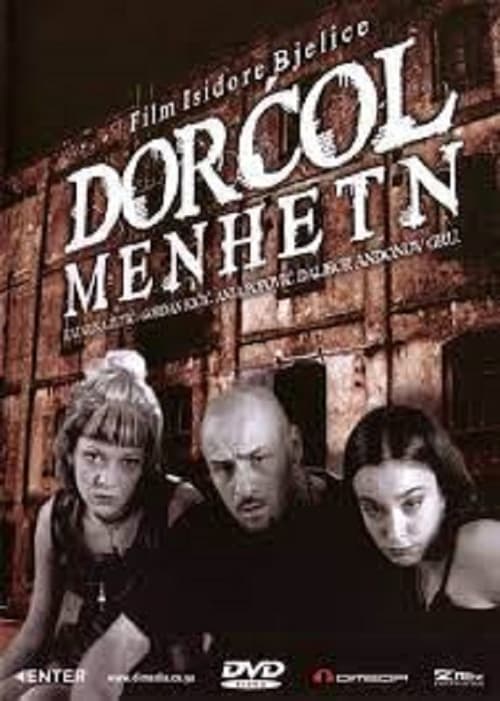
A story about two unhappy couples in love, one from Dorćol, the other from Manhattan.
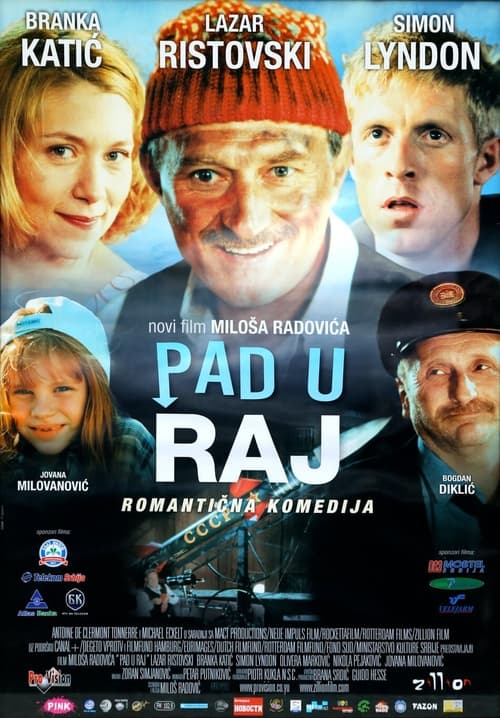
A half-mad patriot who shot Avax from the roof of his house captures its American pilot during NATO bombing of Yugoslavia in 1999. The hostage gets romantically involved with his sister while unsuccessfully trying to escape.
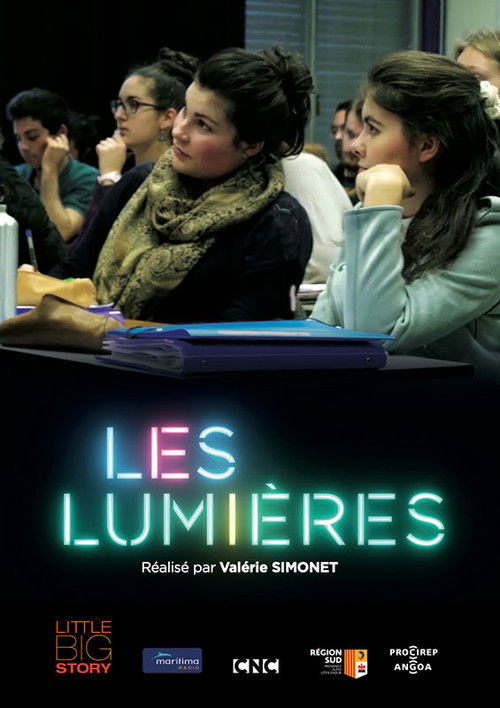
How can we rethink our ways of learning and transmitting knowledge? This film answers this question through the creation of a unique bachelor’s program: the Arts and Sciences Bachelor. The origin of this bachelor lies in the uprising against the 2009 reform of the university. During three years, students explore knowledge through the intertwining of different subjects. Indeed, they discover every aspect of color in sociology, chemistry, and literature. By following four students from their first to their third year, the film explains to the spectator how this bachelor program works. Les Lumières offers a reflection on transdisciplinarity.
A documentation and celebration of 13 years of the Horror-on-Sea film festival in Southend-on-Sea, Essex, U.K.
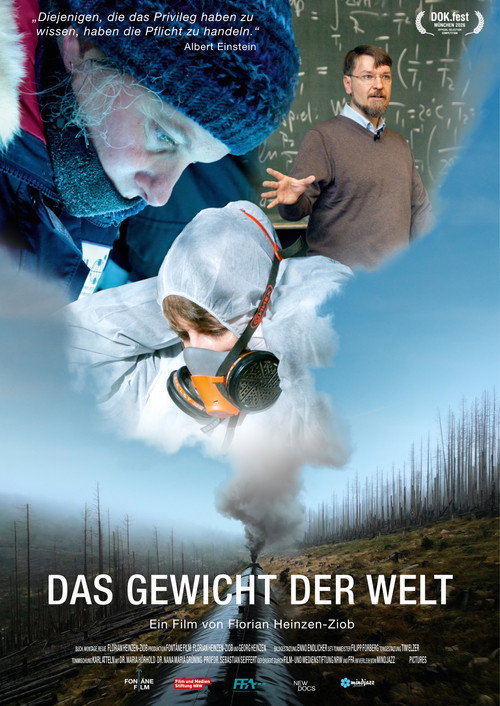
Models, calculations, samples: the facts about climate change are on the table, but politicians refuse to acknowledge them. Faced with this dilemma, three scientists decide to leave the laboratory and become activists. Maria, Sebastian, and Nana use their knowledge to maintain integrity between emotion and reason.
French documentary that explores how the third generation deals with the memory of the Holocaust. It follows grandchildren of survivors—Camille, Frankie, Théo, and Mathis—as they inherit family secrets and the responsibility of bearing witness to this trauma
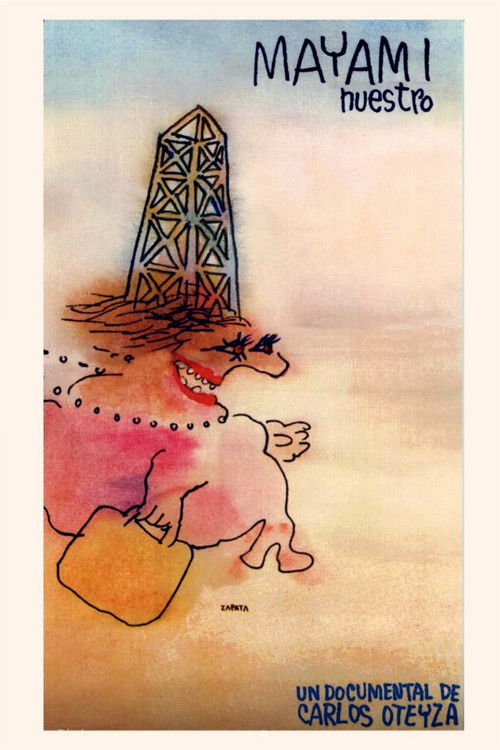
Mayami Nuestro goes beyond the slogan "tá barato, dame dos" (“it’s cheap, give me two”) to force a rethinking of Venezuela’s relationship with oil and national identity. Produced at the height of the oil boom, this 34-minute documentary examines Venezuelan lifestyles in the 1970s and early 1980s, questioning the consumerist fantasies fueled by petro-wealth. Through interviews with merchants, bankers, U.S. academics, and the testimonies of Venezuelans themselves, the film maps the era’s version of the “American Dream” as lived—and projected—abroad. Winner of national and international awards and directed by Carlos Oteyza, Mayami nuestro offers a sharp, historically grounded critique and an open invitation for new generations to reflect on the legacy of oil and its cultural consequences.