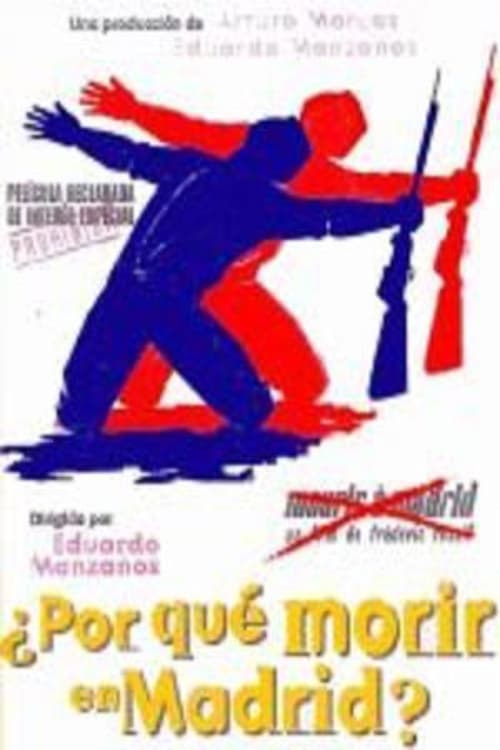
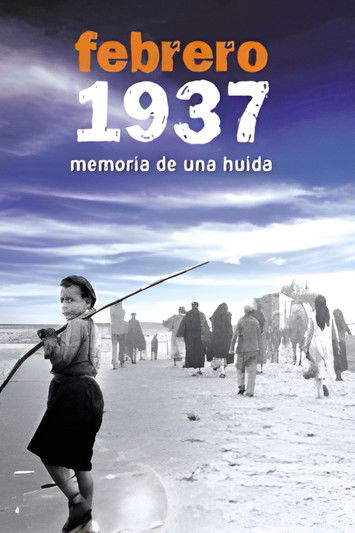
Documentary about the participation of the International Brigades in February 1937 in containing the advance of the rebel troops after the fall of Malaga.
In 1939, just finished the Spanish Civil War, Spanish republican photographer Francesc Boix escapes from Spain; but is captured by the Nazis in 1940 and imprisoned in the Mauthausen concentration camp, in Austria, a year later. There, he works as a prisoner in the SS Photographic Service, hiding, between 1943 and 1945, around 20,000 negatives that later will be presented as evidence during several trials conducted against Nazi war criminals after World War II.
While cleaning the apartment of Lucía, her deceased grandmother, Anna finds a notebook where she discovers the story of a secretly kept love, lived during the turbulent years of the Second Republic and the Spanish Civil War.
The Spanish journalist Manuel Chaves Nogales (1897-1944) was always there where the news broke out: in the fratricidal Spain of 1936, in Bolshevik Russia, in Fascist Italy, in Nazi Germany, in occupied Paris or in the bombed London of World War II; because his job was to walk, see and tell stories, and thus fight against tyrants, at a time when it was necessary to take sides in order not to be left alone; but he, a man of integrity to the bitter end, never did so.
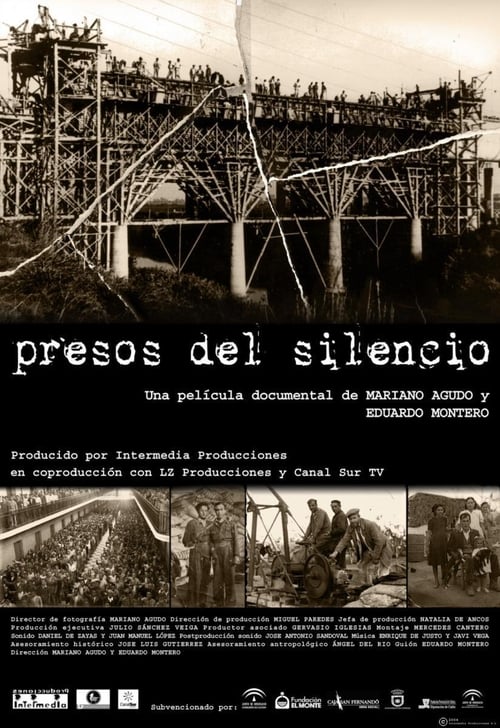
In the mountains of Madrid, Spain, a railway track on an abandoned bridge and a poem erased from the wall of a ruined building reveal a deliberately silenced story: the system established by Franco's dictatorship after the civil war (1936-39) that allowed hundreds of companies to use thousands of convicted Republicans as slave labor.
The amazing story of Cifesa, a mythical film production company founded in Valencia by the Casanova family that managed to dominate the box office during the turbulent times of the Second Spanish Republic, the carnage of the Civil War and the hardships of the long post-war period and Franco's dictatorship — and survive until the sixties, when Spain was timidly beginning to change.
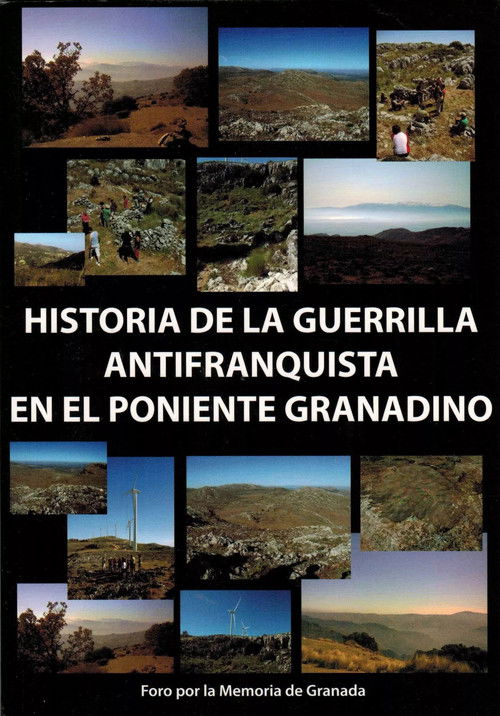
History of the anti-fascist guerrilla resistance in Granada.
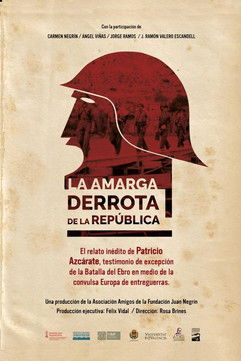
The film, which shows the Battle of the Ebro and the last days of the Spanish Civil War, is an unpublished story by Patricio Azcárate (London, 1920- Alicante, 2018), son of the ambassador of the Second Republic in London, Pablo de Azcárate. Patricio Azcárate participated as a volunteer in the Ebro where, due to his knowledge of languages, he was assigned to the General Staff and served as a translator with the brigade members.
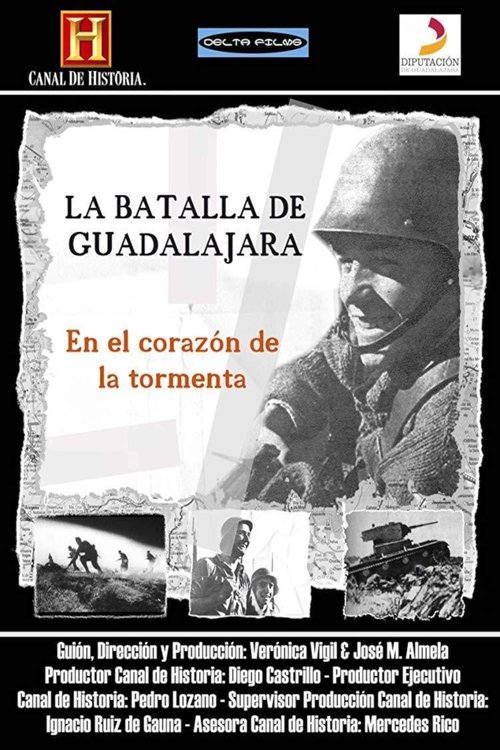
Documentary about the battle of Guadalajara which took place in March 1937 during the Spanish Civil War and was the last major victory of the Republican Army.
Documentary about the last days, death and subsequent search for the remains of Federico García Lorca.
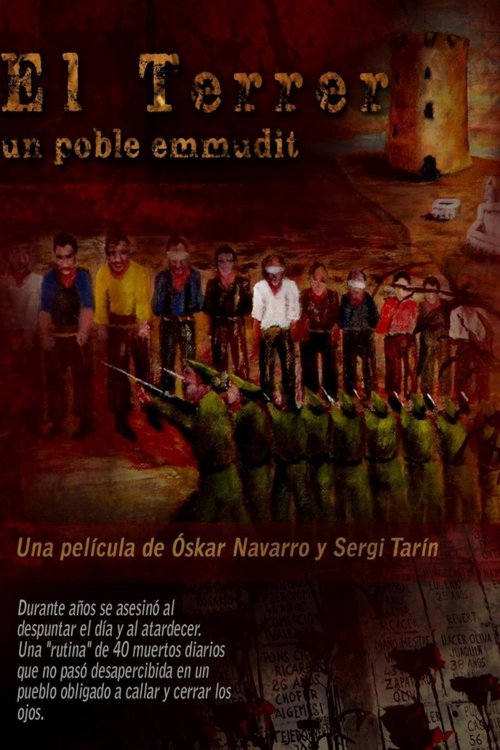
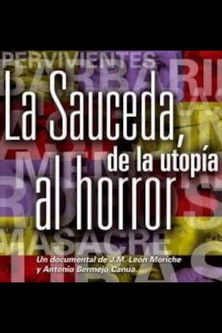
Documentary filmed between September 2012 and March 2013. It tells the story of a valley in the mountains that extends through the north of the provinces of Cádiz and Málaga, the last Republican bastion in the area when Franco's troops already occupied all of them. the nearby regions. La Sauceda was bombed and the town destroyed forever by the air force and four columns of Franco's army. The survivors were locked up in the Marrufo farmhouse, in the municipality of Jerez de la Frontera, where five or six people were shot every day. With the testimonies of the interviewees, everything that happened in those months from the summer of 1936 to the winter of 1937 is reconstructed and the work carried out by the Forum and the Association since 2011 to locate the mass graves is also narrated, in which in the summer of In 2012, the bodies of 28 people were exhumed.
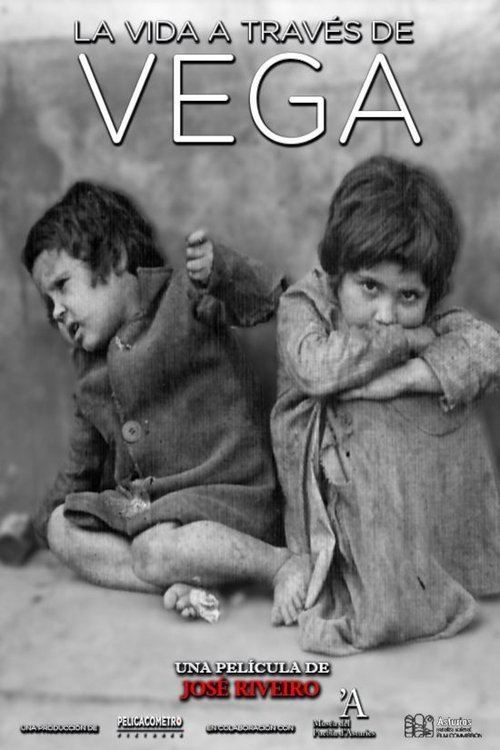
The Asturian Valentín Vega is considered one of the most relevant photographers of the last century. He knew how to portray all the essential elements of daily life like no one else and at the same time exercise a devastating display of social criticism. After spending three years in prison for his political affiliation and managing to establish himself as a street photographer, he would continue to offer an unusual image of reality and daily life from the 1940s onwards.
September 1936. The last republican towns located next to Portugal are conquered by General Franco's troops. As in Badajoz and other towns, the repression they unleash is brutal. The support of the Portuguese dictator Salazar for the coup plotters does not make it advisable to flee to Portugal, but for many it is the only way out. In this way, hundreds of people decide to cross the border, closely pursued by the rebels. The usual procedure of the Portuguese authorities is to hand them over to their Francoist allies. However, thanks to the humanitarian intervention of the Portuguese lieutenant António Augusto de Seixas, two refugee camps were created next to the town of Barrancos to house and protect this group of Spaniards.
Documentary about the anarchist general Antonio Ortiz.
The story is set in six key scenarios of the conflict in the region: Bielsa, Barbastro, Belchite, Caspe, Teruel and Alcañiz. On this tour we find abundant remains of the war in the landscape and numerous testimonies that narrate this journey through our history.
Between 1939 and 1956, the Franco regime shot more than 2,000 republicans in Paterna. They were years of terror, of silence, of arbitrariness, of planned and systematic elimination of any progressive vestige. The documentary portrays the collective effort of the people of Paterna to recover the memory and dignity of those who died defending democracy. Shown through the point of view of those protagonists who were silenced and those voices condemned to oblivion.
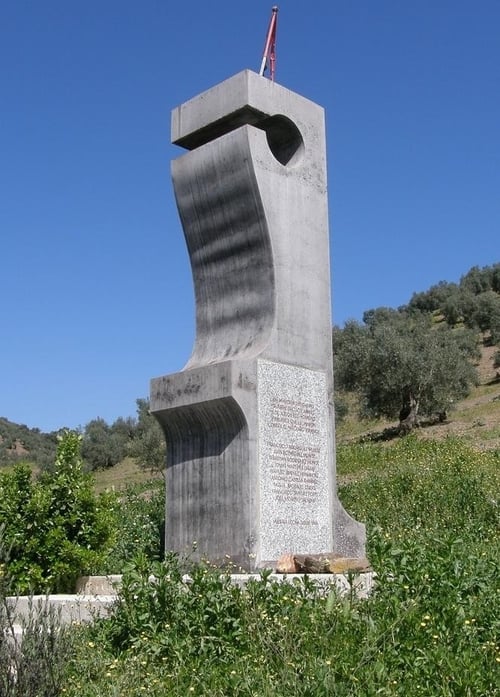
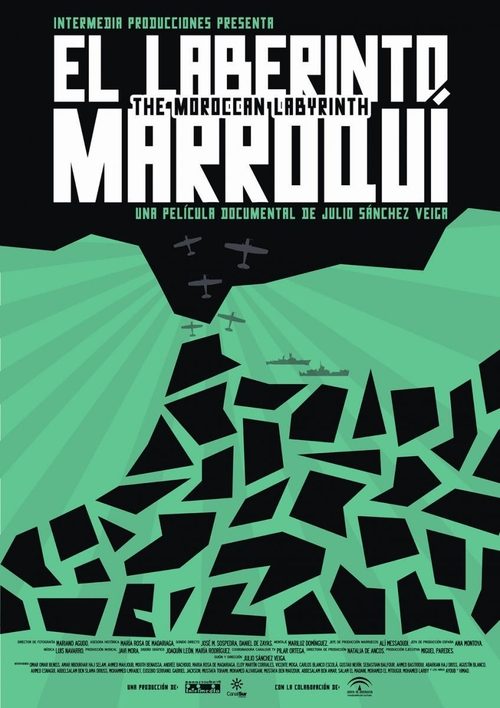
The documentary captures one of the most silenced chapters of the Civil War in Malaga. In fact, barely a line appears about this massive exodus in the history books. However, despite the passage and silence of seven decades, that event remained very much alive within numerous Malaga families.