Mestre Gerson Paulino dos Santos
as
Dominícia Maria dos Santos
Aline Honorato da Silva
Alisson Paulino dos Santos
Ana Beatriz Teixeira dos Santos
Ana Carolaine Teixeira dos Santos
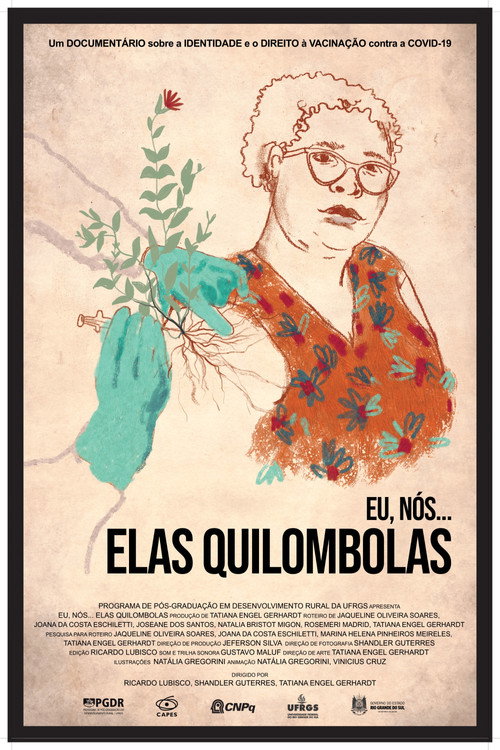
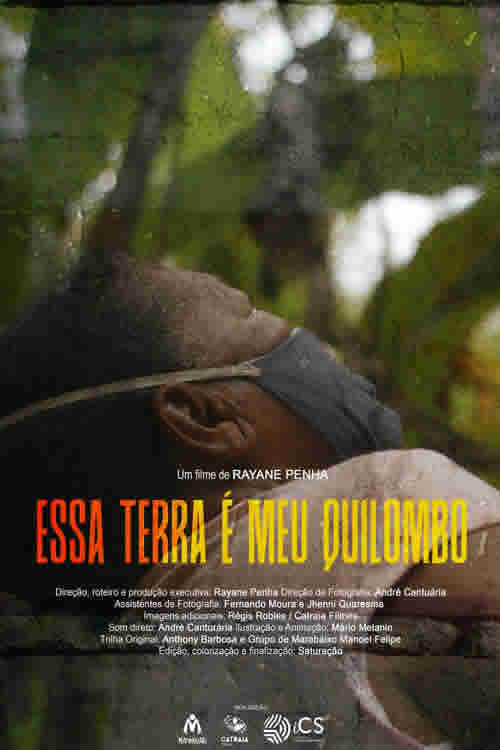
A documentary about identity and the right to Covid-19 vaccination for Quilombolas. We arrived at the Morro Alto quilombo exactly one year after the administration of the first dose of the Covid-19 vaccine was completed for the quilombola population. The vaccine arrives in the territory based on the count of available doses and the "number of arms" of people belonging to the quilombola community. Quilombola territoriality demonstrates that numbers and headcounts are not enough for the recognition of Quilombolas, whose identity encompasses kinship ties sustained by ancestry, affection, solidarity, and the connections between land and people, which structure and strengthen the sense of belonging and permanence in the territory. Therefore, these are arms that speak of bonds, histories, memory, identity, and the struggle for recognition, making up the doses that reach the descendants of the Morro Alto quilombola community.
The documentary "Caixa D'água: Qui-lombo is this?" It reports, through testimonies from former residents and photographic collections, the importance in the cultural and historical scope of the Getúlio Vargas neighborhood located in Aracaju, capital of Sergipe. Emphasis is placed on black culture and the presence of black slaves and their descendants, with the rescue of issues related to their origin, orality, geographical location and awareness of their racial identity, showing that, although this community exists in an urban area, it still maintains many aspects of the quilombo life of the former black slaves in Brazil.
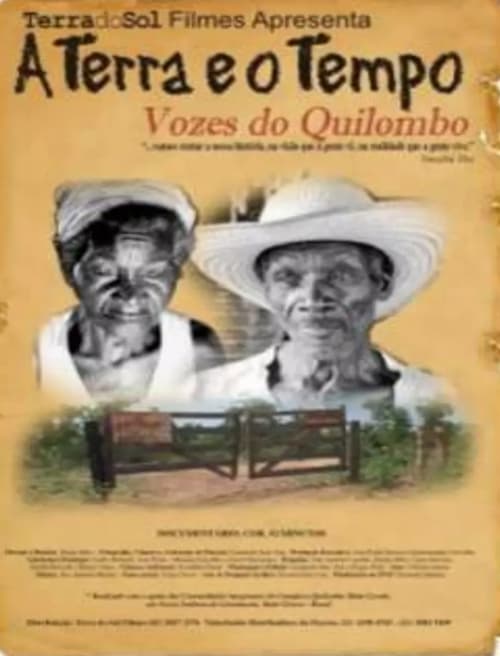
Documentary realized in the Quilombola community Serrote do Gado Brabo, Pernambuco. Here are their stories and struggles.
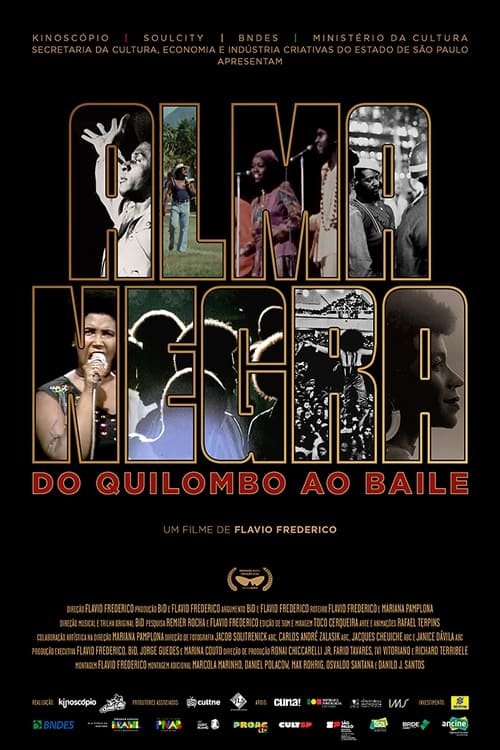
A deep dive into Afro-Brazilian culture, exploring the trajectory of soul music in Brazil from the late 1960s to its peak at "black balls" in the following decades. Through the lens of intellectuals such as Beatriz Nascimento, Lélia Gonzalez, and Edneia Gonçalves, the documentary recovers and celebrates the importance of these parties as spaces of resistance and affirmation of Black identity in Brazil, connecting Quilombola traditions to contemporary urban culture.
Lambe sujos X Caboclinhos is a documentary that addresses the characteristics, contradictions and conflicts of the folk manifestation Lambe sujos x Caboclinhos, an open-air street theater in which the battle is staged between negroes fled from the senzala and Indians who were hired by the lord of ingenuity to capture them and bring them back to the slavery.
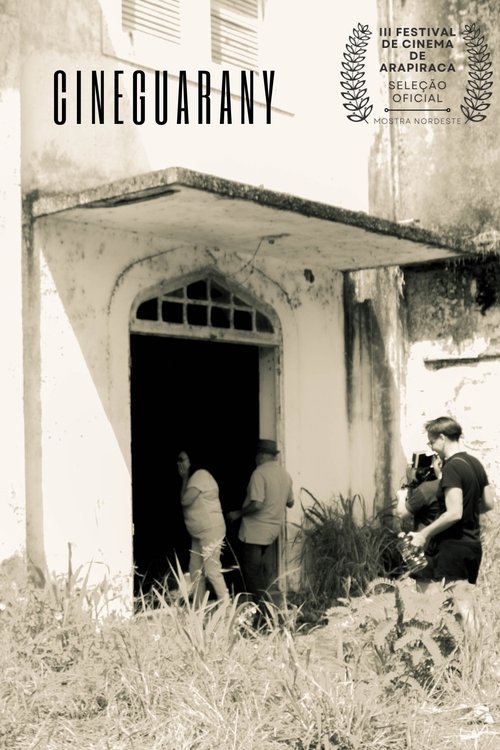
First feature film in Alagoas state, Brazil. A girl waits for a streetcar. A gentleman offers her a ride. In front of her home, he invistes her for a walk at sunday.
Education is a caged bird. This short film pays homage to experimental cinema, which is characterized by the absence of narrative, lack of focus, paint or scratches on the screen, abrupt cuts and asynchronous sound. With the aim of redefining our way of seeing, exploring new spatial and temporal concepts.
At a construction site, a delivery man lunches with his bricklayer friends and watches a crossfire between the engineer and the foreman.