In an alternative Sámi universe, the primordial knowledge of colonialism has been removed. The journey to the heart of the land is exciting, meditative and without a shred of hurry.
Mihkkal Hætta
as
Gáddjá Haarla Pieski
Hildá Länsman
A man finds some glasses on the ground. When he puts them on he is transported into a Sámi world.
Off The Mark is a documentary about a world-first dog sled expedition in Finnmark, Norway, in the middle of the polar night in search of microplastics and indigenous solutions to the climate crisis.
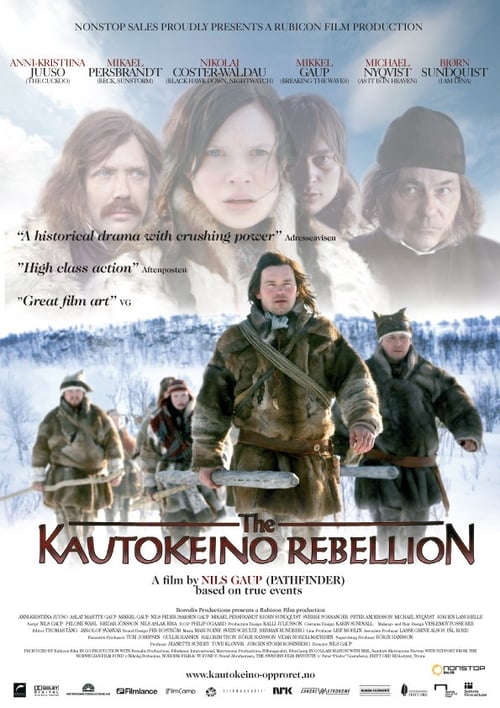
Religious and cultural reawakening inspires rebellion in a 19th century Norwegian village.
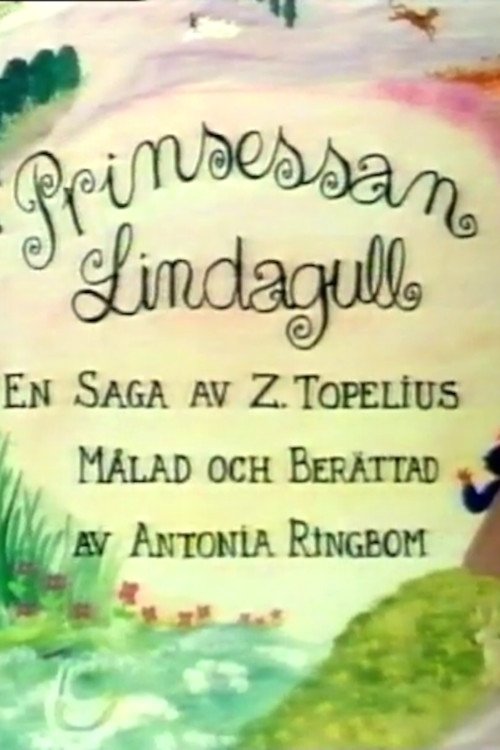
The Persian ruler Shah Nadir has only one daughter. Princess Lindagull is kind-hearted, but feels trapped in her palace life. The vengeful King Bom-Bali sends a Lappish witch disguised as a tiger to kidnap the beloved Princess.
In the film about "the land of eternal light and eternal darkness" we meet some women who talk about their lives. The women have all grown up in reindeer herding families and as children they lived in kotas, moved with reindeer and lived a life in nature. Their own children, on the other hand, have grown up in "normal" Swedish society. None of them have lived like their parents. The film addresses Sami culture, language, school. How modern technology has affected the lives of the Sami.
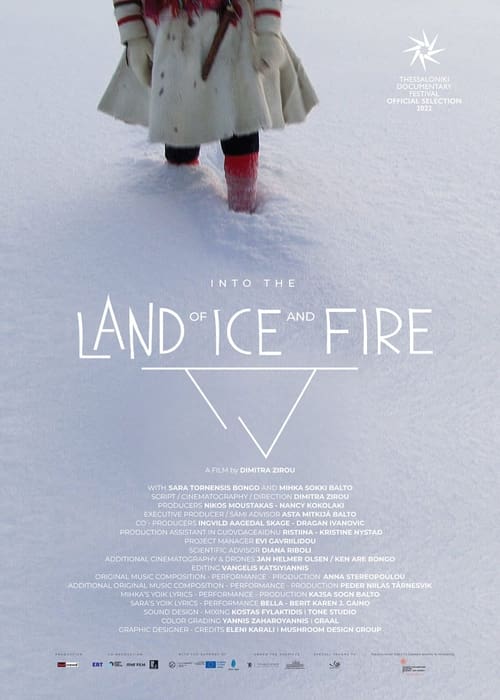
Two parallel stories are gradually unfolding the everyday life of two very different persons - that of 86-year-old Sara and 7-year-old Mihka - both residing in Guovdageaidnu - Kautokeino, in the middle of the Norwegian arctic tundra, through the drastic change of the arctic seasons and the passage from the long winter’s darkness to the never-ending light of the summer season.
Wildlife cameraman Gordon Buchanan travels to the frozen north, deep inside the Arctic Circle, to meet the ancient Sami people and the animals they hold so close - reindeer.
An essay film about how it may feel to grow up as a young Sami in Sweden, with poetry written by Ella-Maria Nutti and graphics by Irma Bergdahl. The partying of a typical teenager together with the labels put on you that wont go away, the questions which are thrown on you as knives in the back. A tribute to our ancestors who fought for our rights and a declaration of love to the young Samis who continues to fight
When Mats' grandfather dies the family opens a wooden box containing evidence of the family's Sami heritage. Why has this been kept secret? Why did they stop being Sami? And why do they know so little about their history?
The documentary Rap and Reindeer follows the life of 18-year-old Sámi rapper Mihkku Laiti, who lives in the northernmost corner of Sámiland. The film is a coming-of-age story, following Mihku on his journey towards a career as a musician and rise to stardom in the midst of varying expectations. He’s charmed the crowd on Talent Suomi and proudly wears the Sámi clothing he has styled himself. He raps and yoiks in harmony, designs his own brand on his computer but also masters the skill of laborious reindeer herding. Above all, he sees his own unique roots and the Sámi language as his greatest strength. The future makes him wonder: to follow his father’s footsteps or to reach for his dreams.
A woman returns home to her father and childhood home, after being gone for over 20 years. Her purpose for the visit is to deliver the message that her fathers former wife has passed away.
The year was 1916, we follow Sire’s everyday life, until her final moments. We are a part of her little world and get to see how big that little world can be. How rich it’s in emotions, sounds and memories. Sire reminds us of life, not death. She was my Máttaráhkku, great-grandmother, and my grandfather was 10.
Sami reindeer herders win a Supreme Court victory against Europe’s largest wind farm - but when the state refuses to act, their fight reveals a deeper crisis of justice and trust.
The fate of a culture lies on the shoulders of few determined individuals.
A young woman struggles to defend her Sámi heritage in a world where xenophobia is on the rise, climate change is threatening reindeer herding, and young people choose suicide in the face of collective desperation.
The movie takes place during World War II and depicts the true story of Jan Baalsruds amazing escape from the German army from the coast of Northern Norway and across the border to the neutral country Sweden.
Also known as Reindeer Time and Inheritance, this 9-minute short by Arne Sucksdorff documents the Sámi people’s autumn migration as they guide their reindeer herds back to the forest lands. Blending ethnographic observation with lyrical nature imagery, the film follows the reindeer through mountain landscapes, calving, herding, and branding, underscoring the deep interdependence of humans, animals, and the northern environment.
Iida, an elderly Sámi woman, who has abandoned her roots under the pressure of forced Finnishization, is conflicted between selling her old homestead and hiding her cultural heritage from her niece, as the rural way of life she has suppressed begins to creep back in.
During summer 1979, Ester moves to Alta in Northern Norway to begin teaching at an elementary school. Like many Sámi at the time, she is ashamed of her heritage and conceals her ethnicity. Ester goes to great lengths to fit in, even joining in with the derogatory jokes. When her cousin Mikkhal takes her to a camp by the Alta River, where people are demonstrating against the building of a dam, Ester learns how the fight for the river is also a revolt against the years of brutal racism and discrimination against her people. After a major confrontation with the police, Mikkhal and some other Sámi decide to go to Oslo to hunger strike in front of the Parliament. Knowing what is at stake, Ester realises it is time to make a stand…