Three men seeking asylum in Ireland find themselves on the streets, caught between restrictive migration policies and an increasingly aggressive far-right movement. Dennis Harvey captures an explosive sequence of events on the streets of Dublin.
Simon, Sami & Hasiballah
as themselves
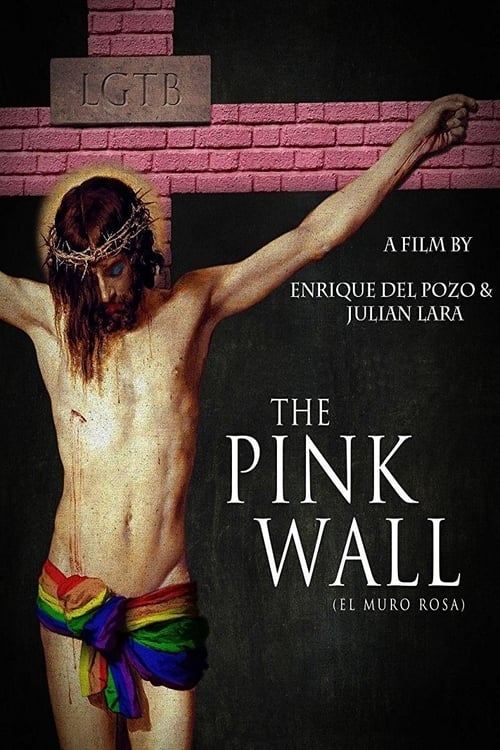
The historical memory of torture, persecution and killings of homosexuals and lesbians in Spain during Franco's dictatorship provides an opportunity to tell about discrimination and homophobia in the rest of the world. Those who lived through that period recall times when being gay was a crime and the Church was completely indifferent; even the movie (and the fashion) world turned their backs. Today Spain is actually a model for enlightened social attitudes and for the freedoms achieved by the GLBT community. So it is important to remind the young of the high price paid by the older generations. One of the directors of the film, Enrique del Pozo, is a singer and actor who is openly bisexual and very famous in Spain.
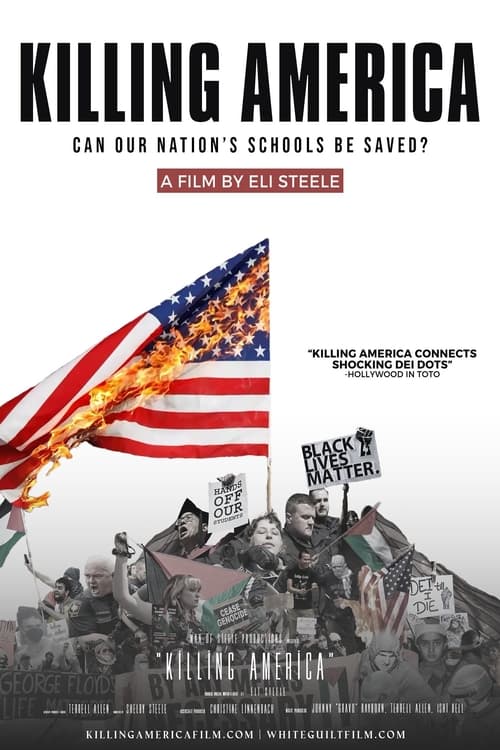
A 38 minute documentary that investigates why antisemitism exploded in Bay Area High Schools after Hamas attacked Israel on October 7. This comes after years of anti-Asian hate and anti-white hate.
Winner of the New York LOVES Film Award at the Tribeca Film Festival in 2008. Filmed over the course of nine years, Zoned In traces the remarkable real-life journey of 16-year-old Daniel from a Bronx high school to an Ivy League university while simultaneously exploring the role of race and class in the American education system. Narrated by Daniel himself, the movie celebrates the accomplishments of this extraordinary young man but does not shy away from depicting his struggles to fit in amongst the privileged students at his college and his candid questioning of a system that has allowed him to excel but has left so many of his friends and family members behind.
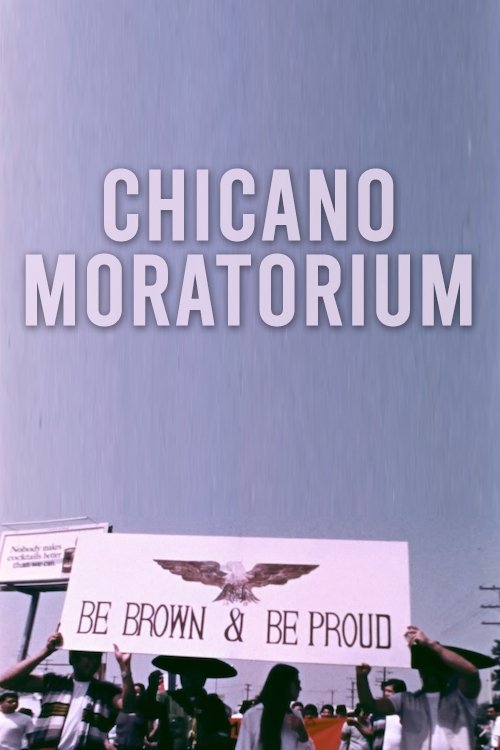
On August 29, 1970 in East Los Angeles, a peaceful march of over 20,000 Chicanas/os, united in protest against the Vietnam War as part of the National Chicano Moratorium movement, was violently interrupted by an extreme, unjustifiable response by law enforcement. The tragic events of that day left four dead. Chicano Moratorium: A Question of Freedom is a harrowing, eyewitness documentary of the events of August 29, 1970 and their immediate aftermath, including the murder of Chicano journalist, Ruben Salazar. In contrast to biased TV news reports of the period, this student-made short offers an impassioned, unvarnished community account of the unrest and violence unleashed by the Los Angeles Sheriff’s Department in response to the otherwise peaceful march in protest of disproportionate Chicano casualties in the Vietnam War.
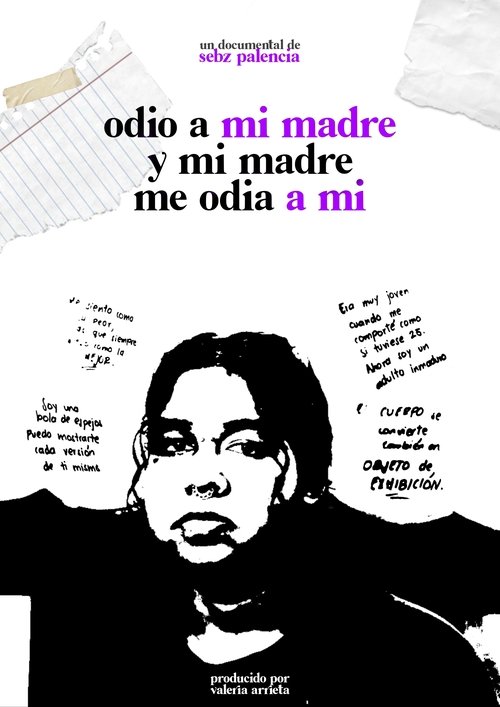
Sebz traces an intimate and heartbreaking journey through her past and present, exploring the nuances of her identity as a non-binary, black, asexual trans person. Through an introspective narrative, Sebz reflects on the abuse she suffered as a child and the revelation that these experiences were not unique, but also familial. In a space where memory and reality intertwine, Sebz confronts her relationship with her mother, a complex connection torn between rejection and a search for understanding, accentuated by tensions of gender, sexuality and shared trauma. This short queer documentary is an honest and courageous portrait of wounds, family ties and the resilience that defines those who seek to exist beyond social impositions.
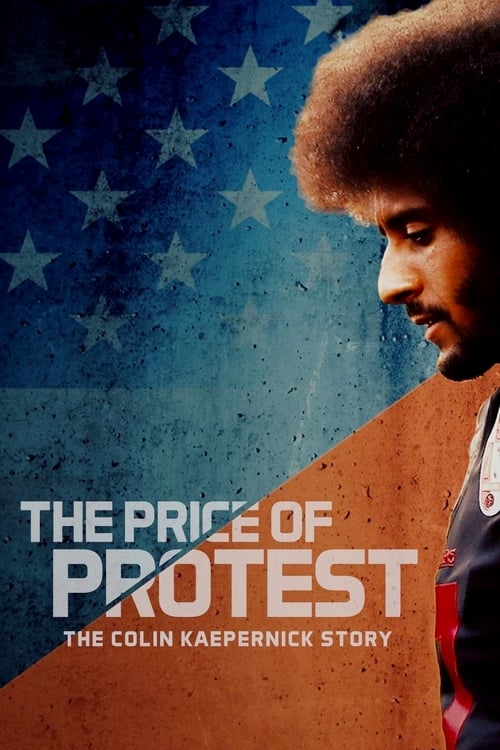
United States, September 1st, 2016. American football player Colin Kaepernick kneels during the national anthem, protesting police brutality against black people. Part of the population regards the gesture as an unacceptable affront to the flag. Later, he loses his place on his team. Today, however, he is considered by many as a true hero.
On November 25, 1973, the first of four car-free Sundays transformed West Germany's deserted highways into spaces for walking, cycling, and horse-drawn carriages, while towns and cities took on a festive atmosphere. Introduced during the oil crisis to conserve fuel after the Arab oil embargo and production cuts following the Yom Kippur War, the measure became an unforgettable collective experience. Beyond the immediate energy shortage, the crisis marked a turning point, ending the postwar economic boom and encouraging greater awareness of energy use, consumerism, and environmental issues.
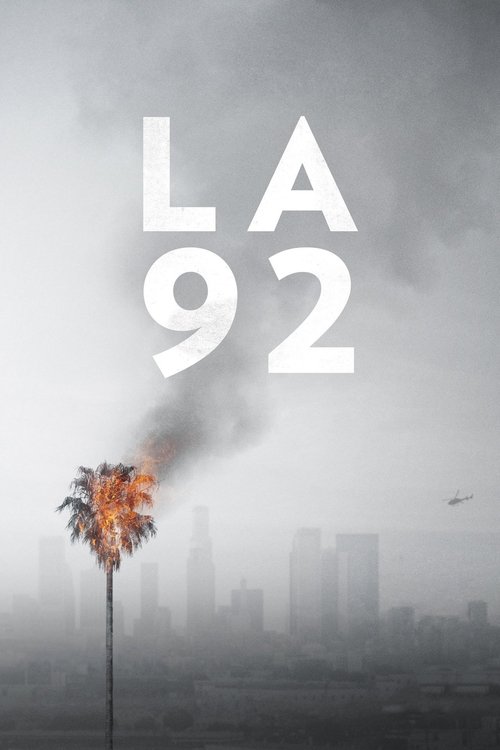
Twenty-five years after the verdict in the Rodney King trial sparked several days of protests, violence and looting in Los Angeles, LA 92 immerses viewers in that tumultuous period through stunning and rarely seen archival footage.
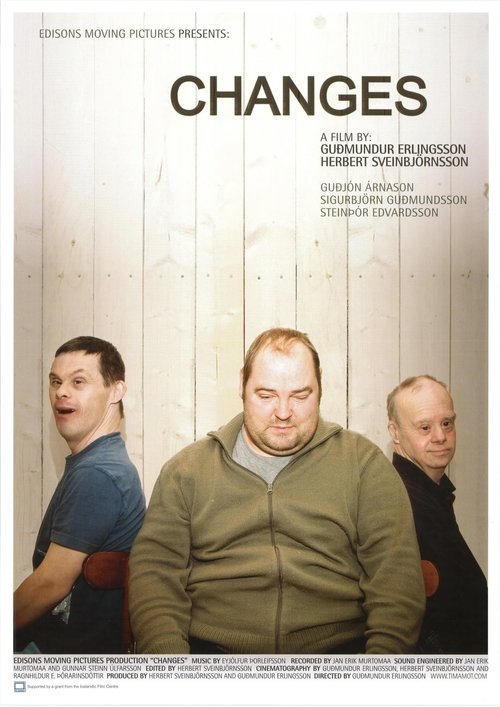
Tímamót, or Changes in English. An upbeat, heartwarming story about Gudjon, Sigurbjorn and Steinthor who lived together for decades along with several other inhabitants in the Tjaldanes Institution, in a peaceful valley close to Reykjavik. When a decision is made to close down the institution, their life takes an unexpected turn and they discover a new side to life and to themselves.
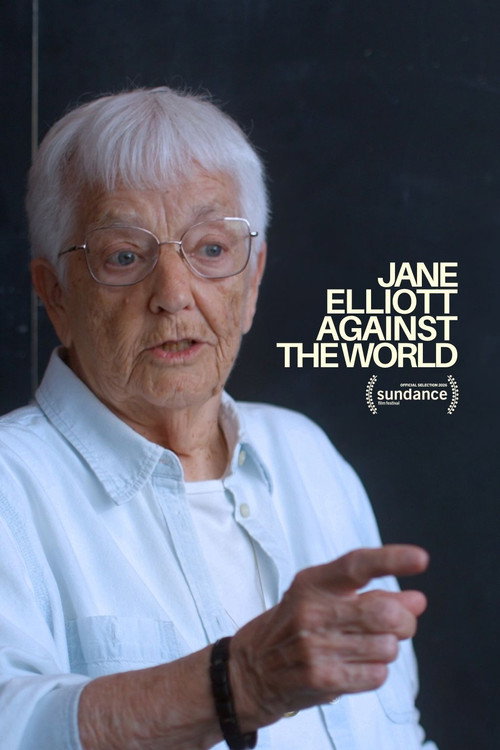
A rural Iowa schoolteacher becomes a national voice against racism after leading a controversial 1968 lesson in discrimination with her all-white third-grade class. Now nearly 90, she refuses to hold back amid today’s fights about race, history, and power after a lifetime of speaking out.
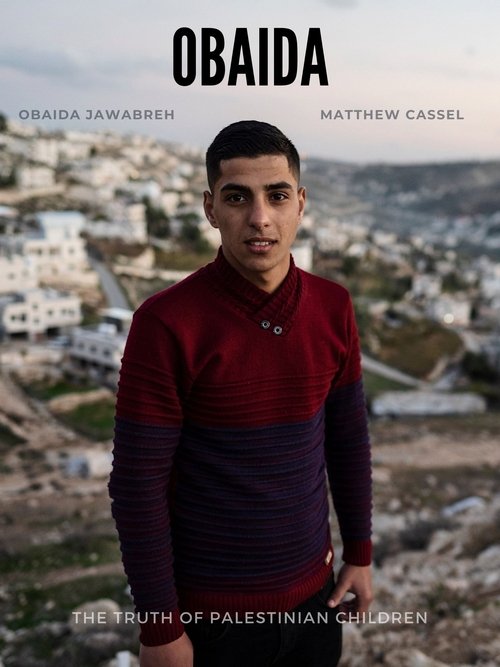
OBAIDA, a short film by Matthew Cassel, explores a Palestinian child’s experience of Israeli military arrest. Each year, some 700 Palestinian children undergo military detention in a system where ill-treatment is widespread and institutionalized. For these young detainees, few rights are guaranteed, even on paper. After release, the experience of detention continues to shape and mark former child prisoners’ path forward.
Immigrant workers build a shopping mall for the upcoming 1972 Olympic Games in Munich. In 2016, nine people with migrant backgrounds are killed in a racist attack at the same mall.
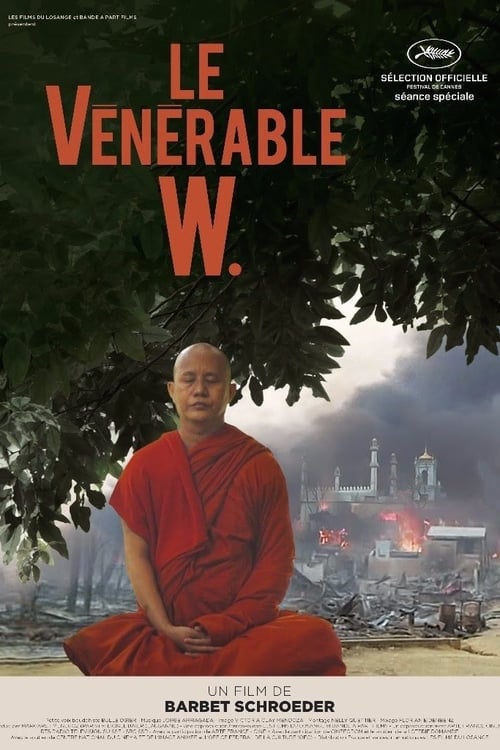
A view of the religious tensions between Muslims and Buddhist through the portrait of the Buddhist monk Ashin Wirathu, leader of anti-Muslim movement in Myanmar.
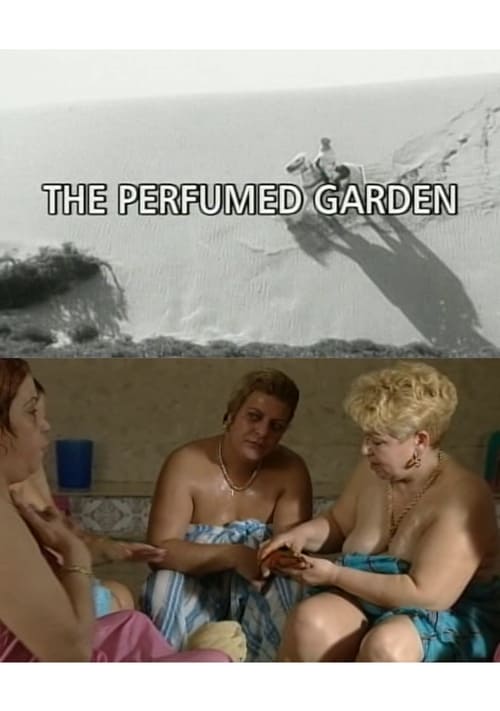
THE PERFUMED GARDEN is an exploration of the myths and realities of sensuality and sexuality in Arab society, a world of taboos and of erotic literature. Through interviews with men and women of all ages, classes, and sexual orientation, the film lifts a corner of the veil that usually shrouds discussion of this subject in the Arab world. Made by an Algerian-French woman director, the film begins by looking at the record of a more permissive history, and ends with the experiences of contemporary lovers from mixed backgrounds. It examines the personal issues raised by the desire for pleasure, amidst societal pressures for chastity and virginity. The film discusses pre-marital sex, courtship and marriage, familial pressures, private vs. public spaces, social taboos (and the desire to break them), and issues of language.
Brazil from the perspective of school pupils aged 14 to 19. Combining a documentary with a fictional approach, Hora do recreio addresses topics including violence, racism and drug dealing.
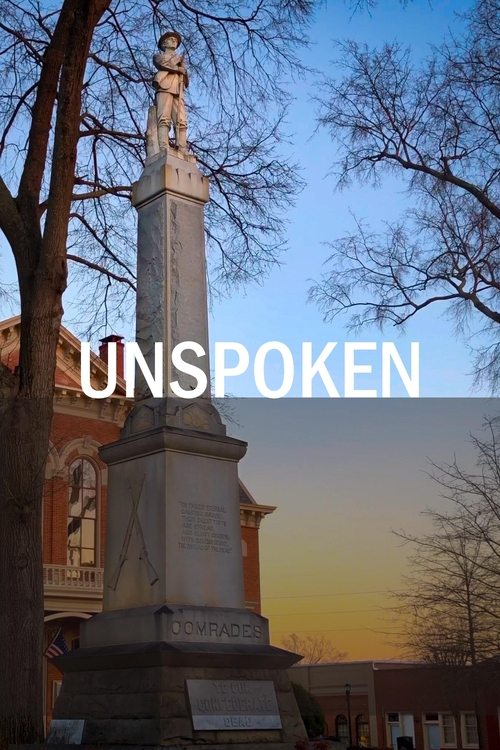
An intimate insider’s journey to uncover buried truths and explore how the community in Monroe, Georgia has been impacted by the 1946 quadruple lynching and decades of racial injustice, shattering a code of silence that has distanced neighbor from neighbor for generations.
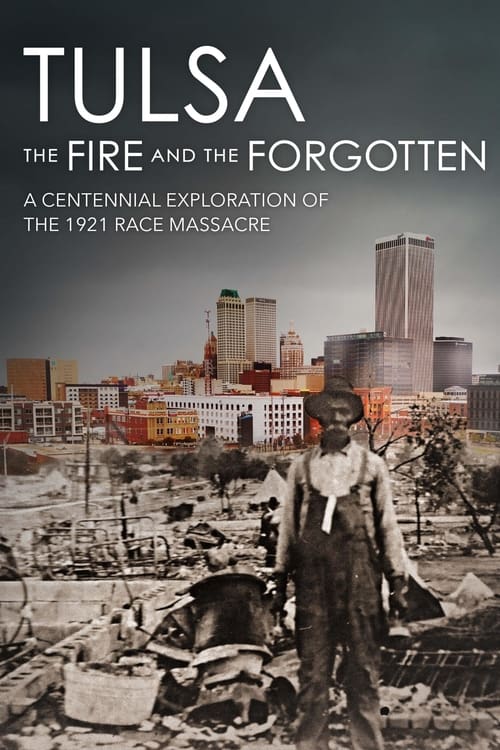
Learn about the 1921 Tulsa Race Massacre, on the one hundredth anniversary of the crime, and how the community of Tulsa is coming to terms with its past, present, and future.
Found footage: California in the 1950's and 60's. A young Indian couple enjoys their personal American dream come true in their home somewhere in the suburbs of San Francisco. In great detail they pose with their newly achieved wealth in front of their Super-8 camera. Just like postcards, they would send these film rolls to their joint families back in India. Around the same time, an American missionary couple visits the city of Calcutta to shoot a Christian propaganda film. The drastic reality with poverty and famine in the streets of the Indian metropolis fits perfectly into their wicked plan: To promote the faith in Jesus by showing the misery that pagan believers are doomed to suffer from.