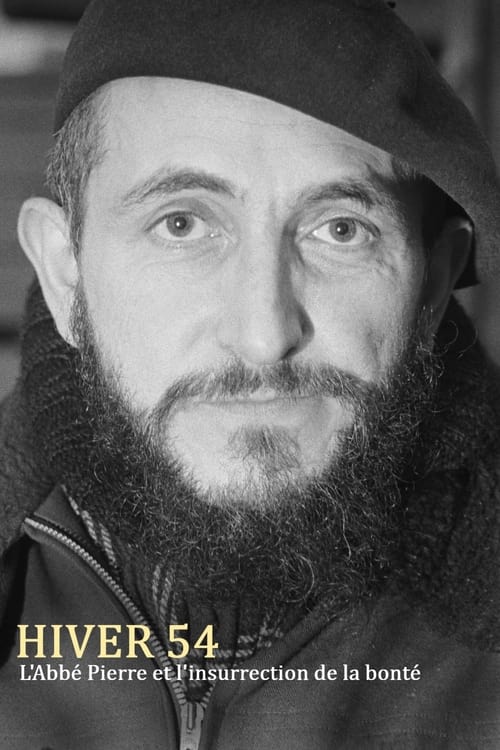
Angel Page
as Himself - subject
Antoine Page
as Narrator / himself (voice)
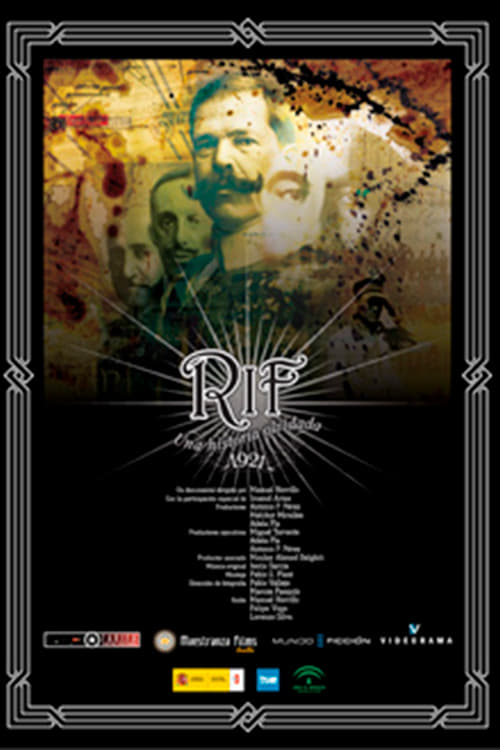
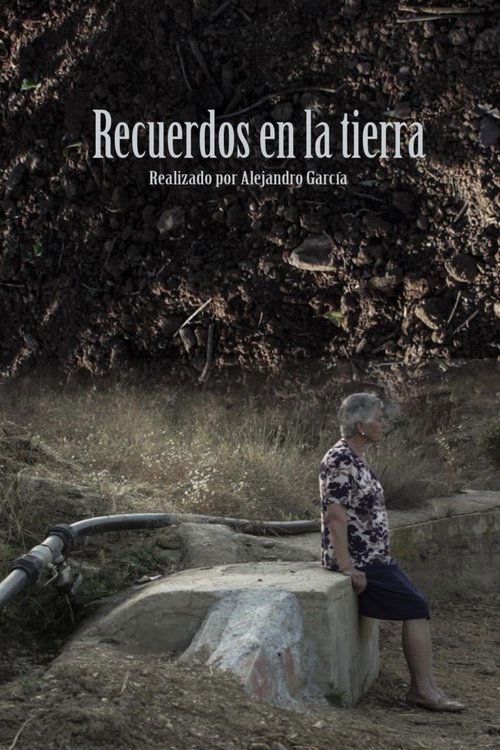
Manuel Horrillo has visited for 7 years the fields where the clashes between the Spanish troops and the rebels of the protectorate took place during the so-called Rif War, a forgotten war of the Spanish collective imaginary.
25 years ago, Viagra kickstarted the second sexual revolution and a controversy unlike any drug before it. Following trials in 1992 for a compound believed to alleviate symptoms for angina, Pfizer’s first in-patient trial for the drug, then known as UK92480, begin in Merthyr Tydfil, south Wales. It isn’t long before volunteer patients report having unexpected erections - fast forward ten years and word of the adverse side effect has travelled from Wales to New York resulting in Viagra’s first release in 1998 with orders soon exceeding predictions. What follows is the big story of the little blue pill.
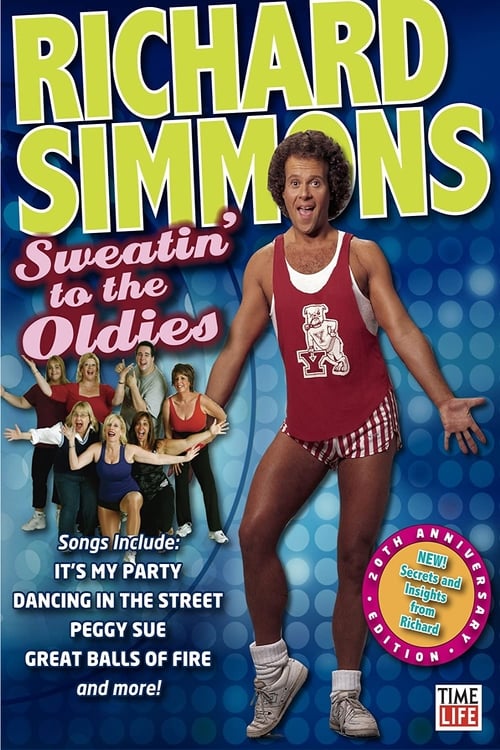
Fitness expert Richard Simmons gets some of his friends together and invites you to the High School Prom. But there's no need to rent a gown or a tuxedo, just come as you are. This is an aerobic exercise party where, instead of boring elevator music, you get to work out to ten of the biggest hit songs from the 1950's & '60's performed by a live band! "Dancing in the Streets," "Beyond the Sea," "On Broadway," "It's My Party," "Peggy Sue," "Great Balls of Fire," "Wipeout," "He's a Rebel," "Personality" and "Ain't No Mountain High Enough." If you need to get or stay fit, but want to have fun while doing it, let Richard and his friends show you the way!
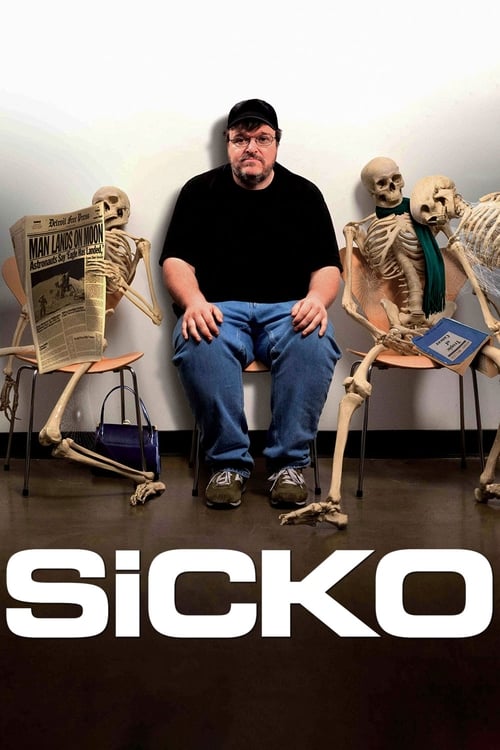
A documentary about the corrupt health care system in The United States whose main goal is to make profit even if it means losing people’s lives. "The more people you deny health insurance, the more money we make" is the business model for health care providers in America.
On June 14, 1977, the eve of the first democratic elections after Franco's regime, Llorenç Soler and his crew go out into the street and ask passers-by which party they are going to vote for.
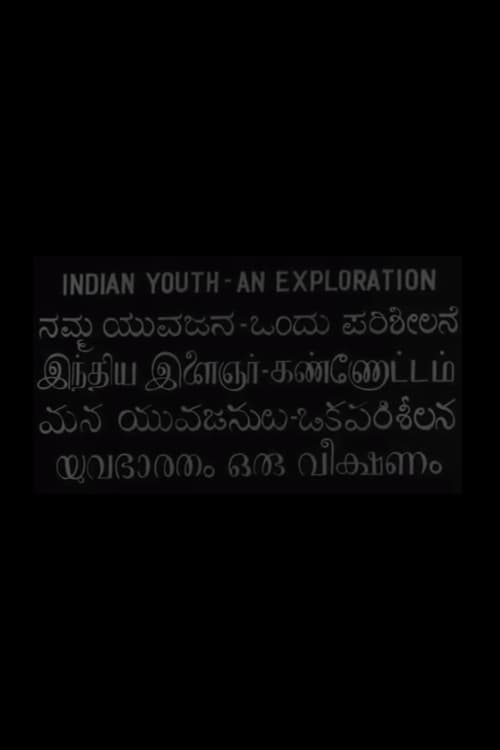
A documentary on the life of the youth in post-Independence India.
Every year many new drugs come to market which offer hope to the sick and dying. This documentary film investigates just how far drug companies are prepared to go to get their drugs approved, what they will do to make sure they get the prices they want, and what happens when profits are put before people.
Suicide is one of the world's leading causes of death, with almost 800,000 people taking their own lives every year, not counting those who go unrecorded. What drives people to take their own lives, and how can they be prevented from doing so? This documentary attempts to provide some answers.
An in-depth and provocative look at the 1992 Los Angeles riots exploring the roots of civil unrest in California and the relationship between African Americans and LAPD.
On September 11, 2001, the unimaginable transpired when devastating attacks on the World Trade Center forced the shutdown of the entire U.S. airspace. Thousands of kilometres away in Gander, Newfoundland, a group of Nav Canada air traffic controllers suddenly had the lives of 33,000 people in their hands and had to think fast to find a place for them to go. Discovery uncovers how these unsung heroes managed to safely land 224 planes in four hours, without incident.
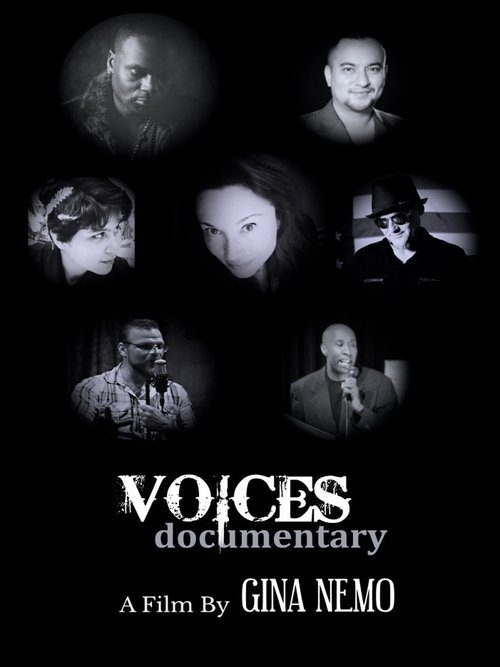
Poets from all walks of life speak their truth through their poetry. A film about poetry by award-winning Gina Nemo, Poet, Writer, Filmmaker, Award-Winning Singer & Actress.
In Iraq 2003 Corporal Martin Webster filmed fellow soldiers beating Iraqi youths during rioting in Al Amara. Two years later, a British newspaper obtained his footage. The story that ran led to outrage across the world.
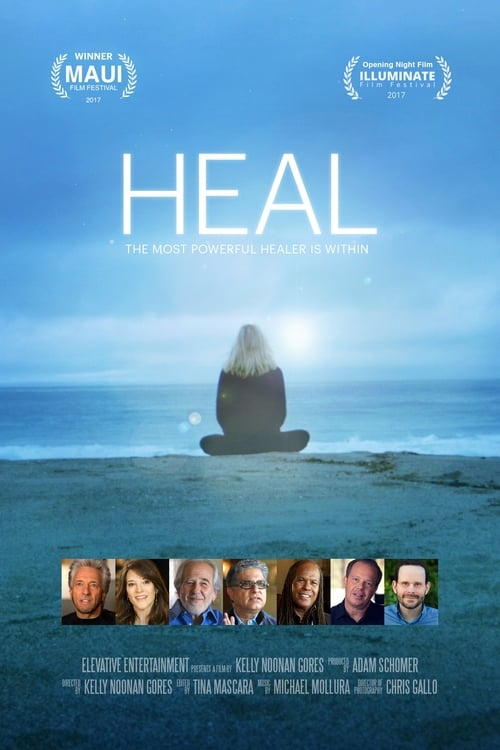
A documentary film that takes us on a scientific and spiritual journey where we discover that by changing one's perceptions, the human body can heal itself from any disease.
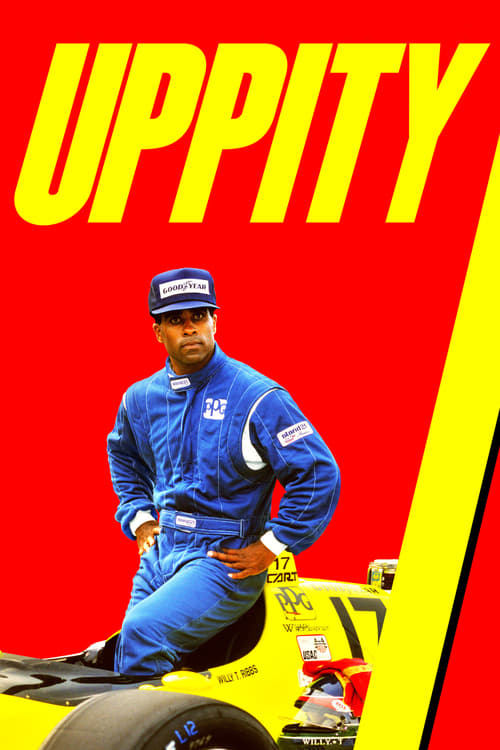
An in-depth profile of the life and career of Willy T. Ribbs - the controversial Black driver who shattered the color barrier of professional auto-racing and became the first Black qualifier in the storied history of the Indy 500.
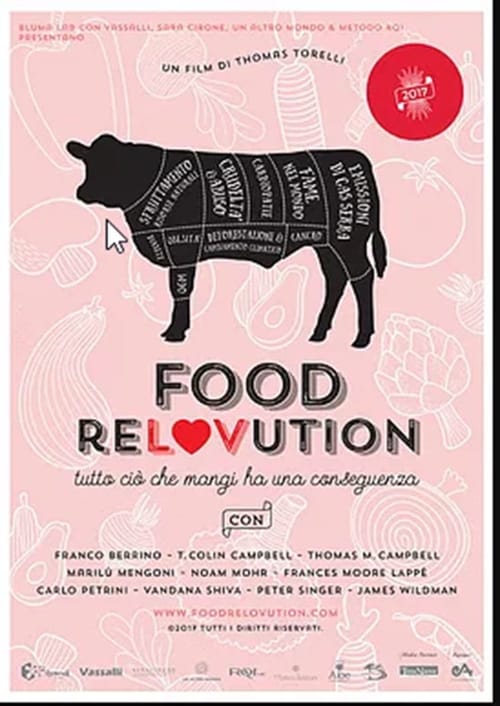
“Food Relovution: What We Eat Can Make A Difference” is an eye-opening and compelling feature documentary that examines the consequences of the meat culture as concerns grow about health, world hunger, animal welfare and the environmental cost of livestock production. It aims to show how these global issues affect everyone and are interrelated, and how making our food choices with a sense of awareness, knowing what we are buying and what we are eating is the first fundamental step towards a better world.
Svitlana, a Russian-speaking Ukrainian, examines the colonised part of her consciousness and tries to find answers to the question of how Soviet totalitarianism and Russification influenced the relationships within her family.